
The Lone Scout — History & Facts
When The Lone Scout was first exhibited in 1882, it drew immediate attention for its haunting solitude—a theme that would come to define much of Albert Pinkham Ryder’s later work. Unlike Ryder’s more famous nocturnes and mythic scenes, this painting’s subject remains shrouded in ambiguity, and its precise inspiration is still debated among scholars. Some believe it may allude to the American frontier spirit, while others see it as a meditation on isolation and vigilance, reflecting the anxieties of a rapidly changing nation.
What is certain is that Ryder’s contemporaries were struck by its mood: the critic Charles de Kay wrote of Ryder’s “strange, poetic vision” in the New York Times that year. The canvas captures a lone figure—possibly a scout or sentinel—perched against an expanse of dark, uncertain terrain. The scout’s posture is tense, his gaze fixed on the horizon, as if anticipating a threat or message from the unknown. Ryder’s use of shadow and muted color envelops the scene in a sense of anticipation, the landscape barely distinguishable from the night sky.
The scout’s isolation is heightened by the absence of any other figures or signs of civilization, a stark contrast to the bustling, narrative-driven works of Frederic Remington or Winslow Homer, who often depicted scouts or soldiers in moments of action. Here, Ryder chooses stillness and ambiguity, inviting viewers to imagine the story beyond the frame. The physical history of The Lone Scout is less documented than many of Ryder’s later, more celebrated paintings. Its medium remains uncertain, though Ryder was known for his experimental techniques and heavy, textured surfaces.
The painting has passed through private hands and, unlike many of Ryder’s works that suffered from deterioration due to his unconventional methods, it survives in relatively stable condition. Today, it stands as an early example of Ryder’s fascination with mood and narrative suggestion, marking a turning point in his career as he moved away from literal storytelling towards the poetic ambiguity that would define his mature style.
More Artworks by Albert Pinkham Ryder

The Toilers of the Sea
Albert Pinkham Ryder
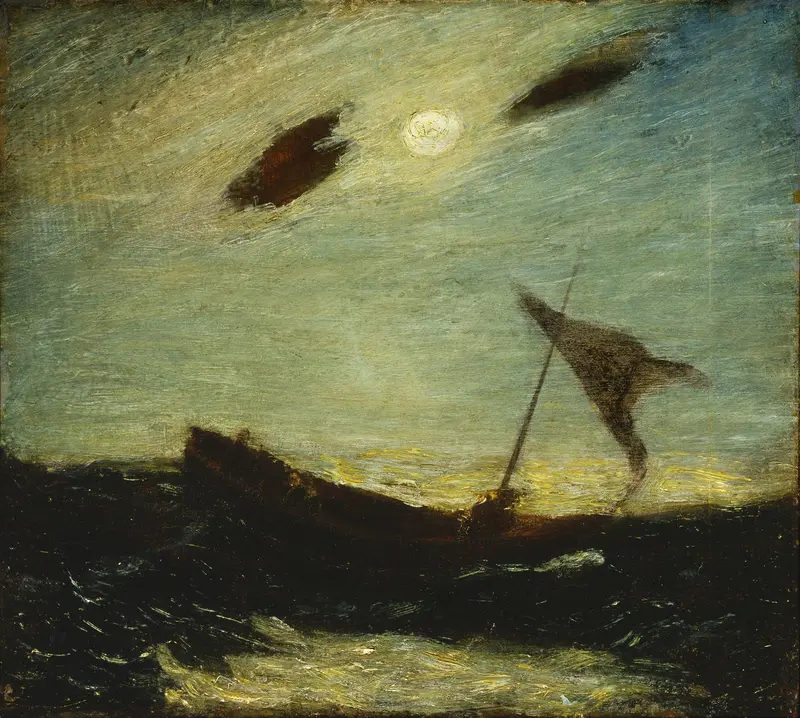
Moonlight
Albert Pinkham Ryder
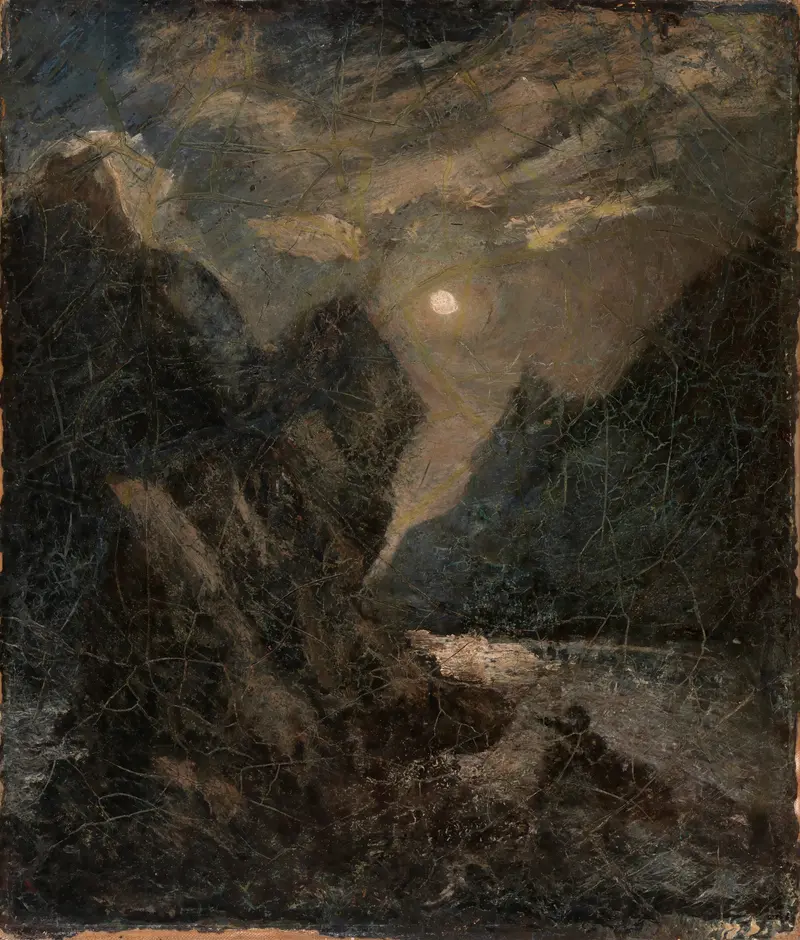
The Lorelei
Albert Pinkham Ryder
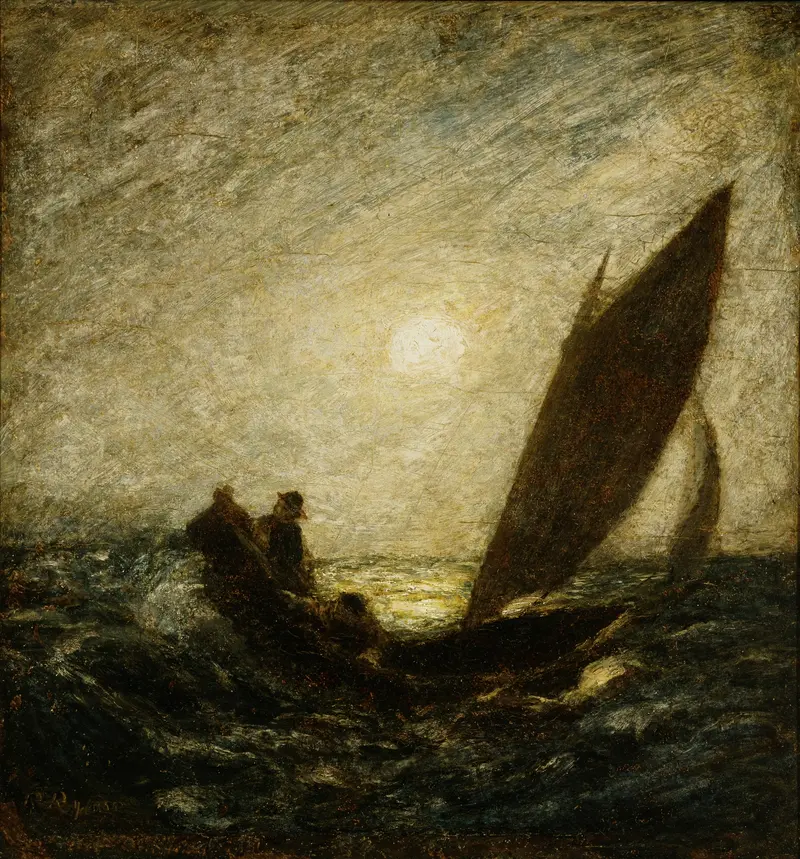
With Sloping Mast And Dipping Prow
Albert Pinkham Ryder
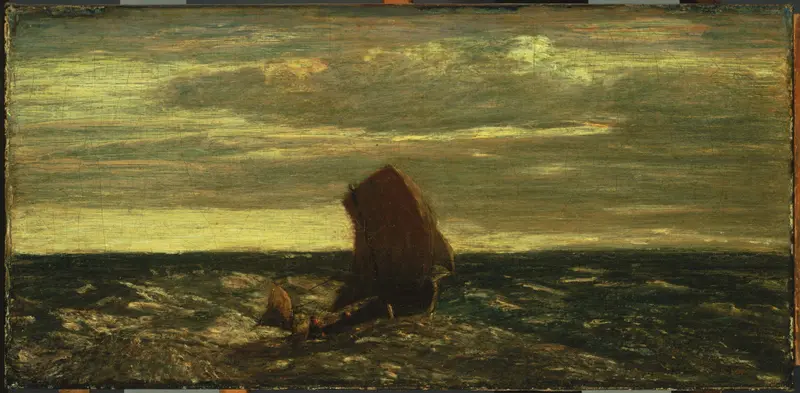
Homeward Bound
Albert Pinkham Ryder
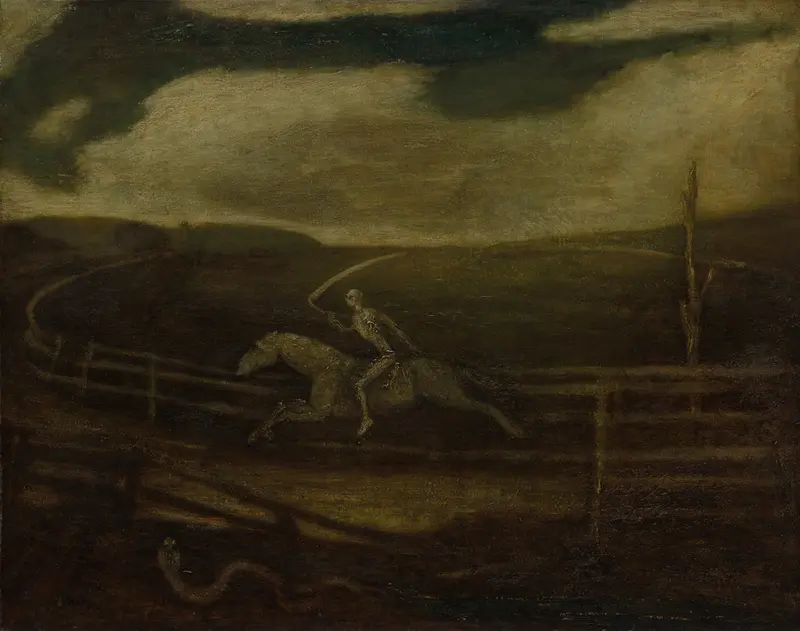
The Race Track (Death on a Pale Horse)
Albert Pinkham Ryder
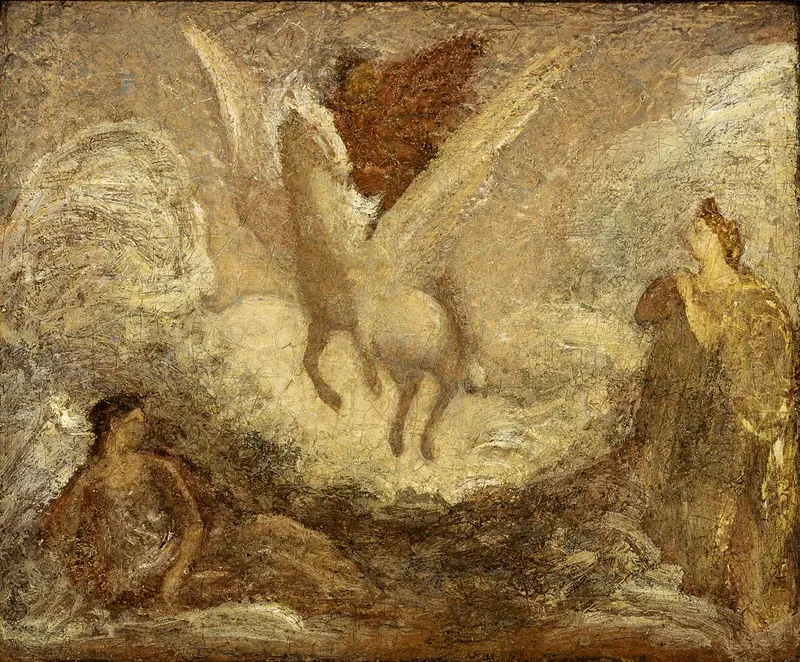
Pegasus Departing
Albert Pinkham Ryder
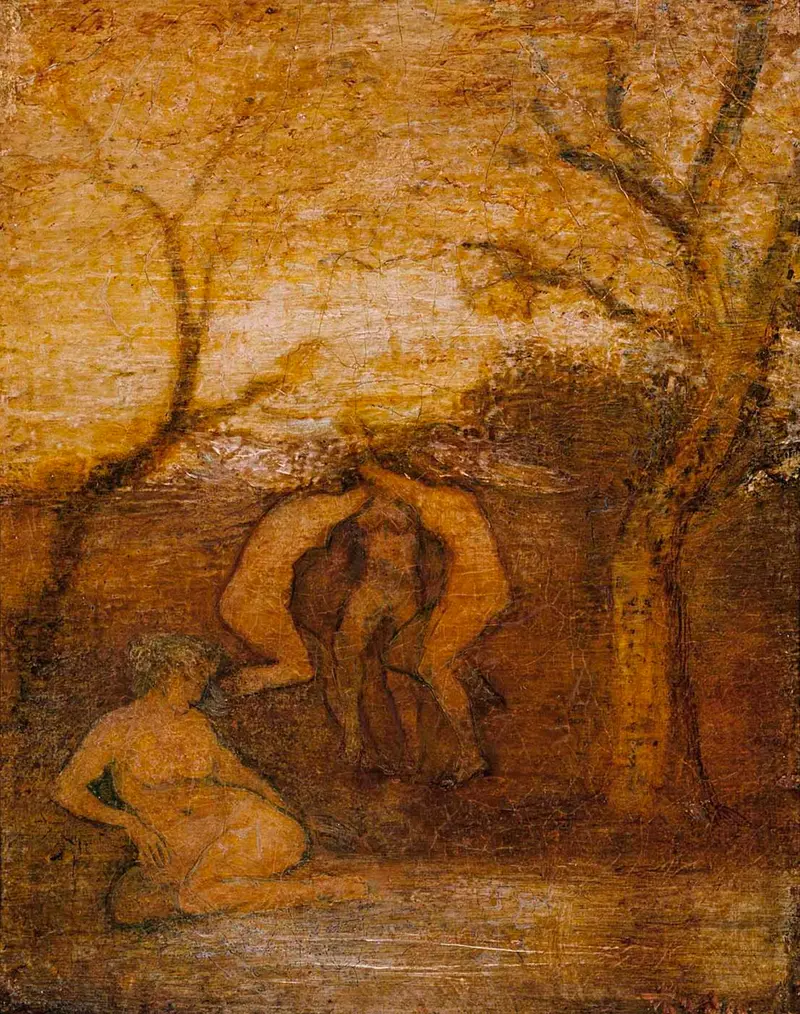
Dancing Dryads
Albert Pinkham Ryder
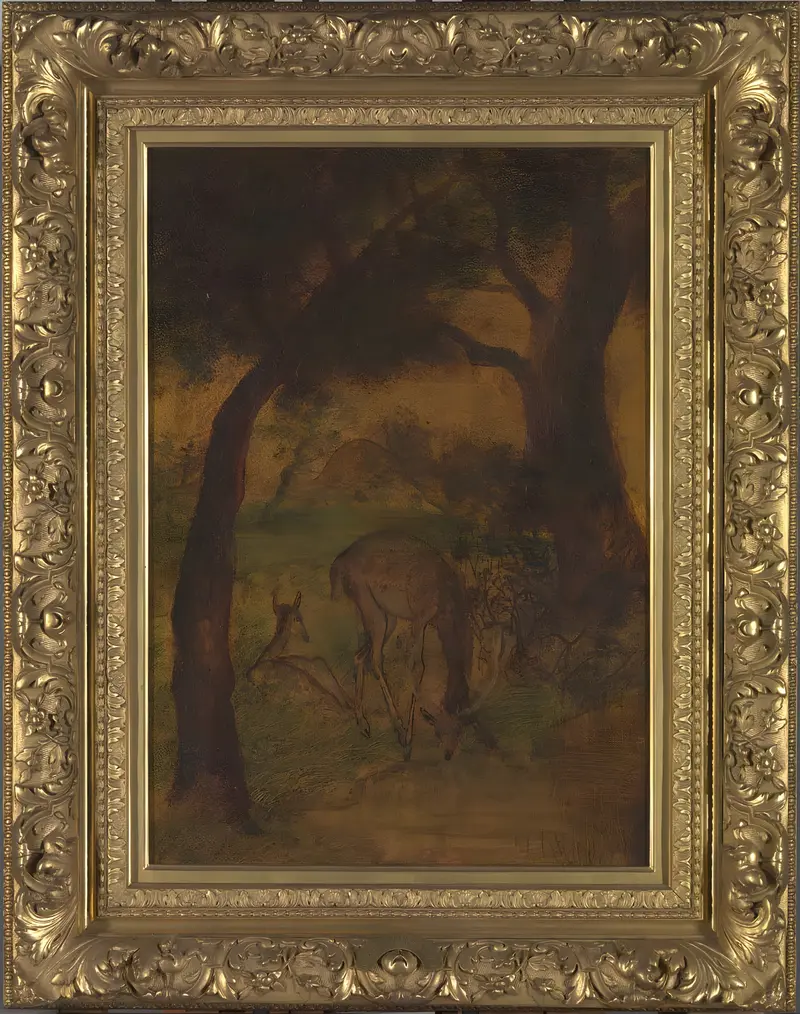
A Stag Drinking
Albert Pinkham Ryder
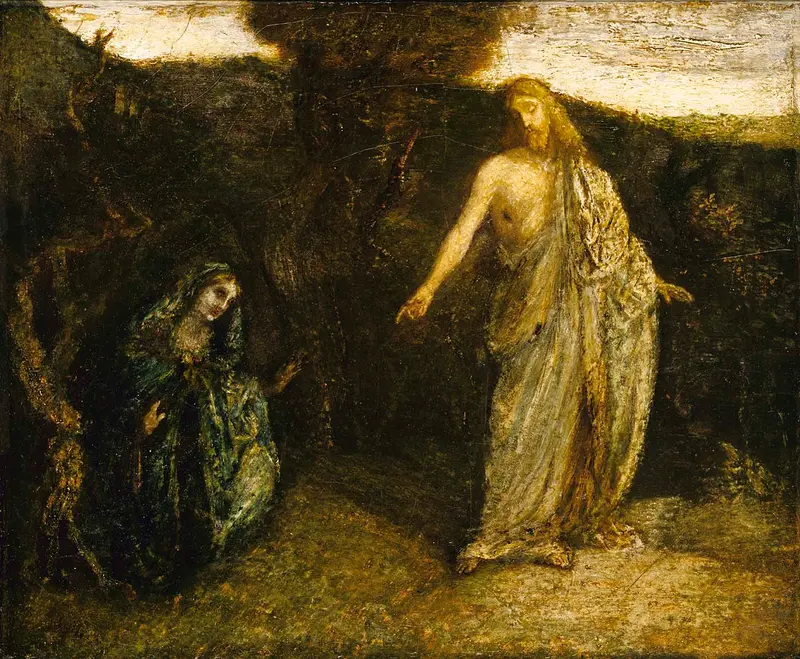
Christ Appearing to Mary
Albert Pinkham Ryder
More Landscape Art

The Starry Night
Vincent van Gogh

View of Delft
Johannes Vermeer

Water Lilies
Claude Monet

The Grand Canal, Venice, looking north-west from the Ca' Corner to the Ca' Contarini degli Scrigni, with the campanile of Santa Maria della Carità
Canaletto

Windsor Castle
Canaletto

The Grand Canal looking North-East from the Palazzo Dolfin-Manin to the Rialto Bridge
Canaletto