
The Masons — History & Facts
What first catches the eye in The Masons is the quiet choreography of labor and pause, set against the battered bones of a half-ruined wall. A trio of workers bends to their task, their bodies angled in concentration, the pale slab they maneuver dominating the foreground like a stage prop. The light, cool and even, flattens the scene but also sharpens every gesture: the kneeling figure’s mallet raised mid-swing, the upright man’s steadying grip, the shadowed face of the overseer at the door.
To the right, a couple stands apart, their conversation private, their dress more refined—a reminder that every worksite is also a crossroads of stories. The scattered hats and coats on the ground hint at a break in the day or the shedding of roles. This painting, made in 1825 by Alexandre-Gabriel Decamps, belongs to a moment in French art when the everyday lives of workers began to claim the canvas. Genre scenes like this, neither grand history nor pure landscape, were gaining favor as artists turned their gaze to the realities of modernizing society.
The medium is undocumented, and little is recorded of this particular work’s travels or patrons; it survives today thanks to a self-photographed record in the Pymouss collection. Yet its subject—anonymous labor, fleeting conversation, the dignity of craft—speaks to a world on the cusp of industrial change, when the old stones of the past were quite literally being reshaped for the future. Look again, and see how Decamps finds drama not in heroics, but in the ordinary rhythm of work and rest.
More Artworks by Alexandre-Gabriel Decamps

Still Life with Herring, Bread, and Cheese
Alexandre-Gabriel Decamps
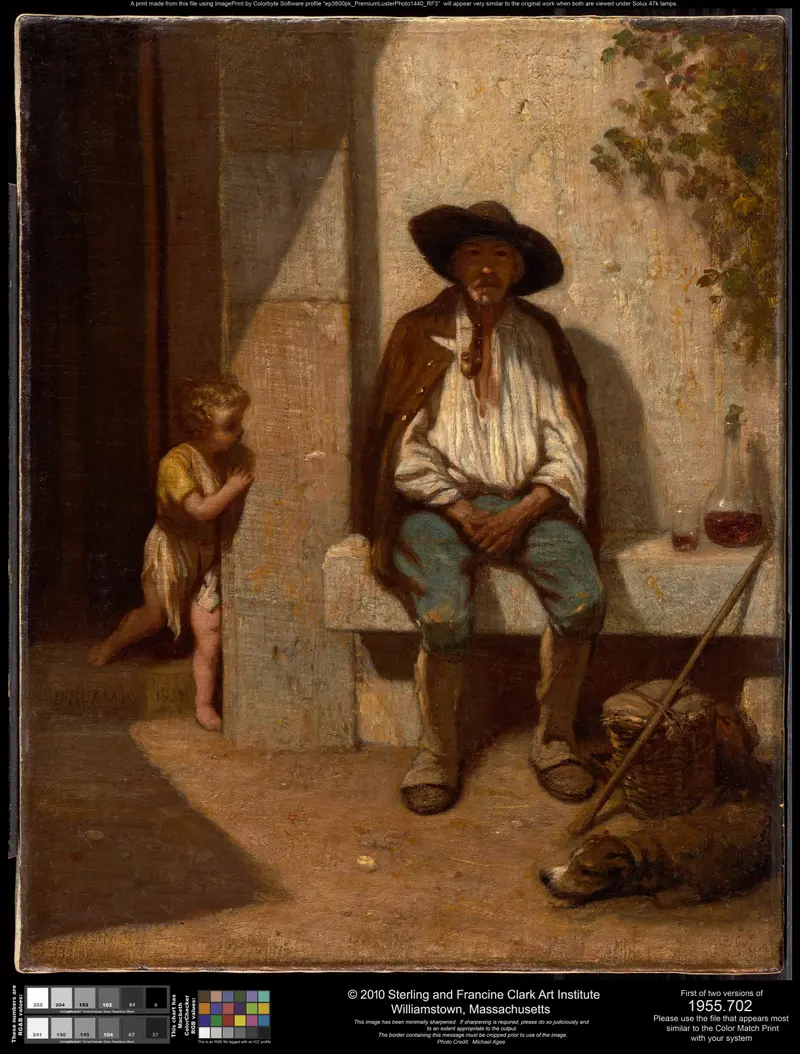
Italian Peasant
Alexandre-Gabriel Decamps
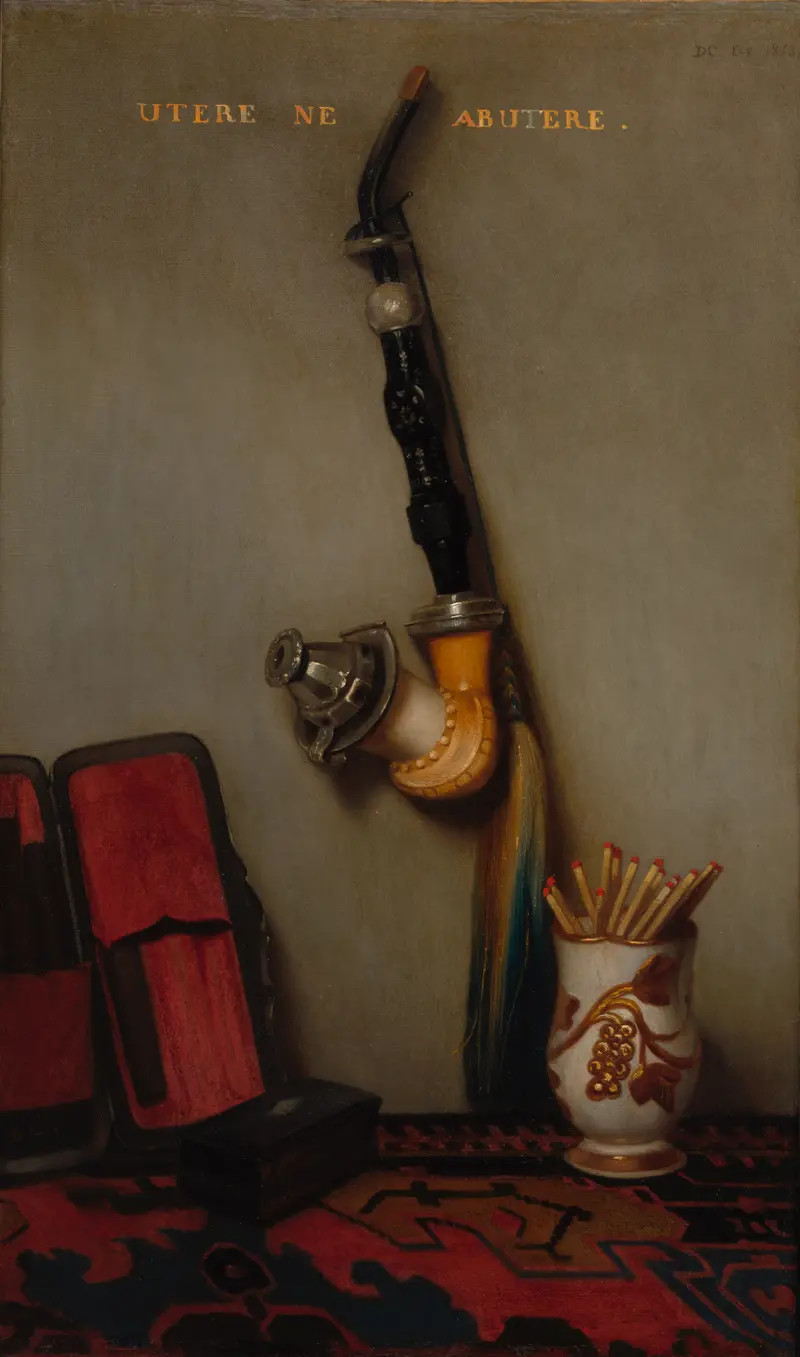
Still Life with Pipe and Matches
Alexandre-Gabriel Decamps
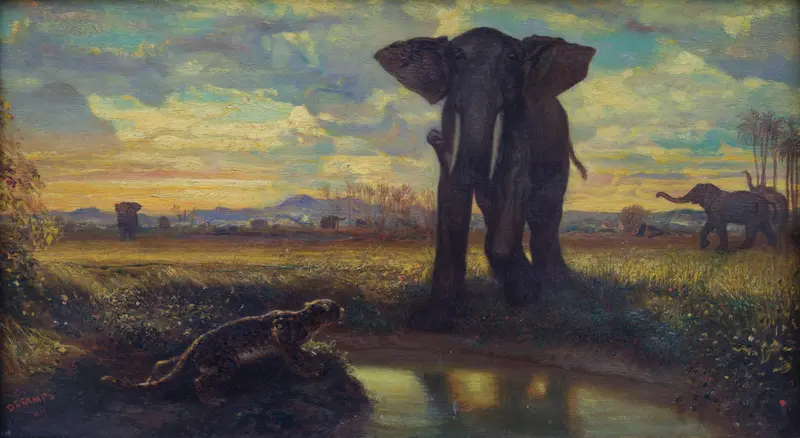
Tigre et éléphant à la source Musée du Louvre Peintures RF
Alexandre-Gabriel Decamps
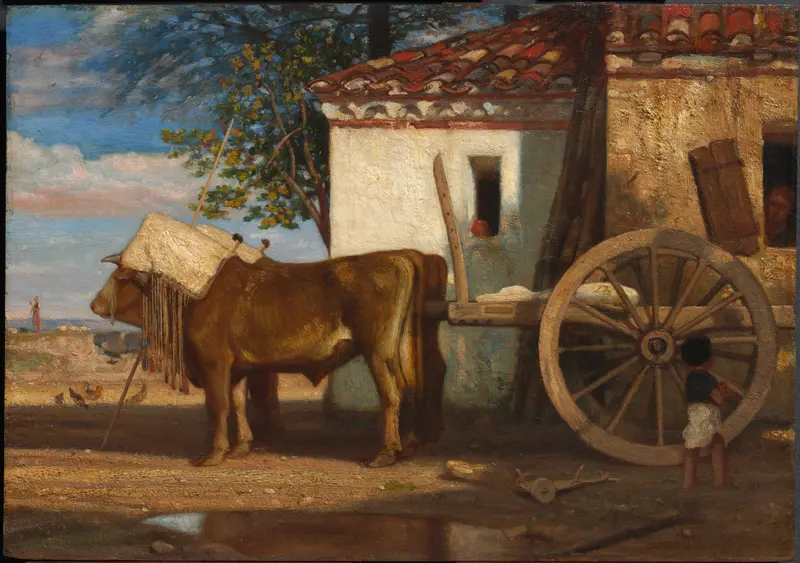
Oxen before a Farmhouse at Le Verrier
Alexandre-Gabriel Decamps
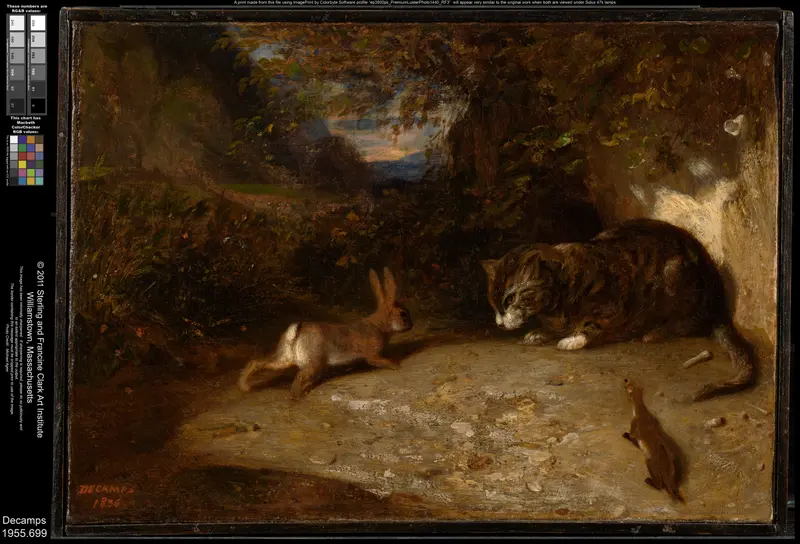
Cat, Weasel, and Rabbit
Alexandre-Gabriel Decamps
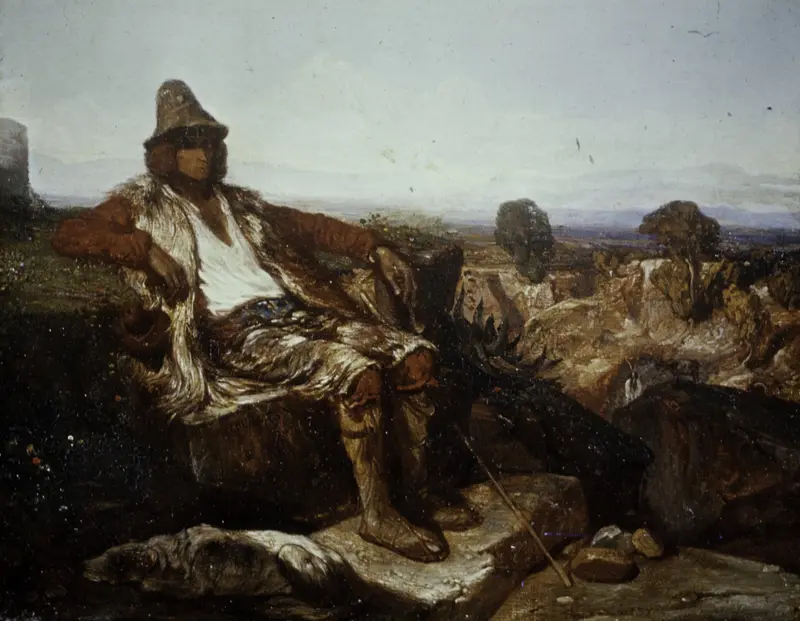
Goatherd of the Abruzzi
Alexandre-Gabriel Decamps
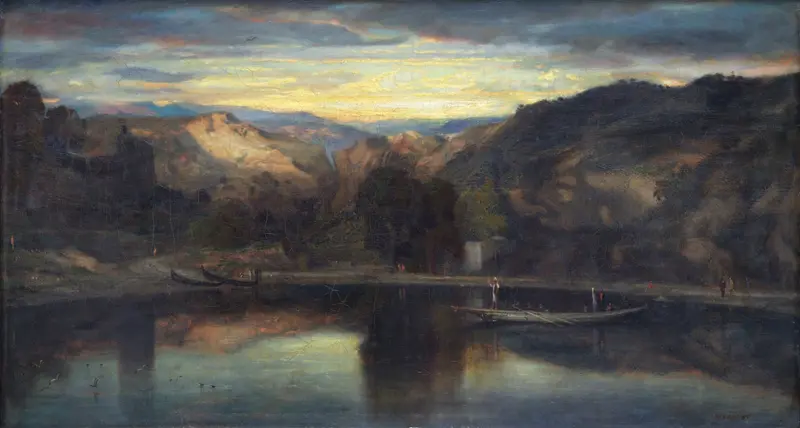
Jésus sur le lac de Génésareth Musée du Louvre Peintures RF
Alexandre-Gabriel Decamps

Espagnols jouant aux cartes Musée du Louvre Peintures RF
Alexandre-Gabriel Decamps
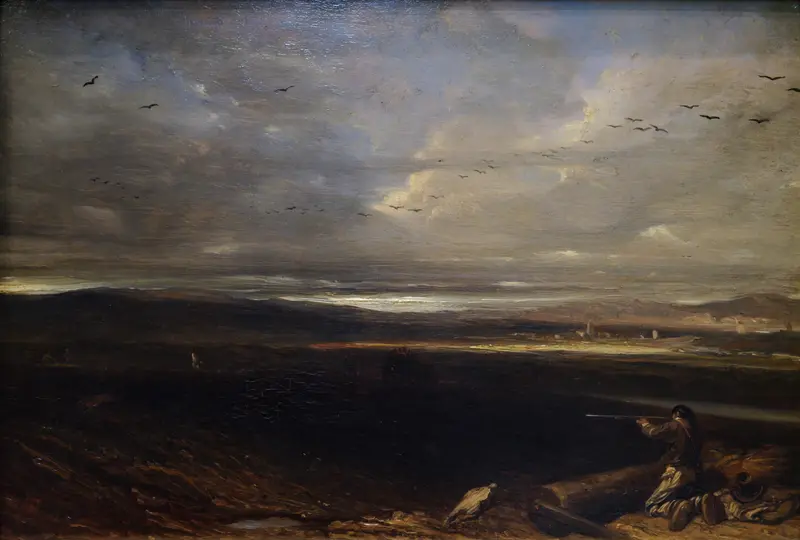
La battue en plaine Musée du Louvre Peintures RF
Alexandre-Gabriel Decamps
More Genre Scene Art

Banquet of the Officers of the St George Civic Guard
Frans Hals

Rembrandt and Saskia in the Scene of the Prodigal Son
Rembrandt van Rijn

Bal du moulin de la Galette
Pierre-Auguste Renoir

Quadrille at the Moulin Rouge
Henri de Toulouse-Lautrec

A Burial at Ornans
Gustave Courbet

When Will You Marry?
Paul Gauguin