
The Music Lesson — History & Facts
When The Music Lesson was first exhibited in Paris around 1770, viewers were quick to notice its playful ambiguity, sparking lively debate in the salons about whether the scene depicted innocent instruction or flirtatious intrigue. Jean-Honoré Fragonard, already famed for his witty and sensual compositions, was at the height of his popularity among the French aristocracy. The painting became a talking point in fashionable circles, with some critics praising its charm while others hinted at impropriety behind the genteel setting.
This duality—chaste education or covert seduction—remains at the heart of the painting’s enduring fascination. At the center of The Music Lesson, a young woman sits at a keyboard instrument, her fingers poised above the keys, while her tutor leans in, gesturing delicately to guide her hands. The soft, golden light falls across her face and the sheet music, drawing the viewer’s eye to the subtle exchange of glances between pupil and teacher. A violin rests on the table, suggesting a duet, and the open window in the background hints at a world beyond the confines of the lesson.
Fragonard’s loose, fluid brushwork and pastel palette create an atmosphere of intimacy and spontaneity, contrasting with the more moralizing tone of earlier Dutch treatments of the same theme, such as Jan Steen’s The Music Lesson, where the lesson is often a thinly veiled pretext for seduction. Though the exact patron of The Music Lesson is unknown, it was likely commissioned by a member of the French elite, eager to display both taste and wit. The painting’s provenance is not fully documented, but works of this type were prized in the private boudoirs and salons of 18th-century Paris, and many were dispersed during the upheavals of the French Revolution. Today, The Music Lesson is recognized as a quintessential example of Fragonard’s Rococo style, capturing the playful spirit and subtle tensions of pre-Revolutionary France.
Its current location is not firmly established, but it continues to be celebrated in exhibition catalogues and scholarly studies as a window into the pleasures and complexities of its era.
More Artworks by Jean-Honoré Fragonard
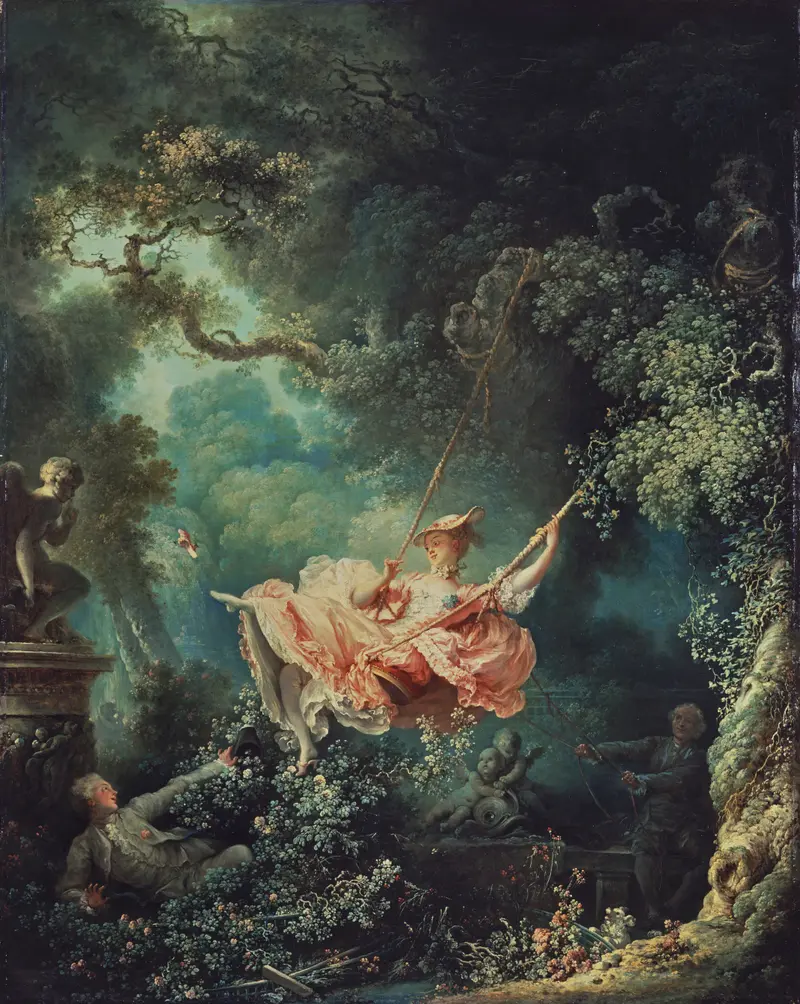
The Swing
Jean-Honoré Fragonard

The Swing
Jean-Honoré Fragonard
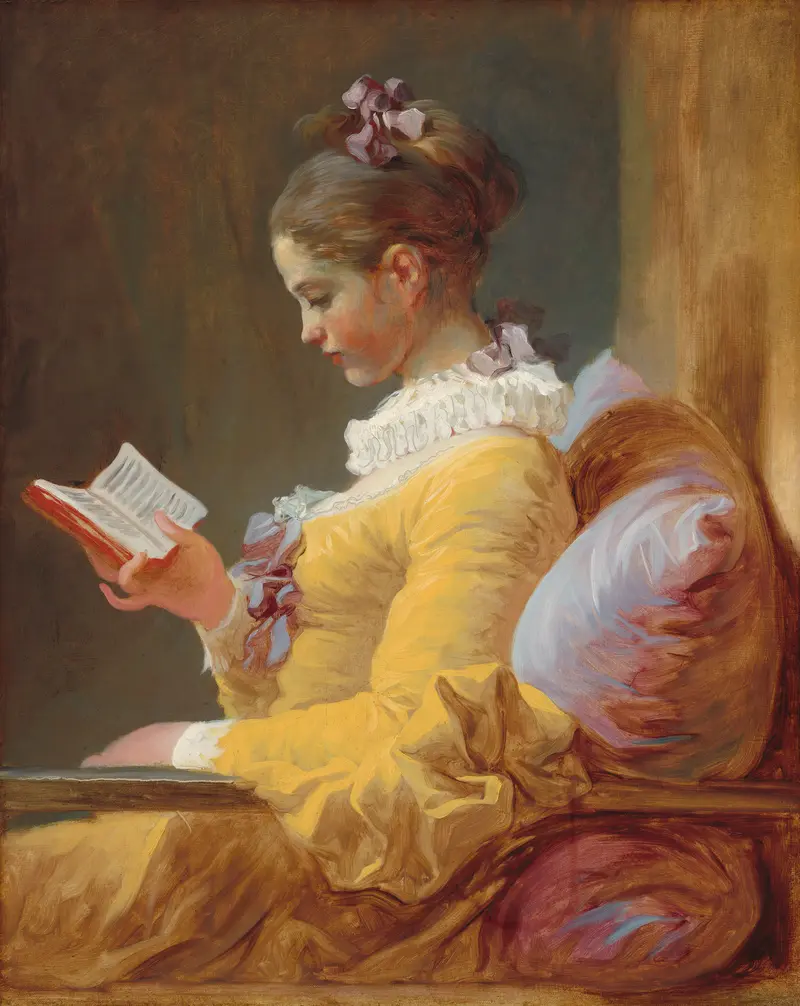
A Young Girl Reading
Jean-Honoré Fragonard
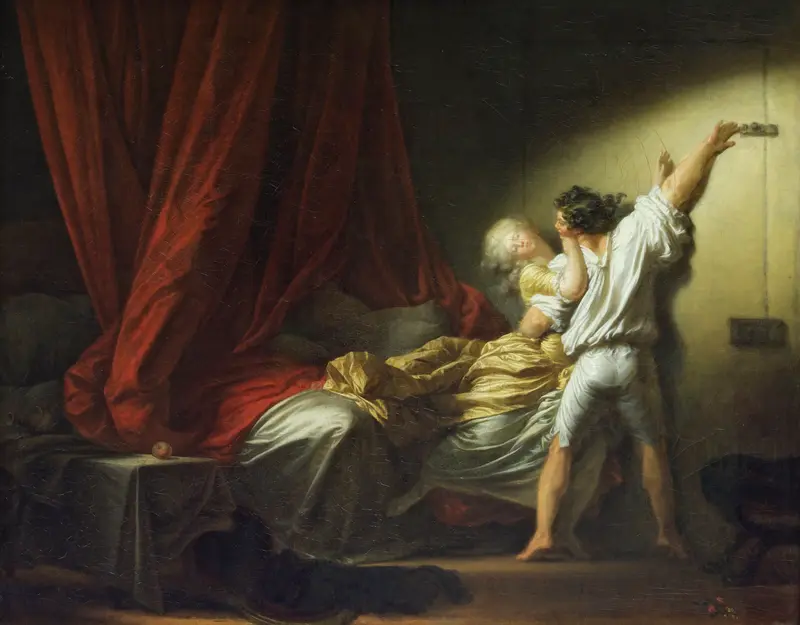
The Lock
Jean-Honoré Fragonard
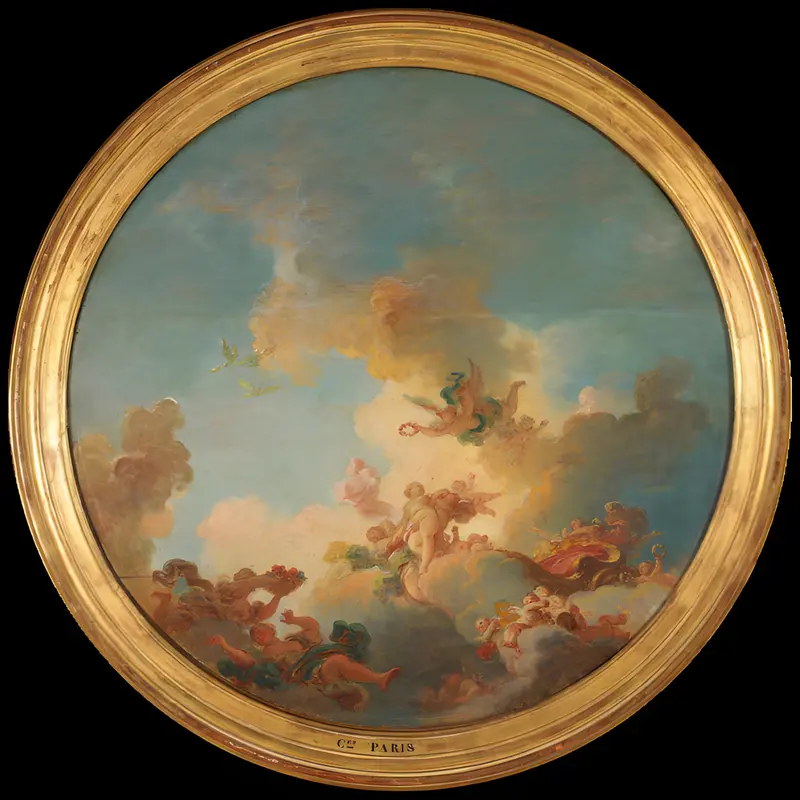
The Triumph of Venus
Jean-Honoré Fragonard
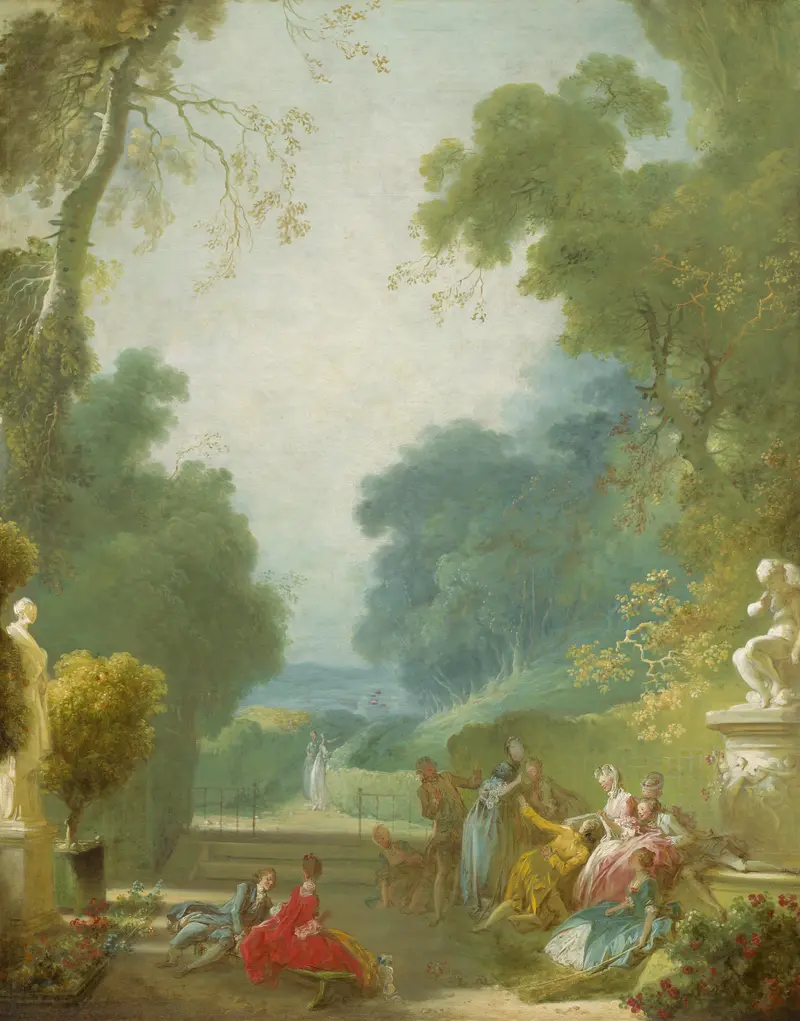
A Game of Hot Cockles
Jean-Honoré Fragonard
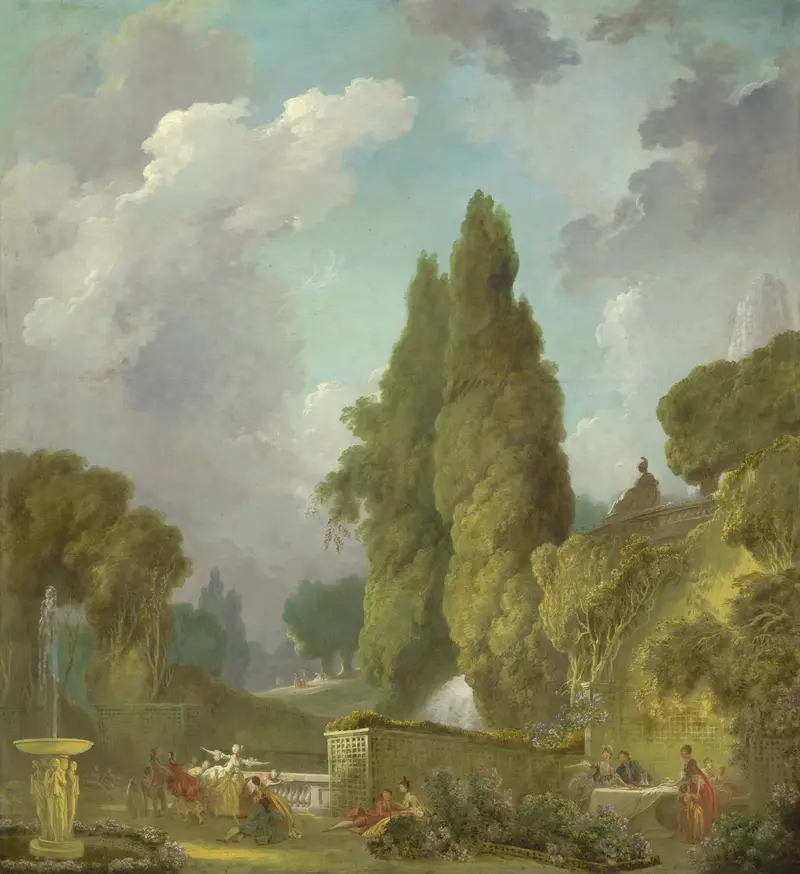
Blindman’s Buff
Jean-Honoré Fragonard
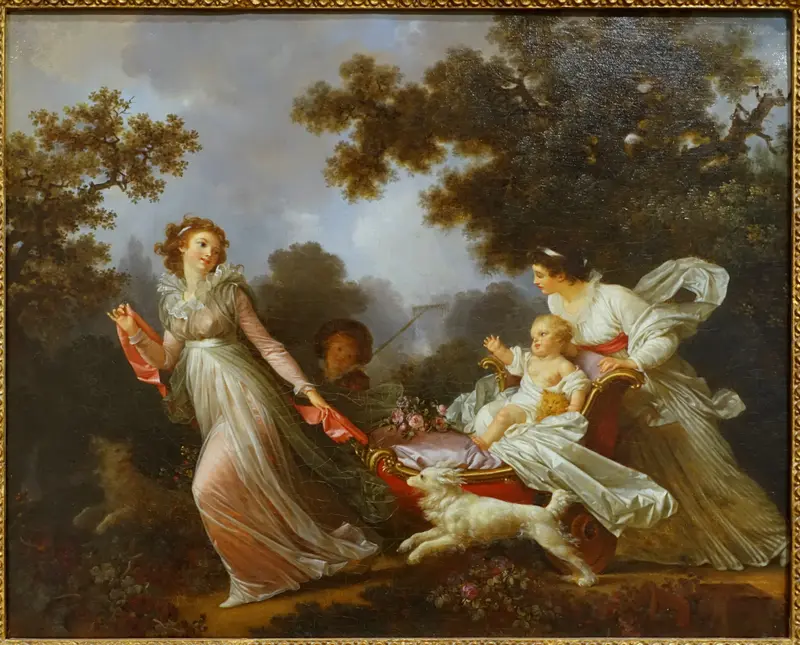
The Beloved Child
Jean-Honoré Fragonard
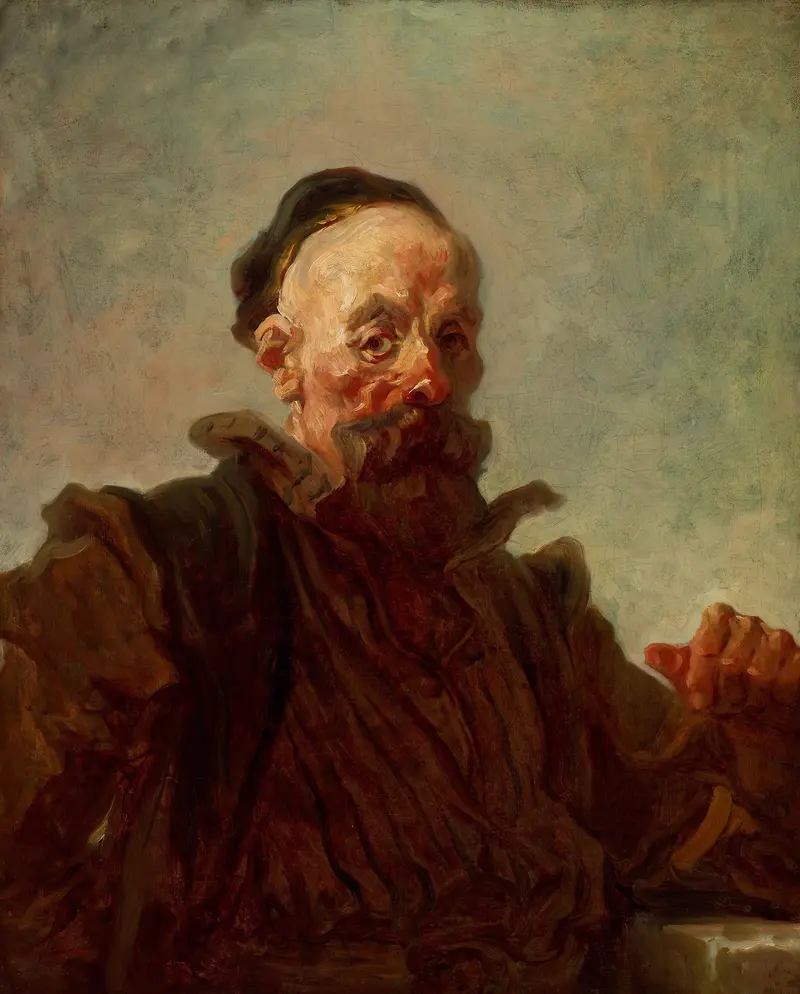
Portrait of a Man in Costume
Jean-Honoré Fragonard
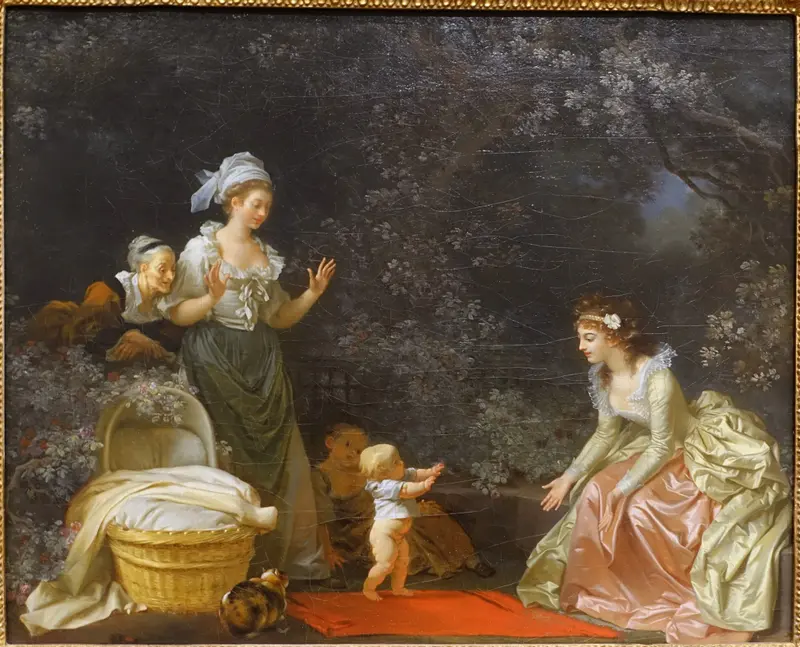
The First Steps
Jean-Honoré Fragonard
More Genre Scene Art

Banquet of the Officers of the St George Civic Guard
Frans Hals

Rembrandt and Saskia in the Scene of the Prodigal Son
Rembrandt van Rijn

Bal du moulin de la Galette
Pierre-Auguste Renoir

Quadrille at the Moulin Rouge
Henri de Toulouse-Lautrec

A Burial at Ornans
Gustave Courbet

When Will You Marry?
Paul Gauguin