
The Nativity — History & Facts
No one knows for certain for whom Fra Angelico painted The Nativity in 1425, nor even what surface or medium he used, yet this work is among the earliest known treatments of the subject by the artist, and it marks a turning point in Florentine religious art. Painted at a time when the city was alive with new ideas about perspective and human emotion, the piece stands at the crossroads between the Gothic and the early Renaissance. Its gentle intimacy and jewel-like detail have led some scholars to suggest it was intended for private devotion rather than a public altar, though no documentation survives to confirm this. At the heart of the scene, the Virgin Mary kneels in adoration before the newborn Christ, laid on a simple cloth atop the bare earth—a radical choice for the time, emphasizing humility.
Joseph sits nearby, lost in thought, while a pair of angels hover above, their robes shimmering with gold leaf. The stable is little more than a rustic shed, open to the Tuscan landscape, where a donkey and ox peer curiously at the child. The delicate halos and the soft, clear light signal the sacredness of the moment, while the lack of grand architectural settings draws the viewer into the intimacy of the birth.
Unlike the crowded, dramatic nativity scenes painted by contemporaries such as Gentile da Fabriano, Fra Angelico’s version is quiet, almost contemplative, inviting meditation rather than spectacle. The history of The Nativity as an object remains shrouded in uncertainty. No records survive of its original location or patron, and its early provenance is lost to time—a common fate for small devotional works of the early fifteenth century. It is generally agreed, however, that the painting reflects Fra Angelico’s early years in Florence, before his celebrated frescoes at San Marco.
Today, the work is recognized as a key example of the artist’s gentle spirituality and his pioneering approach to light and color, though its physical journey from fifteenth-century Florence to the present remains largely a mystery.
More Artworks by Fra Angelico

Condemnation of St Lawrence by the Emperor Valerian
Fra Angelico
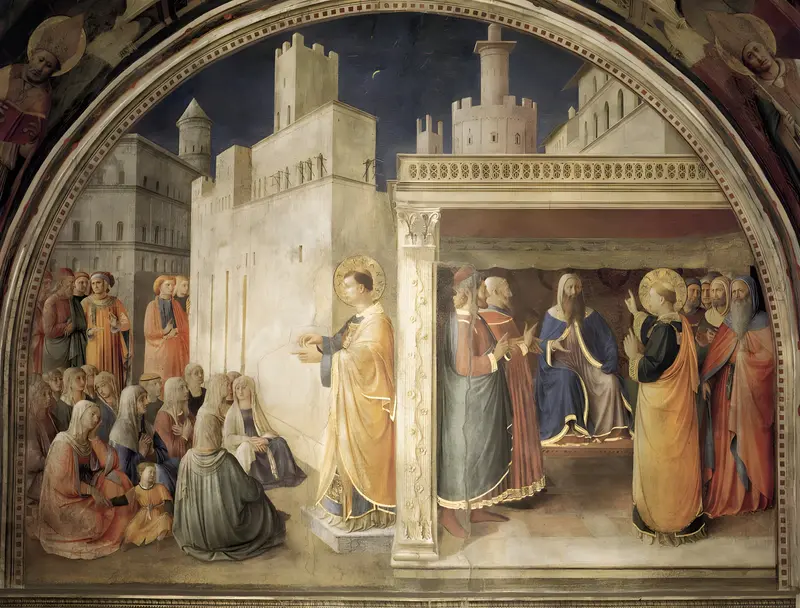
Lunette of the north wall
Fra Angelico
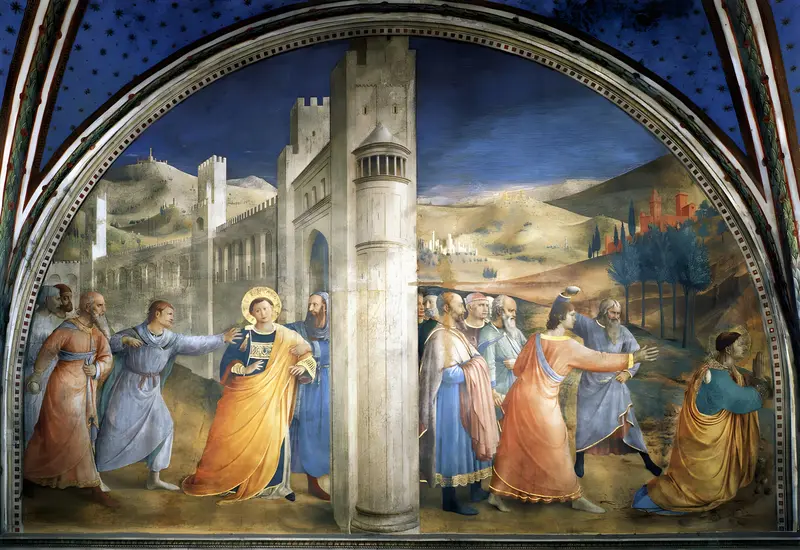
Lunette of the east wall in Niccoline Chapel
Fra Angelico
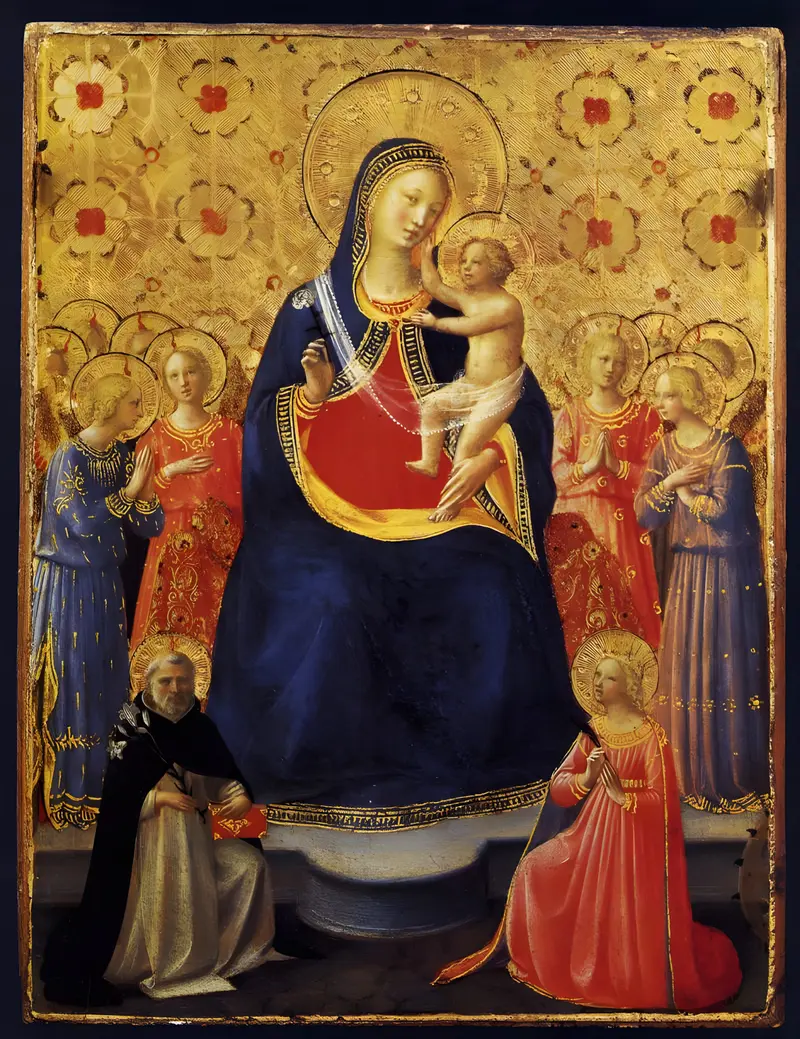
Madonna and Child Enthroned with Nine Angels and Saints Dominic and Catherine of Alexandria
Fra Angelico
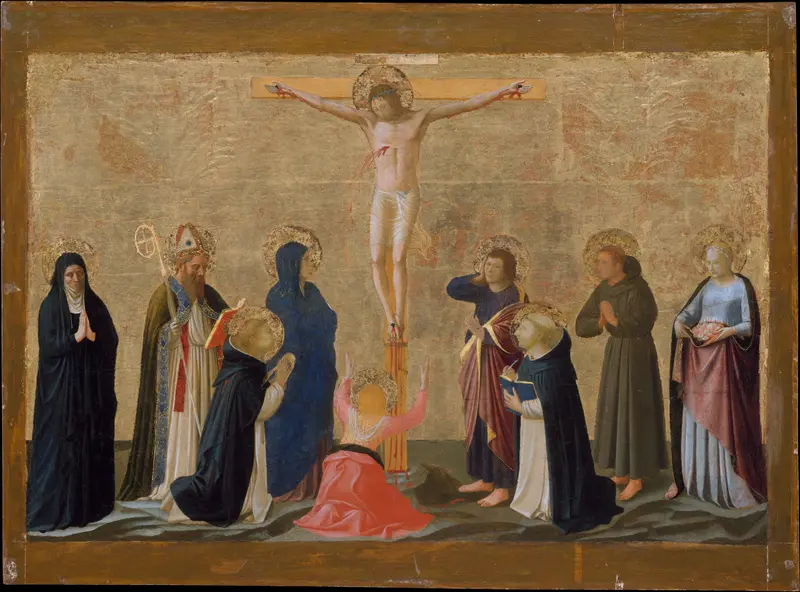
The Crucifixion
Fra Angelico
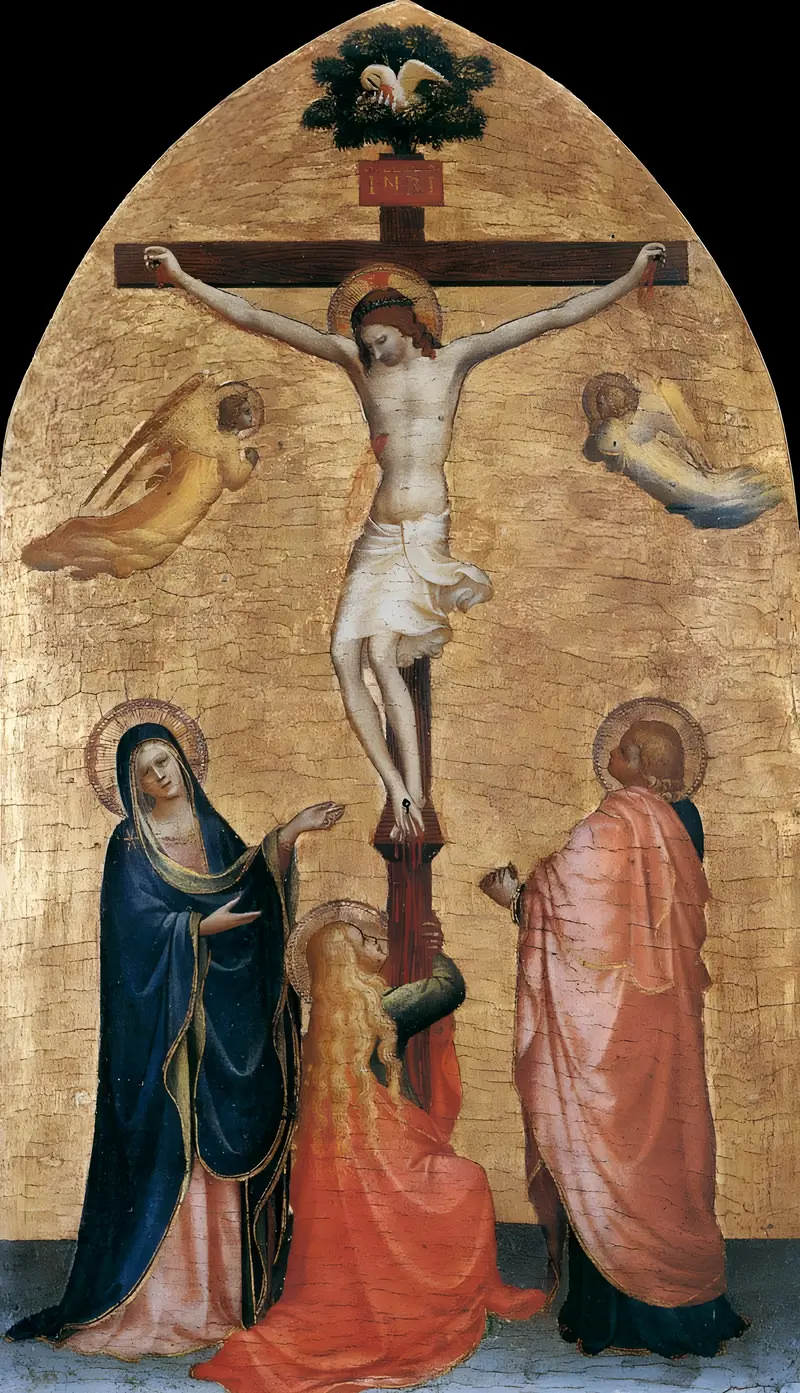
Crucifixion with the Virgin, John the Evangelist, and Mary Magdelene
Fra Angelico
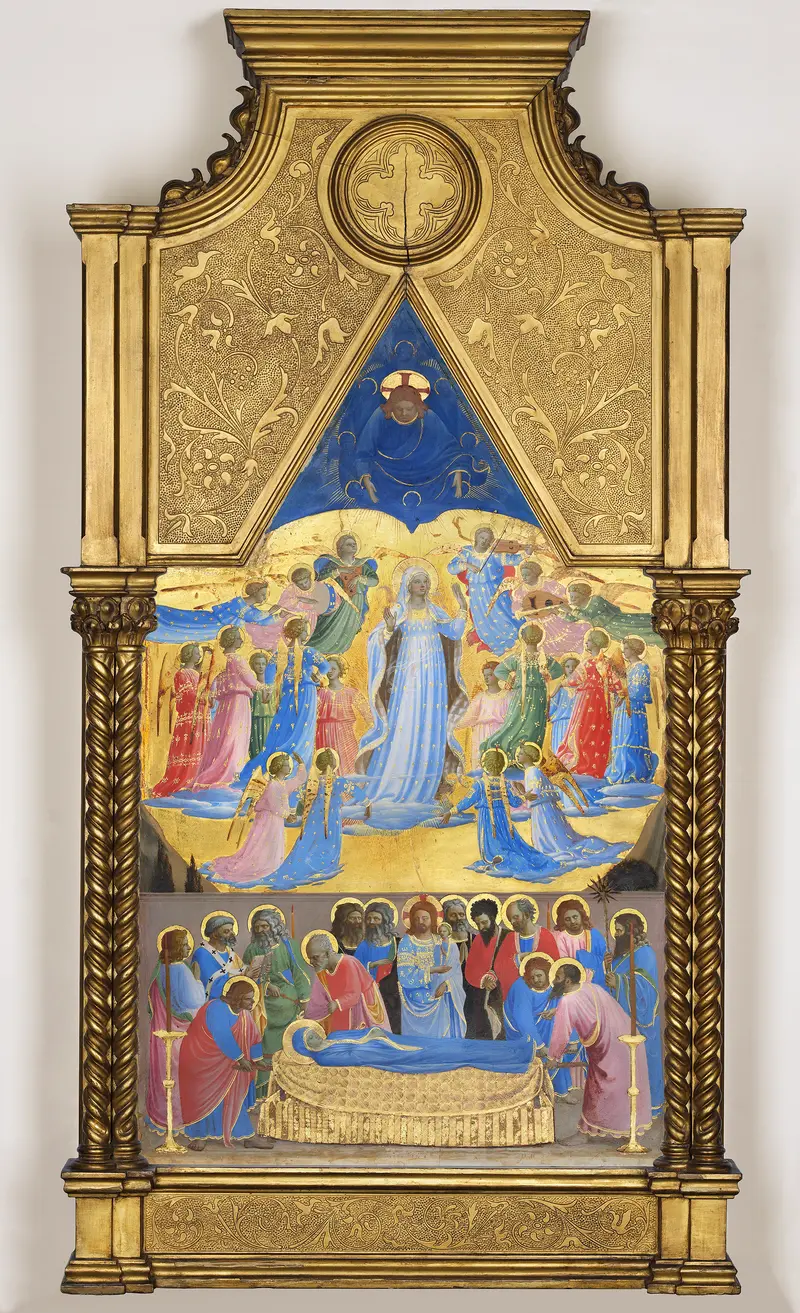
Dormition and Assumption of the Virgin
Fra Angelico
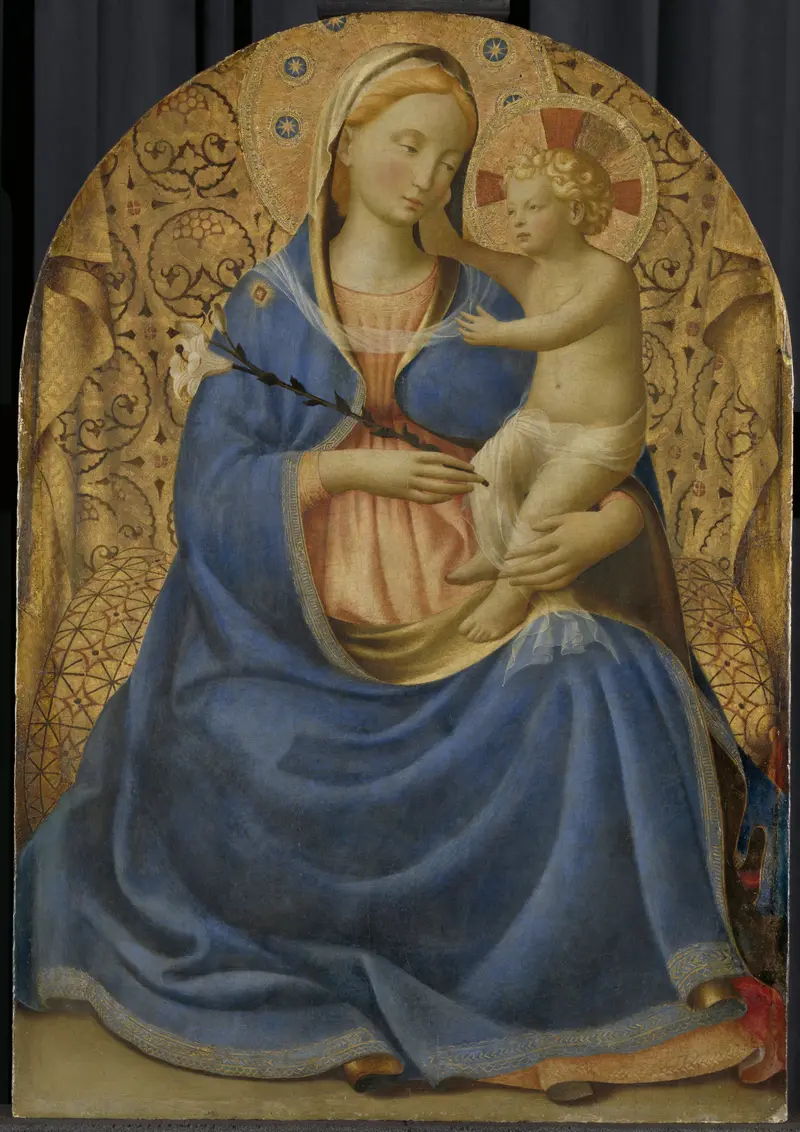
Madonna of Humility
Fra Angelico
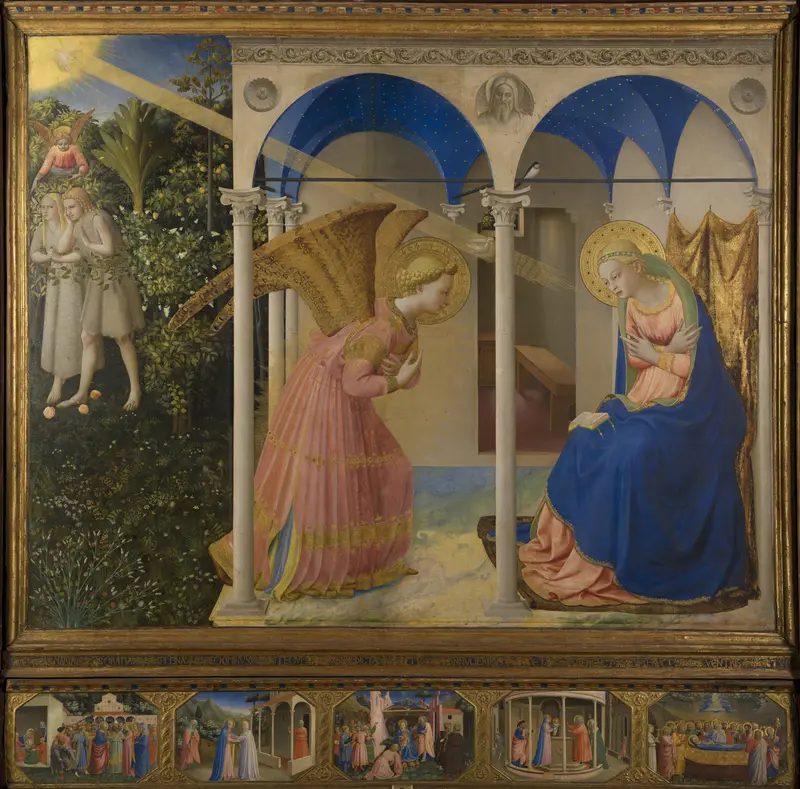
The Annunciation
Fra Angelico

Saint Anthony Abbot
Fra Angelico





