
The Ordination of Blessed Waltmanus by Saint Norbert — History & Facts
A shaft of golden light breaks through the upper canvas, guiding the viewer’s gaze to a swirl of cherubs and a fluttering banner—an unmistakable sign that something of great spiritual consequence is unfolding below. The drama is staged on a carpeted dais, where richly robed clergy and kneeling monks converge in a moment of ritual gravity. The central figure, kneeling in white, receives the bishop’s blessing, while an angel with outstretched wings hovers protectively behind him.
Every gesture is charged with significance: the bishop’s raised hand signals both authority and benediction, while the kneeling monk’s upturned face radiates humility and devotion. The crowded composition, with its cascade of drapery and the play of light across faces and vestments, draws the eye in a circular motion, echoing the unity of the assembled faithful. Painted in 1635, this work by Abraham Jansz. van Diepenbeeck emerges from the heart of the Flemish Baroque, a period when religious orders commissioned grand canvases to inspire awe and devotion.
Such paintings were not mere decoration; they were visual sermons, designed to assert the legitimacy and sanctity of their subjects. The presence of angels and the careful rendering of ecclesiastical regalia speak to the era’s fascination with the miraculous and the ceremonial. Little is recorded about the specific journey of this painting, now documented in the collection of Sint-Fredegandus in Deurne, but its very survival is a testament to the enduring power of images to shape memory and belief.
The viewer is left to wonder at the interplay of the earthly and the divine, and to trace the threads of faith that run through every brushstroke.
More Artworks by Abraham Jansz. van Diepenbeeck
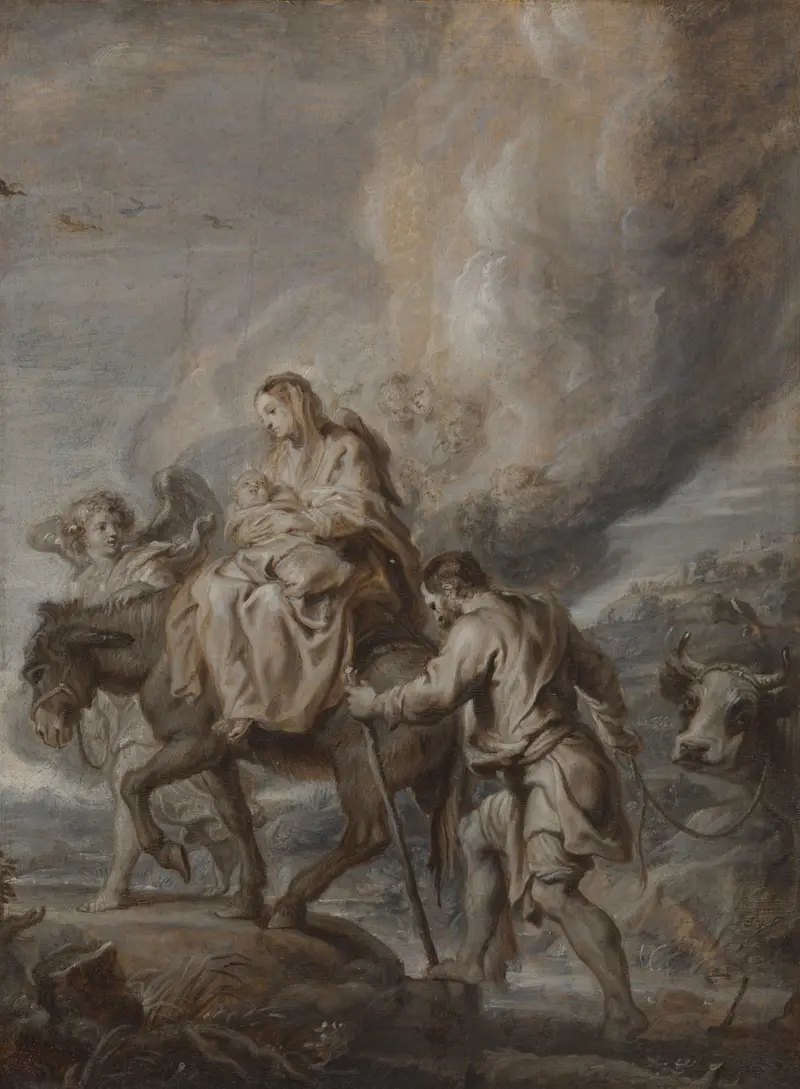
The Flight into Egypt
Abraham Jansz. van Diepenbeeck
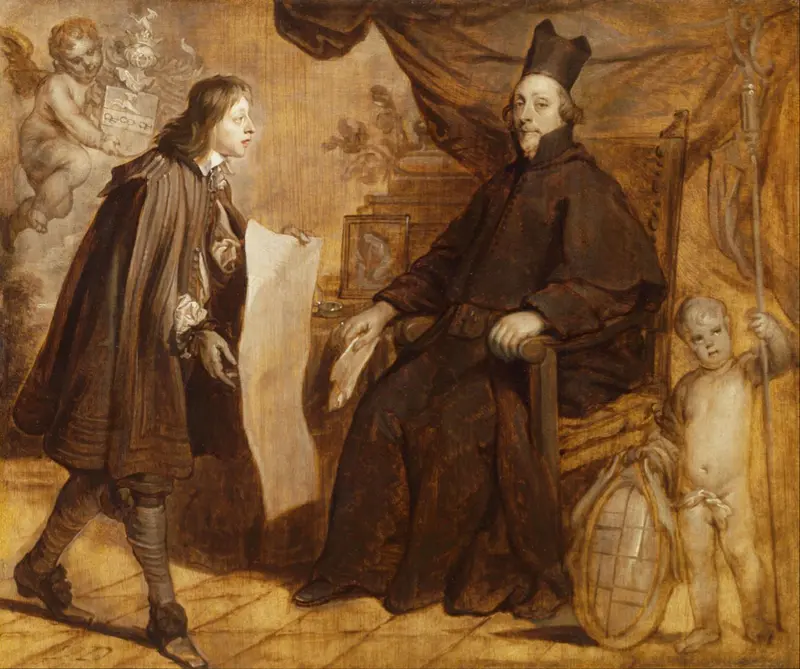
Portrait of a Prelate and a Young Man
Abraham Jansz. van Diepenbeeck
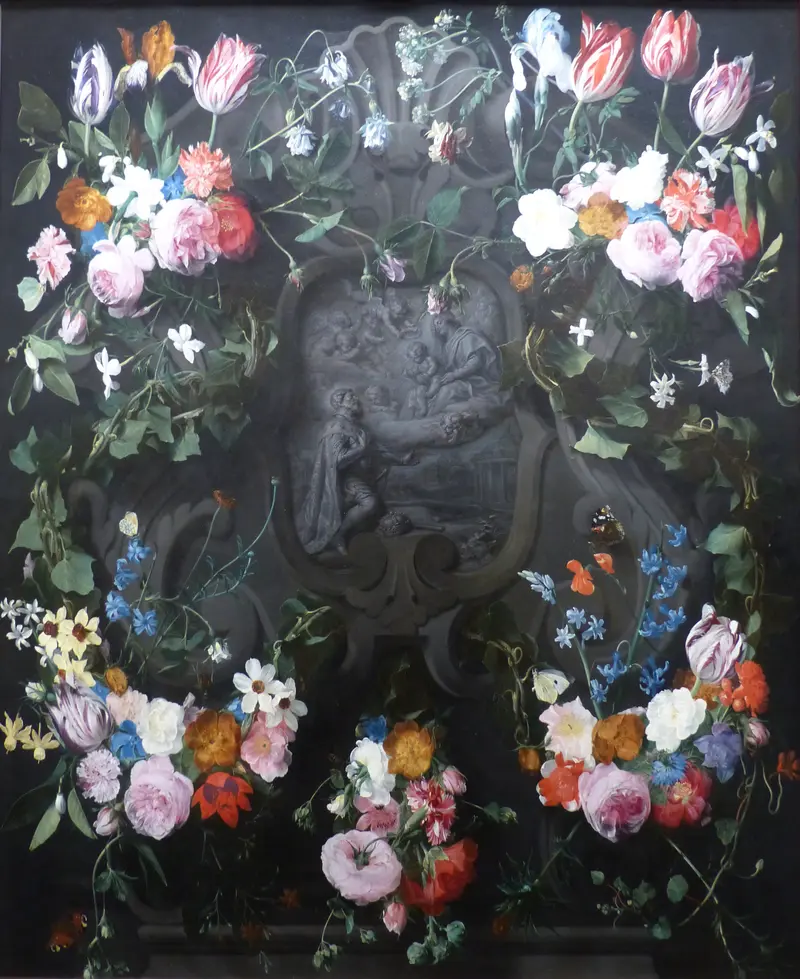
Guirlande de fleurs avec l'apparition de la Vierge-à-l'Enfant à St Léopold
Abraham Jansz. van Diepenbeeck
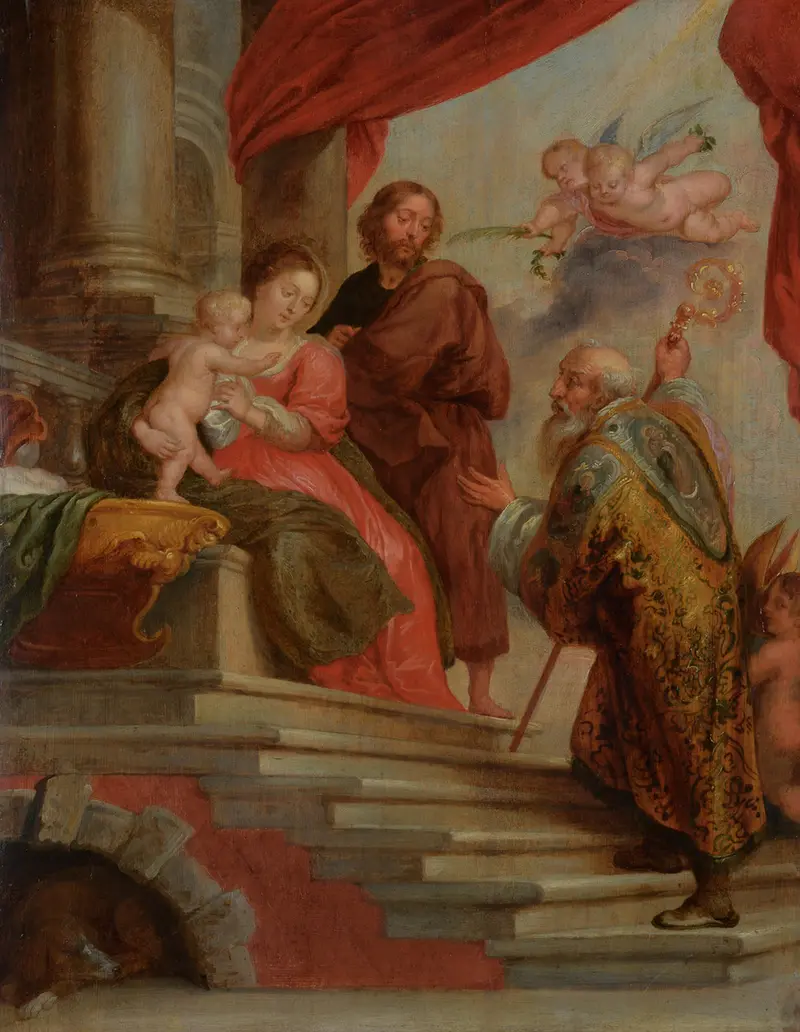
Holy family and Saint Willibrord
Abraham Jansz. van Diepenbeeck
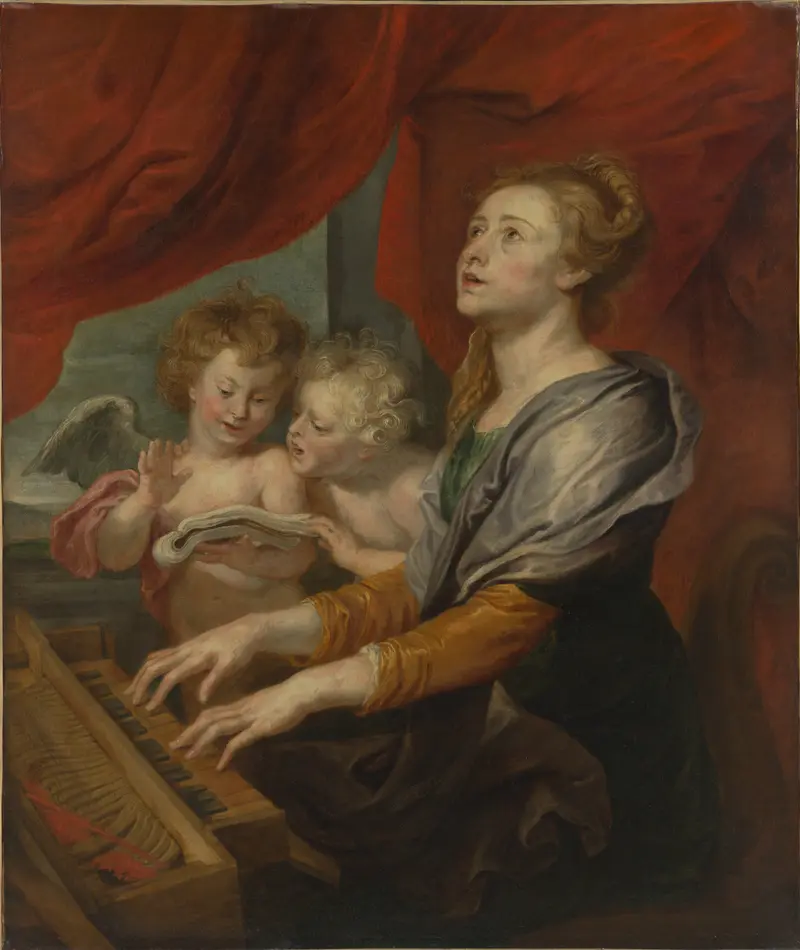
Saint Cecilia
Abraham Jansz. van Diepenbeeck
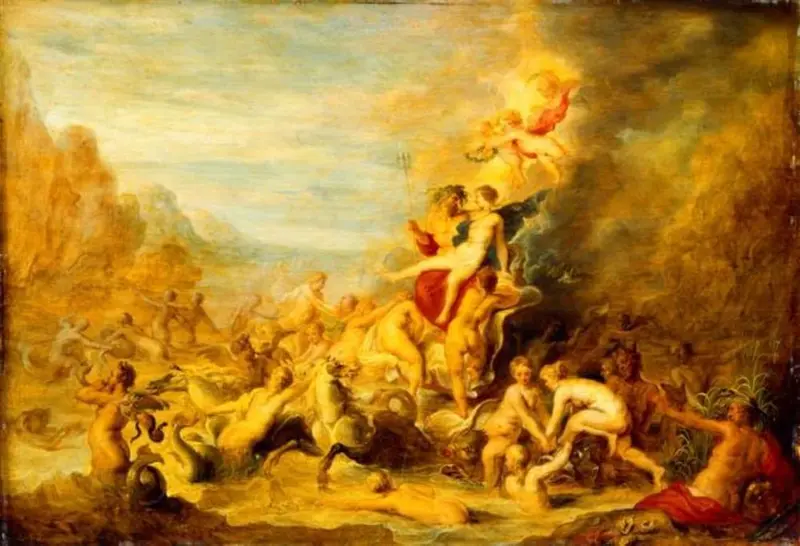
Triumph of Neptune and Amphitrite
Abraham Jansz. van Diepenbeeck
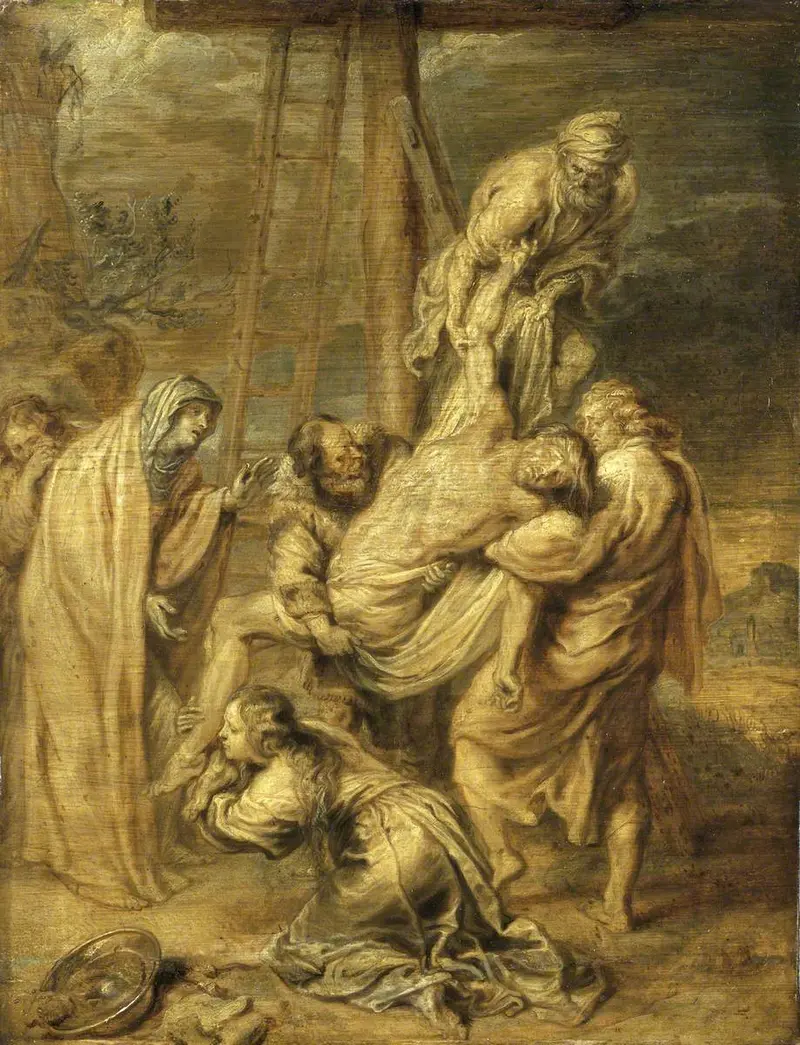
The Deposition
Abraham Jansz. van Diepenbeeck
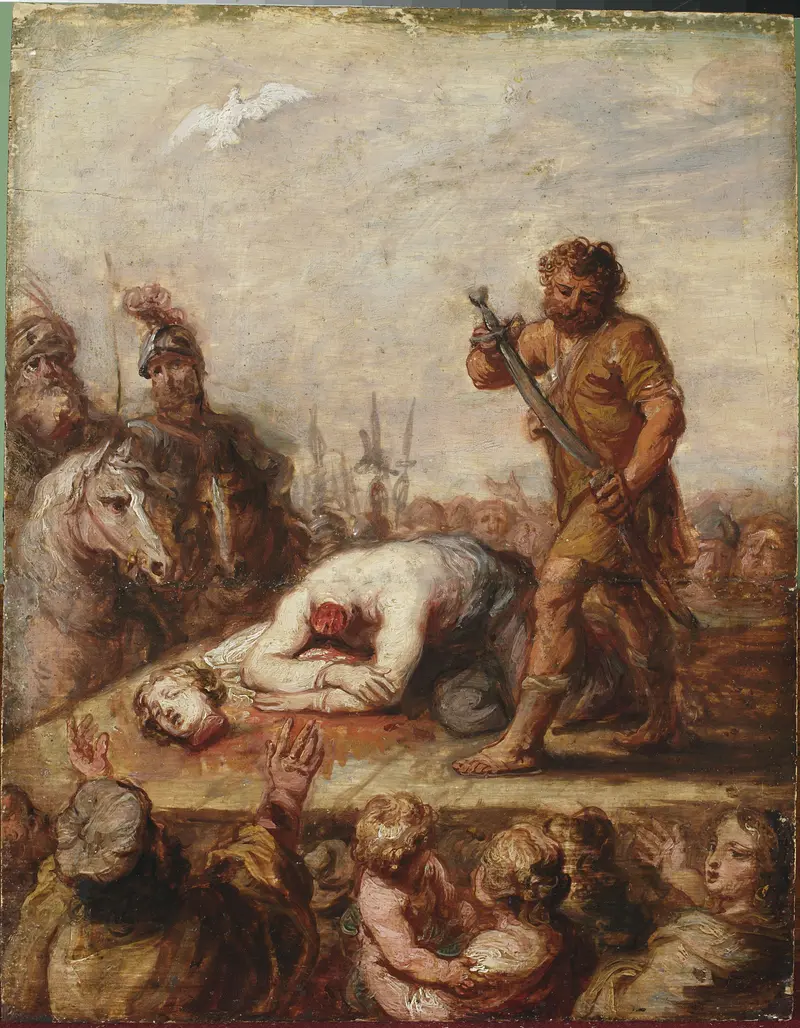
Sketch for a Decapitation of a Saint Woman (St. Catherine?)
Abraham Jansz. van Diepenbeeck
Lion Hunting
Abraham Jansz. van Diepenbeeck
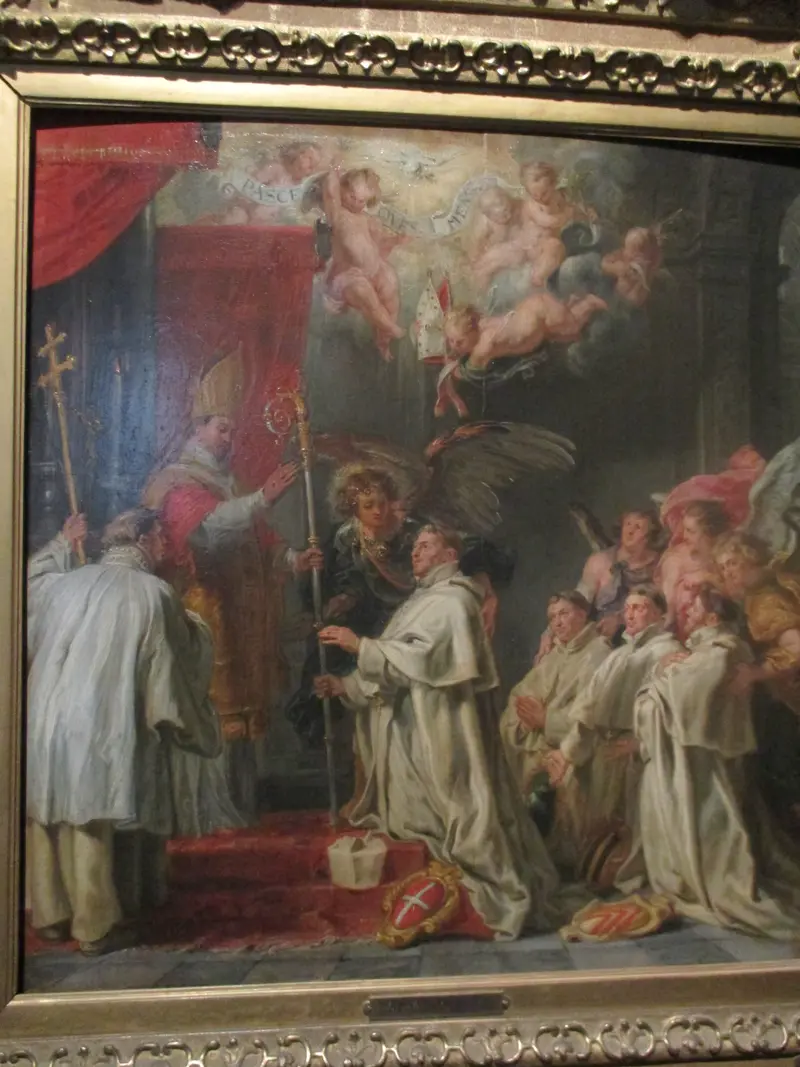
The archangel Michael supports the blessed Waltmann, who is being consecrated abbot by Saint Norbert
Abraham Jansz. van Diepenbeeck





