
The port of Antwerp. — History & Facts
What first catches the eye in The port of Antwerp is the restless energy of the brushwork, which seems to chase the changing weather across the sky and ripple through the muddy water below. The horizon sits low, giving the sky its dominance, while the spires and smokestacks of Antwerp rise in a blue-grey haze across the river. The masts of ships echo these verticals, but they are rough-hewn and skeletal, suggesting a port in motion rather than at rest.
The foreground is a tangle of earth and grass, painted with a quick, almost impatient hand—a reminder that the city’s grandeur is rooted in the muddy banks and working docks. The palette is subdued, but every stroke feels alive with the damp air and the sense of a place on the edge of change. Painted in 1889, this work belongs to a moment when European artists were increasingly drawn to the industrial life of ports and cities, fascinated by the collision of old and new. Though little is recorded about this specific painting by Albert Gottschalk, scenes like this were often made for collectors eager to capture the spirit of a modernizing world.
The port of Antwerp, one of the continent’s busiest harbors, became a symbol of progress and exchange, its skyline marked by both medieval towers and the smoke of steamships. Today, the painting is held in the collection of bruun-rasmussen.dk, a reminder of how even minor works can offer a window onto the shifting landscapes of the late nineteenth century. Look again at the brushwork: it is not just a record of a place, but of a world in motion.
More Artworks by Albert Gottschalk
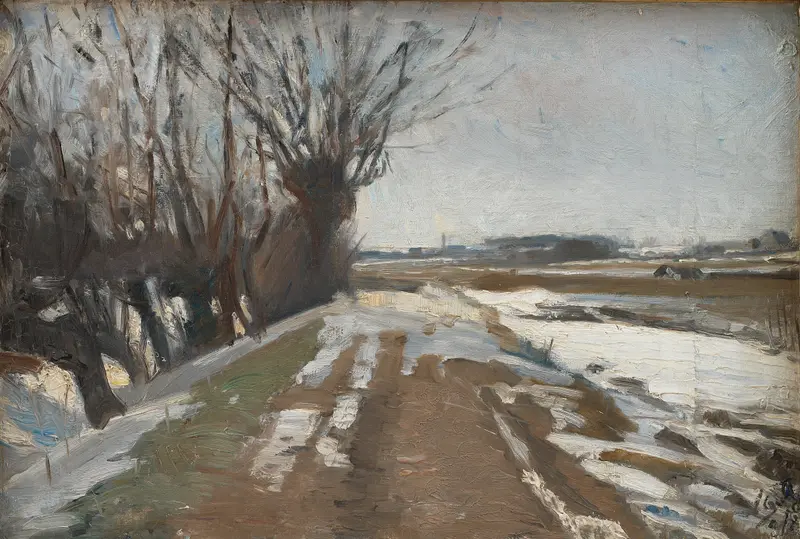
Winter Landscape. Utterslev near Copenhagen
Albert Gottschalk
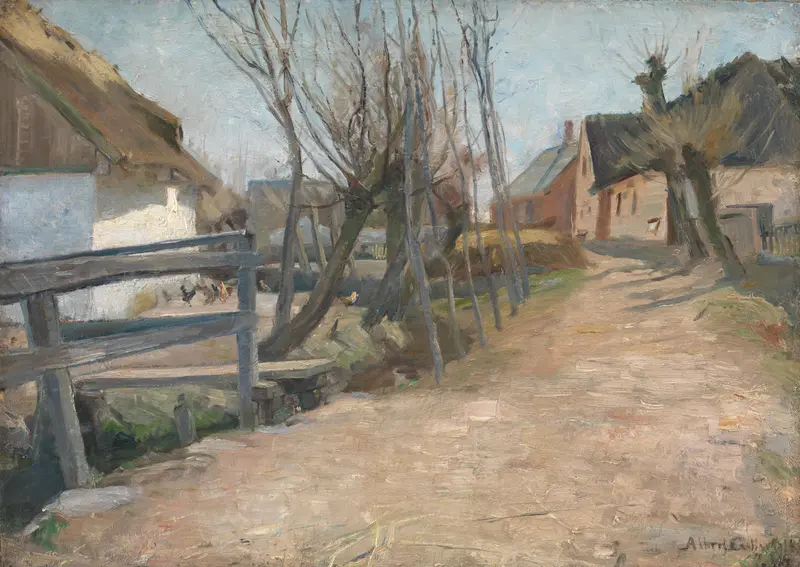
Tidlig forårsdag i Glostrup
Albert Gottschalk
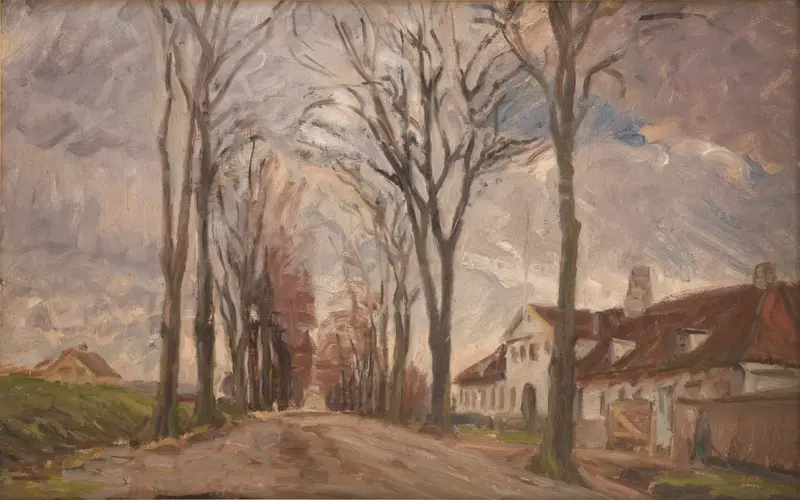
Lyngbyvejen ved Vintappergården
Albert Gottschalk
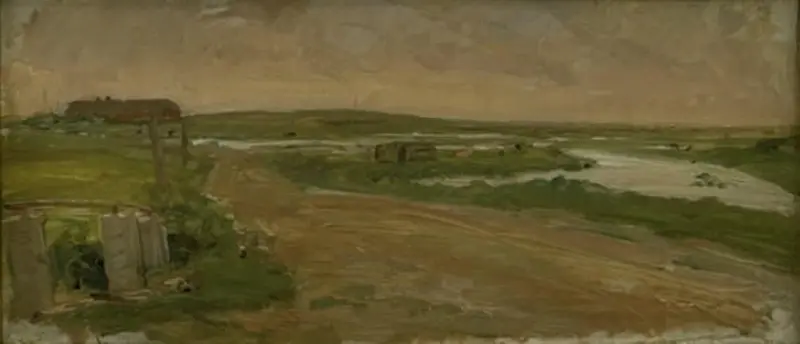
Vestjysk landskab. Holmsland
Albert Gottschalk
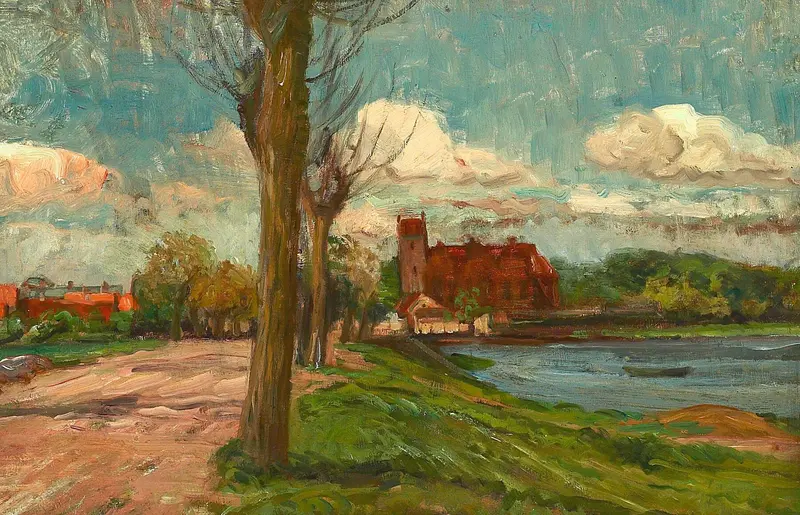
A road leading to a small town with a church.
Albert Gottschalk
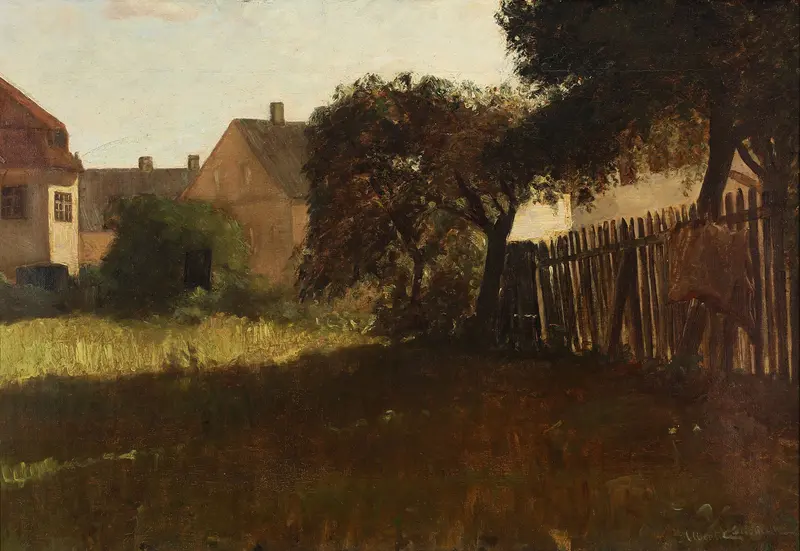
A summer day in a Garden in Vesterbro, Copenhagen
Albert Gottschalk
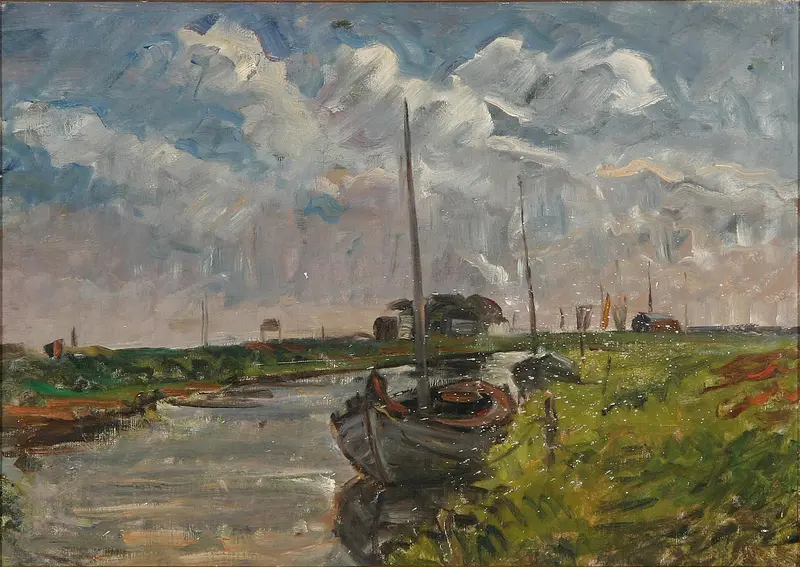
A canal with a boat.
Albert Gottschalk
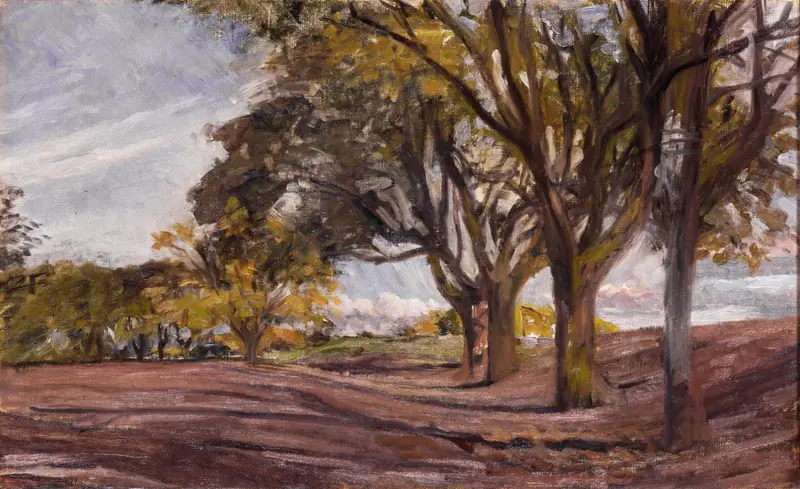
Chestnut Avenue at the Hermitage.
Albert Gottschalk
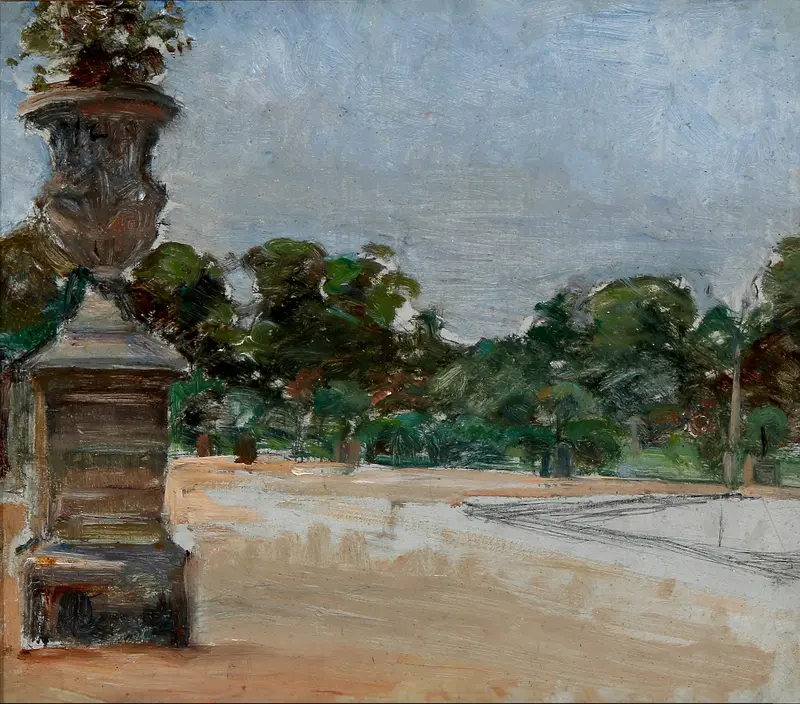
From the Tuileries Garden in Paris
Albert Gottschalk
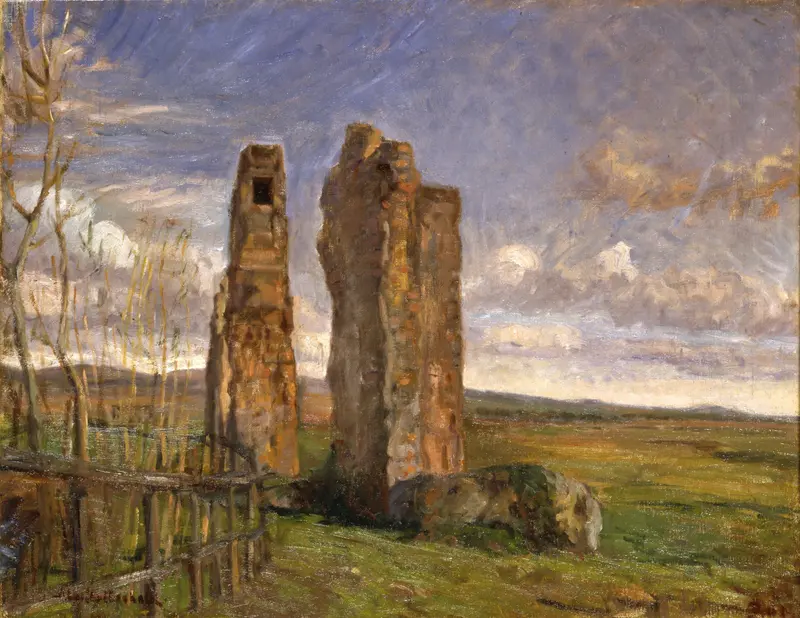
Ruins in Campagna
Albert Gottschalk





