
The Researchers: Left Part with Playing children — History & Facts
What first seizes the eye in this section of The Researchers: Left Part with Playing children is the way Edvard Munch lets the figures dissolve into their own gestures, as if the very act of play is melting their outlines. The children, rendered in restless, looping lines, seem to pulse with movement—one bends low, another stretches forward, their limbs echoing the rolling surf and the pale, unfinished sky behind them. The palette is quick and light, with washes of peach and blue that suggest both the warmth of flesh and the coolness of water, blurring the boundary between body and landscape.
In the background, ghostly yellow figures drift at the water’s edge, their forms barely anchored, as if memory itself is at play. Munch’s brushwork here is urgent, almost impatient, capturing the fleeting, half-remembered quality of childhood afternoons. Painted in 1910 and now housed in the Munch Museum, this work belongs to a period when artists across Europe were rethinking the very purpose of painting—no longer just to record, but to probe the inner life. In Norway, Munch was at the forefront of this shift, using his canvases to explore the psychological undercurrents of daily existence.
The loose, unfinished quality of this panel speaks to the era’s fascination with process and the unseen, as if the painting is a living thing, still in the act of becoming. While history has kept few traces of this particular work’s journey, its presence in the museum today invites us to linger in its ambiguity, searching for the stories that flicker at the edge of recognition.
More Artworks by Edvard Munch

The Scream
Edvard Munch

The Scream (1910 version)
Edvard Munch

Despair
Edvard Munch

The Day After
Edvard Munch
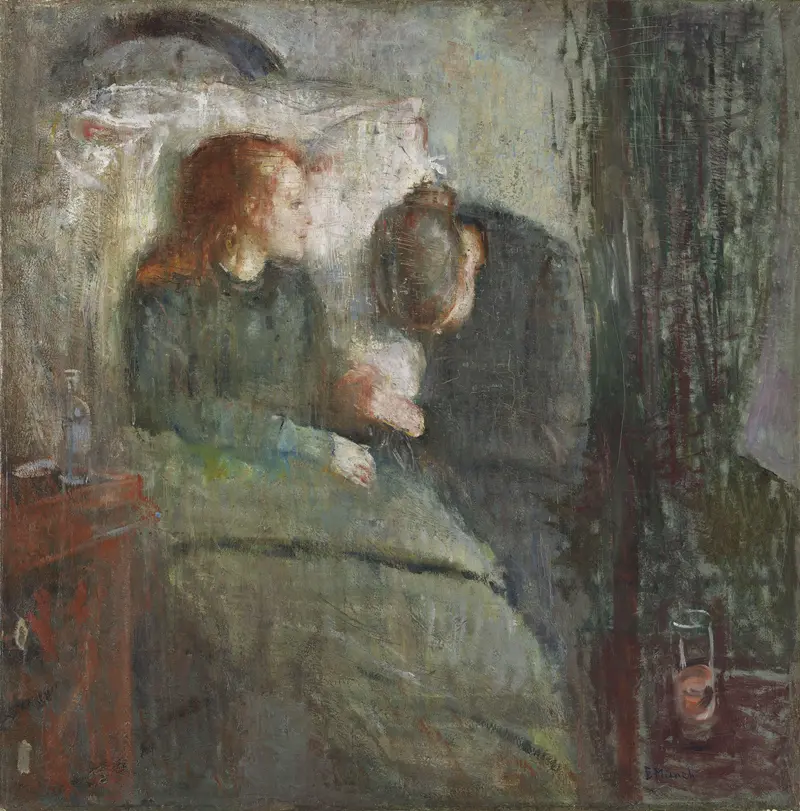
The Sick Child
Edvard Munch
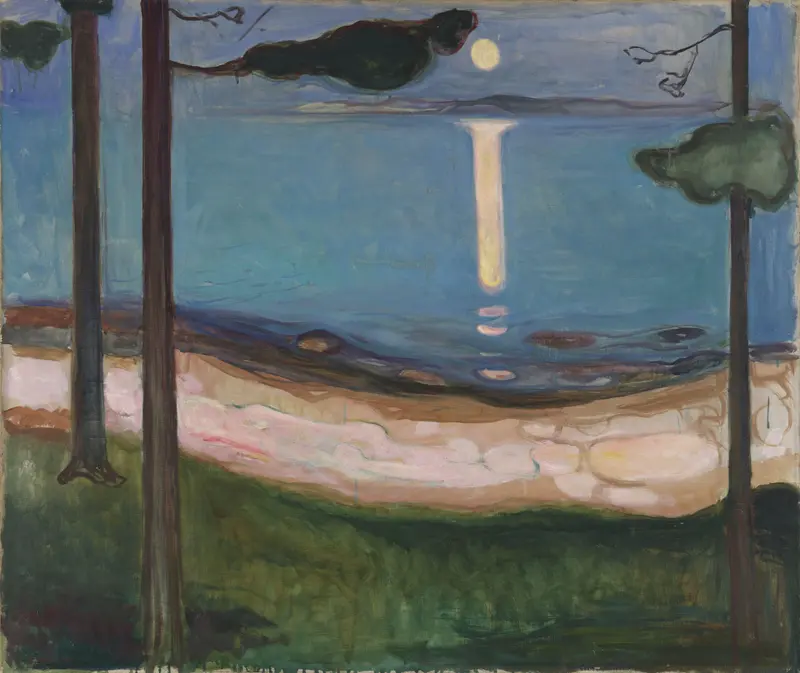
Moonlight
Edvard Munch
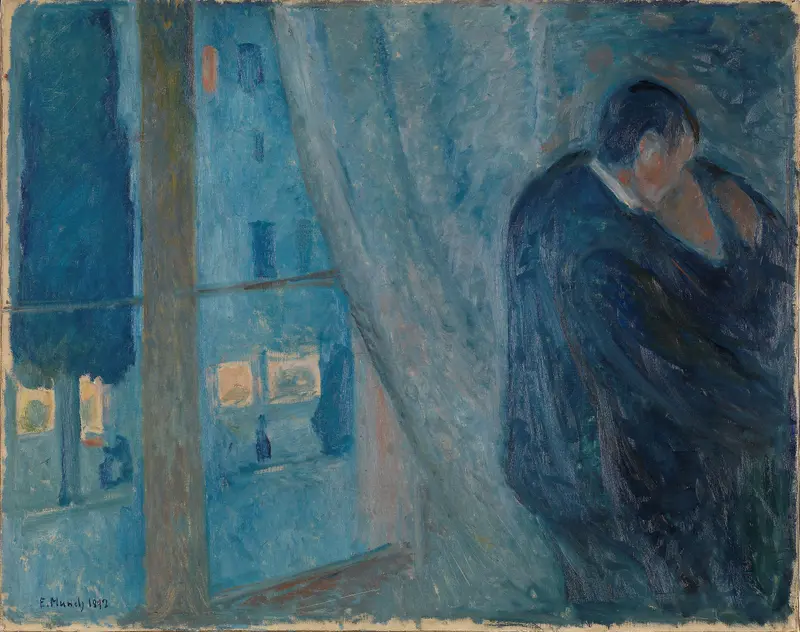
The Kiss
Edvard Munch
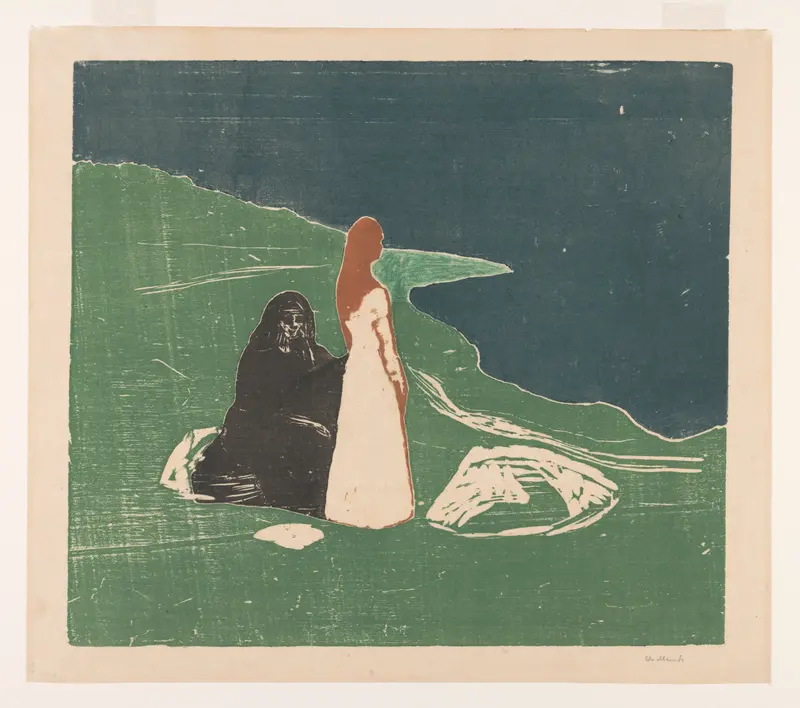
Two Women on the Shore
Edvard Munch
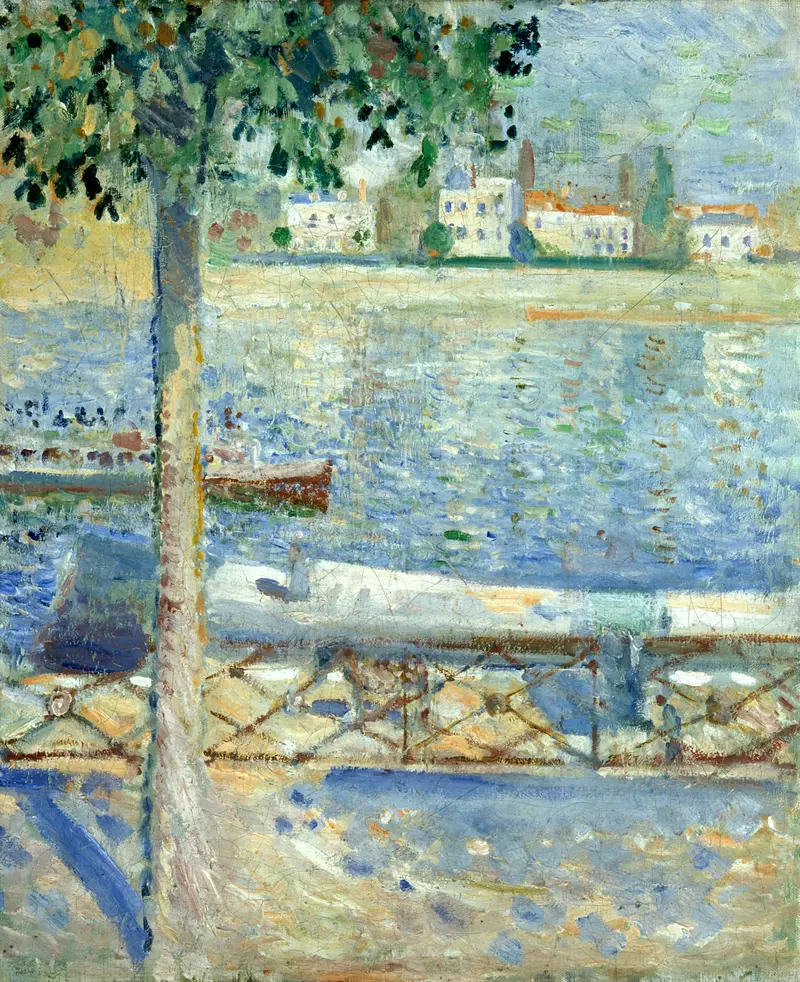
The Seine At Saint-Cloud
Edvard Munch
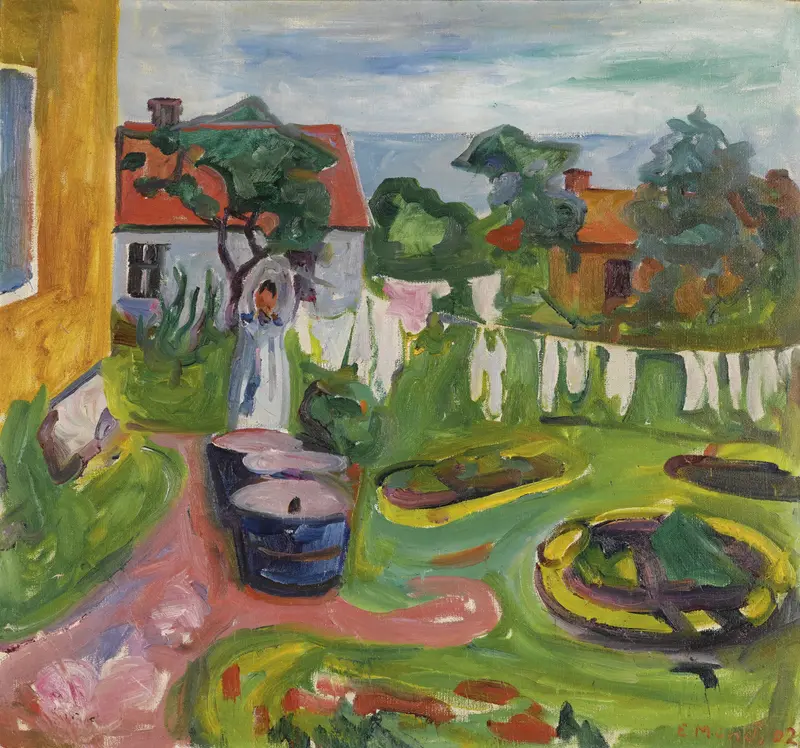
Klestørk I Åsgårdstrand (Clothes On A Line In Åsgårdstrand)
Edvard Munch
More Genre Scene Art

Banquet of the Officers of the St George Civic Guard
Frans Hals

Rembrandt and Saskia in the Scene of the Prodigal Son
Rembrandt van Rijn

Bal du moulin de la Galette
Pierre-Auguste Renoir

Quadrille at the Moulin Rouge
Henri de Toulouse-Lautrec

A Burial at Ornans
Gustave Courbet

When Will You Marry?
Paul Gauguin