
The rest in the deciduous forest — History & Facts
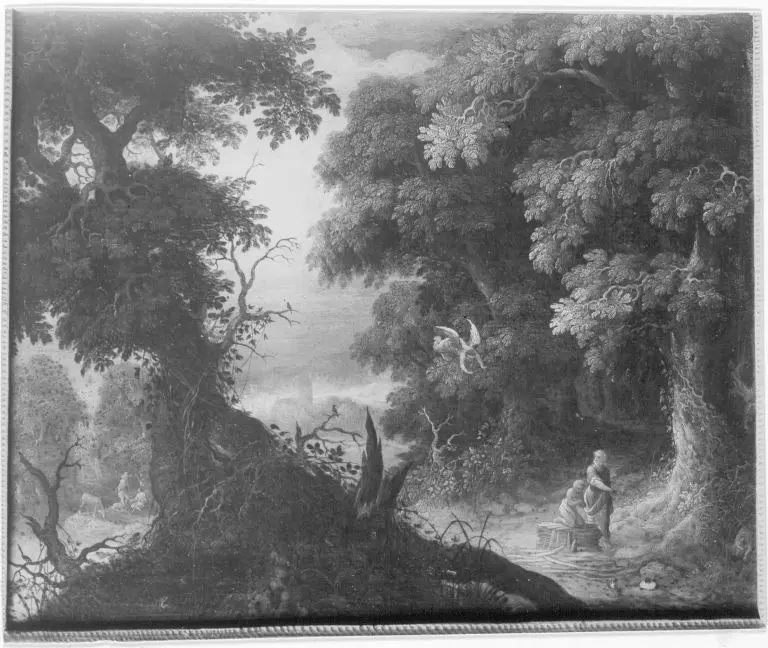
The first thing that draws the eye in The rest in the deciduous forest is the sheer scale of the trees, their trunks and tangled roots dwarfing the human figures gathered below. Light pools gently on the clearing where a group has paused, their gestures and clustered forms suggesting a moment of conversation or quiet respite. The forest itself is rendered with a loving attention to detail: every twist of bark and spray of leaves seems to pulse with life, while the distant stag at the water’s edge offers a silent counterpoint to the human presence.
The artist leads the viewer’s gaze from the foreground’s wild tangle, through the shaded glade, and out toward the sunlit horizon, where a faint settlement hints at a world beyond the trees. Works like this by Abraham Govaerts belong to a tradition of early seventeenth-century Flemish landscape painting, where the forest becomes both subject and stage. Such paintings were often prized by collectors for their ability to evoke the richness of nature and the pleasures of rural escape, at a time when cities were swelling and wild places receding. Little is recorded about the commission or early history of this particular work, now in the collection of the Staatliche Museen zu Berlin, but its careful composition and atmospheric depth speak to the era’s fascination with the interplay of man and nature.
The longer you look, the more the forest seems to open, inviting you to step quietly into its shade.
More Artworks by Abraham Govaerts

Forest landscape
Abraham Govaerts
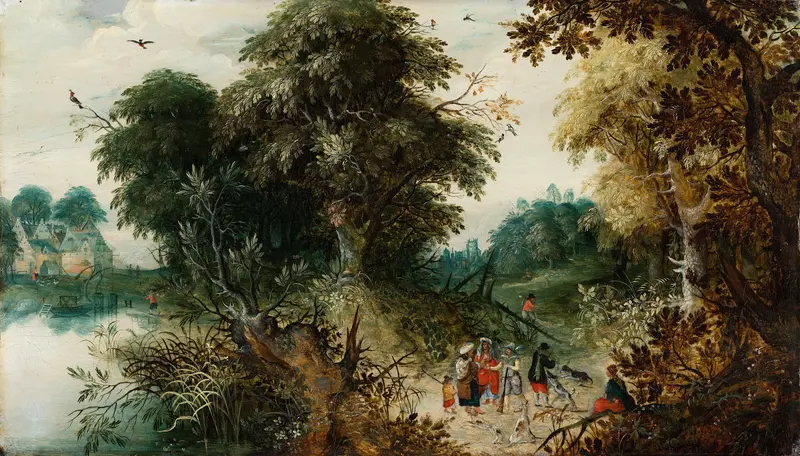
Forest View with Travellers
Abraham Govaerts
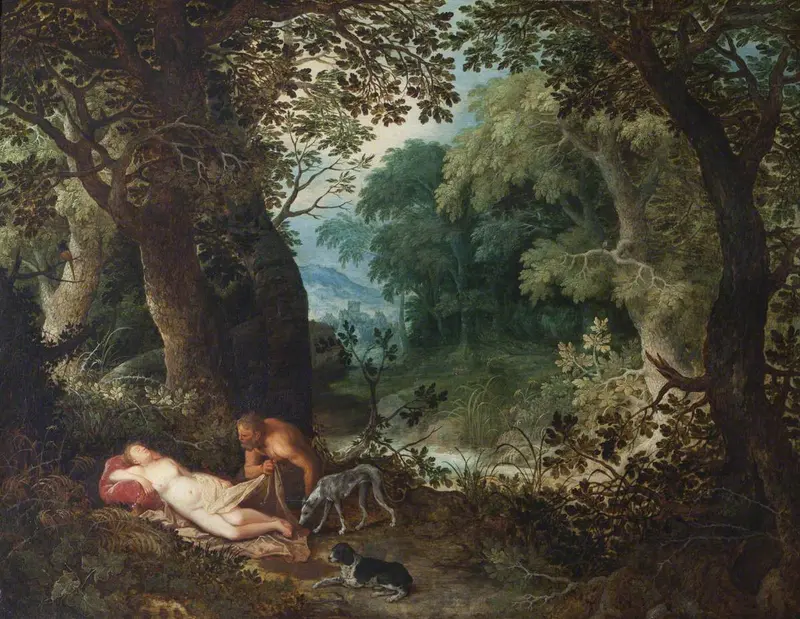
A Nymph and a Satyr
Abraham Govaerts
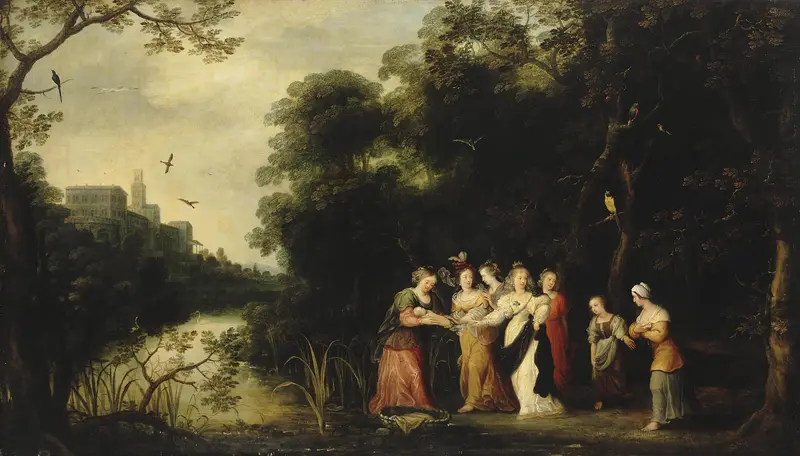
Finding of Moses
Abraham Govaerts
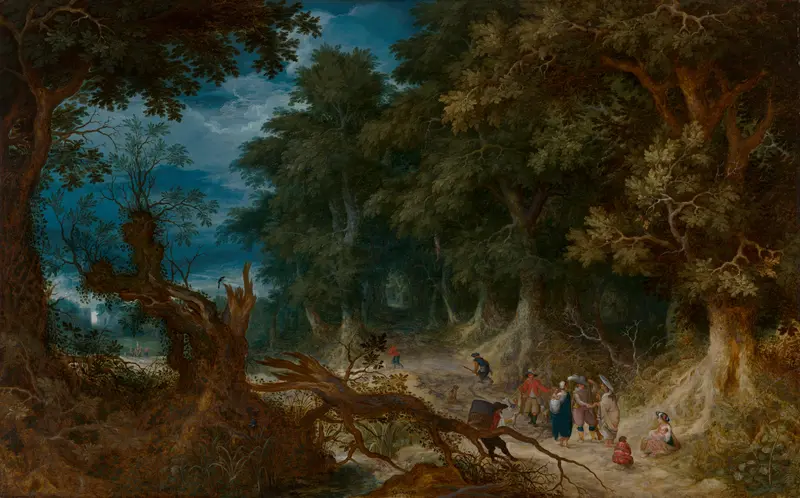
Wooded Landscape with Gipsy Women
Abraham Govaerts
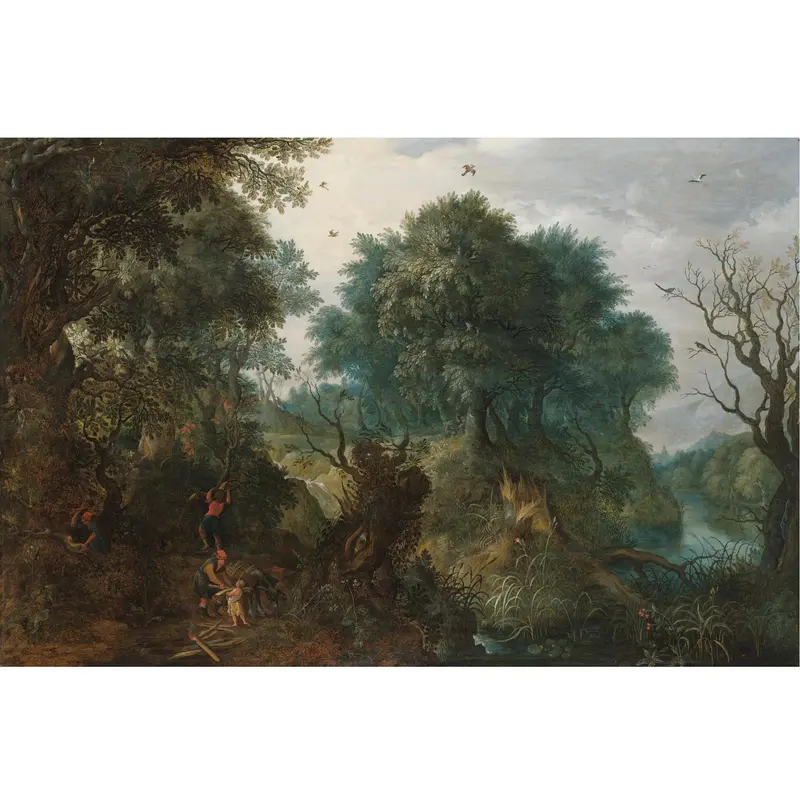
A Wooded Landscape with Woodcutters near a River
Abraham Govaerts
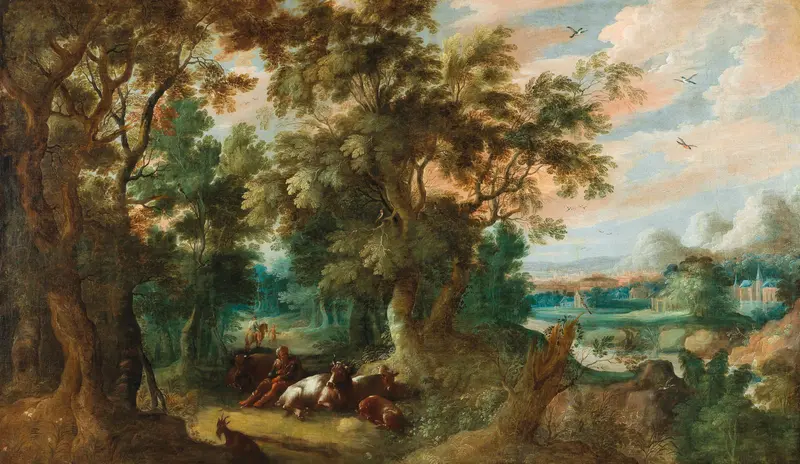
Wooded landscape with shepherds and their flock
Abraham Govaerts
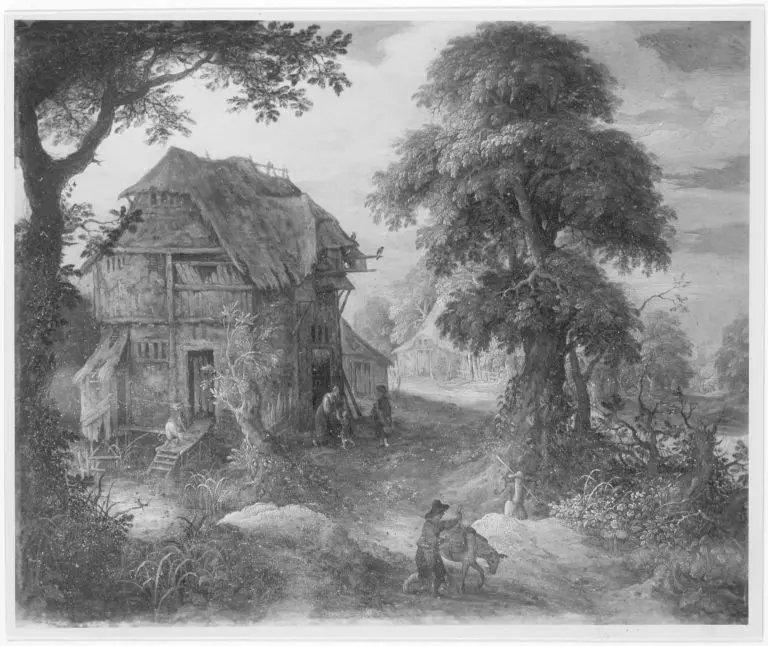
Dorf unter Bäumen
Abraham Govaerts
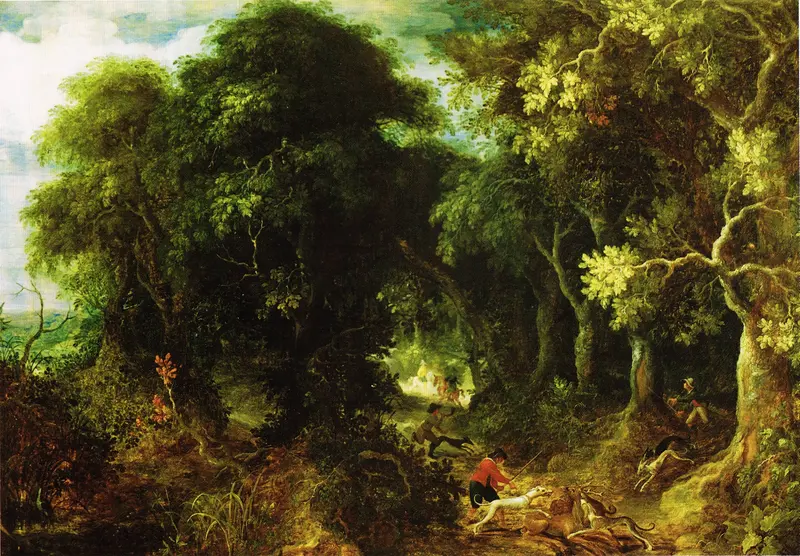
The Eternal Forest / Deer hunting
Abraham Govaerts
Wooded landscape with the sacrifice of Isaac (Genesis 22)
Abraham Govaerts
More Landscape Art

The Starry Night
Vincent van Gogh

View of Delft
Johannes Vermeer

Water Lilies
Claude Monet

The Grand Canal, Venice, looking north-west from the Ca' Corner to the Ca' Contarini degli Scrigni, with the campanile of Santa Maria della Carità
Canaletto

Windsor Castle
Canaletto

The Grand Canal looking North-East from the Palazzo Dolfin-Manin to the Rialto Bridge
Canaletto