The Rhine at Assmannshausen — History & Analysis
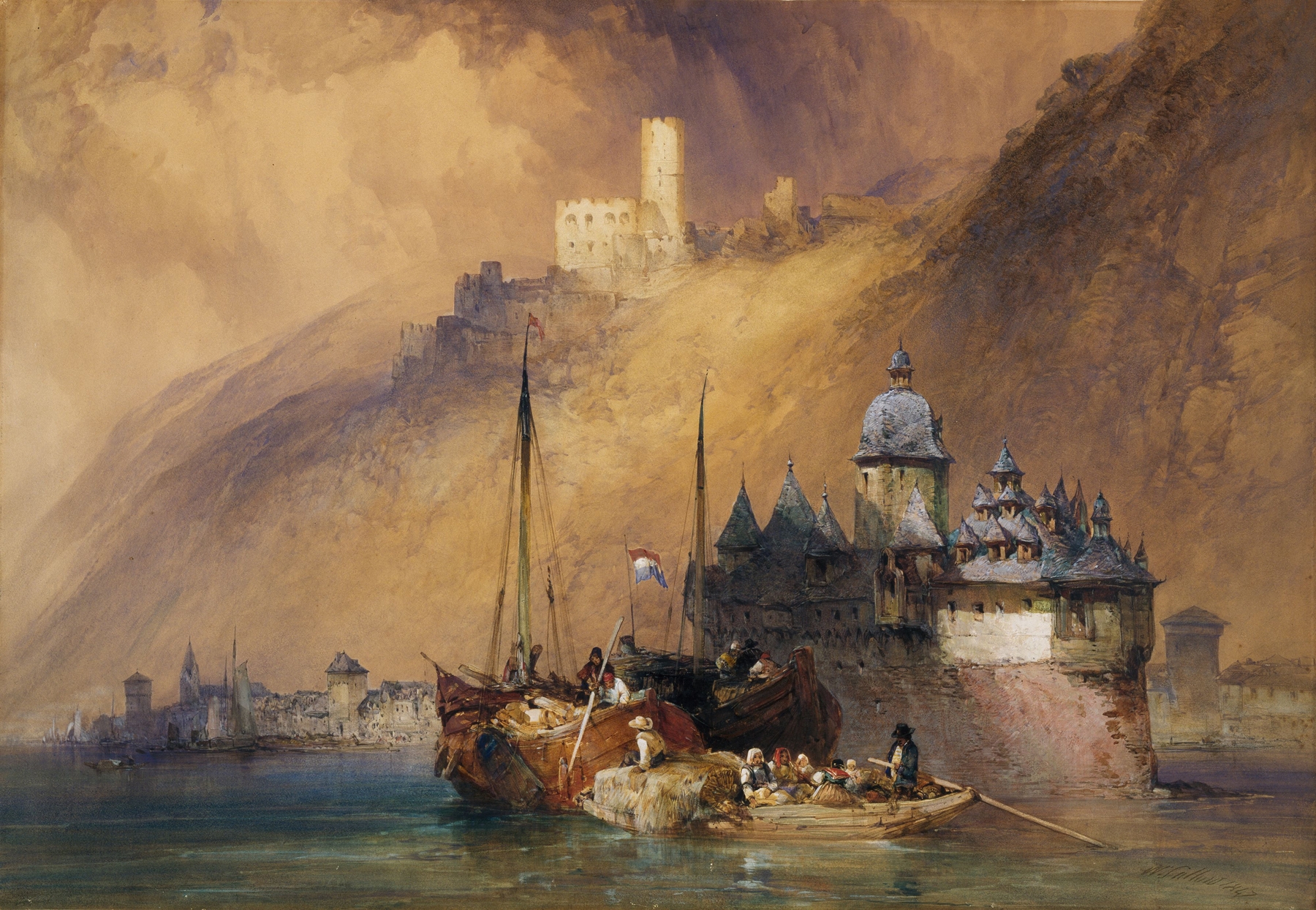
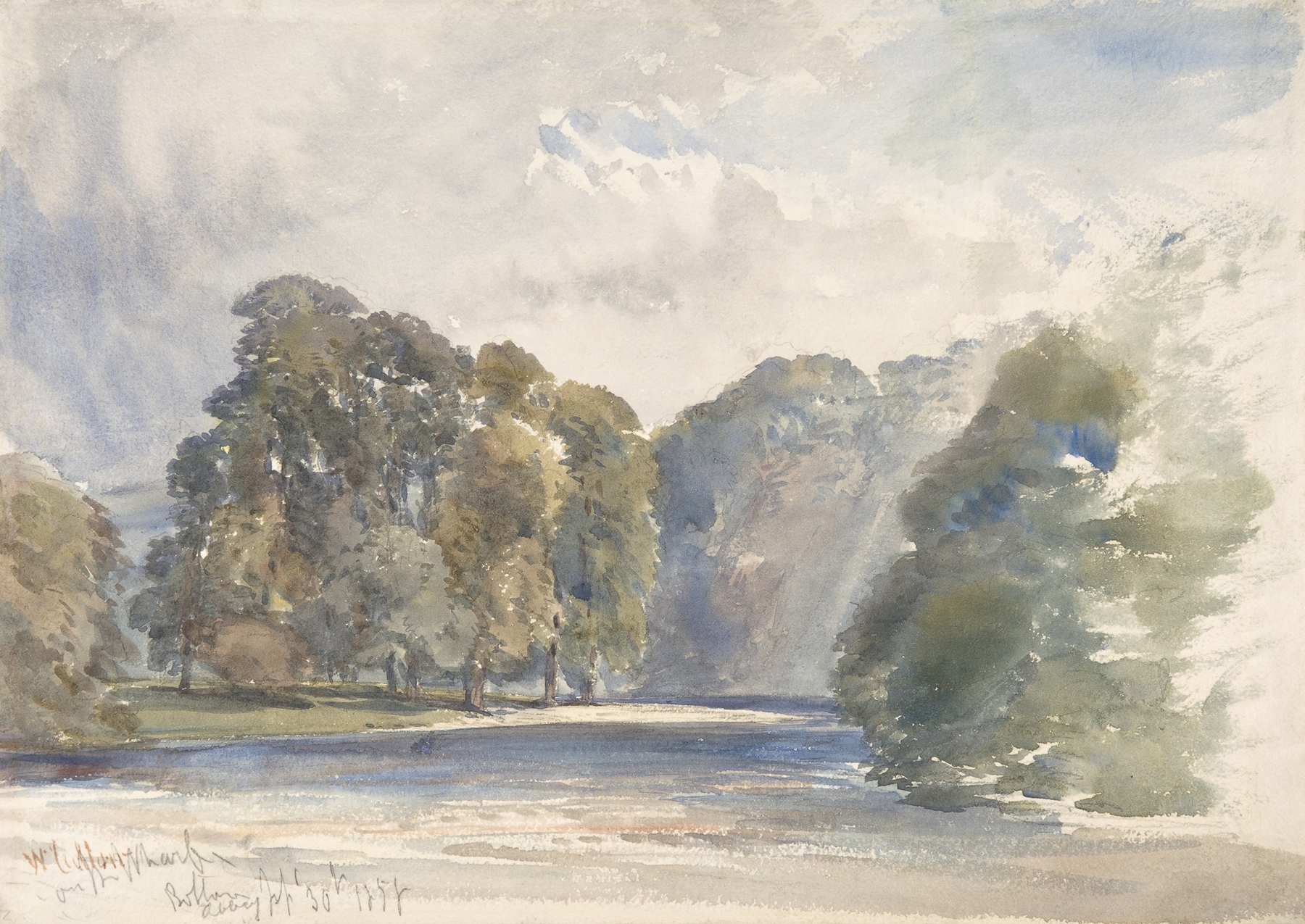
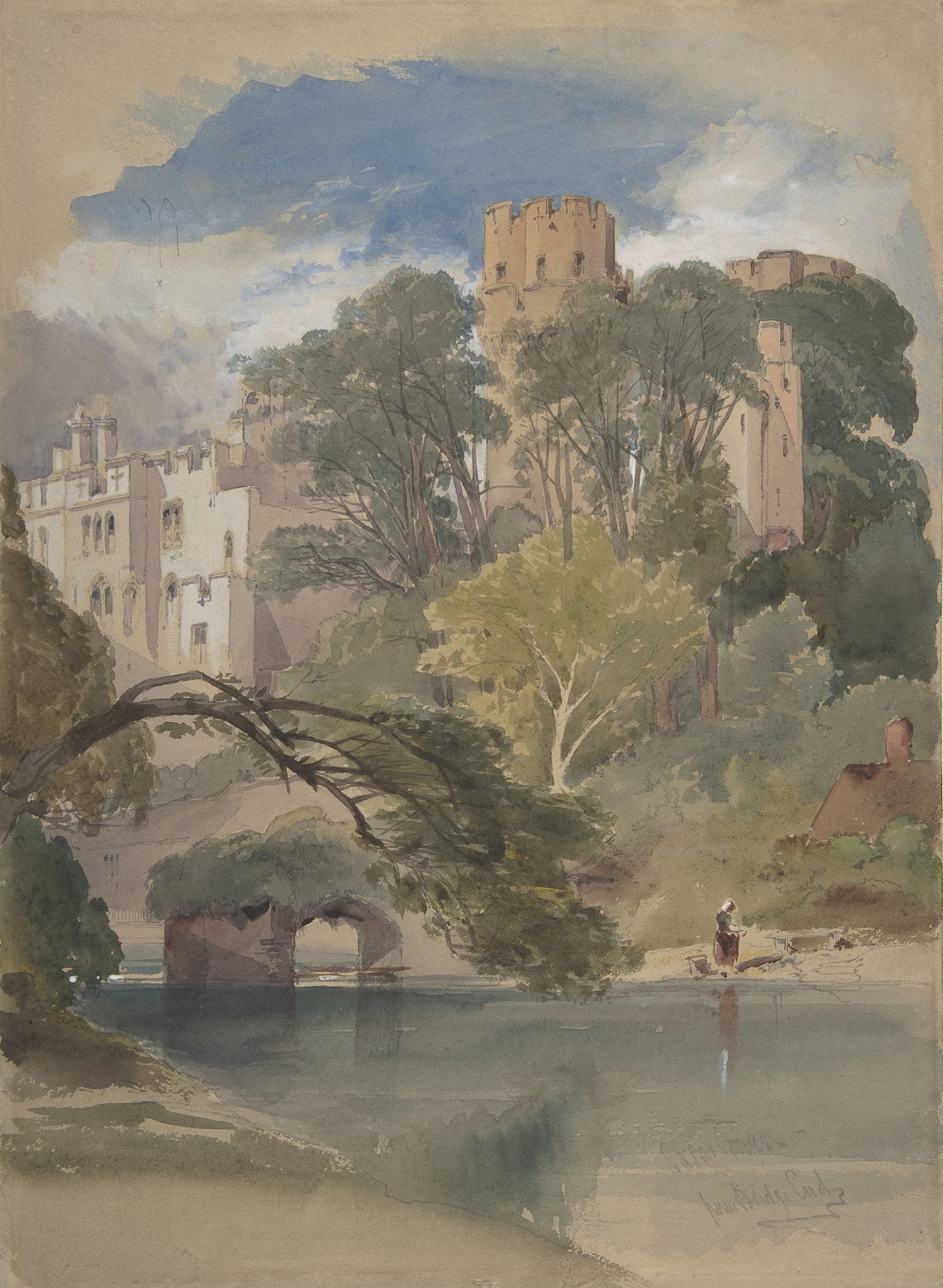
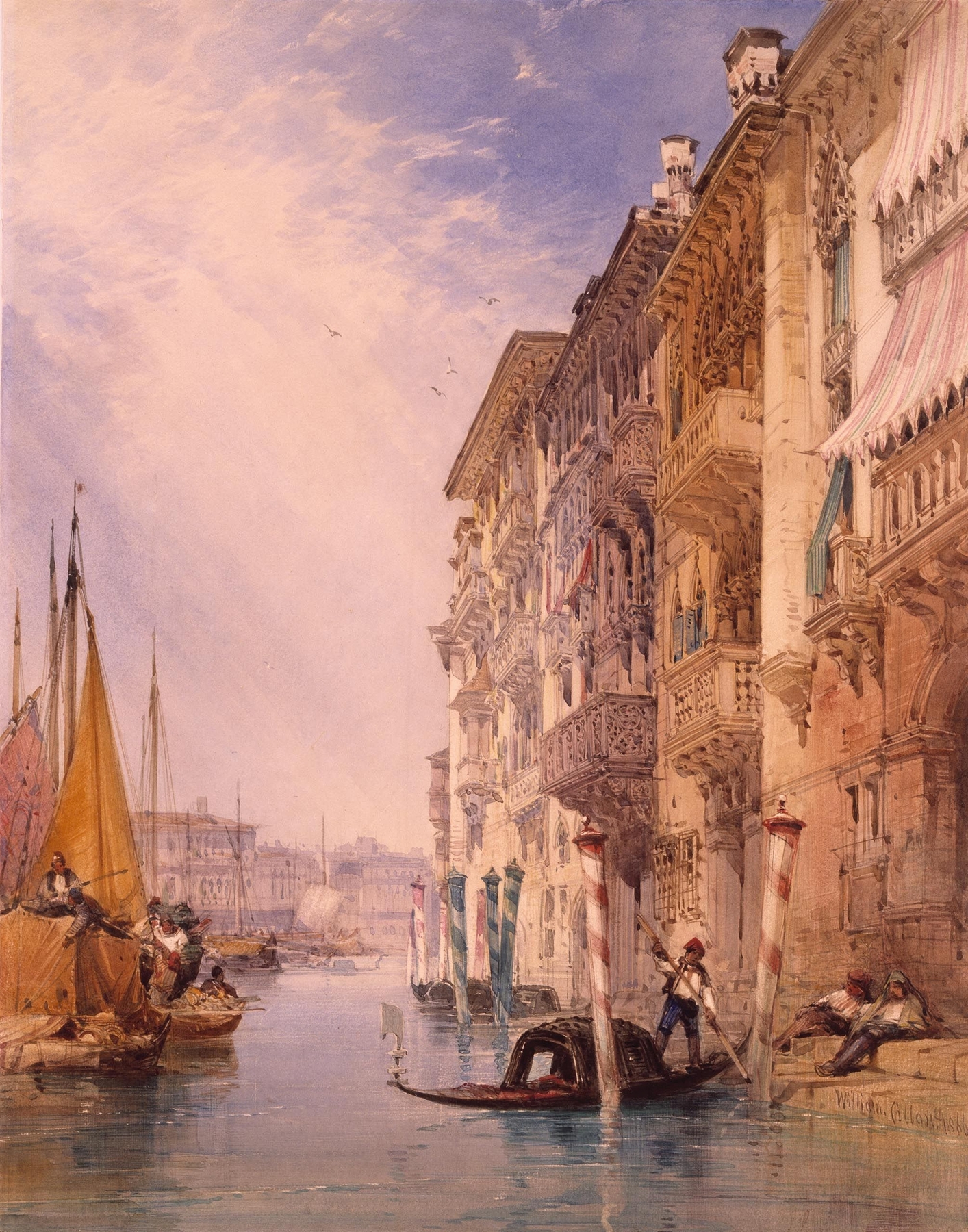
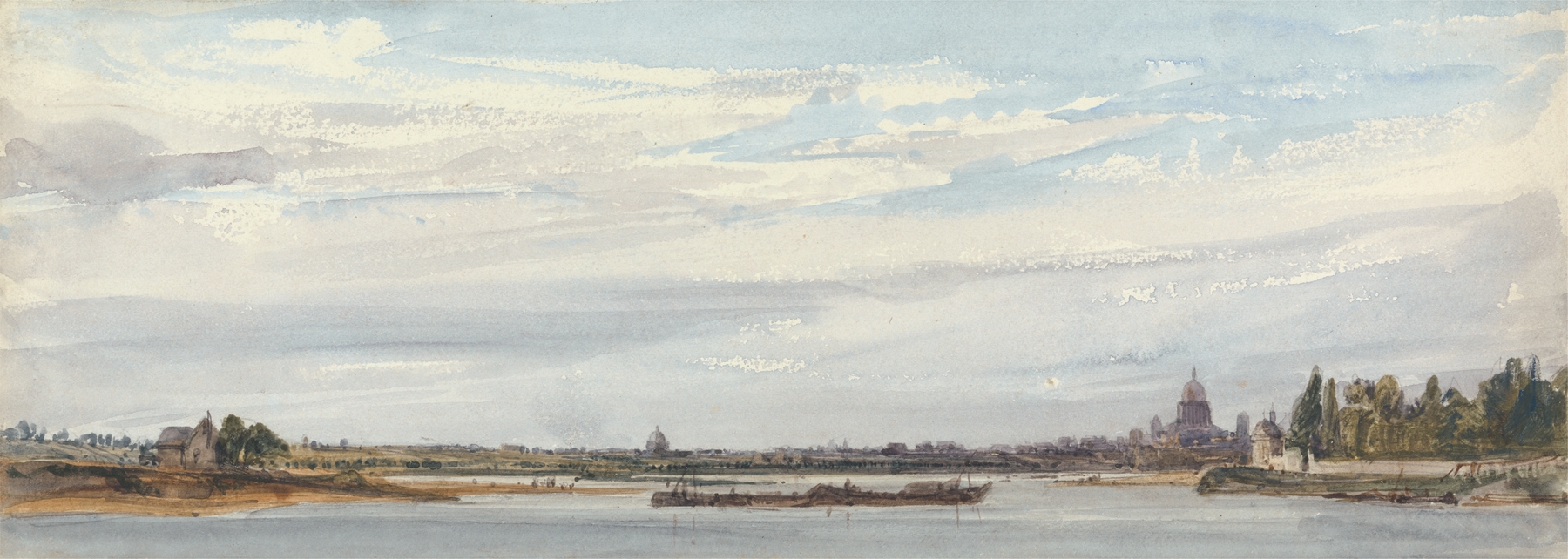
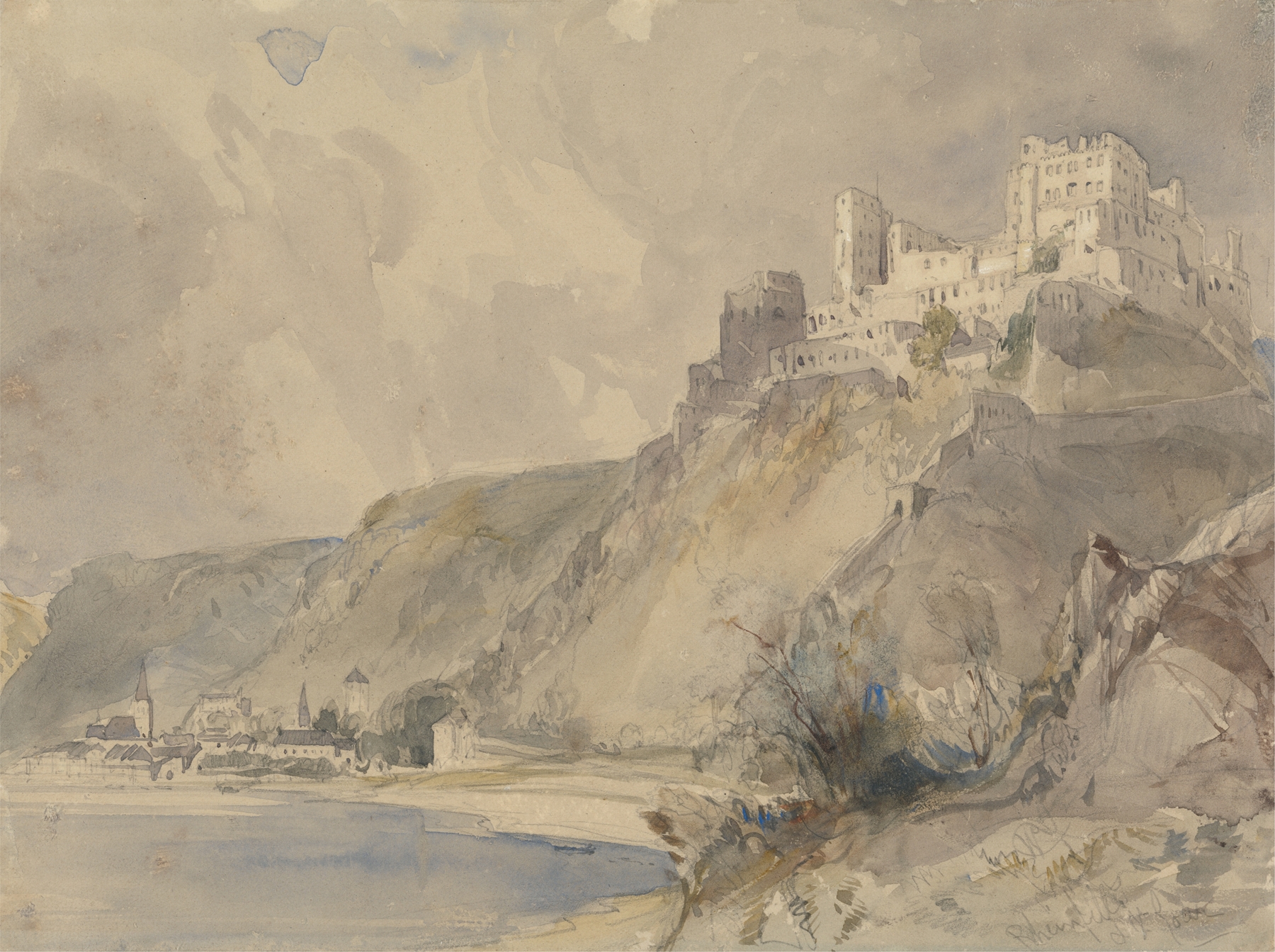
Did the painter know this moment would outlive them? A fleeting glimpse of nature captured in time, yet it resonates with the echoes of awakening. Here, light and shadow collide, inviting contemplation and reverie across the undulating landscape. Look to the left at the gently rippling waters of the Rhine, painted with delicate brushstrokes that suggest both movement and tranquility.
Notice how the sun breaks through the clouds, casting shimmering reflections on the surface and illuminating the verdant hills beyond. The rich greens and earthy tones blend harmoniously, while touches of warm yellows and deep blues bring the scene to life, drawing the viewer's gaze toward the horizon, where sky meets earth in an embrace. The composition elegantly balances serenity and dynamism; the river flows like a heartbeat, a symbol of continuity amidst the stillness. In the foreground, the rugged rocks suggest permanence, while the distant figures of travelers hint at the transient nature of life and experience.
The contrast between the natural landscape and the human presence captures the essence of awakening—a moment suspended in time, where the viewer is invited to reflect on their own journey through the world. In 1863, the artist worked in England, a period marked by a burgeoning appreciation for landscapes in the art world. The effects of the Industrial Revolution were palpable, yet Callow sought solace in the tranquility of nature. This painting reflects both the personal exploration of the sublime and the broader romantic ideals of the era, encapsulating a moment of connection with the environment that transcends time.