
The Shepherdess — History & Facts
Few paintings by Jean-Honoré Fragonard are as enigmatic as The Shepherdess, a work whose date—1750—places it among the artist’s earliest known efforts, likely painted when he was not yet twenty. The painting’s medium remains uncertain, and its provenance is shrouded in mystery, with no surviving records of its first owner or commission. What is certain is that The Shepherdess stands as a rare glimpse into Fragonard’s formative years, before his rise as a celebrated figure of the Rococo movement.
The work’s youthful freshness and intimate scale have led some scholars to speculate it may have been painted for a private patron or as a study rather than a formal commission. A young woman, dressed in rustic finery, pauses in a sunlit meadow, her gaze lowered as she cradles a lamb in her arms. Fragonard chooses a moment of quiet reflection rather than pastoral labor, inviting the viewer to share in the shepherdess’s gentle solitude. The soft, feathery brushwork and warm palette anticipate the artist’s later style, while the lamb—a traditional symbol of innocence—underscores the theme of purity.
The shepherdess’s pose, half-turned and contemplative, recalls the tender rural scenes of François Boucher, yet Fragonard’s handling is less ornamental, more direct. Light falls across her face and hands, drawing attention to her calm expression and the tactile reality of wool and skin. The subsequent history of The Shepherdess is largely undocumented, a fate not uncommon for early works by Fragonard. Without clear records of its ownership or exhibition, the painting has often been overshadowed by the artist’s more famous later compositions.
Today, it is valued as a window into the beginnings of a career that would soon flourish with exuberant scenes of love and play. The Shepherdess stands apart for its simplicity and sincerity, marking an early step on the path that would lead Fragonard to the heights of the Rococo era. Its quiet charm continues to intrigue, even as many details of its journey remain lost to history.
More Artworks by Jean-Honoré Fragonard

The Swing
Jean-Honoré Fragonard

The Swing
Jean-Honoré Fragonard

A Young Girl Reading
Jean-Honoré Fragonard

The Lock
Jean-Honoré Fragonard

The Triumph of Venus
Jean-Honoré Fragonard

A Game of Hot Cockles
Jean-Honoré Fragonard
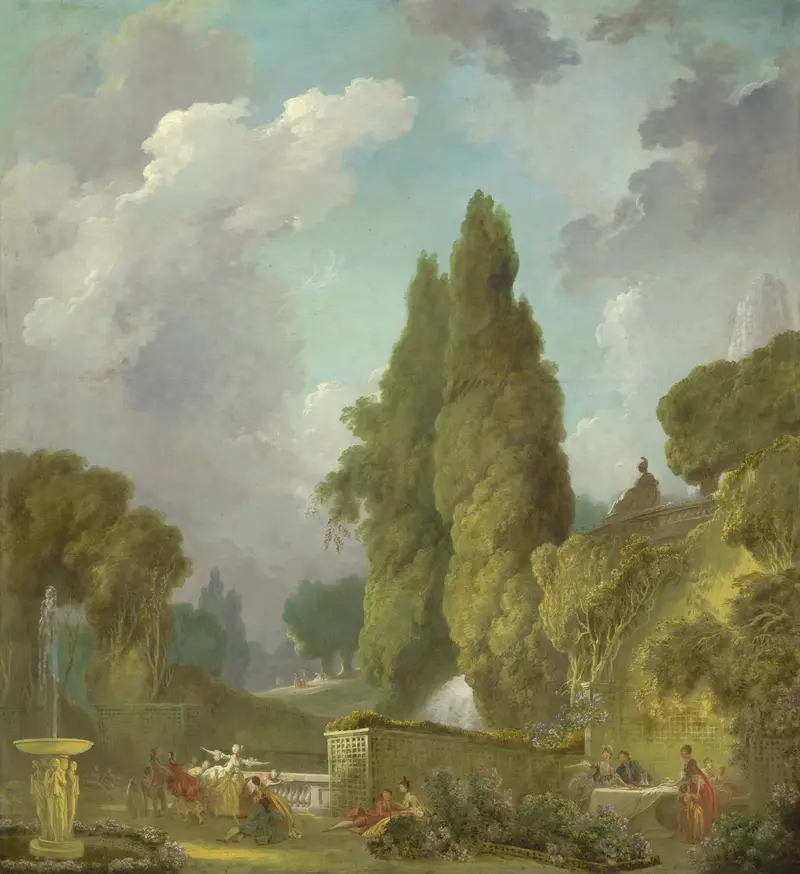
Blindman’s Buff
Jean-Honoré Fragonard
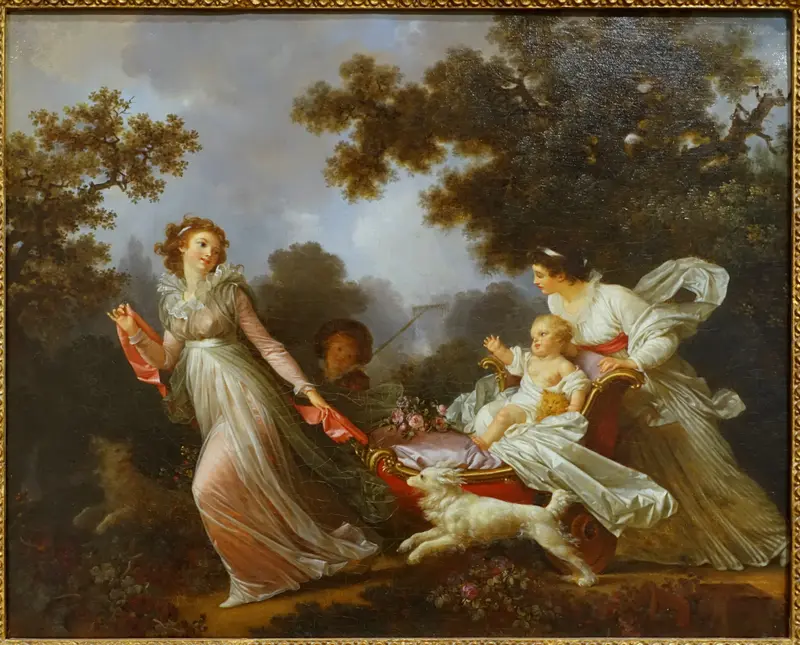
The Beloved Child
Jean-Honoré Fragonard
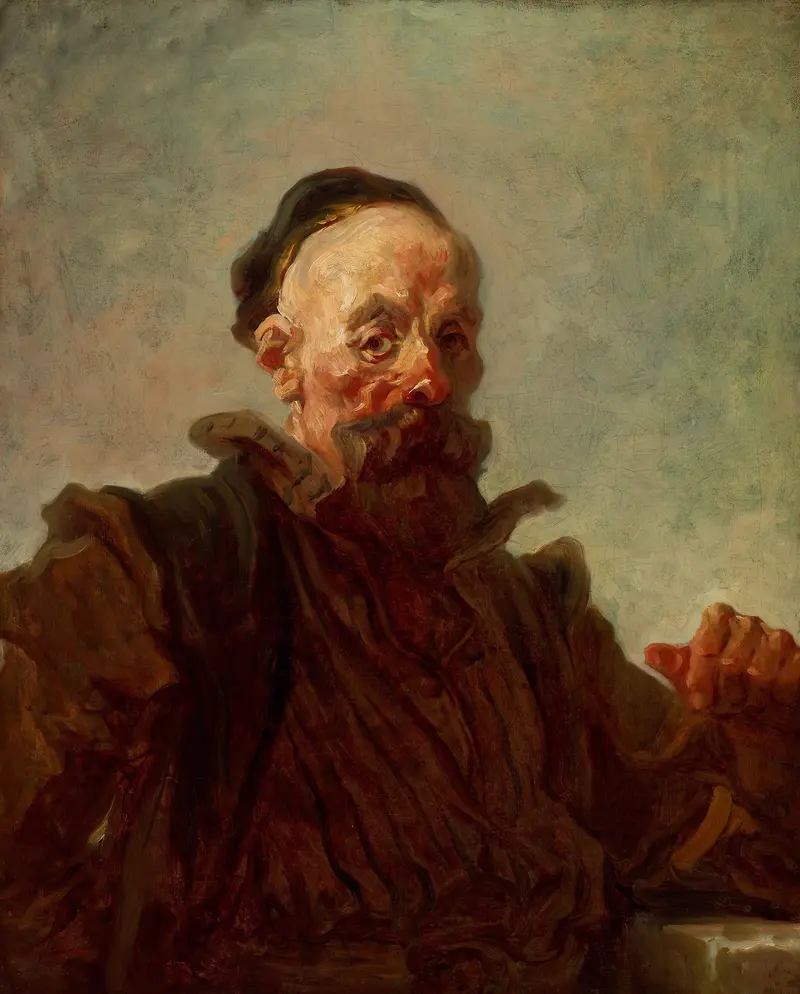
Portrait of a Man in Costume
Jean-Honoré Fragonard
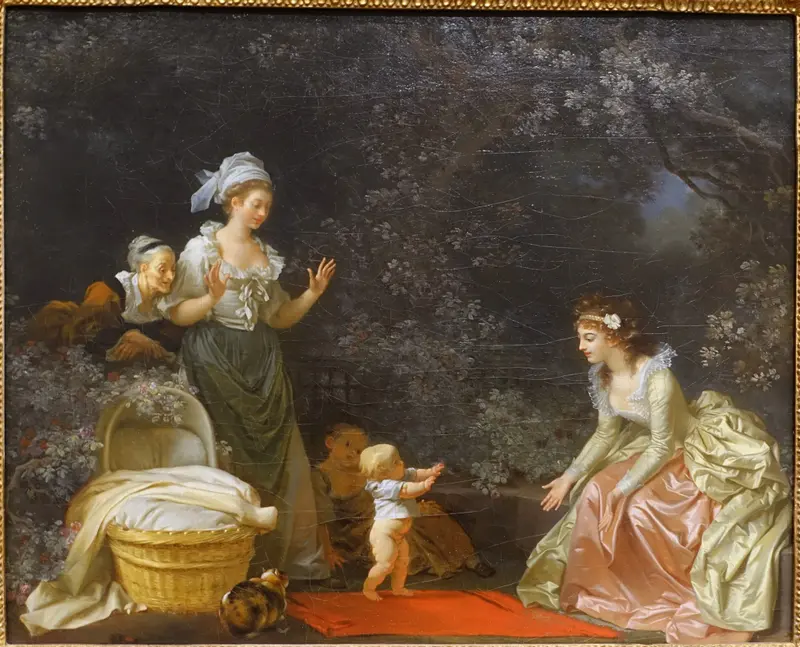
The First Steps
Jean-Honoré Fragonard
More Genre Scene Art

Banquet of the Officers of the St George Civic Guard
Frans Hals

Rembrandt and Saskia in the Scene of the Prodigal Son
Rembrandt van Rijn

Bal du moulin de la Galette
Pierre-Auguste Renoir

Quadrille at the Moulin Rouge
Henri de Toulouse-Lautrec

A Burial at Ornans
Gustave Courbet

When Will You Marry?
Paul Gauguin