
The Smoker (Königsberg) — History & Facts
In the early 1620s, the city of Königsberg was a bustling port at the edge of the Dutch world, and it is here that Frans Hals painted The Smoker (Königsberg)—one of the rare works by the Haarlem master to have left the Netherlands during his lifetime. The painting’s journey is itself remarkable: it was recorded in the inventory of a Prussian collection as early as the eighteenth century, making it one of the earliest documented exports of Hals’ art to Eastern Europe. This migration reflects the growing appetite for Dutch genre scenes among foreign collectors, who prized such works for their lively realism and wit. A young man sits at a table, pipe in hand, caught in the act of exhaling a plume of smoke.
His eyes, bright with mischief, meet the viewer’s gaze directly, while a second figure leans in from the shadows, grinning conspiratorially. The loose brushwork and quicksilver play of light across the smoker’s face are trademarks of Hals, who here captures not just a likeness but the fleeting mood of the moment—a hallmark of the Dutch Baroque tradition. The pipe, a symbol of leisure and sociability, and the glass of ale on the table, suggest the pleasures and follies of youth.
Unlike the moralizing tone of Jan Steen’s later tavern scenes, Hals offers no overt lesson, only the immediacy of lived experience. The precise circumstances of the painting’s commission remain uncertain, as does the identity of its sitters, but its style and subject firmly place it among the early genre pieces that made Frans Hals famous in Haarlem. Over the centuries, The Smoker (Königsberg) survived wars and shifting borders, passing through private hands before entering a public collection in what is now Kaliningrad. Its lively brushwork and candid spirit have made it a touchstone for scholars tracing the spread of Dutch painting across Europe.
Today, it stands as a testament to Hals’ enduring appeal and the cosmopolitan reach of the Dutch Golden Age.
More Artworks by Frans Hals

Banquet of the Officers of the St George Civic Guard
Frans Hals

Portrait of Jacob Pietersz Olycan (1596-1638)
Frans Hals
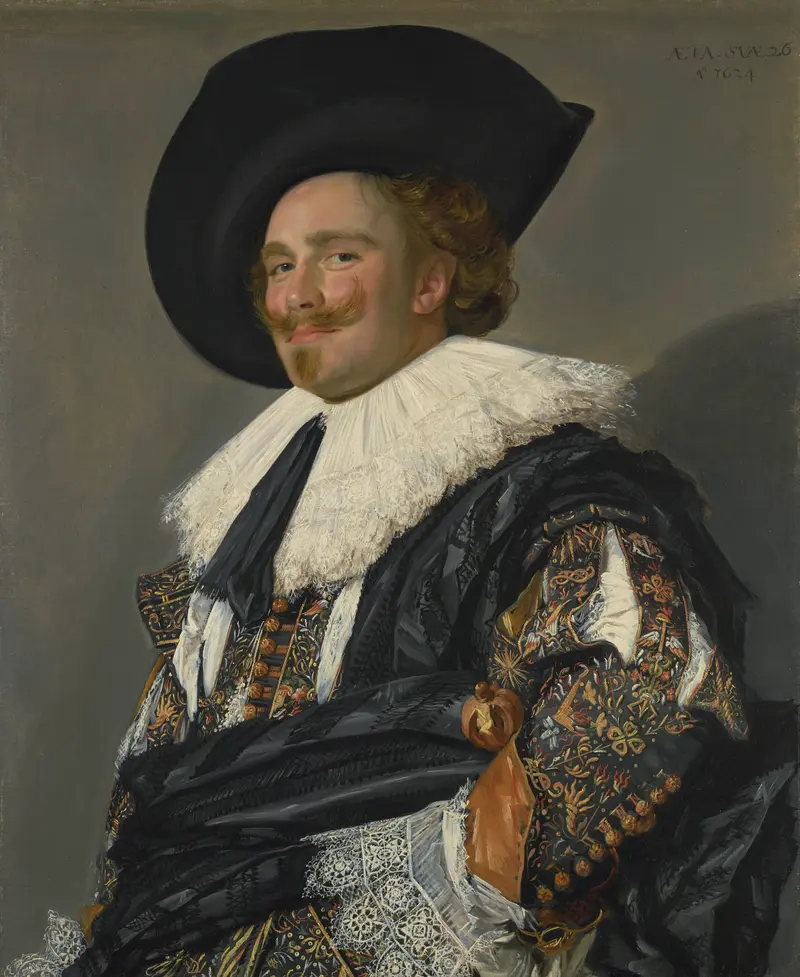
Laughing Cavalier
Frans Hals

Militia Company of District XI under the Command of Captain Reynier Reael, Known as ‘The Meagre Company’
Frans Hals
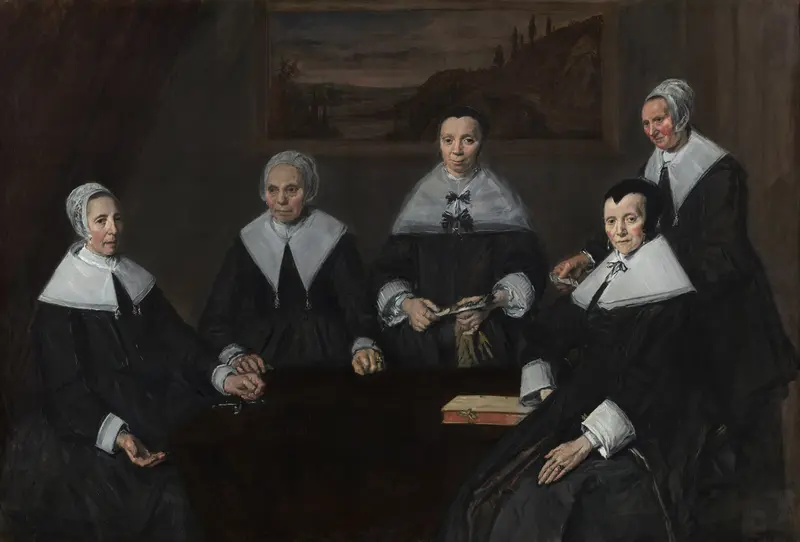
Regentesses of the Old Men's Alms House
Frans Hals
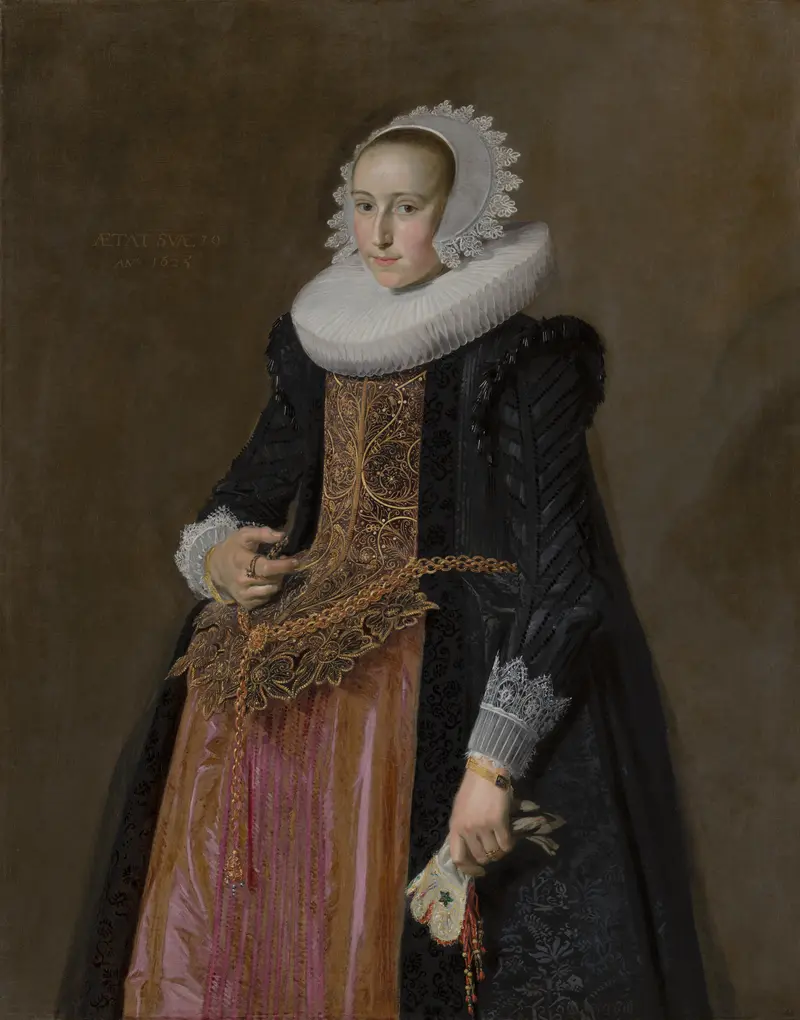
Portrait of Aletta Hanemans (1606–1653)
Frans Hals
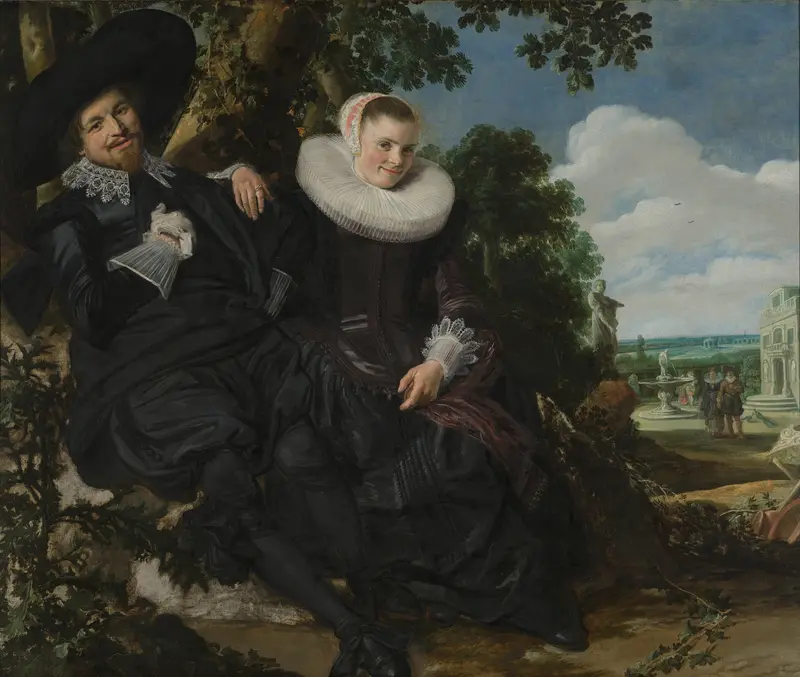
Portrait of a Married Couple, Likely Isaac Abrahamsz Massa and Beatrix van der Laen
Frans Hals
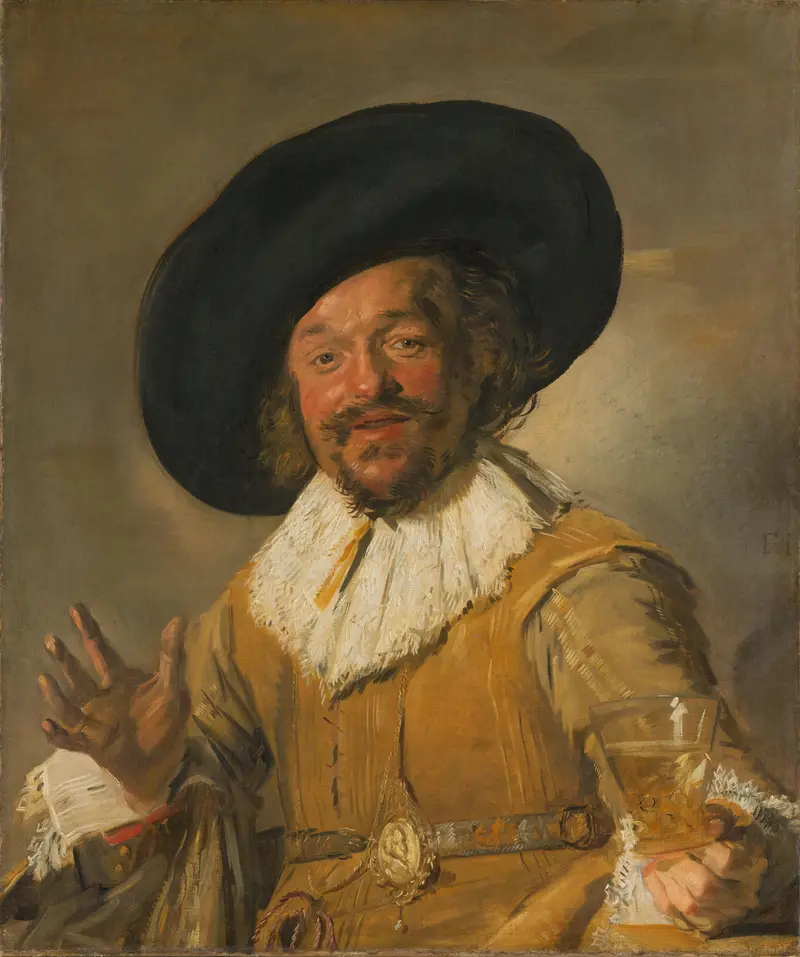
The Merry Drinker
Frans Hals
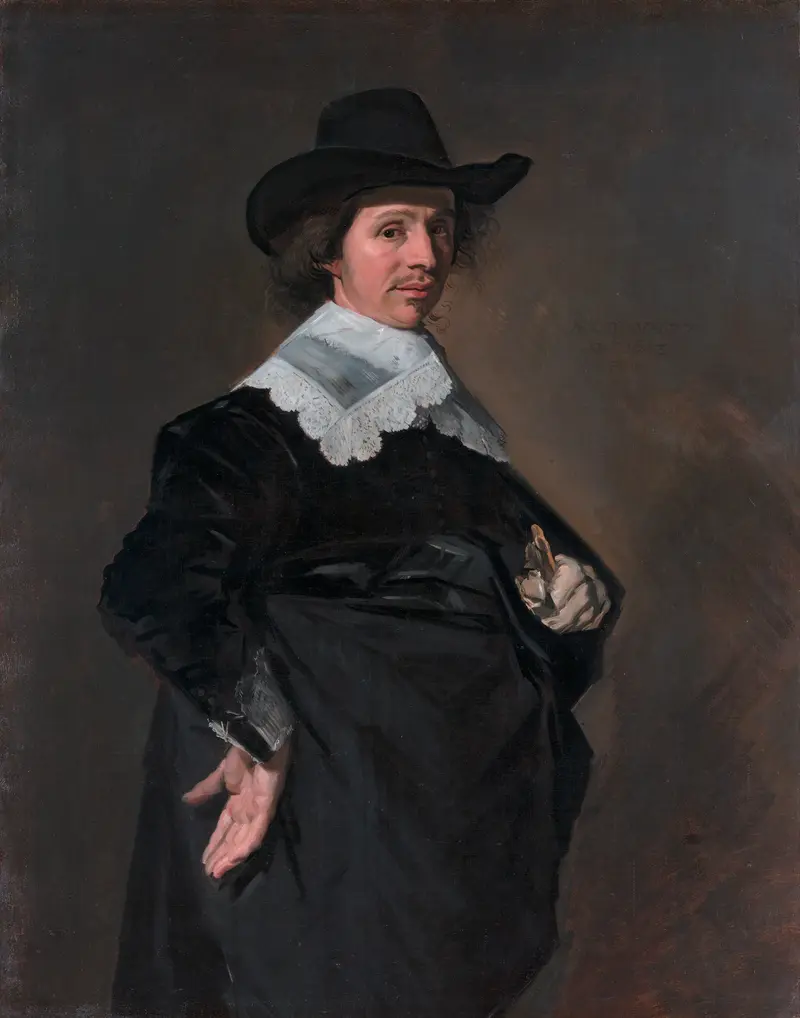
Portrait of Paulus Verschuur
Frans Hals
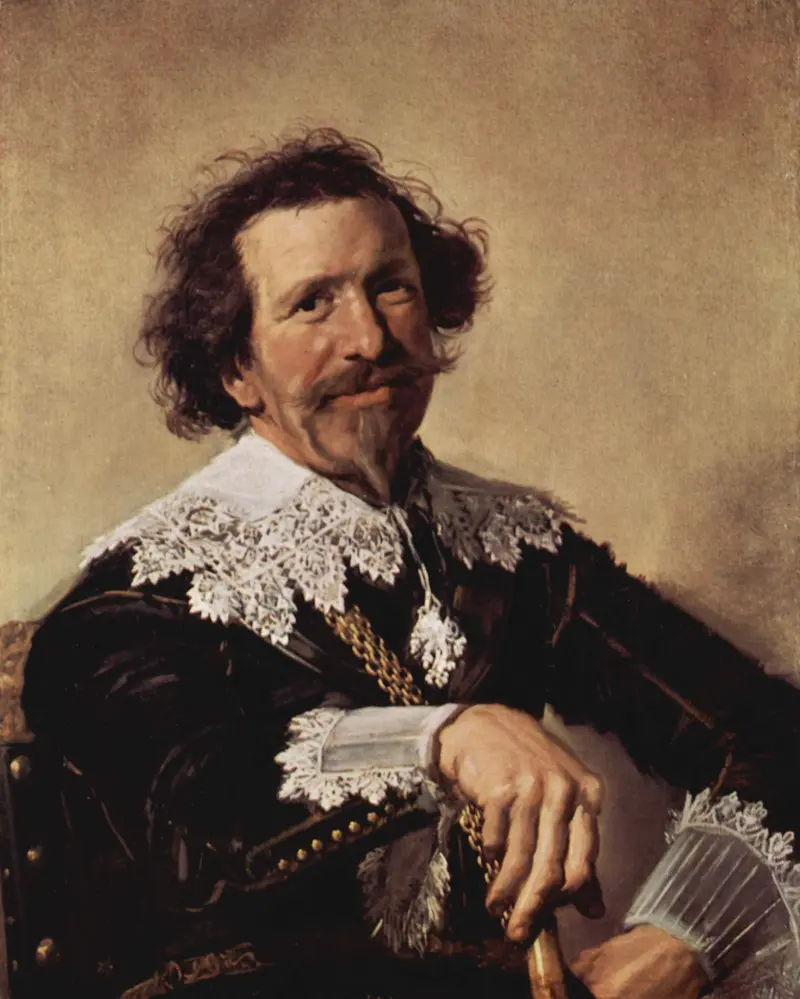
Portrait of Pieter van den Broecke
Frans Hals
More Genre Scene Art
Banquet of the Officers of the St George Civic Guard
Frans Hals

Rembrandt and Saskia in the Scene of the Prodigal Son
Rembrandt van Rijn

Bal du moulin de la Galette
Pierre-Auguste Renoir

Quadrille at the Moulin Rouge
Henri de Toulouse-Lautrec

A Burial at Ornans
Gustave Courbet

When Will You Marry?
Paul Gauguin