
The Stone Breakers, Le Raincy — History & Facts
When The Stone Breakers, Le Raincy was first exhibited in 1883, it drew immediate attention for its subject: not a grand myth or aristocratic scene, but the hard, unadorned labor of rural workers. This was a radical choice for the young Georges Seurat, then only in his early twenties and not yet the inventor of Pointillism. In a period when French painting was turning its gaze to modern life, Seurat’s focus on anonymous stone breakers at the outskirts of Paris placed him squarely within the debates about art’s social purpose.
The painting’s title situates it in Le Raincy, a suburb east of Paris, where urban expansion and rural hardship collided in the early 1880s. Seurat captures two men in the midst of crushing stones—one bent under the weight of his hammer, the other pausing, perhaps to wipe his brow. The composition is spare, the palette muted, with the workers’ figures set against a pale, almost washed-out landscape. Their faces are turned away, denying individual identity and emphasizing the universality of their toil.
This moment—neither beginning nor end, but the endless middle of labor—echoes Gustave Courbet’s famous The Stone Breakers of 1849, yet Seurat’s approach is less confrontational, more meditative. The subtle play of light on rough clothing and scattered stones hints at the artist’s growing interest in optical effects, a prelude to his later innovations. The precise early history of The Stone Breakers, Le Raincy remains uncertain, as the work predates Seurat’s major public success and is less frequently discussed in contemporary accounts. It is not clear who first acquired the painting, or whether it was ever exhibited outside of the 1883 Salon des Artistes Indépendants.
Today, the painting is recognized as a key work from Seurat’s formative years, bridging the gap between Realism and the scientific color theories that would define Neo-Impressionism. Its survival offers a rare glimpse into the artist’s early attempts to unite social observation with formal experimentation, before the dots and dashes of A Sunday Afternoon on the Island of La Grande Jatte would make him famous.
More Artworks by Georges Seurat
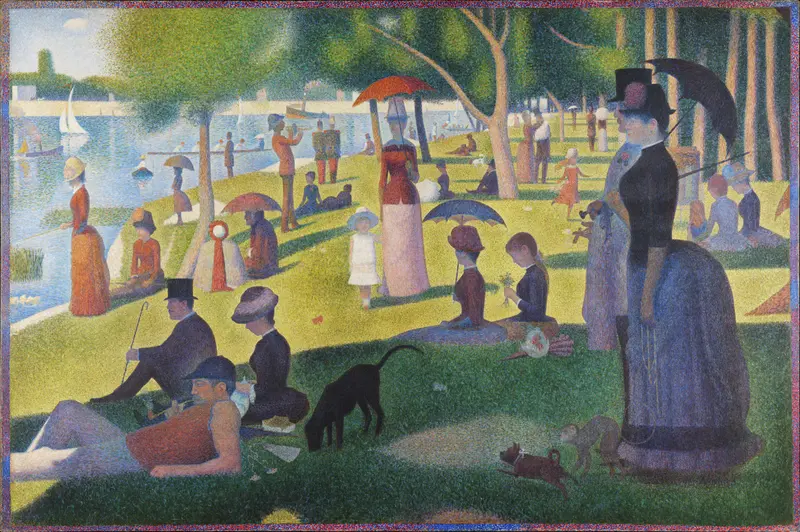
A Sunday Afternoon on the Island of La Grande Jatte
Georges Seurat
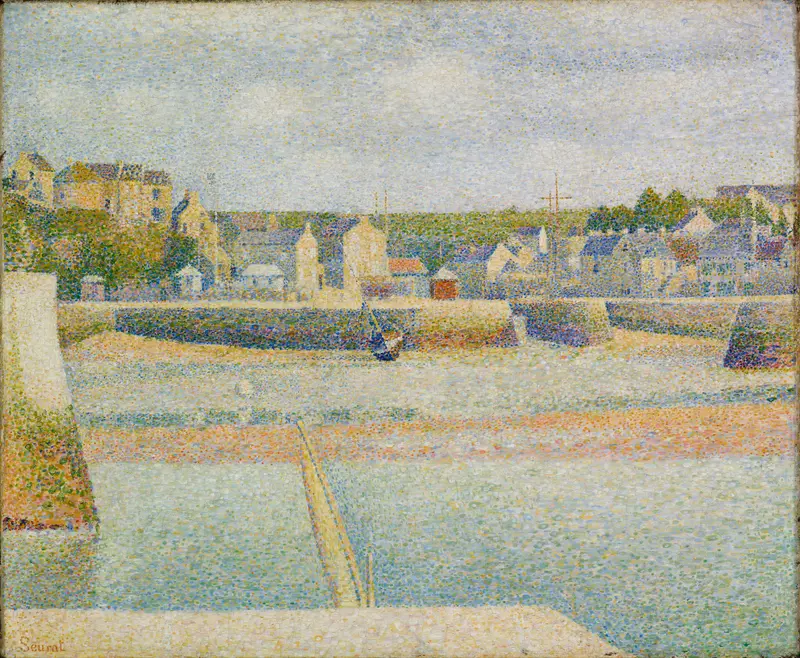
Port-en-Bessin, The Outer Harbor (Low Tide)
Georges Seurat
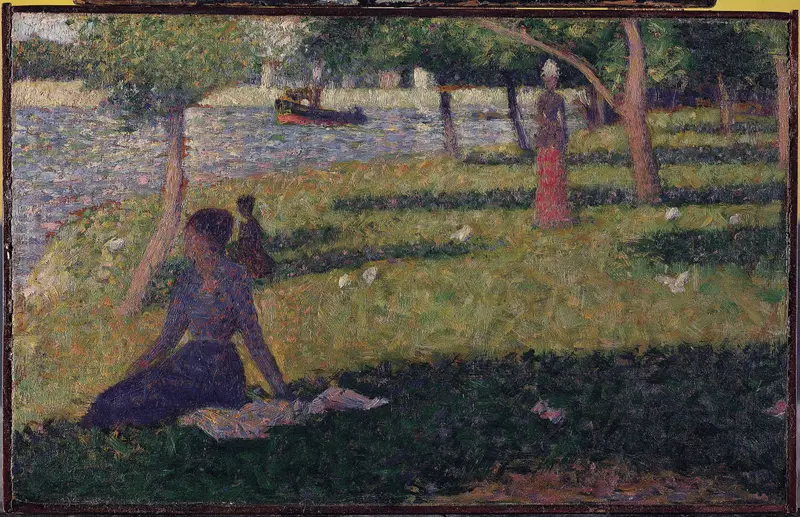
Étude pour ‘La Grande Jatte’ (Study for ‘La Grande Jatte’)
Georges Seurat
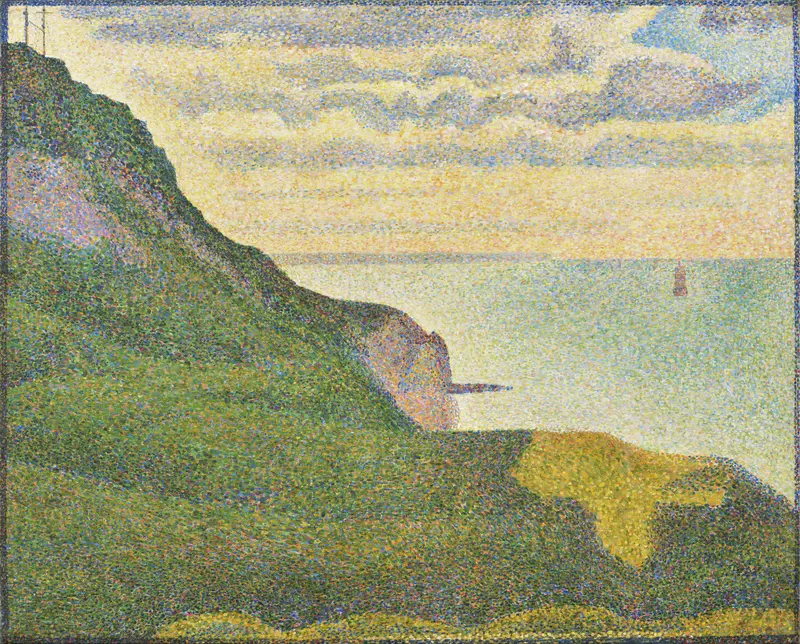
Seascape at Port-en-Bessin,Normandy
Georges Seurat
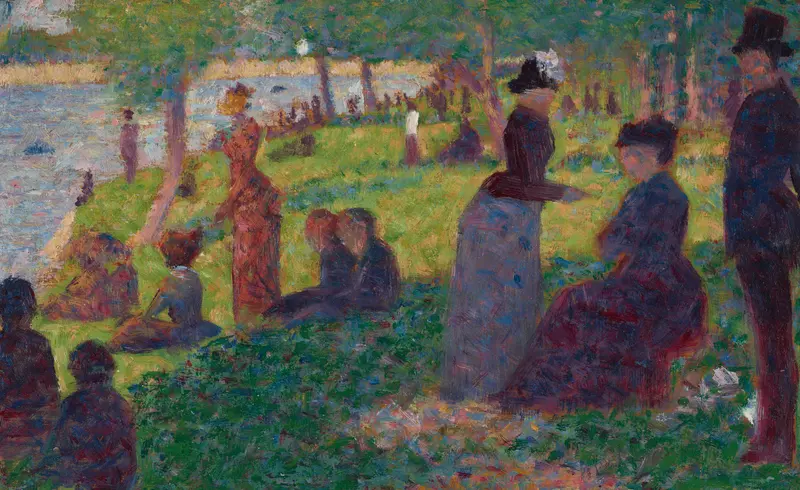
Oil Sketch for "A Sunday on La Grande Jatte — 1884"
Georges Seurat
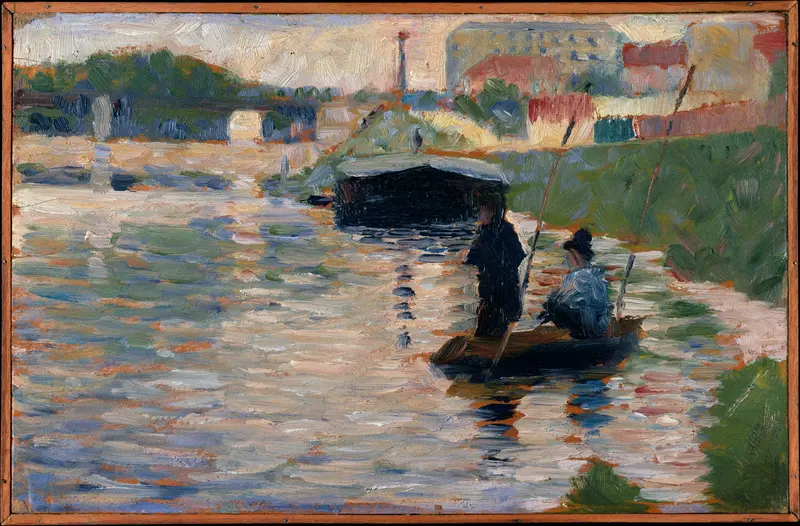
View of the Seine
Georges Seurat
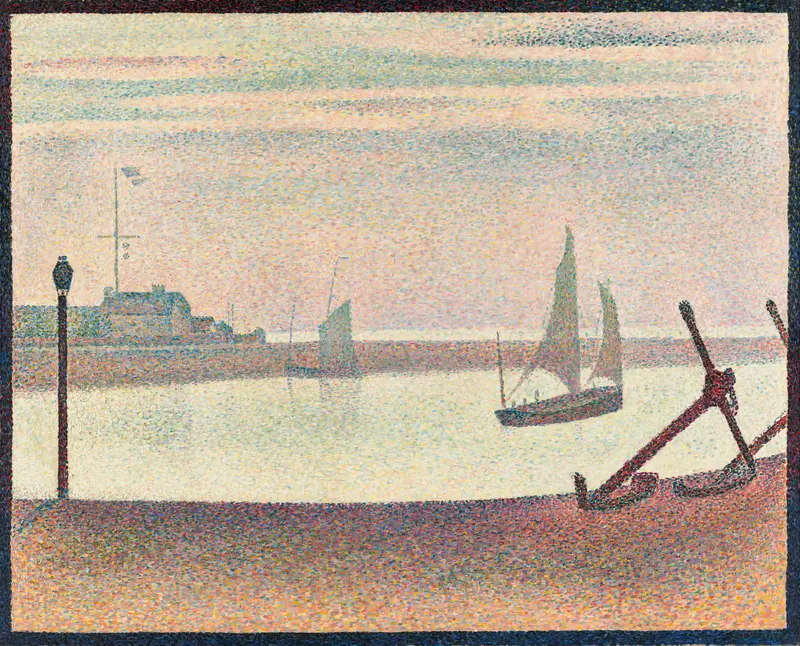
The Channel at Gravelines, Evening
Georges Seurat
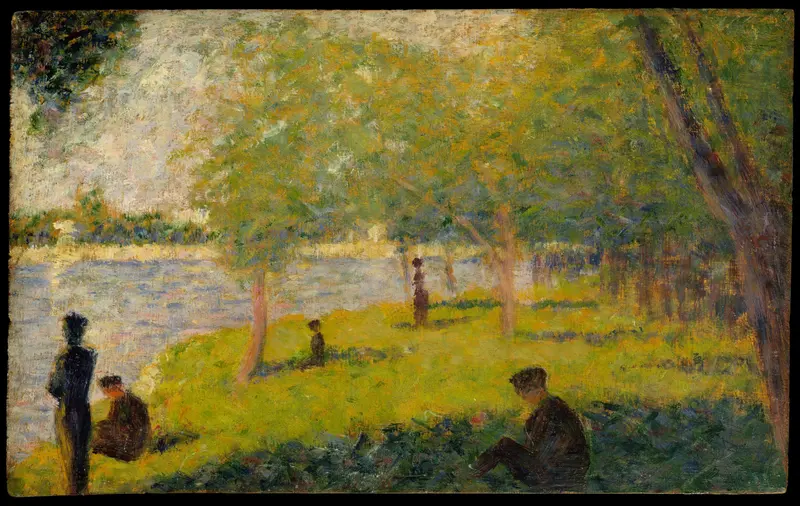
Study for ‘A Sunday on La Grande Jatte’
Georges Seurat
Study for A Sunday on La Grande Jatte
Georges Seurat
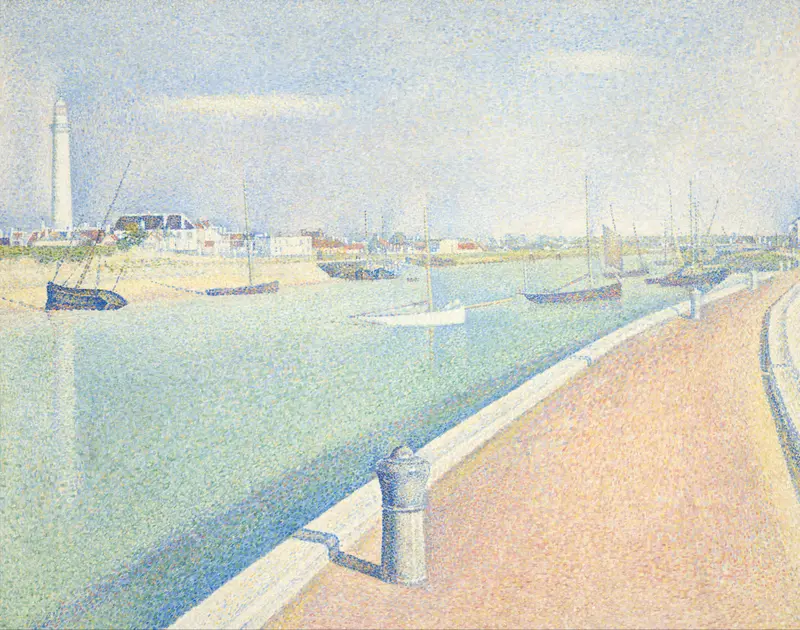
The Channel of Gravelines, Petit Fort Philippe
Georges Seurat
More Genre Scene Art

Banquet of the Officers of the St George Civic Guard
Frans Hals

Rembrandt and Saskia in the Scene of the Prodigal Son
Rembrandt van Rijn

Bal du moulin de la Galette
Pierre-Auguste Renoir

Quadrille at the Moulin Rouge
Henri de Toulouse-Lautrec

A Burial at Ornans
Gustave Courbet

When Will You Marry?
Paul Gauguin