
The Stoning of Saint Stephen — History & Facts
What first seizes the viewer in The Stoning of Saint Stephen is the way the chaos of violence is pierced by a shaft of otherworldly order. The kneeling figure in richly patterned vestments, his gaze turned upward, becomes the axis around which the tumult of the crowd swirls. Above him, an angelic host descends in a burst of movement and light, their wings and limbs echoing the gestures of the men below—one world reaching for another.
The stones in raised fists, the contorted bodies, and the faces twisted in anger or awe all lead the eye back to the calm, almost luminous face of Stephen, whose serenity stands in sharp contrast to the frenzy that surrounds him. This painting, created by Adam Elsheimer around 1603, captures the martyrdom of Saint Stephen at the very moment when the earthly and the divine collide. The artist lavishes attention on the textures of fabric and flesh, the gleam of armor, and the play of light across the crowd, but it is the supernatural intervention that dominates: angels swoop down, their forms rendered with a startling physicality, as if they might brush the dust from the executioners’ feet. The architecture in the background, with its crumbling arches and distant procession, anchors the scene in a world that feels both historical and theatrical.
Elsheimer’s composition draws the viewer into the drama, inviting us to witness not just a death, but a passage. Works like this, painted in the early seventeenth century, were shaped by a world in which religious stories were not distant legends but urgent, present realities. Artists such as Elsheimer, working at the dawn of the Baroque, responded to new demands for emotional immediacy and visual complexity—qualities that made paintings like this prized by collectors and churches alike. Today, The Stoning of Saint Stephen resides in the National Gallery of Scotland, a testament to an era when faith, spectacle, and art were inseparable.
The painting’s crowded stage and luminous sky invite us to linger, searching for meaning in every face and gesture.
More Artworks by Adam Elsheimer

Saint John the Baptist in the Wilderness
Adam Elsheimer
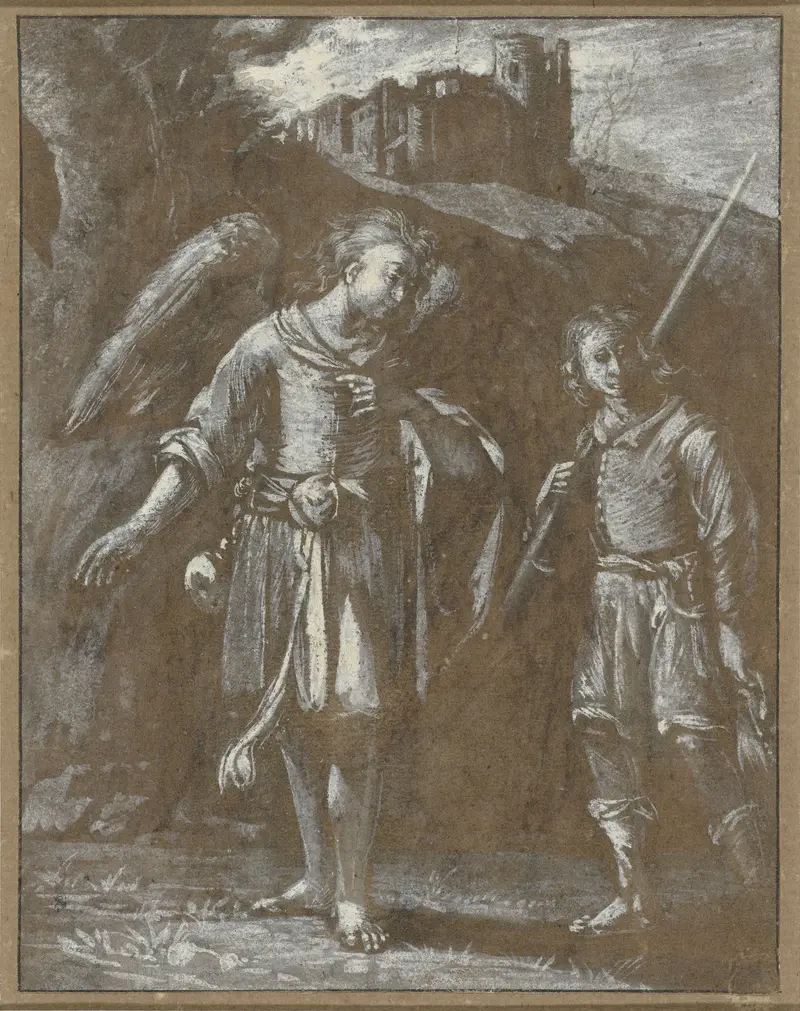
Tobias en de engel
Adam Elsheimer
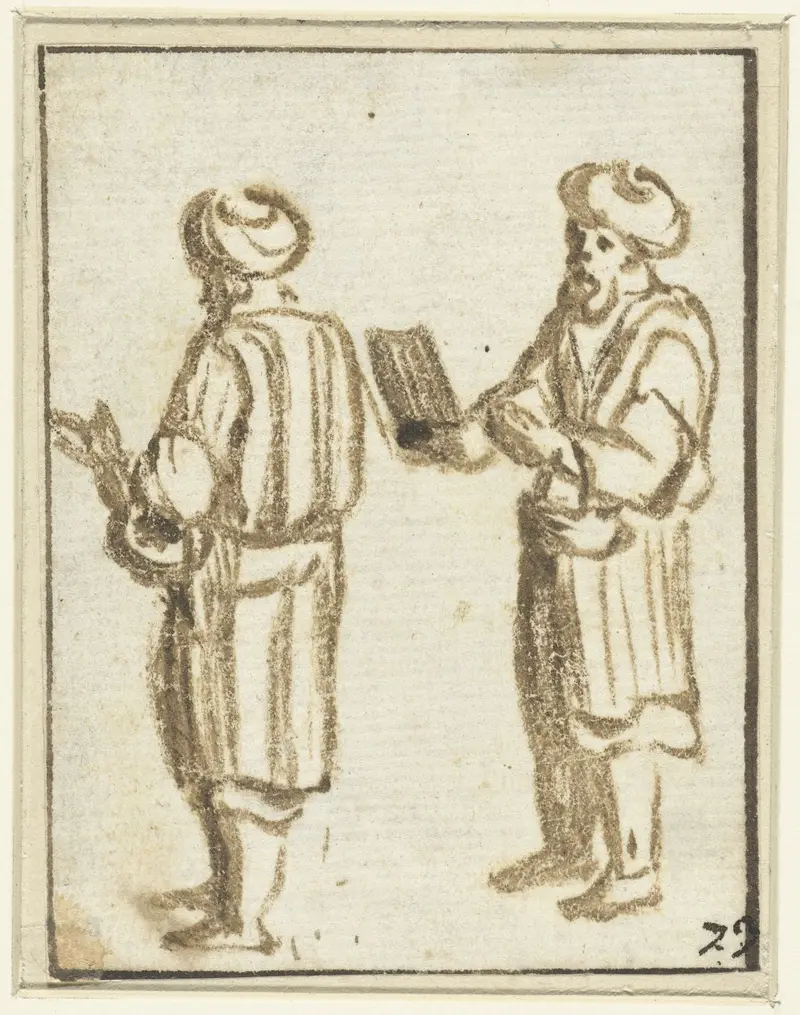
Twee staande mannen met tulbanden
Adam Elsheimer
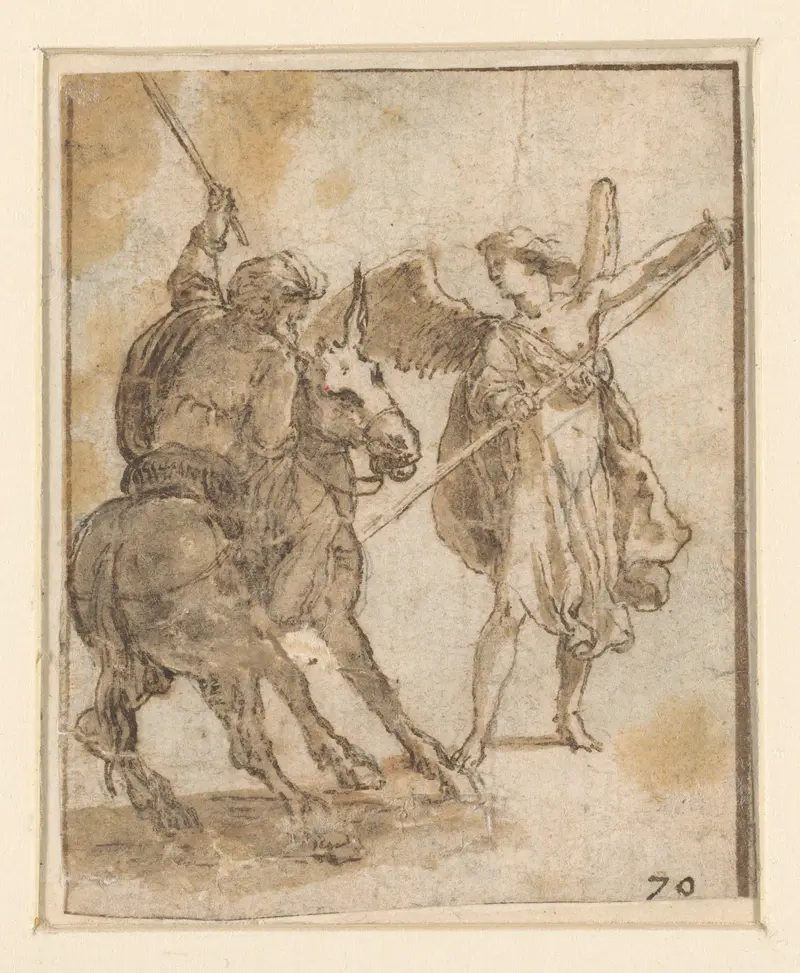
Bileam op zijn ezel ontmoet de engel
Adam Elsheimer
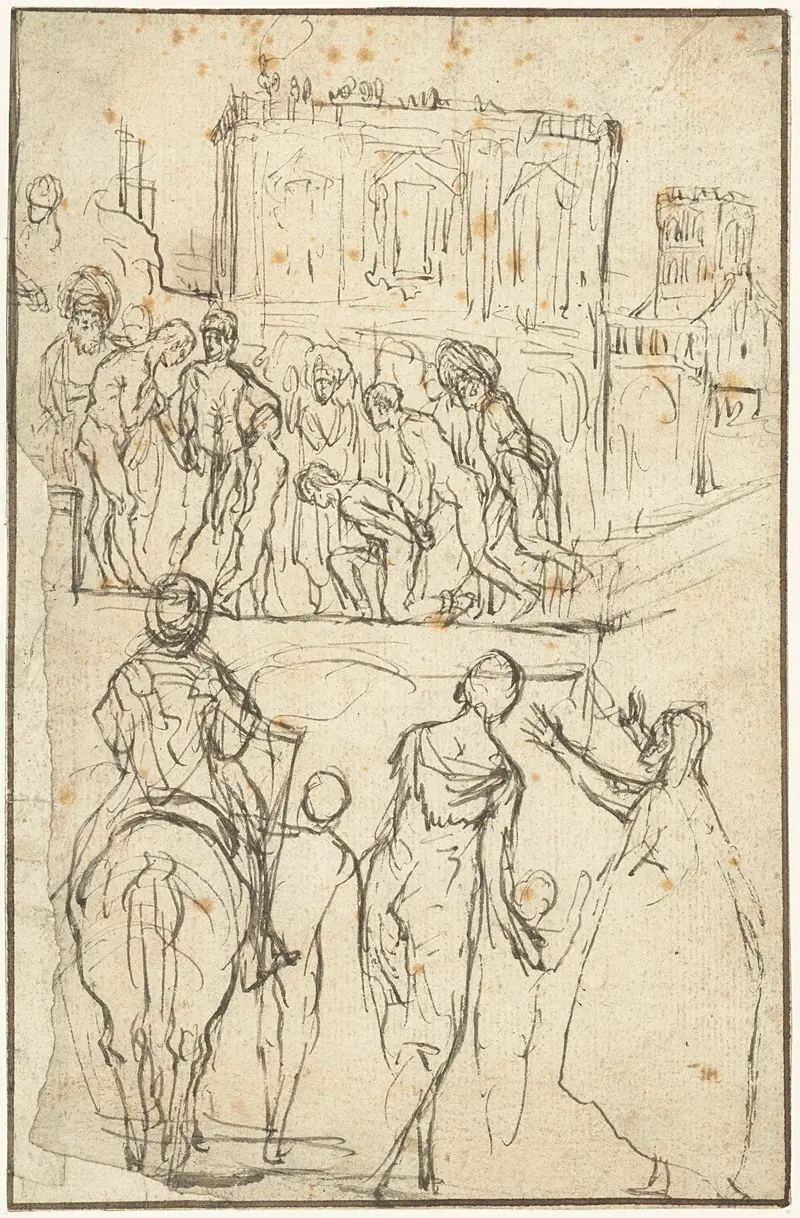
Judgement Scene with a Bound Prisoner
Adam Elsheimer
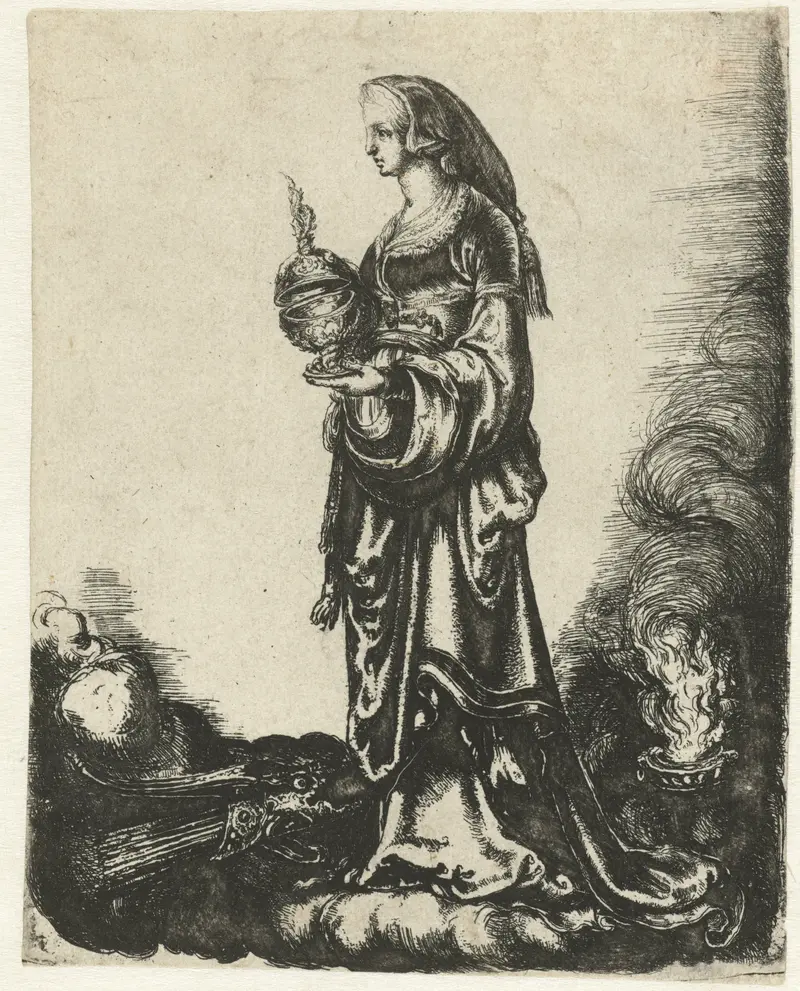
Allegorie met vrouw met beker staand op wolk
Adam Elsheimer
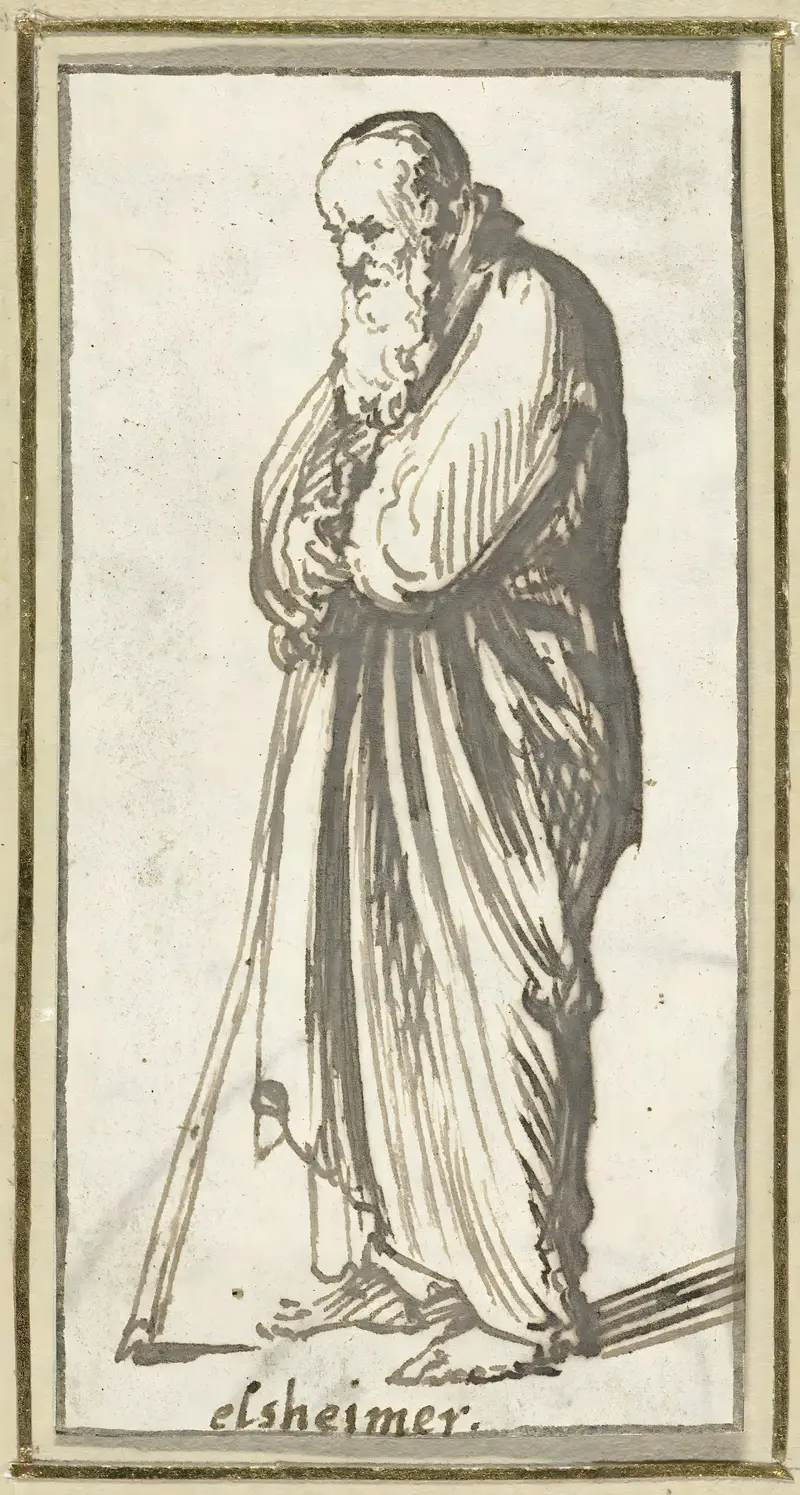
Oude man in lang gewaad
Adam Elsheimer
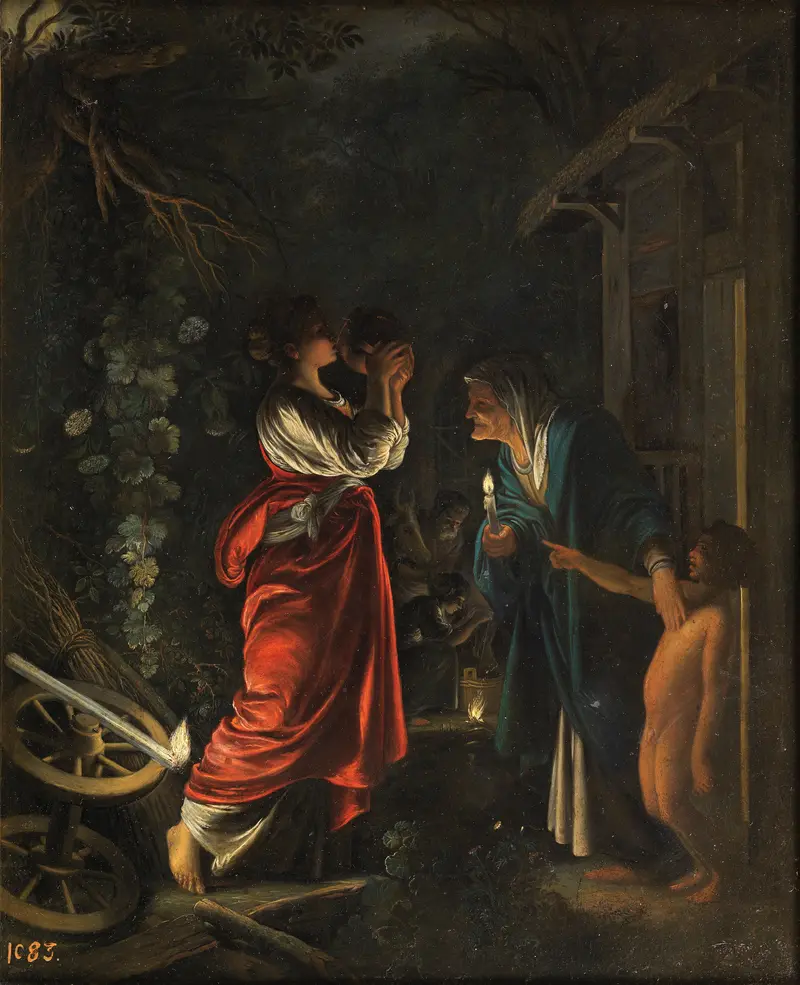
Ceres in the House of Hecuba
Adam Elsheimer
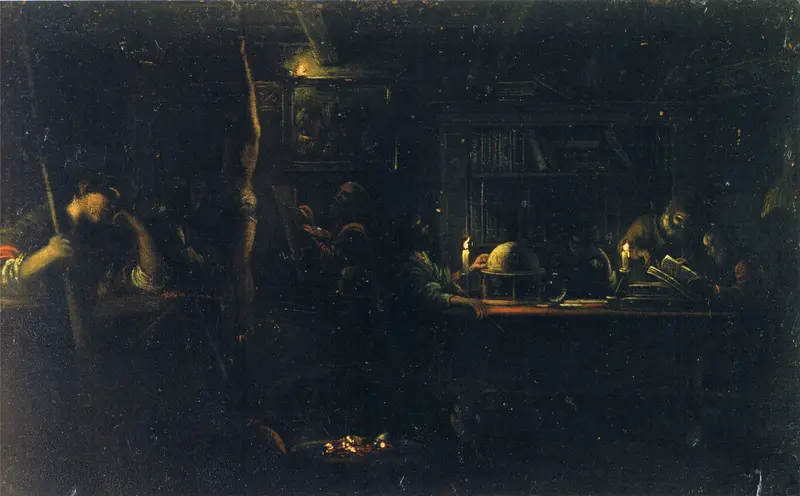
Minerva as patroness of Arts and Sciences
Adam Elsheimer
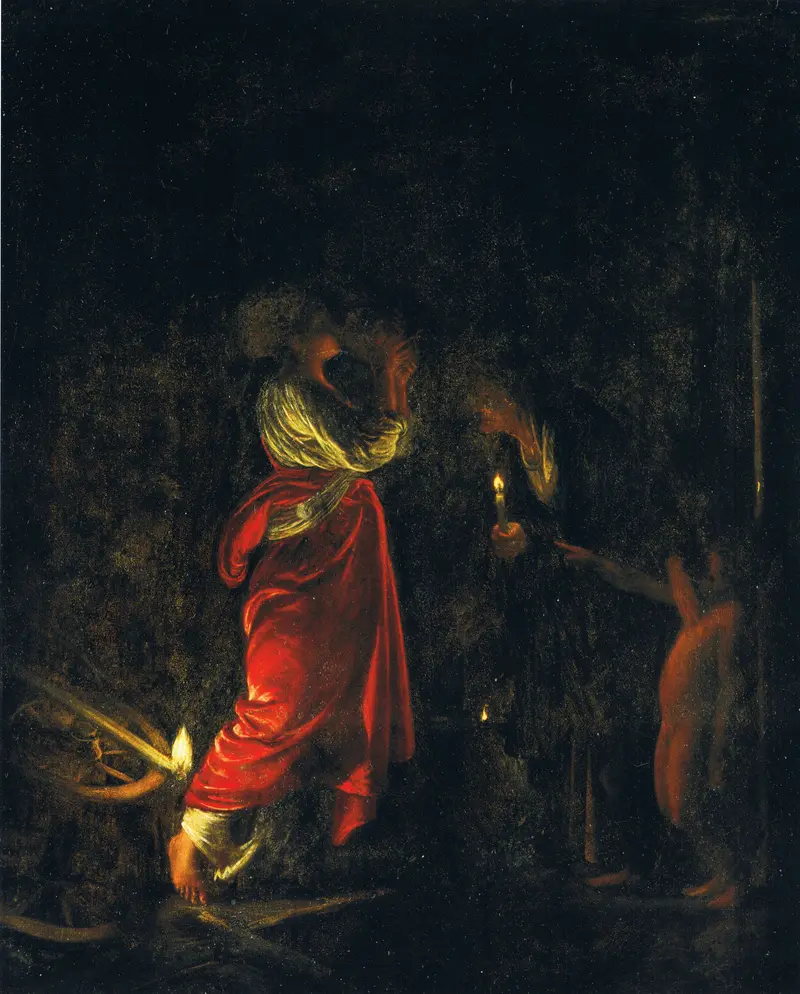
The Mocking of Ceres
Adam Elsheimer





