The Study — History & Facts
A restless gaze meets the viewer from beneath a tumble of dark curls, the child’s face pressed to a tabletop as if weighed down by the very books stacked behind him. In The Study, Antonio Mancini captures not the act of learning, but the moment when thought drifts elsewhere—when the world of paper and ink gives way to reverie. The boy’s clasped hands, his slumped posture, and the gentle fall of light across his cheek all conspire to draw our attention to this pause, this inward turning.
The paint itself is loose, almost impatient in places, echoing the unsettled mood of its young subject. This is a scene born of the late nineteenth century, when artists across Europe turned their attention to the realities of everyday life. Painted around 1875, The Study belongs to a world in which education was both a privilege and a burden, and where the line between work and childhood was often thin. Little is recorded about this particular work’s journey—its source and early history remain obscure, as do the details of its commission.
Yet the painting’s honesty and immediacy speak to a broader movement in art, one that favored truth over idealization. The stacks of worn books, the scattered papers, and the boy’s distant look invite us to linger, to wonder what stories are hidden behind those eyes—and what dreams might be unfolding just beyond the edge of the canvas.
More Artworks by Antonio Mancini

Portrait of a lady
Antonio Mancini
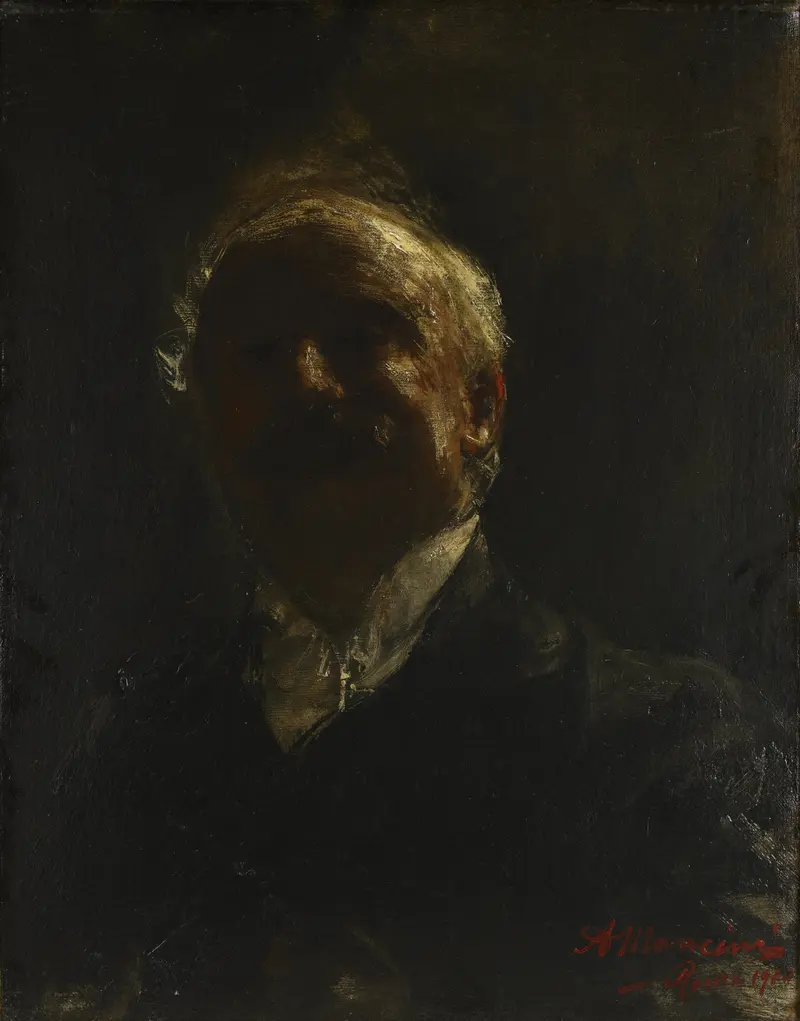
Self-Portrait
Antonio Mancini
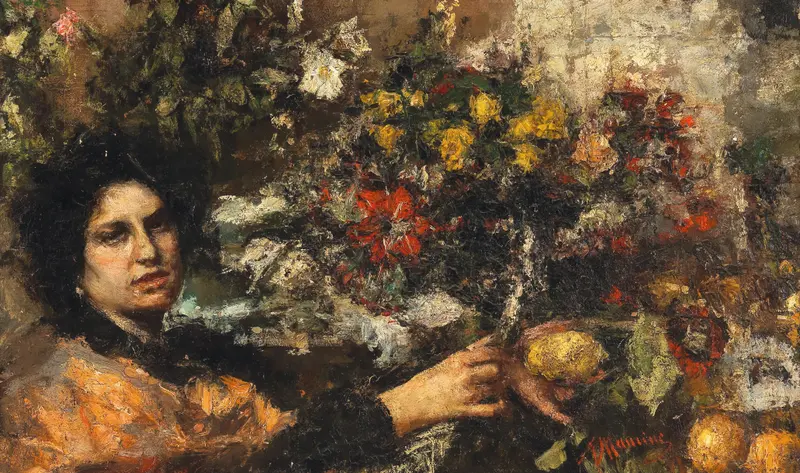
The Flower Seller
Antonio Mancini
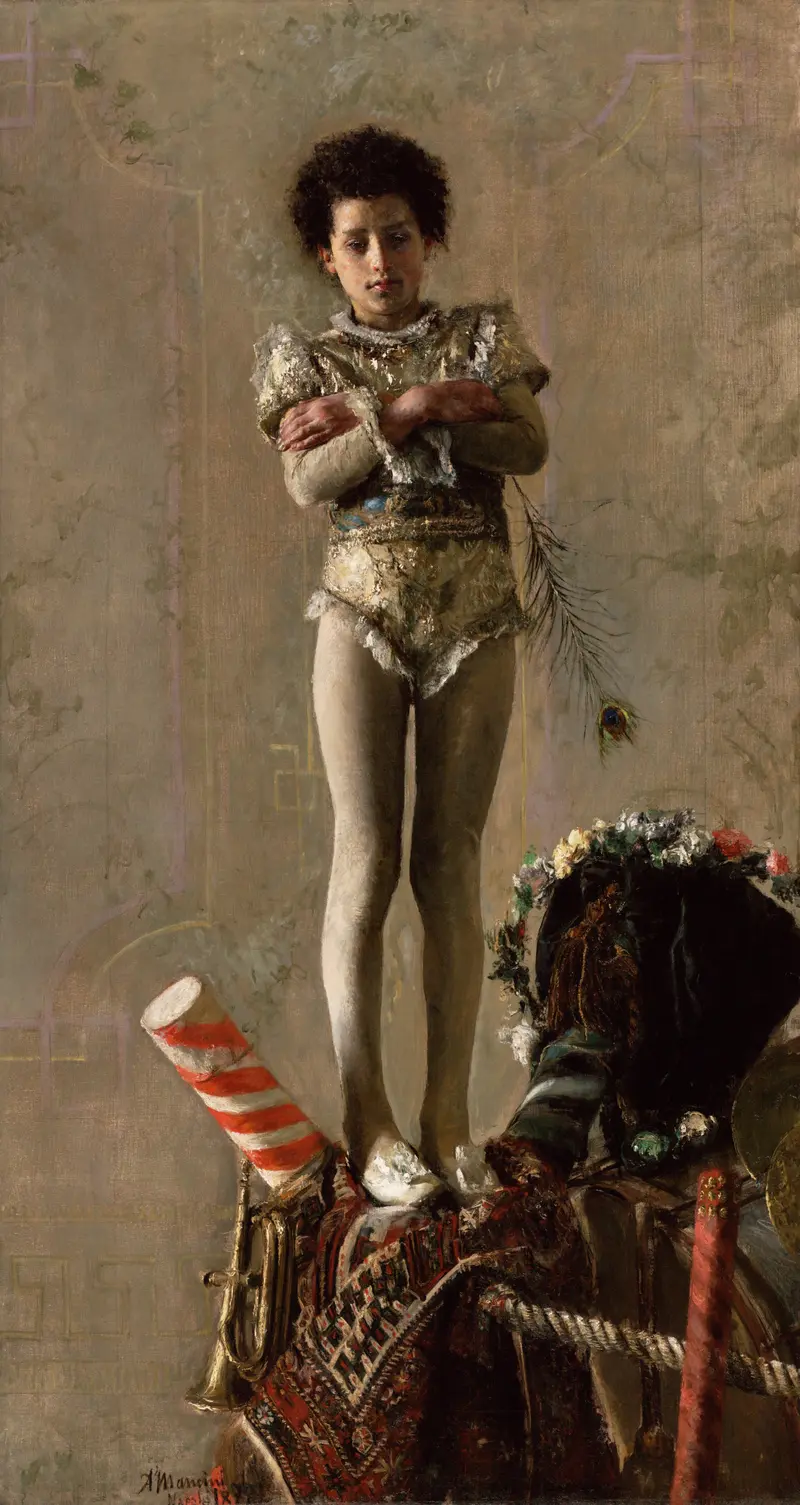
The Saltimbanco
Antonio Mancini
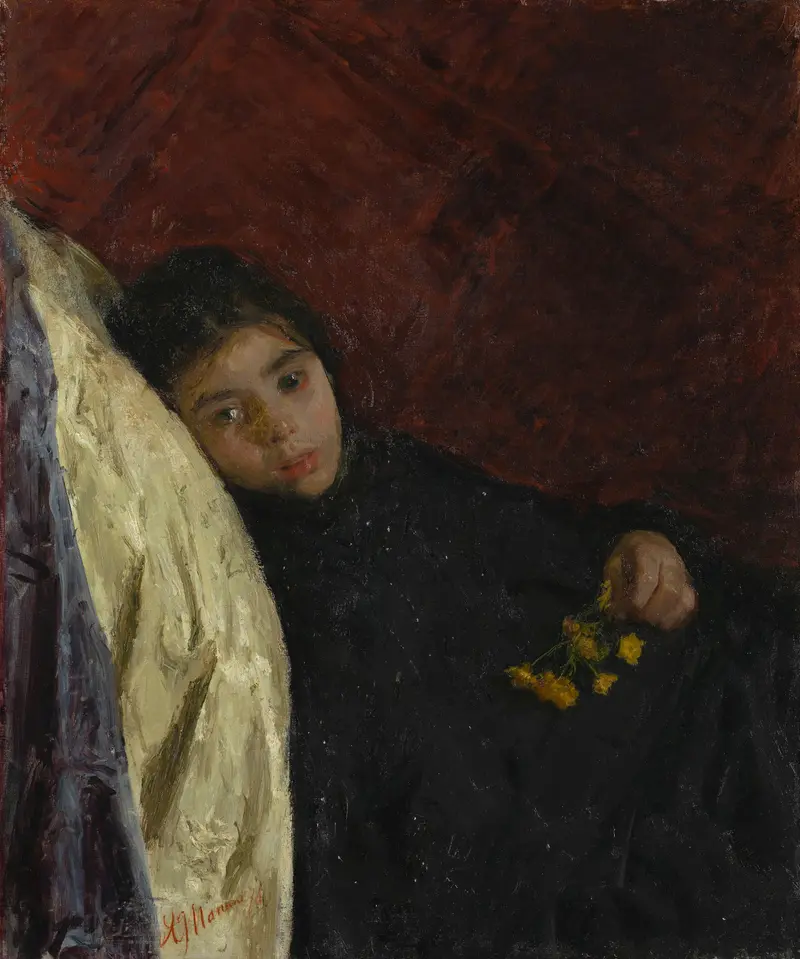
The sick child
Antonio Mancini
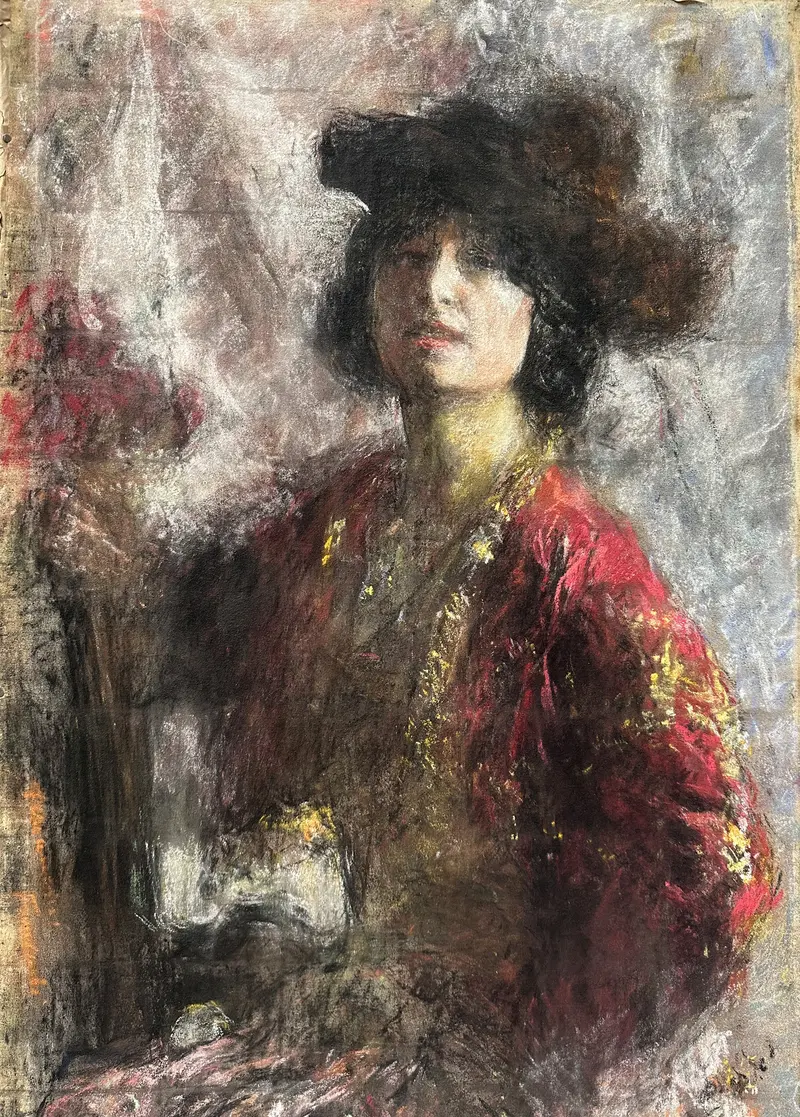
Bolero. Bullfighter
Antonio Mancini
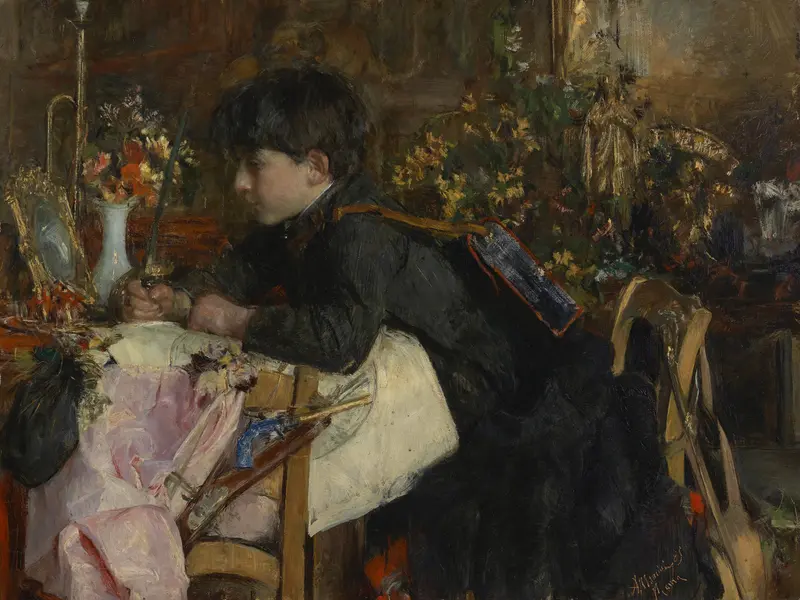
The birthday
Antonio Mancini
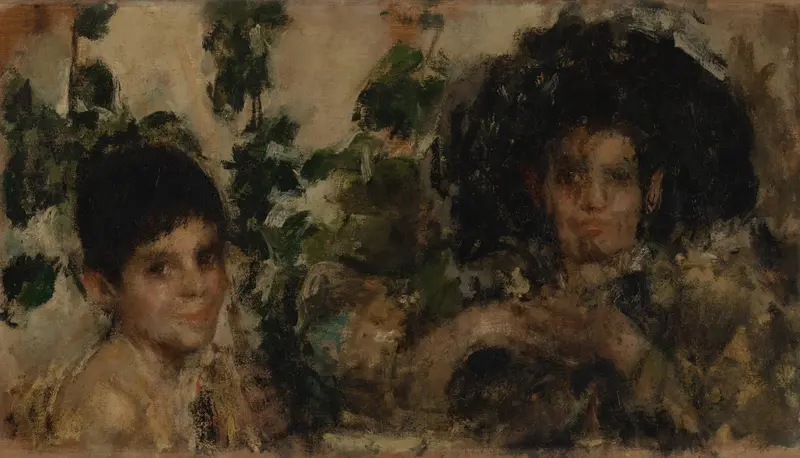
The brothers
Antonio Mancini
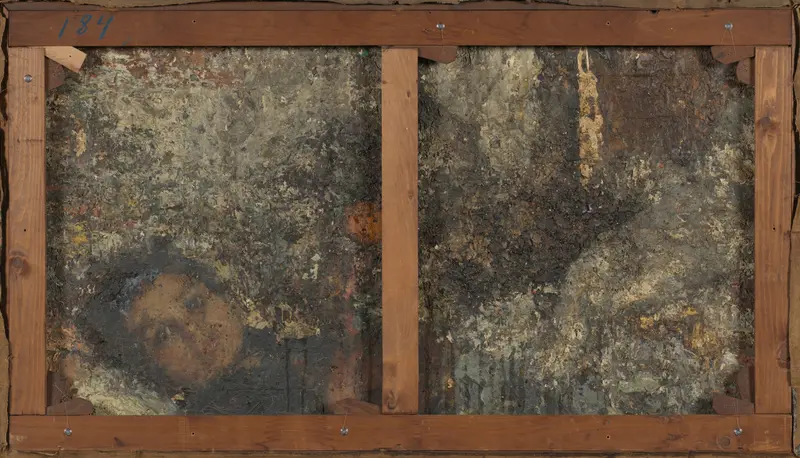
Liggend kind hwm0184v The Mesdag Collection
Antonio Mancini
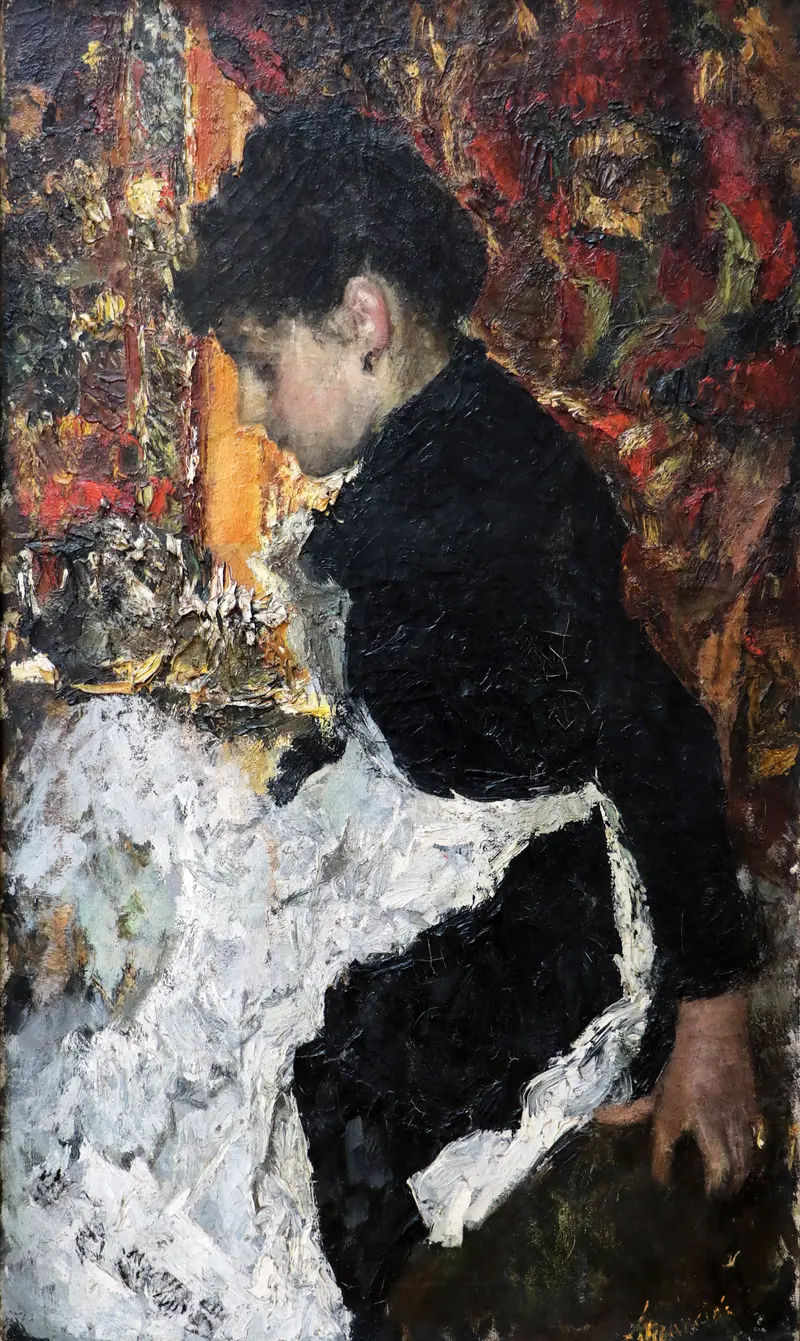
Servetta
Antonio Mancini