
The Suicide — History & Facts
A single shaft of light cuts through the gloom, falling not on a face, but on the aftermath: a pistol, a crumpled note, and the slumped figure of a man whose story has already ended. In The Suicide, Alexandre-Gabriel Decamps chooses not to show the act itself, but the stillness that follows, inviting the viewer to piece together the tragedy from what remains. The white of the shirt, stark against the darkened room, draws the eye to the lifeless body, while the scattered objects—palette, pistol, paper—become silent witnesses.
This is a painter’s room, its cluttered shelf and battered stool suggesting a life of creative struggle, now abruptly stilled. The world of The Suicide is the Paris of the 1830s, a time when the Romantic movement was fascinated by the fates of misunderstood geniuses and the costs of artistic ambition. Decamps, known for his travels in the Near East and his scenes of hunting in the Fontainebleau forest, here turns his attention inward, perhaps echoing the real-life despair of fellow artists whose careers faltered under harsh criticism. The painting’s somber palette and dramatic lighting are hallmarks of the era’s fascination with psychological depth and the solitary artist.
History has kept few traces of this particular canvas, now in the Walters Art Museum, but its quiet intensity still asks the viewer to linger, searching for meaning in the silence left behind.
More Artworks by Alexandre-Gabriel Decamps

Still Life with Herring, Bread, and Cheese
Alexandre-Gabriel Decamps
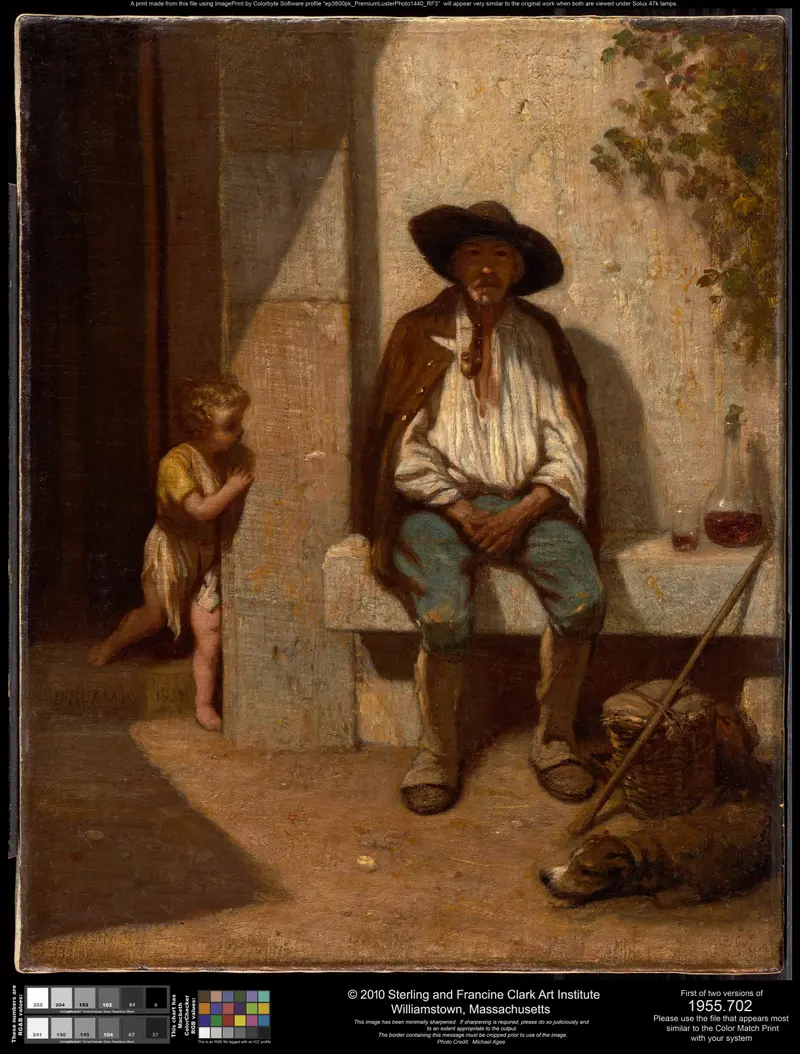
Italian Peasant
Alexandre-Gabriel Decamps
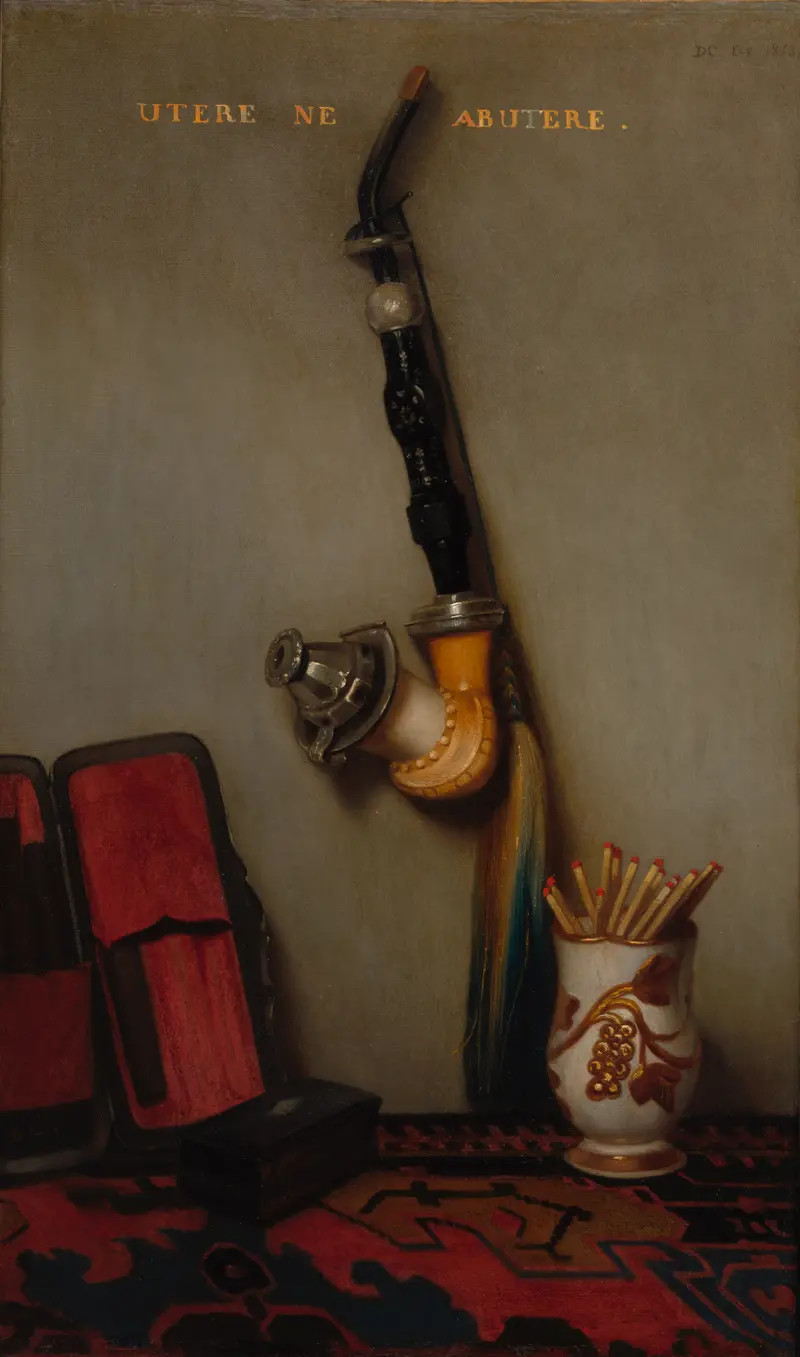
Still Life with Pipe and Matches
Alexandre-Gabriel Decamps
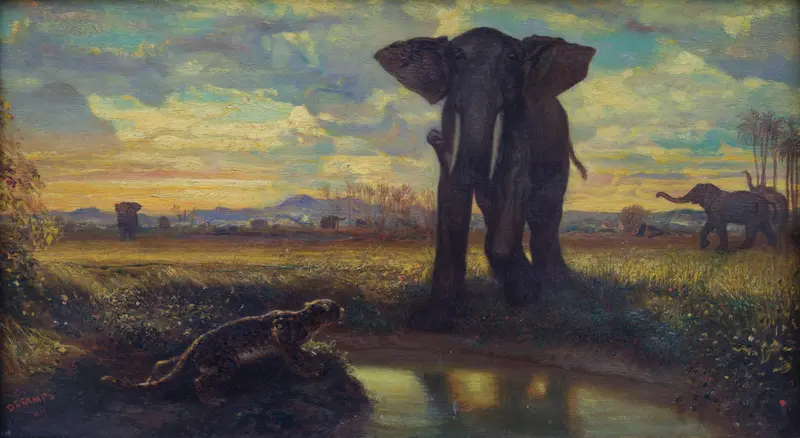
Tigre et éléphant à la source Musée du Louvre Peintures RF
Alexandre-Gabriel Decamps
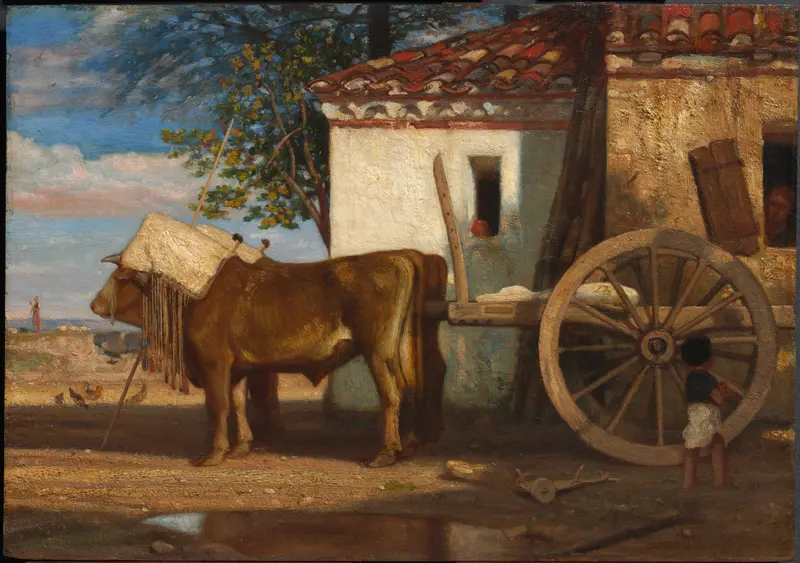
Oxen before a Farmhouse at Le Verrier
Alexandre-Gabriel Decamps
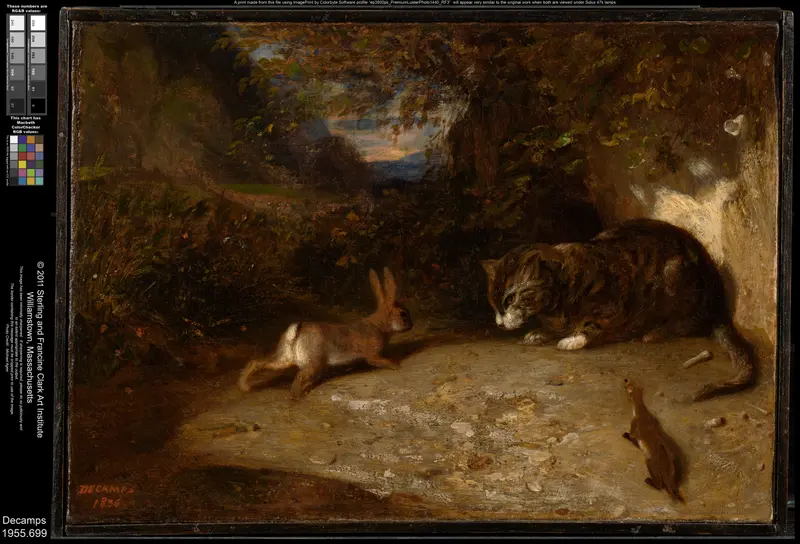
Cat, Weasel, and Rabbit
Alexandre-Gabriel Decamps
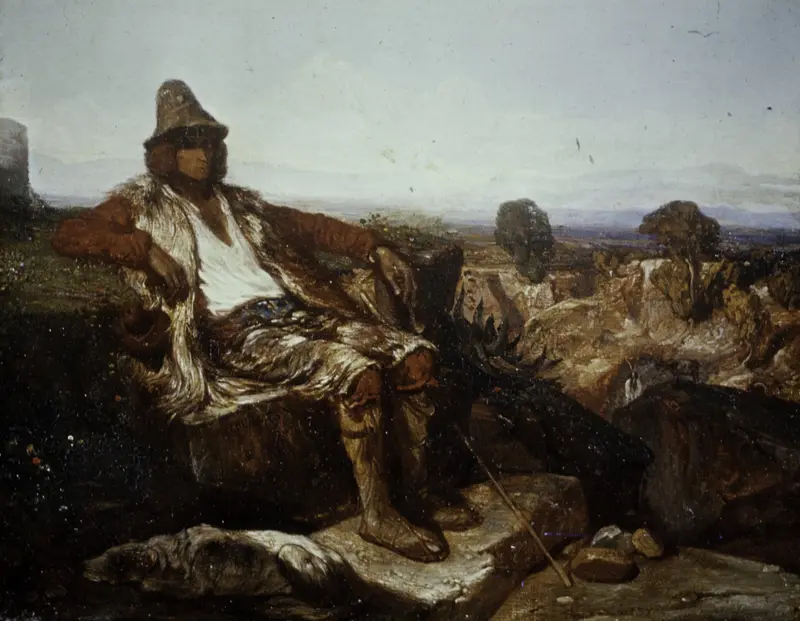
Goatherd of the Abruzzi
Alexandre-Gabriel Decamps
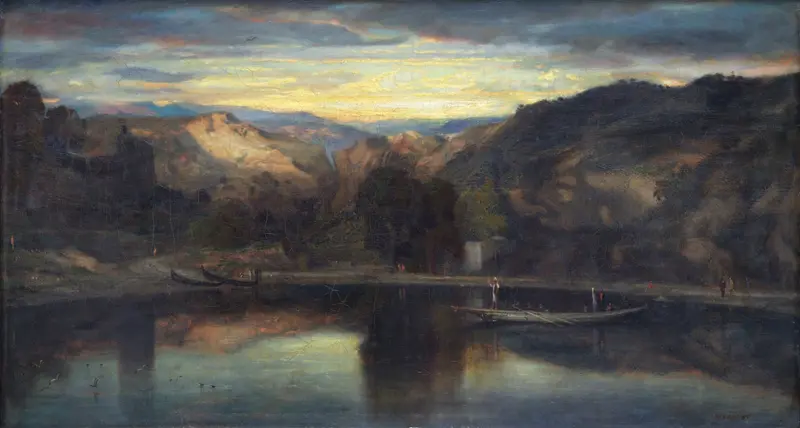
Jésus sur le lac de Génésareth Musée du Louvre Peintures RF
Alexandre-Gabriel Decamps

Espagnols jouant aux cartes Musée du Louvre Peintures RF
Alexandre-Gabriel Decamps
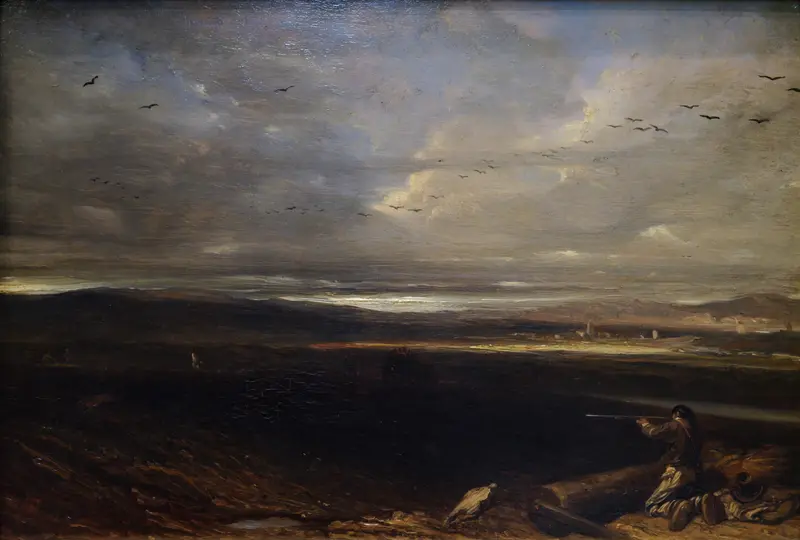
La battue en plaine Musée du Louvre Peintures RF
Alexandre-Gabriel Decamps





