
The Trough — History & Facts
When The Trough was first exhibited in Paris in 1763, critics were startled by the earthy humor and candidness that Jean-Honoré Fragonard brought to a rustic scene. At a time when the French court favored mythological fantasies and lush boudoir scenes, Fragonard’s choice to focus on the daily life of peasants was seen as a bold departure—one that hinted at the changing tastes on the eve of the Enlightenment. Some contemporaries whispered that the painting was a sly commentary on the excesses of the aristocracy, thinly veiled behind barnyard imagery.
The work’s reception marked a turning point for Fragonard, who would soon become known for both his wit and his technical brilliance. The moment Fragonard captures is one of lively commotion: a group of villagers gathers around a wooden trough, their faces animated with laughter and gossip as livestock jostle for space. The central figure, a robust woman with sleeves rolled high, pours water with a theatrical flourish, her gesture mirrored by a child tugging at her skirts. The sunlight slants across the muddy yard, picking out the gleam of water and the rough textures of clothing and wood.
Every detail—the overturned bucket, the scattering chickens—serves to ground the scene in a world of physical labor and shared community. Unlike Jean-Baptiste Greuze, whose rural scenes often moralize, Fragonard’s approach is playful, inviting the viewer to delight in the messiness of everyday life. The precise origins of The Trough remain uncertain, as the work is unsigned and its early provenance undocumented—a common fate for genre paintings of the period. It is generally accepted, however, as an authentic work from Fragonard’s early maturity, showing the influence of his Italian sojourn and his fascination with Dutch and Flemish models.
The painting passed quietly through private hands in the nineteenth century before entering a public collection in the early twentieth, where it has since become a favorite for its warmth and immediacy. Today, The Trough stands as a testament to Fragonard’s range and his willingness to look beyond the gilded salons to find beauty in the everyday.
More Artworks by Jean-Honoré Fragonard
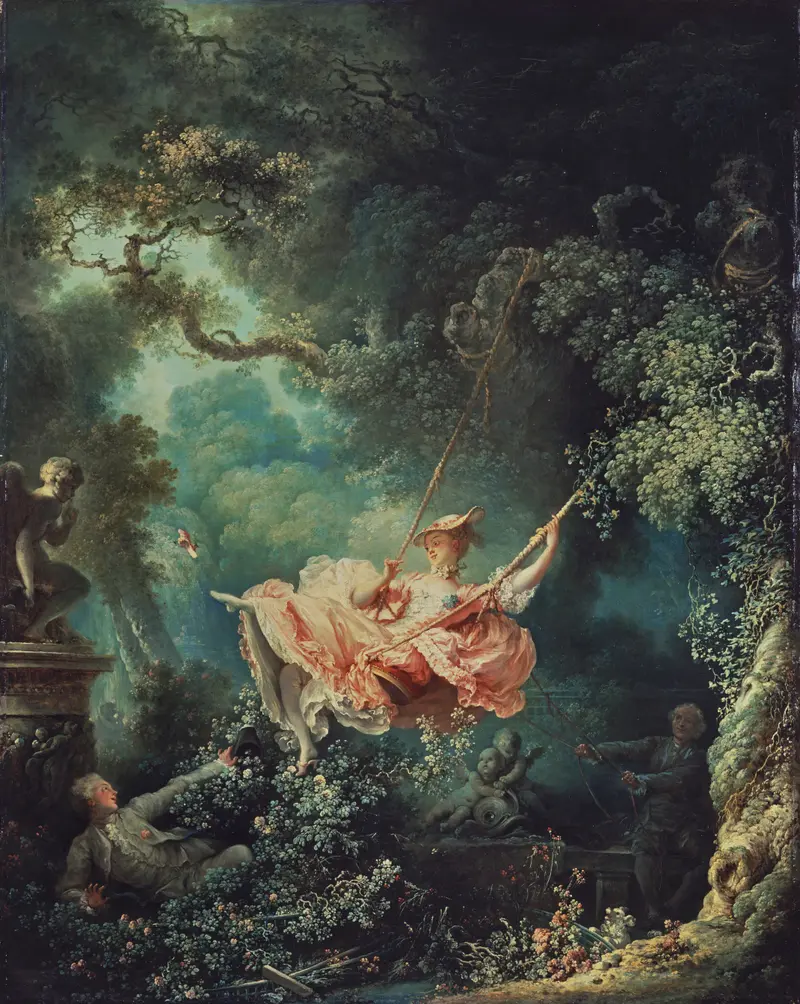
The Swing
Jean-Honoré Fragonard

The Swing
Jean-Honoré Fragonard
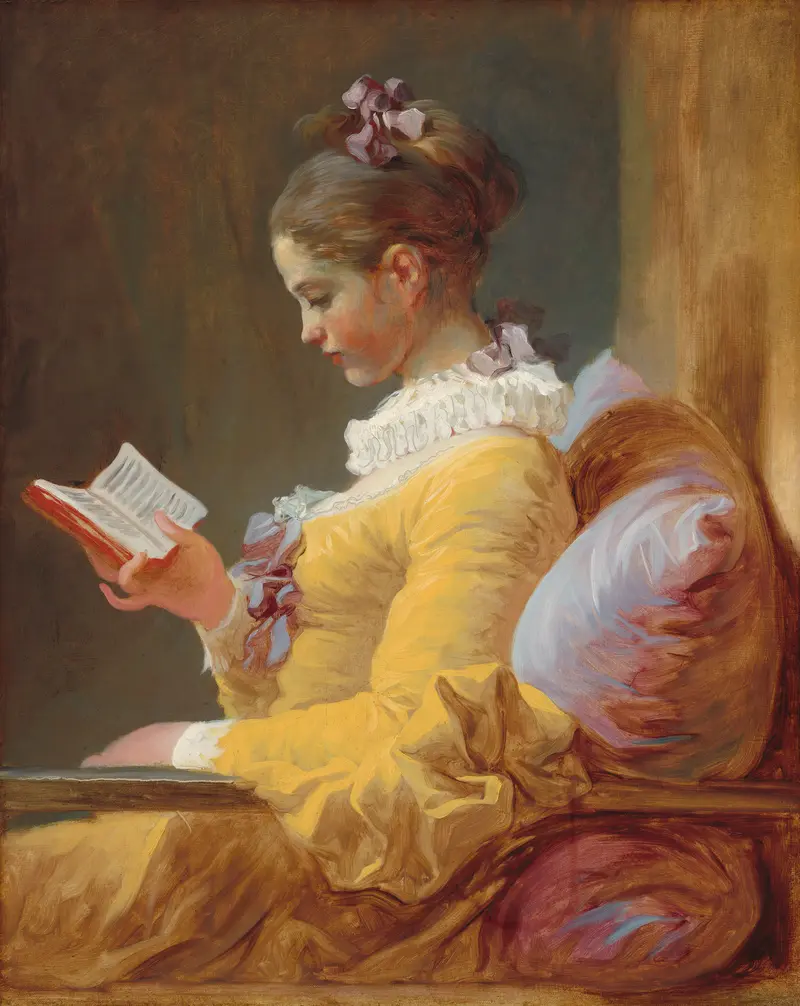
A Young Girl Reading
Jean-Honoré Fragonard
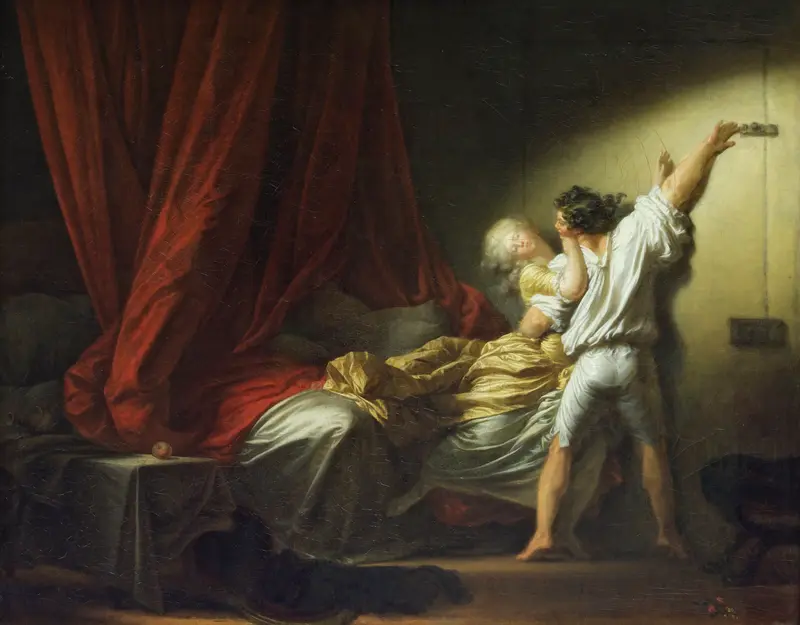
The Lock
Jean-Honoré Fragonard
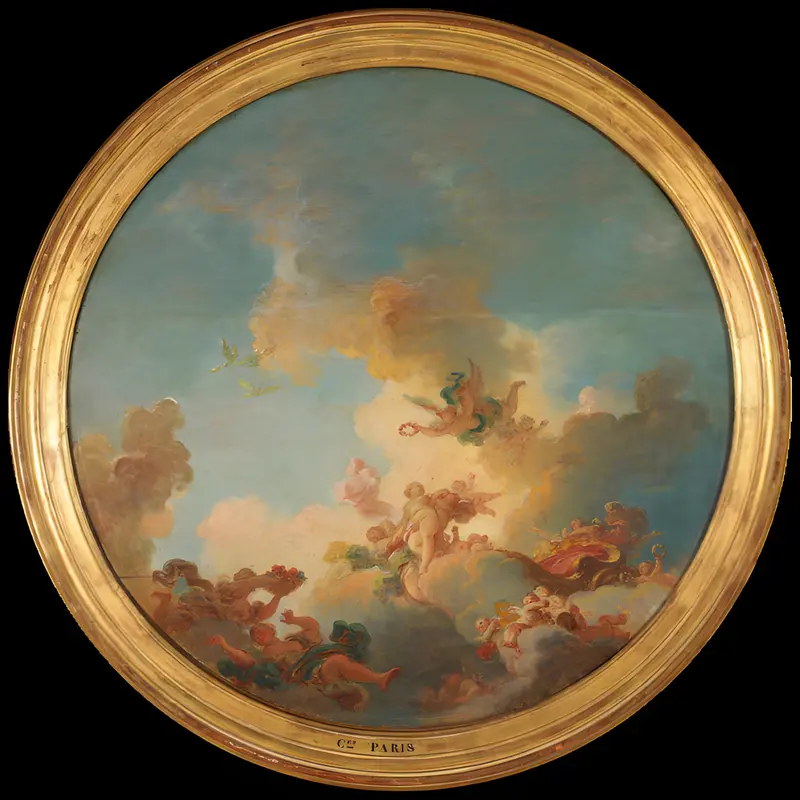
The Triumph of Venus
Jean-Honoré Fragonard
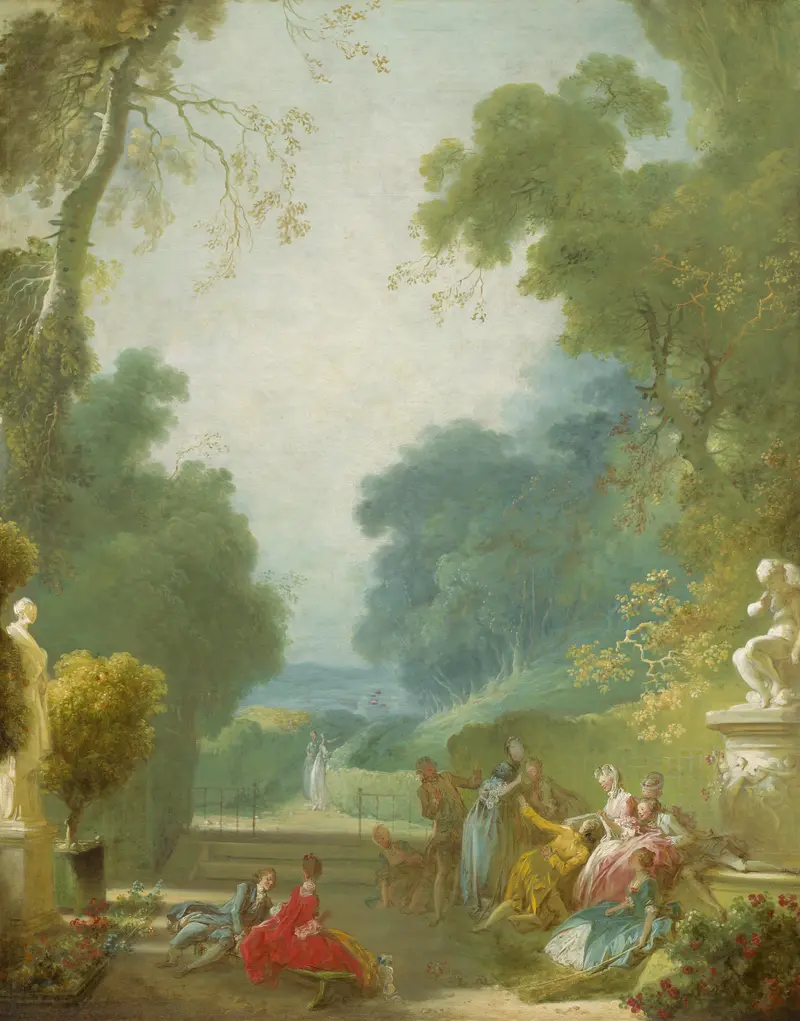
A Game of Hot Cockles
Jean-Honoré Fragonard
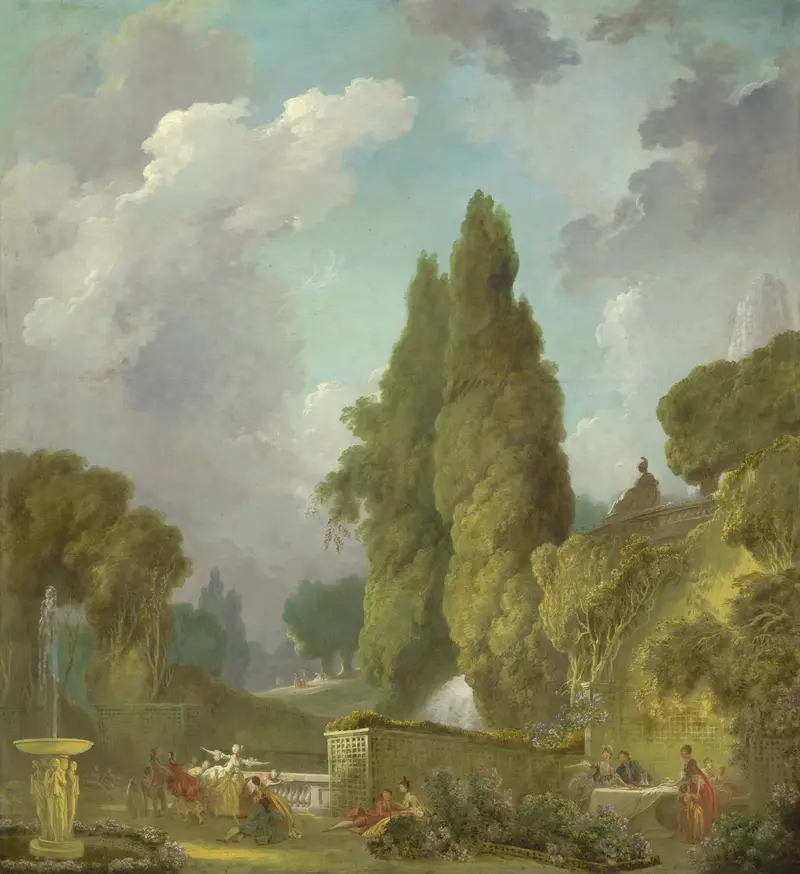
Blindman’s Buff
Jean-Honoré Fragonard
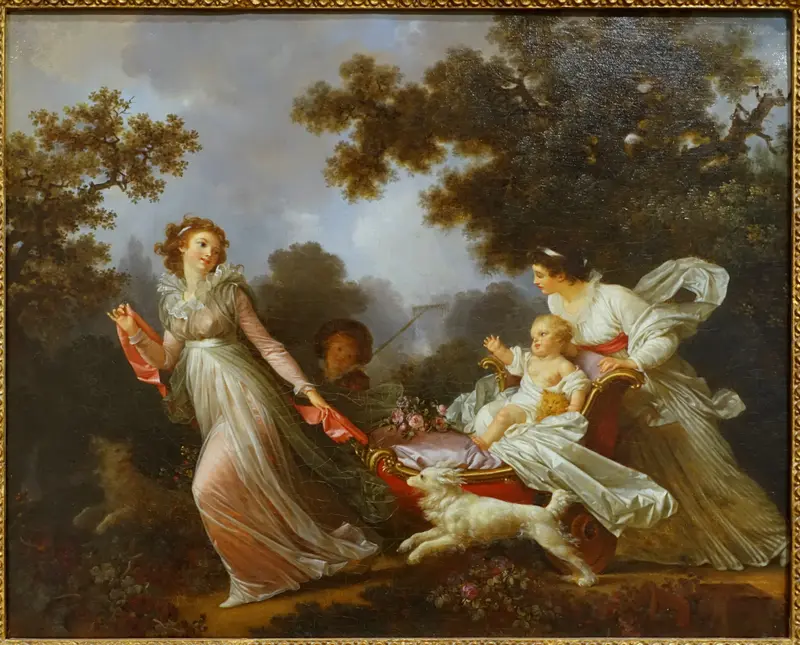
The Beloved Child
Jean-Honoré Fragonard
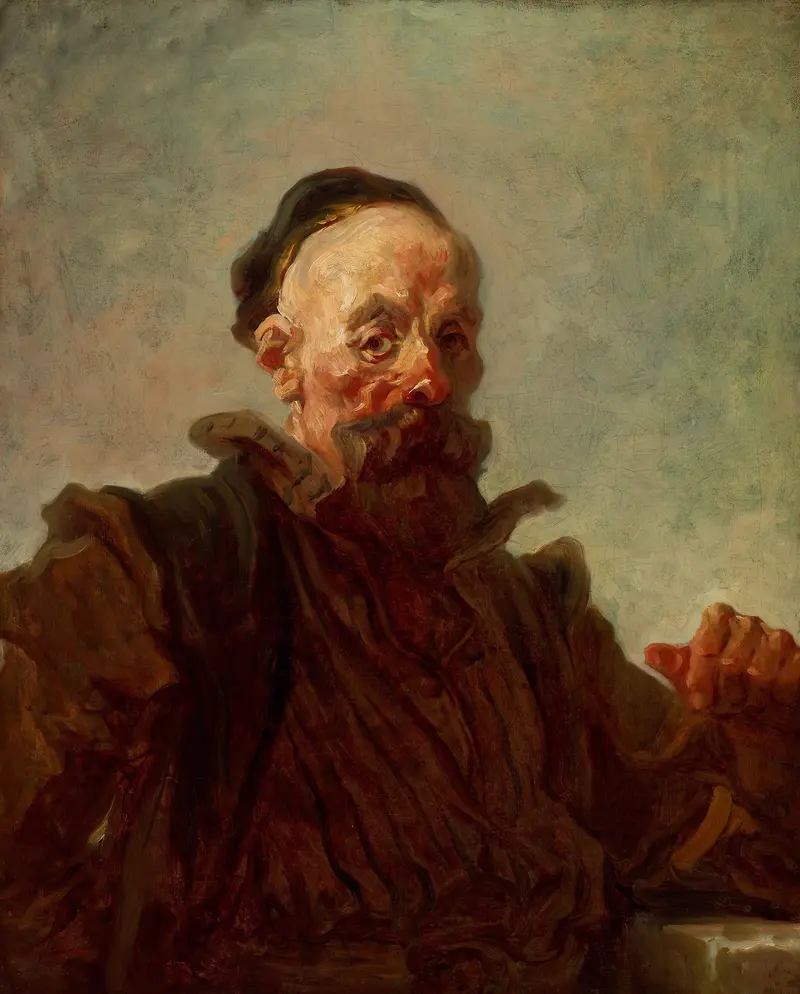
Portrait of a Man in Costume
Jean-Honoré Fragonard
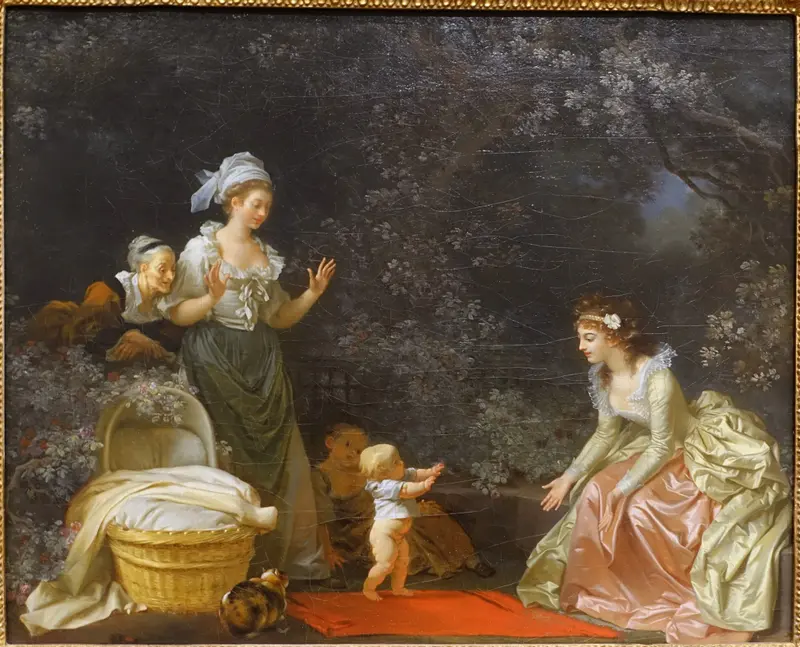
The First Steps
Jean-Honoré Fragonard
More Genre Scene Art

Banquet of the Officers of the St George Civic Guard
Frans Hals

Rembrandt and Saskia in the Scene of the Prodigal Son
Rembrandt van Rijn

Bal du moulin de la Galette
Pierre-Auguste Renoir

Quadrille at the Moulin Rouge
Henri de Toulouse-Lautrec

A Burial at Ornans
Gustave Courbet

When Will You Marry?
Paul Gauguin