
The Virgin Immaculate — History & Facts
In The Virgin Immaculate, Giovanni Battista Tiepolo presents a radiant depiction of the Virgin Mary. The painting is filled with soft blues, whites, and golds, creating a heavenly atmosphere. Mary is shown standing gracefully, surrounded by cherubs and clouds, symbolizing purity and divinity.
The delicate brushwork enhances the ethereal quality of the scene. The painting is executed in oil on canvas, a common medium for Tiepolo's works. Viewers can observe the intricate details in the drapery and the expressions of the cherubs. The use of light and shadow adds depth, making the figures appear almost three-dimensional.
Tiepolo's characteristic Rococo style is evident in the fluid lines and vibrant colors. Giovanni Battista Tiepolo was a leading painter of the Rococo period, known for his grand frescoes and religious works. The Virgin Immaculate showcases his ability to blend narrative with decorative elements. An interesting fact about this work is that it was commissioned for a church, reflecting the importance of religious themes in Tiepolo's oeuvre.
Today, it resides in the Museo del Prado, one of the most important art museums in Spain.
More Artworks by Giovanni Battista Tiepolo
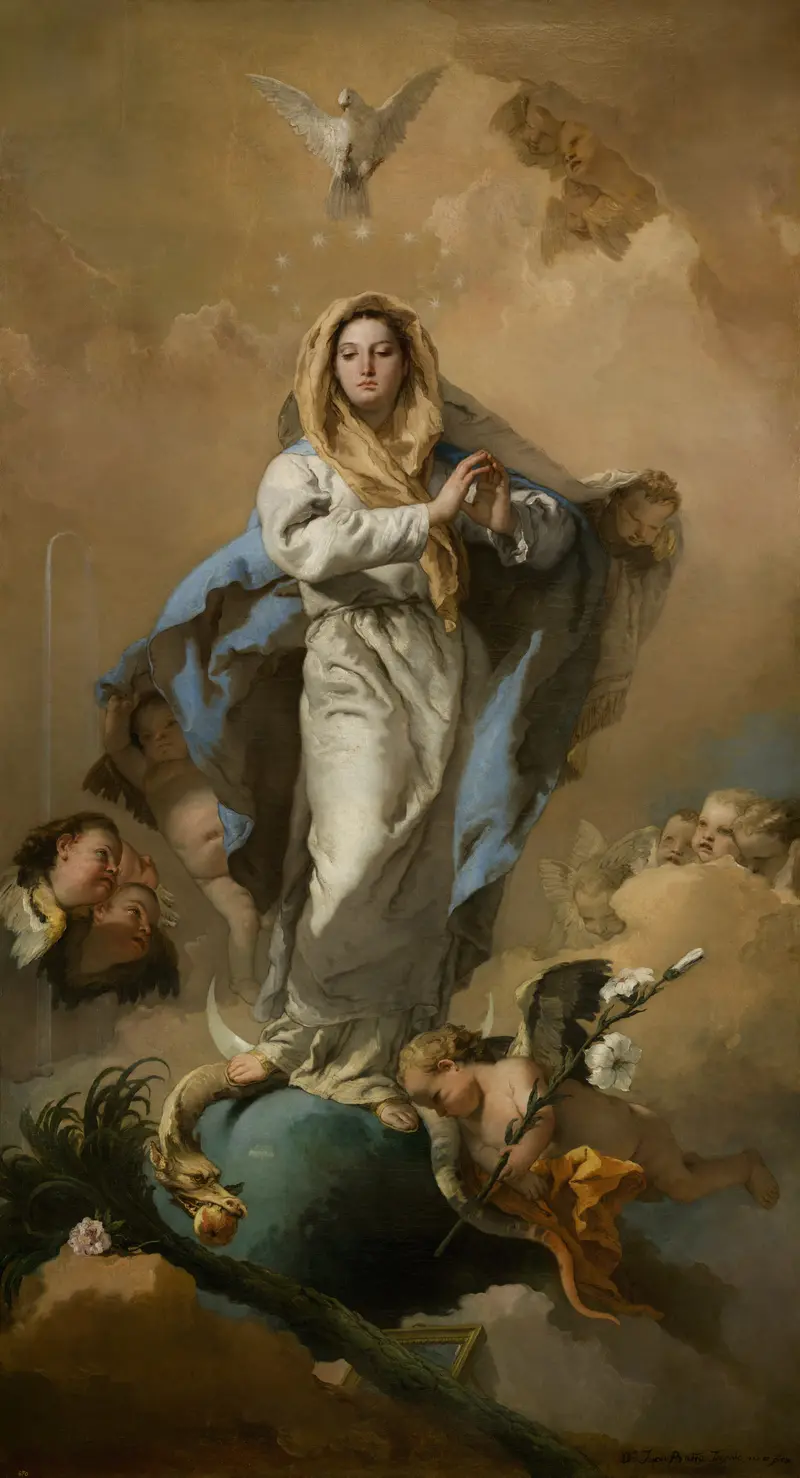
The Immaculate Conception
Giovanni Battista Tiepolo
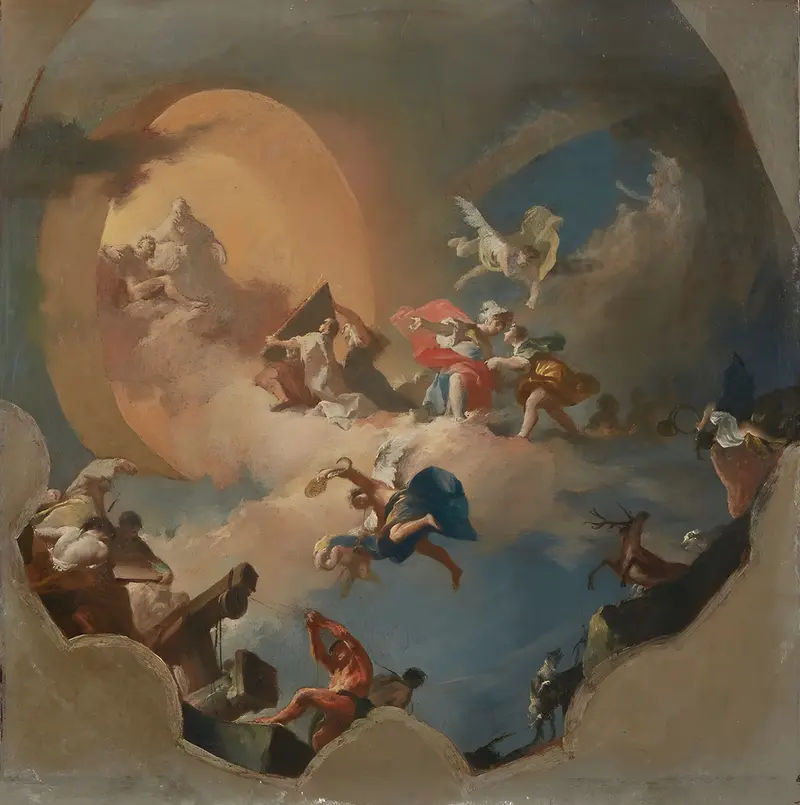
The Apotheosis of the Arts
Giovanni Battista Tiepolo
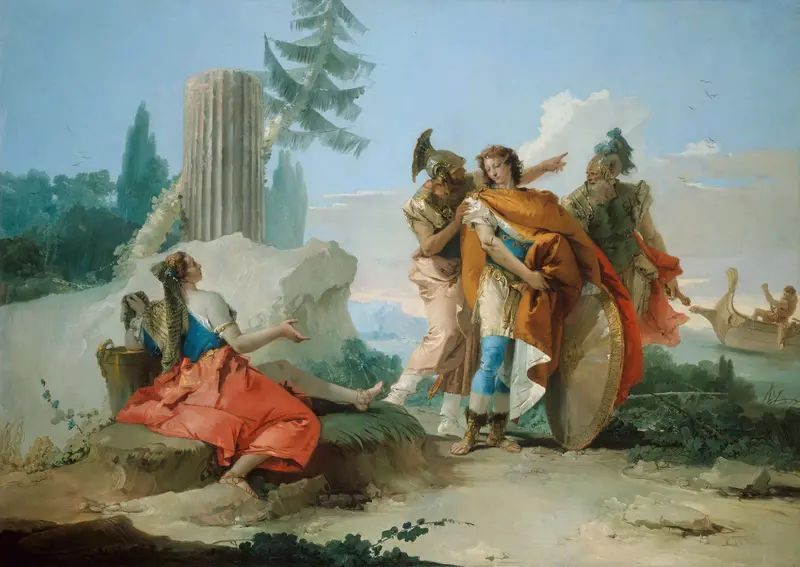
Armida Abandoned by Rinaldo
Giovanni Battista Tiepolo
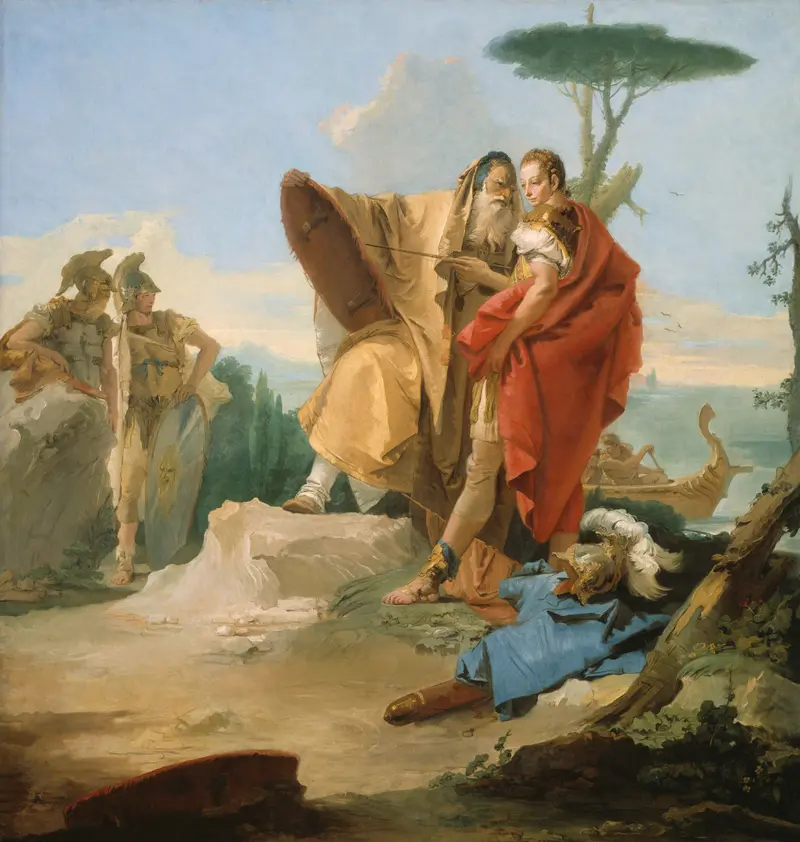
Rinaldo and the Magus of Ascalon
Giovanni Battista Tiepolo
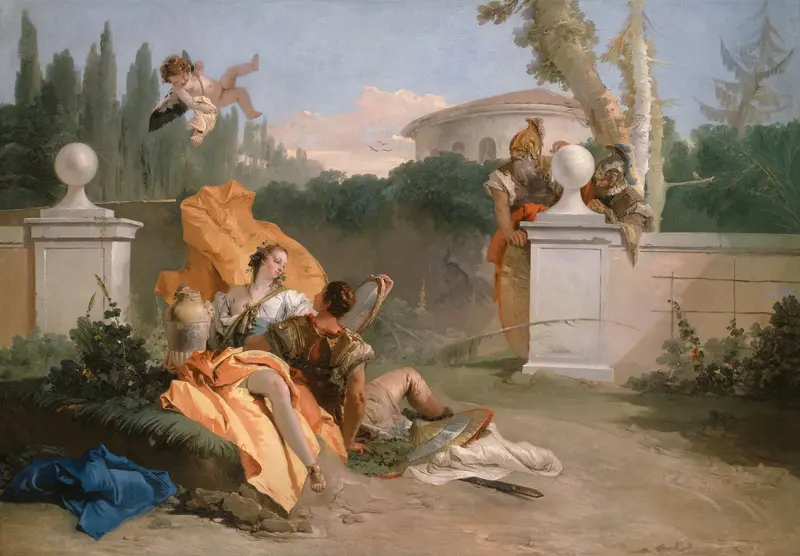
Rinaldo and Armida in Her Garden
Giovanni Battista Tiepolo
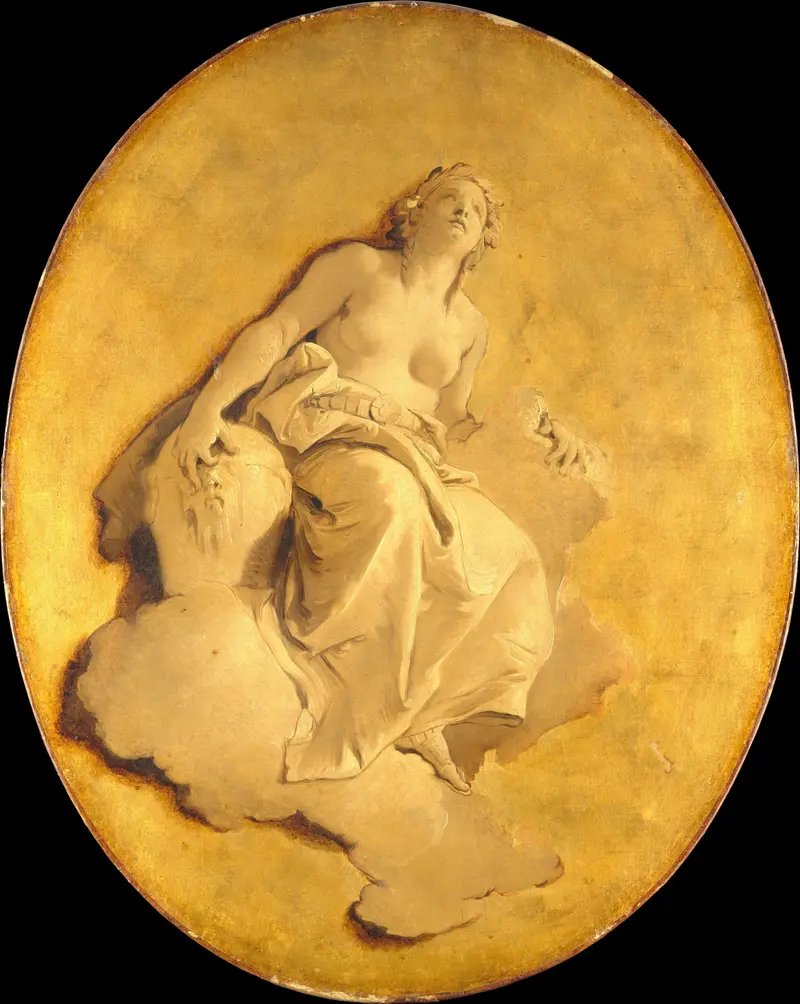
A Female Allegorical Figure
Giovanni Battista Tiepolo
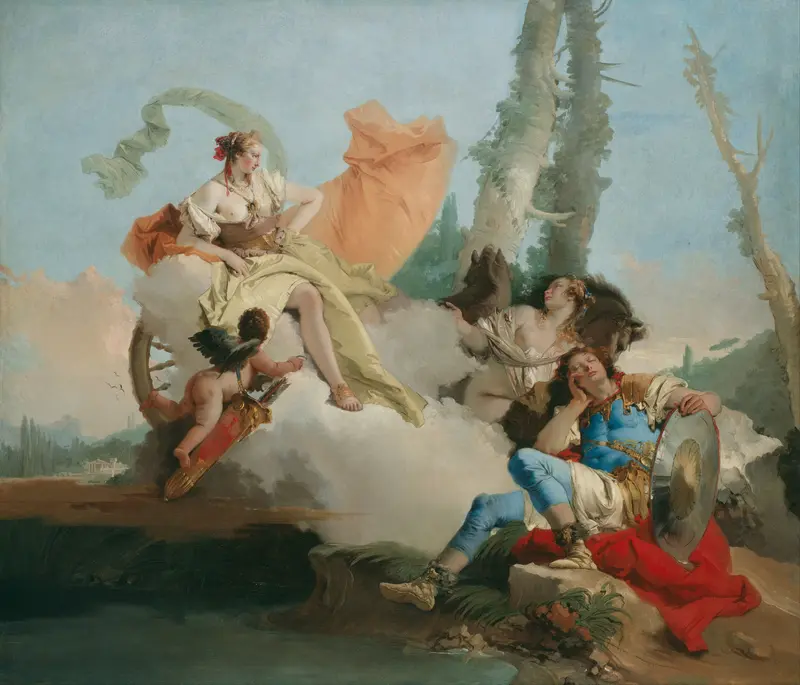
Armida Encounters the Sleeping Rinaldo
Giovanni Battista Tiepolo
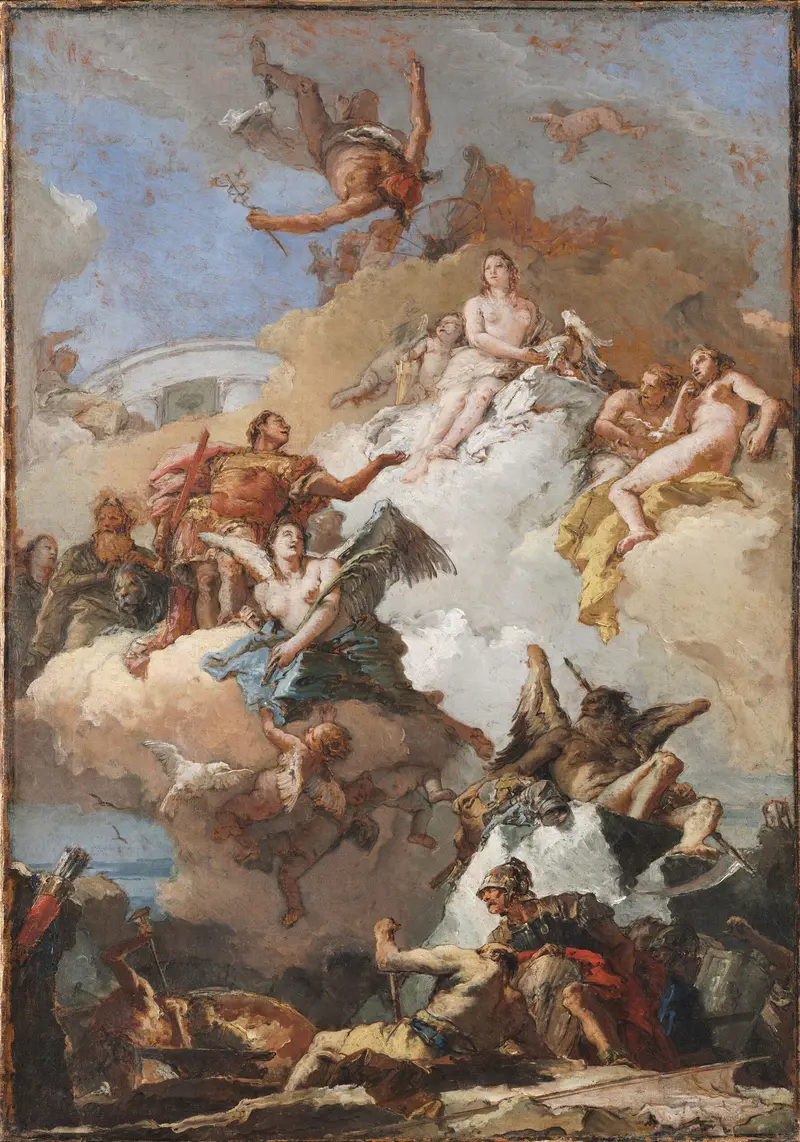
The Apotheosis of Aeneas
Giovanni Battista Tiepolo
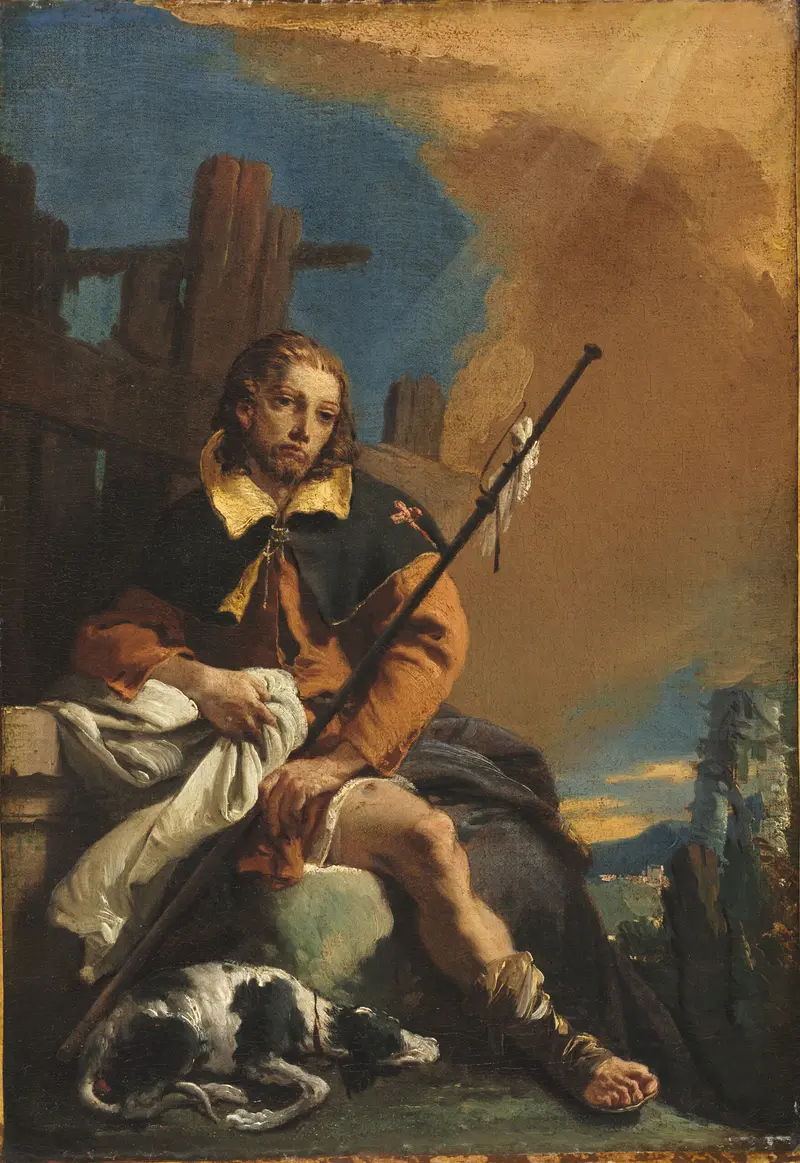
Saint Roch as a Pilgrim
Giovanni Battista Tiepolo
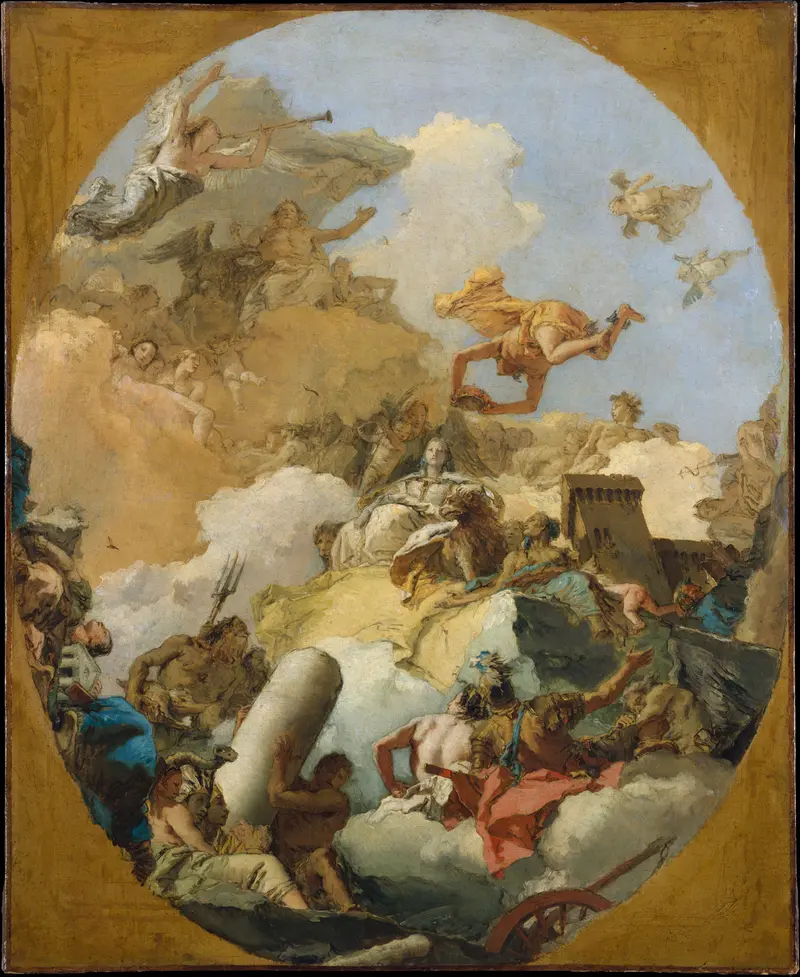
The Apotheosis of the Spanish Monarchy
Giovanni Battista Tiepolo





