
The Vision of Saint Alphonsus Rodriguez — History & Facts
When Francisco de Zurbarán painted The Vision of Saint Alphonsus Rodriguez in 1630, he captured a moment from the life of a Spanish saint whose mystical experiences were the subject of fascination and debate even in his own lifetime. Alphonsus Rodriguez, a humble Jesuit lay brother, was said to have received frequent visions during his decades of service at the college in Majorca—visions that, according to Jesuit records, began in earnest after the death of his wife and child in the late sixteenth century. The painting was likely commissioned for a Jesuit context, as the order promoted Alphonsus’s spiritual reputation in the years leading up to his beatification in 1626.
Zurbarán’s rendering stands out among Spanish Baroque works for its quiet intensity and psychological depth. Zurbarán chooses the moment when Saint Alphonsus, kneeling in prayer, is visited by a radiant apparition of the Virgin and Child, accompanied by angels. The saint’s weathered hands are clasped tightly, his gaze fixed upward in awe and humility, while the celestial figures seem to float in a golden haze above him. The sharp contrast between the saint’s rough habit and the luminous, softly modeled forms of the vision emphasizes the gulf between earthly suffering and heavenly reward—a hallmark of Zurbarán’s religious paintings.
The composition’s simplicity, with its focus on the solitary figure and the supernatural light, differs from the more crowded and theatrical treatments by artists like Murillo, who filled similar visions with swirling clouds and exuberant cherubs. Though the precise early history of The Vision of Saint Alphonsus Rodriguez is not fully documented, it is believed to have remained in a religious setting for much of its existence, possibly in a Jesuit college or church in Andalusia. The painting reflects a period in Zurbarán’s career when he was in high demand for monastic commissions, celebrated for his ability to convey spiritual intensity with restraint. Today, the work is held in the Museo del Prado, where it stands as a testament to the artist’s unique vision and the fervent Catholic culture of seventeenth-century Spain.
Its survival through centuries of religious and political upheaval is a reminder of the enduring power of faith and art.
More Artworks by Francisco de Zurbarán
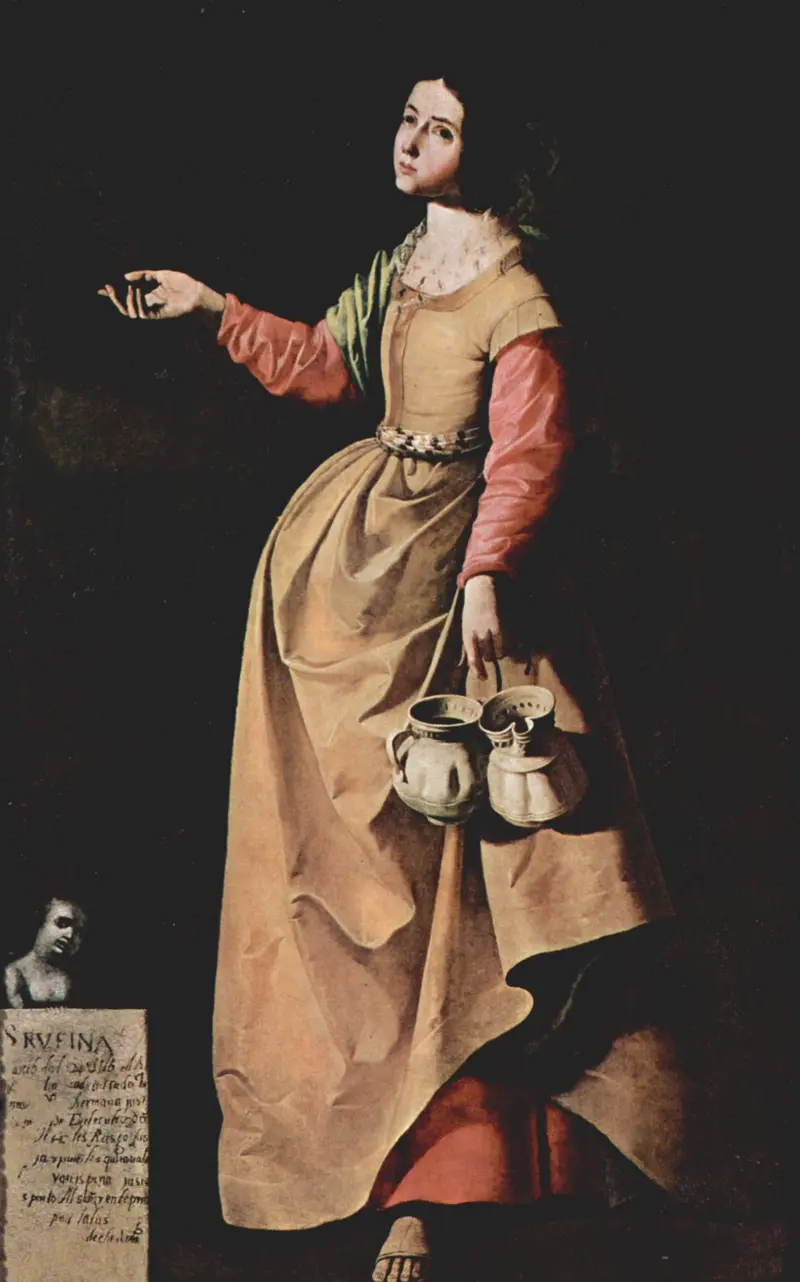
Saint Rufina
Francisco de Zurbarán
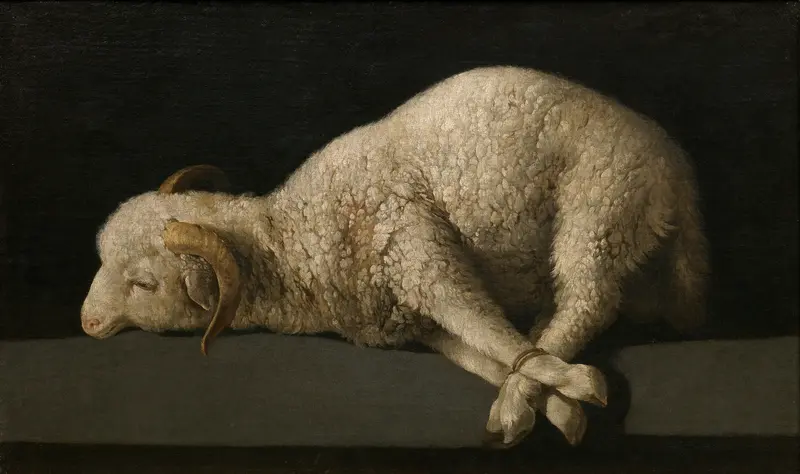
Agnus Dei
Francisco de Zurbarán
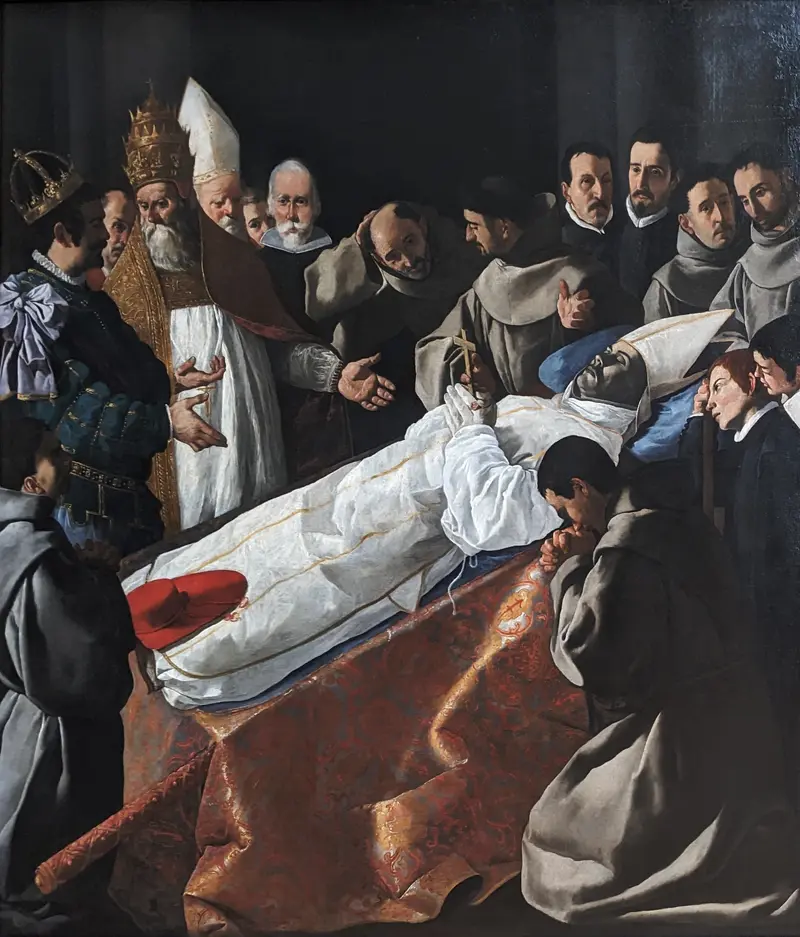
Saint Bonaventure's Body Lying in State
Francisco de Zurbarán
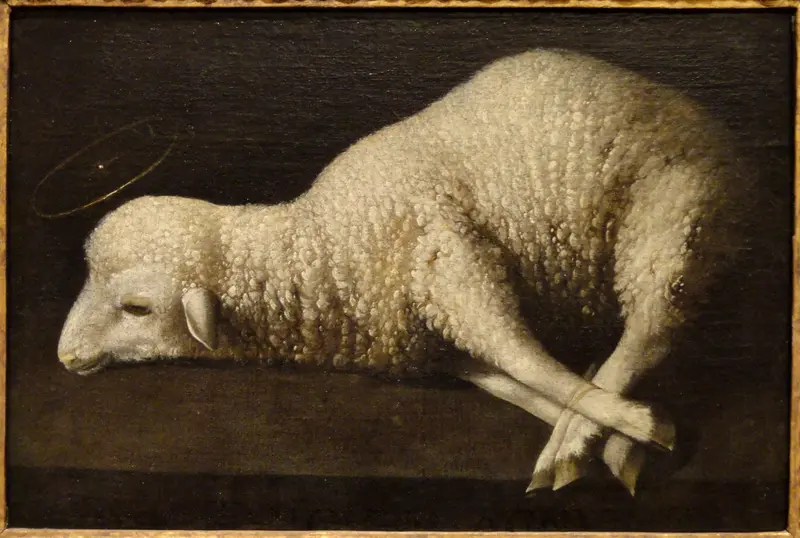
The Lamb of God
Francisco de Zurbarán

Adoration of the Magi
Francisco de Zurbarán
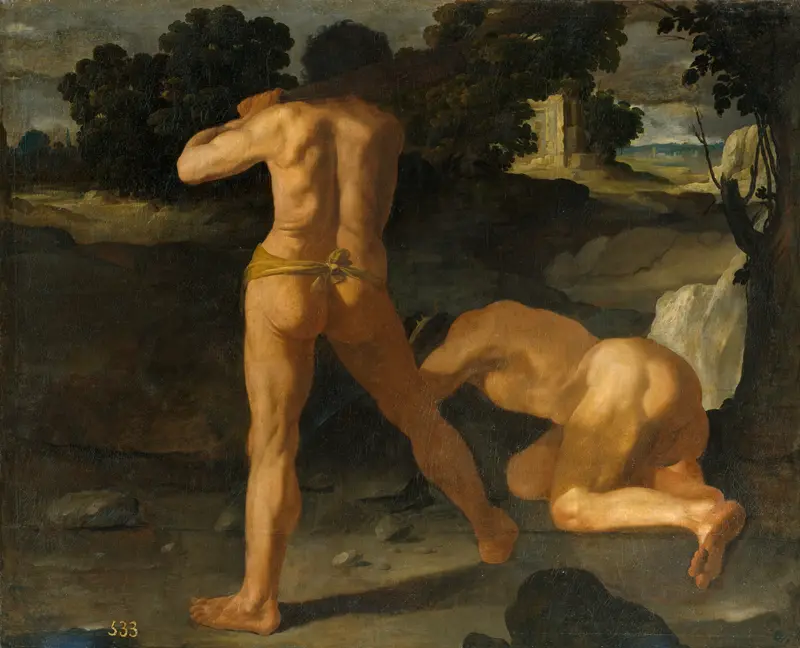
Hercules defeats King Geryon
Francisco de Zurbarán
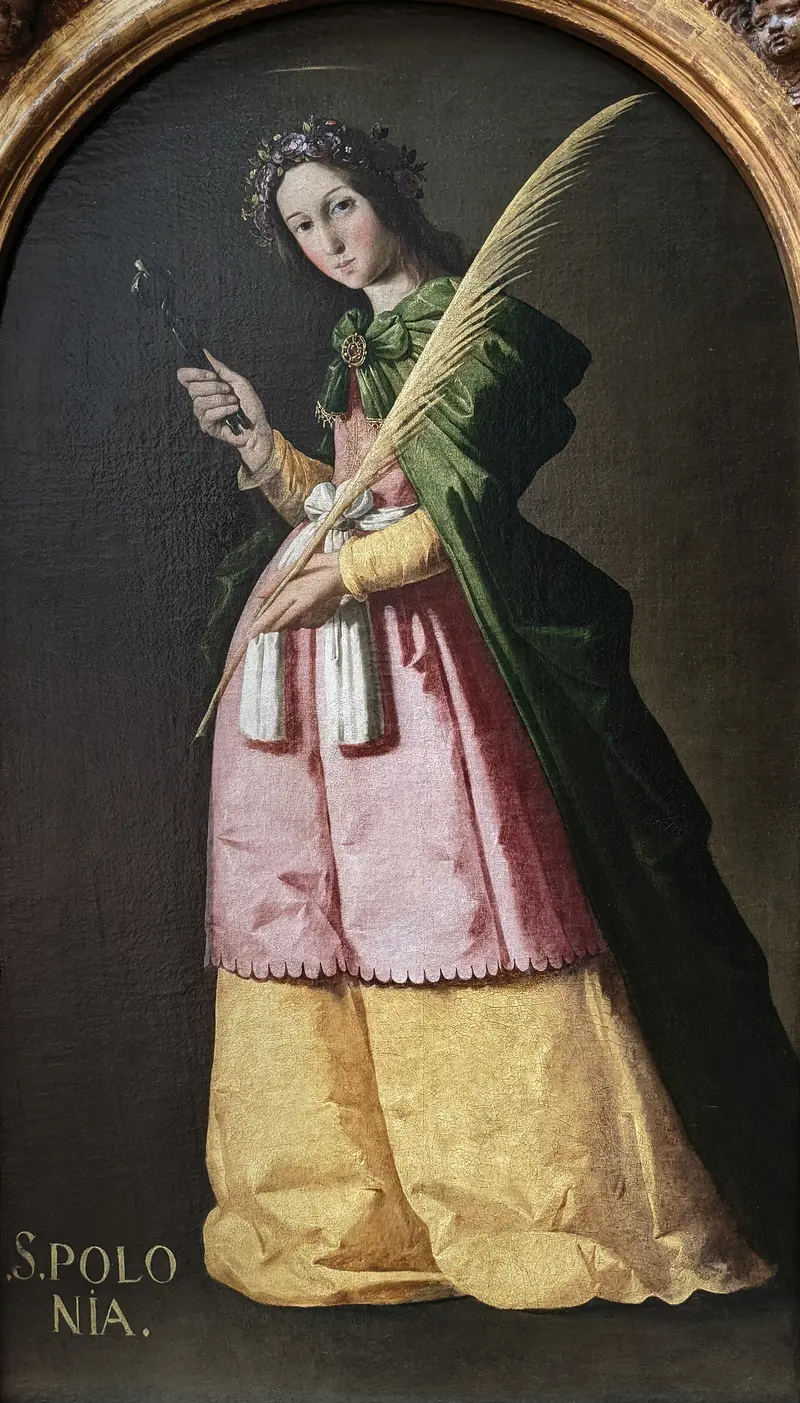
Saint Apollonia
Francisco de Zurbarán
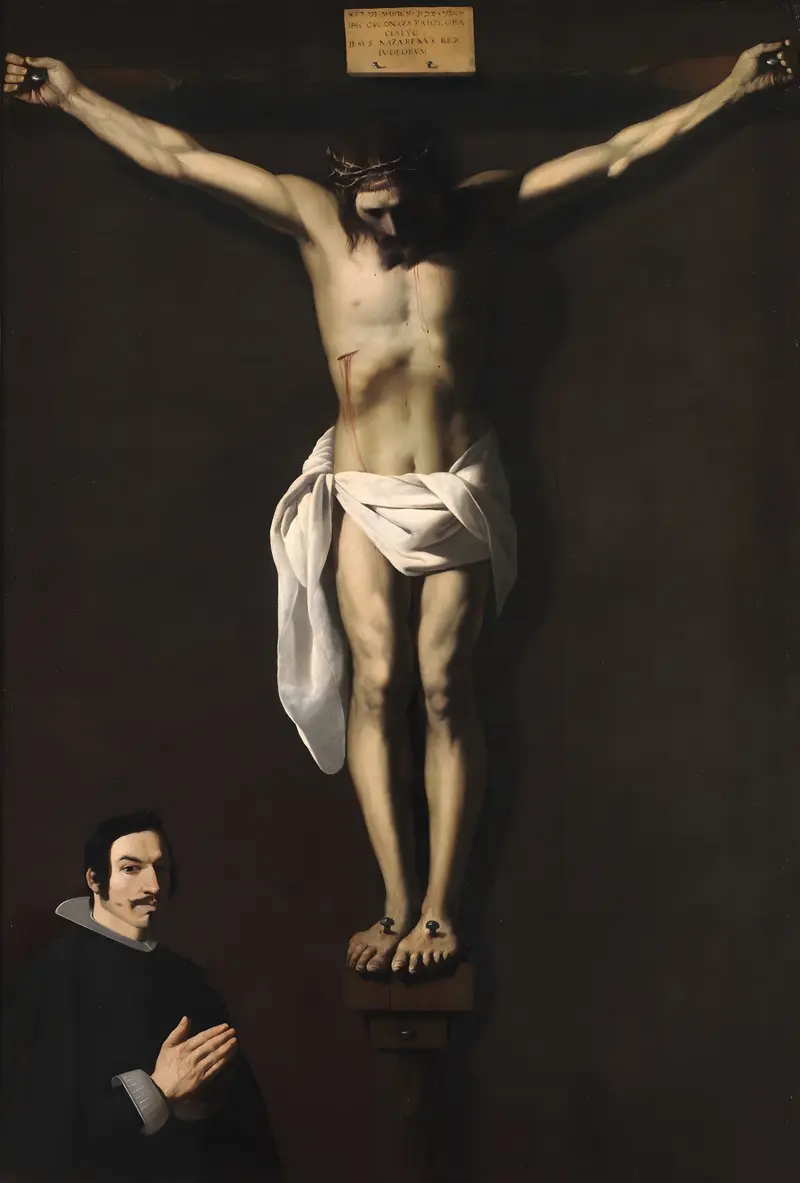
The Crucified Christ with a Donor
Francisco de Zurbarán
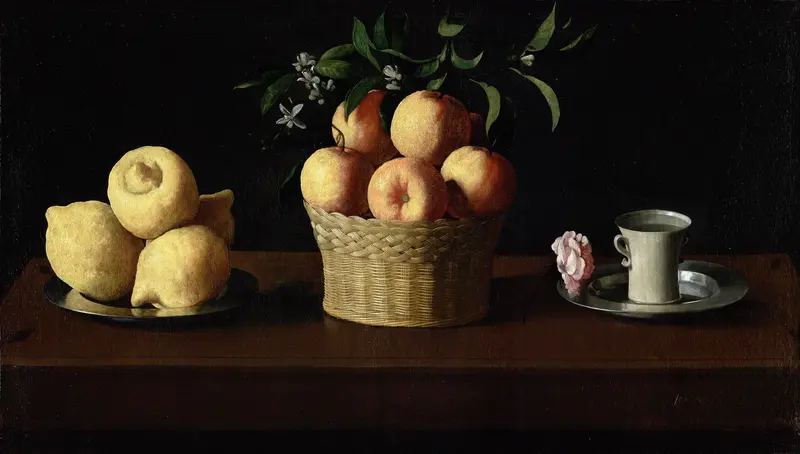
Still Life with Lemons, Oranges and a Rose
Francisco de Zurbarán
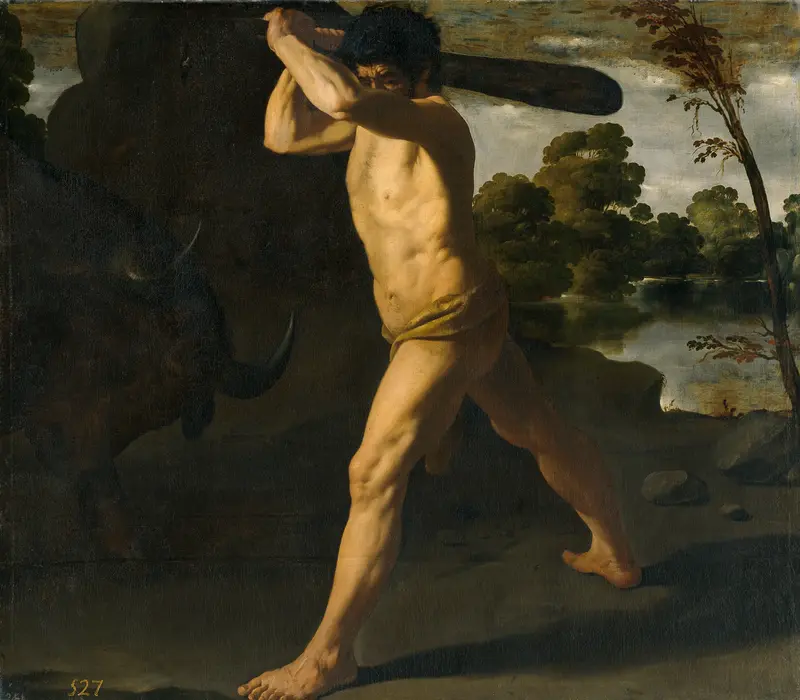
Hercules and the Cretan Bull
Francisco de Zurbarán





