
The Washerwomen — History & Facts
What first catches the eye in The Washerwomen is the energy of movement, captured in a flurry of quick, confident strokes. The figures bend over the water, their skirts and aprons rendered in thick, lively daubs of white and blue, while the surface of the stream below flickers with reflections—broken, shimmering, never still. The painter draws us into the rhythm of labor, the repetition of bodies at work, but also the fleeting moments of color: a flash of red in a blouse, a streak of violet among the linens.
The background dissolves into abstraction, so that the women and their mirrored forms become the true focus, bound together by the play of light and water. This scene belongs to a tradition that flourished in nineteenth-century Spain, when painters like Francisco Pradilla turned their gaze to everyday life and the people who shaped it. Such works were often destined for collectors or salons eager to see the dignity and beauty in humble routines, at a time when rapid modernization threatened to erase them. The date of this painting remains unknown, and history has kept few traces of its journey, but its presence in the Sotheby’s collection today is a reminder of how these moments—once so ordinary—continue to command attention.
The viewer is left not with a narrative, but with a vivid sense of place and gesture, inviting another look at the world reflected in the water.
More Artworks by Francisco Pradilla

Spring Mist in Italy
Francisco Pradilla
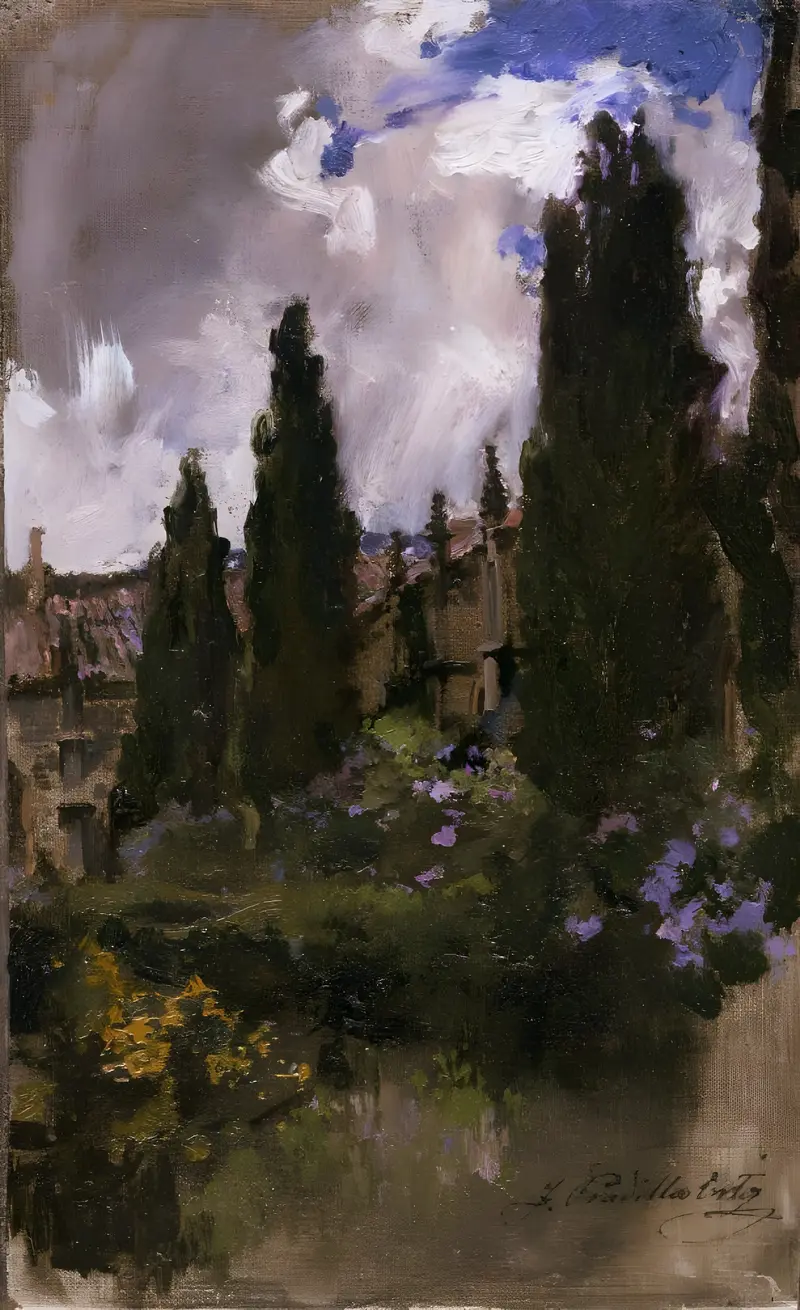
Among the Bulls of Guisando
Francisco Pradilla
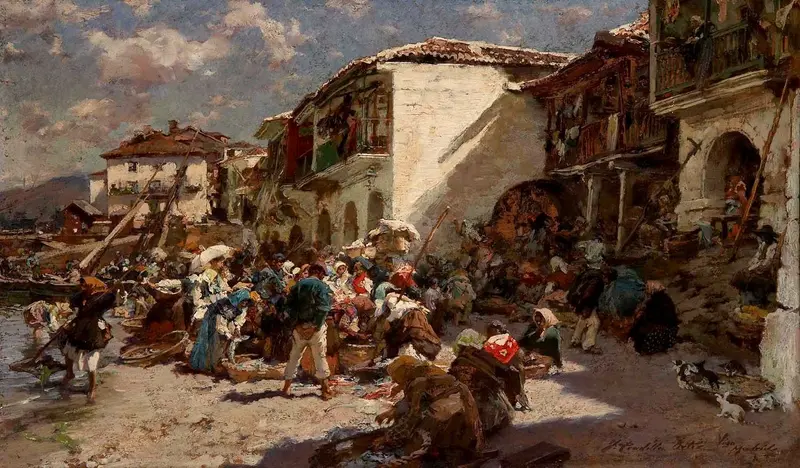
Selling Fish on Vigo Beach
Francisco Pradilla
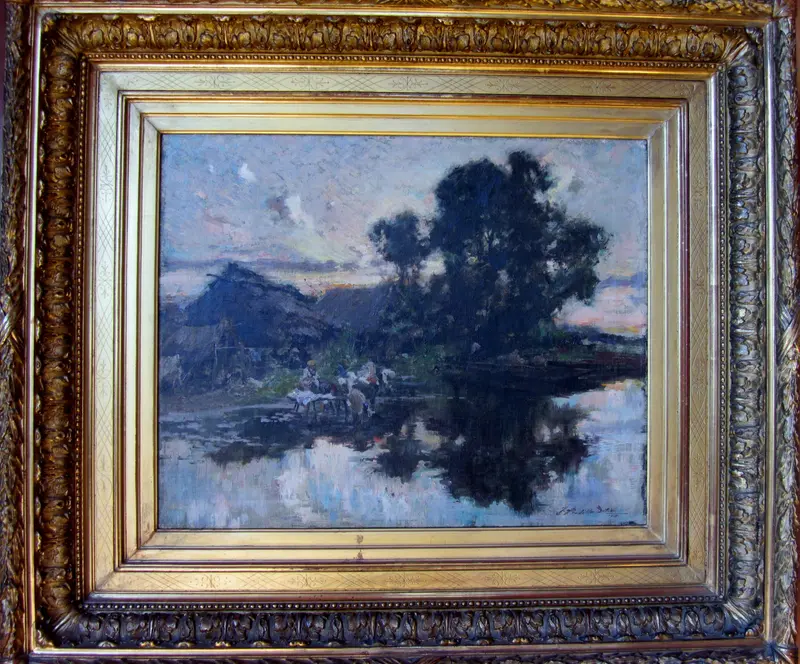
On the Riverbank
Francisco Pradilla

Raimunda Osorio, Marchioness of Linares
Francisco Pradilla
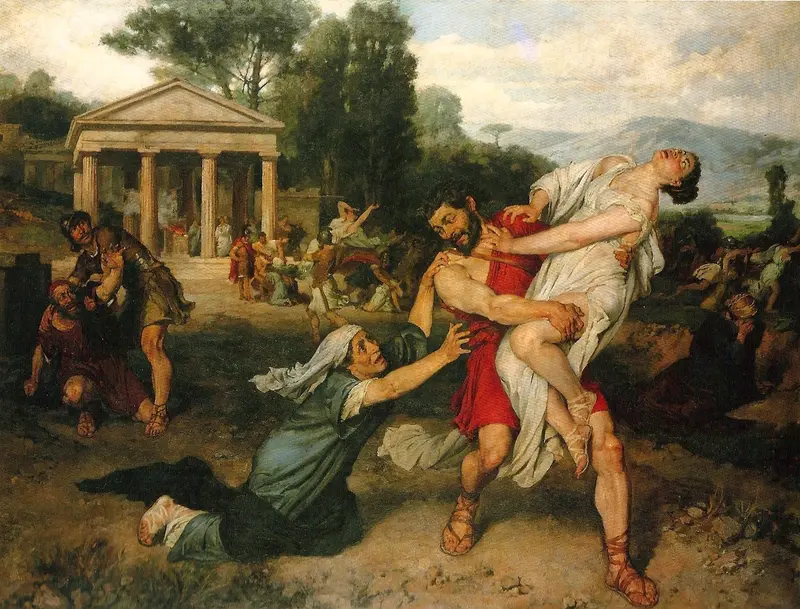
The Rape of the Sabine Women
Francisco Pradilla
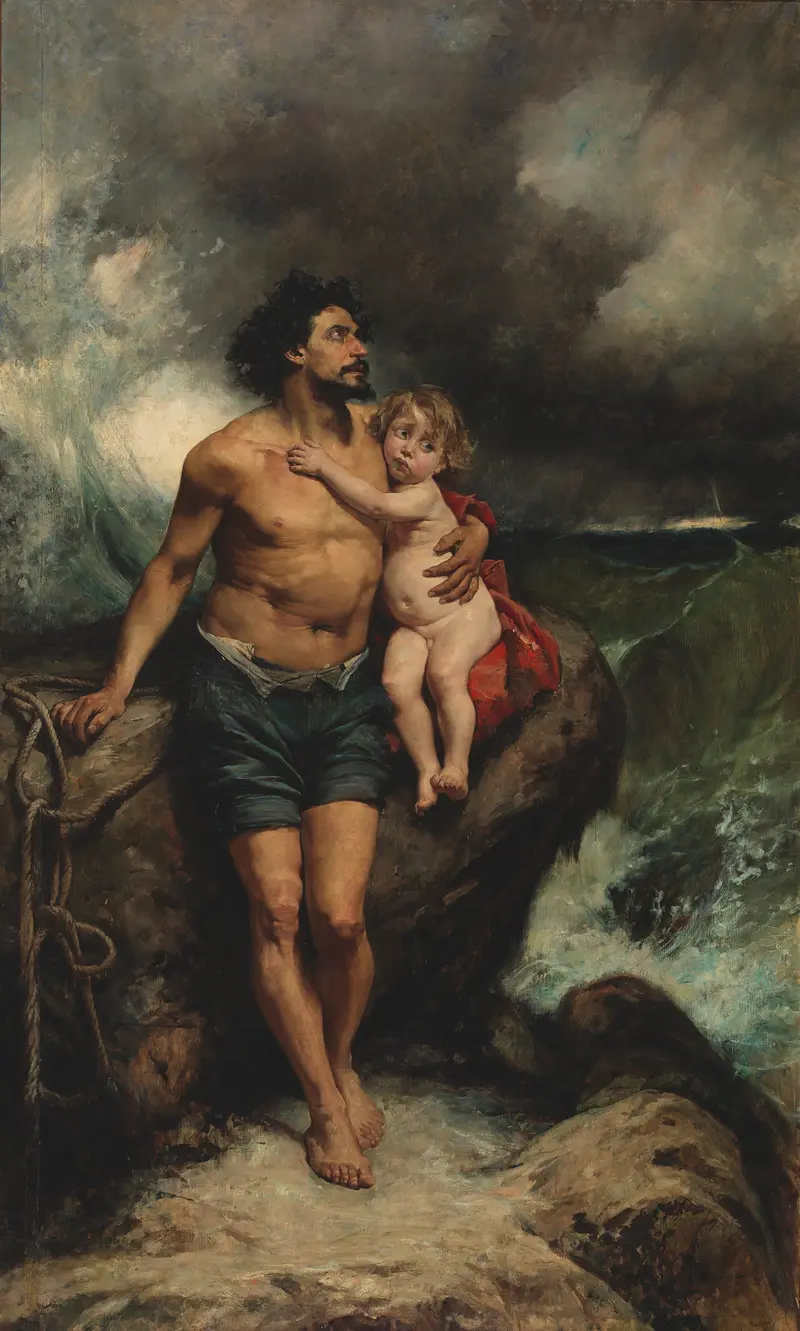
The Shipwrecked
Francisco Pradilla
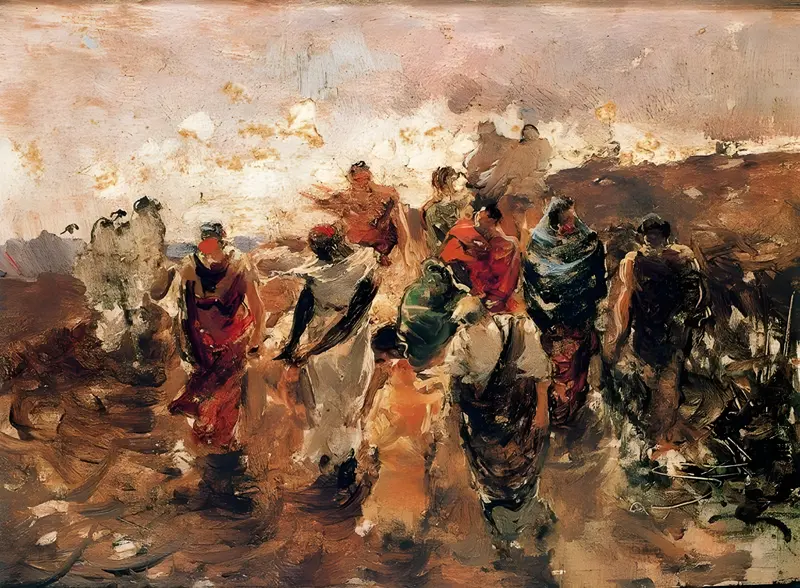
Impression
Francisco Pradilla
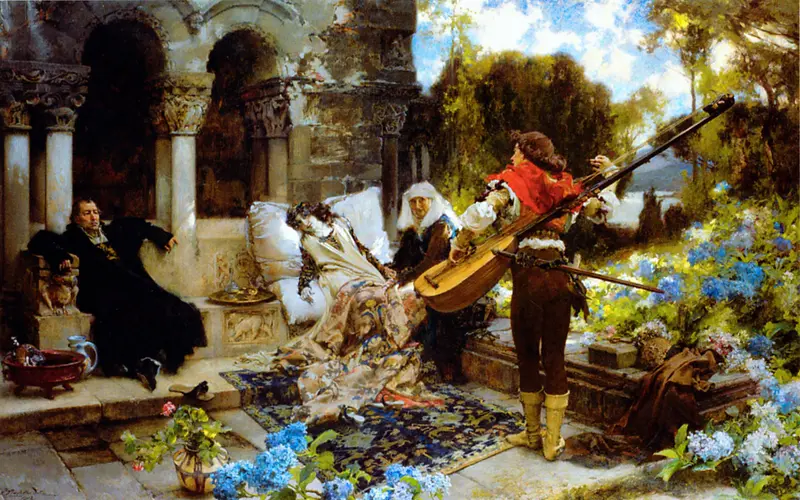
Lovesickness
Francisco Pradilla
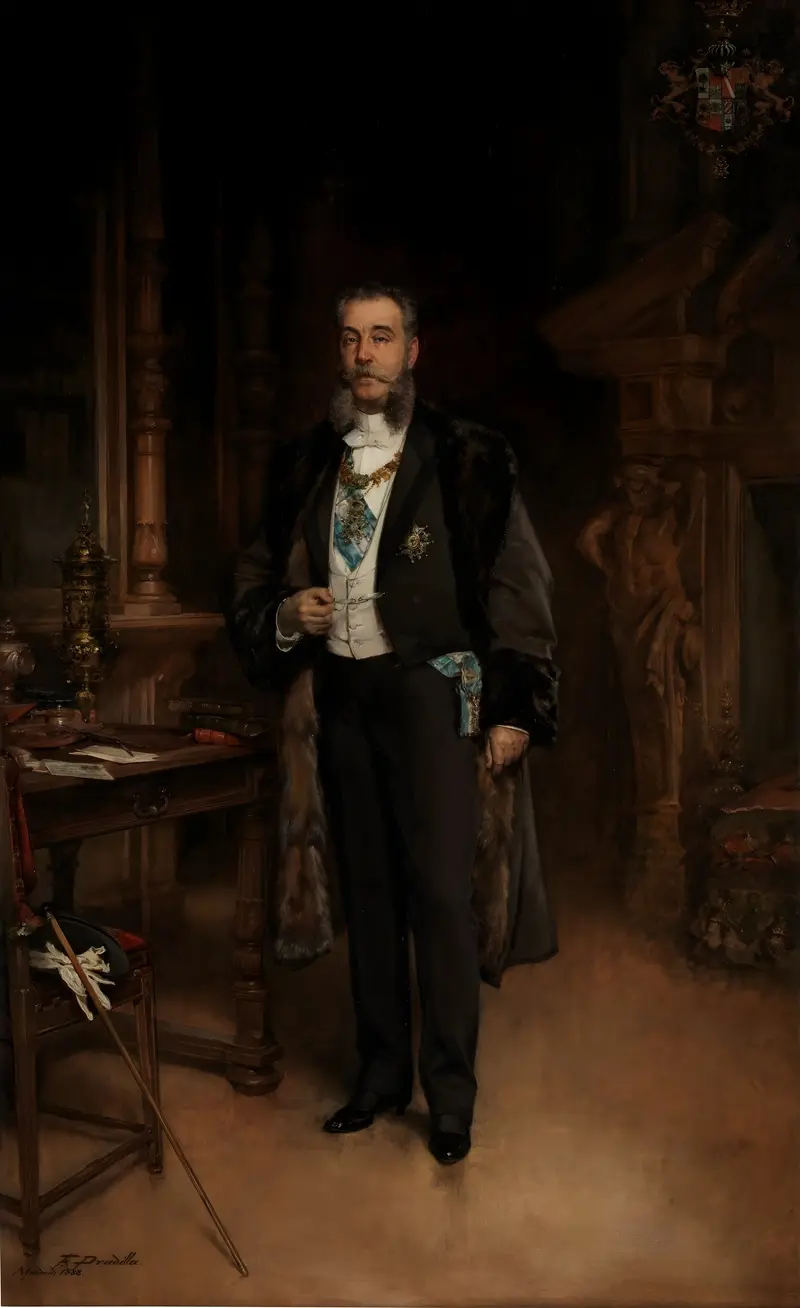
José María de Murga, Marquis of Linares
Francisco Pradilla
More Genre Scene Art

Banquet of the Officers of the St George Civic Guard
Frans Hals

Rembrandt and Saskia in the Scene of the Prodigal Son
Rembrandt van Rijn

Bal du moulin de la Galette
Pierre-Auguste Renoir

Quadrille at the Moulin Rouge
Henri de Toulouse-Lautrec

A Burial at Ornans
Gustave Courbet

When Will You Marry?
Paul Gauguin