
The woman known as 'Chiarrucia' — History & Facts
No one knows for certain who the woman called “Chiarrucia” truly was, and this mystery has haunted both viewers and scholars since Alexandre Cabanel first exhibited the painting in 1848. Some believe she was a model from Rome, others a figure from local legend, and a few suggest she was an invention of the artist’s imagination—a living symbol rather than a portrait. The ambiguity of her identity, coupled with Cabanel’s early-career signature, has made the work a touchstone for debates about authenticity and the role of narrative in portraiture.
In the absence of records, the painting’s title alone has become a riddle: “Chiarrucia” is not a common Italian name, and its origins remain obscure. Cabanel captures his sitter at a moment of quiet defiance. The woman meets the viewer’s gaze directly, her dark eyes luminous beneath a simple headscarf, hands folded in her lap with a single gold ring glinting on her finger. The light falls sharply across her face, highlighting the tension in her jaw and the set of her mouth—an effect reminiscent of Jean-Auguste-Dominique Ingres’s psychological portraits, but with a raw immediacy that feels almost confessional.
The plainness of her dress and the muted background draw all attention to her expression, inviting us to read her story in the lines of her face. Unlike the idealized beauties of Cabanel’s later Academic works, Chiarrucia is rendered with a frankness that suggests both hardship and dignity. Little is known about the early history of The woman known as 'Chiarrucia'. There is no surviving record of its first owner, and its medium—possibly oil on canvas, but unconfirmed—remains a subject of technical investigation.
The painting resurfaced in the late twentieth century, attributed to Cabanel on the basis of style and a faint signature, and has since become a highlight of online galleries dedicated to nineteenth-century portraiture. It stands apart from Cabanel’s more famous mythological scenes, offering a glimpse of the artist’s interest in realism before he embraced the grand manner of the Salon. Today, Chiarrucia endures as both a puzzle and a portrait, her story still open to interpretation.
More Artworks by Alexandre Cabanel
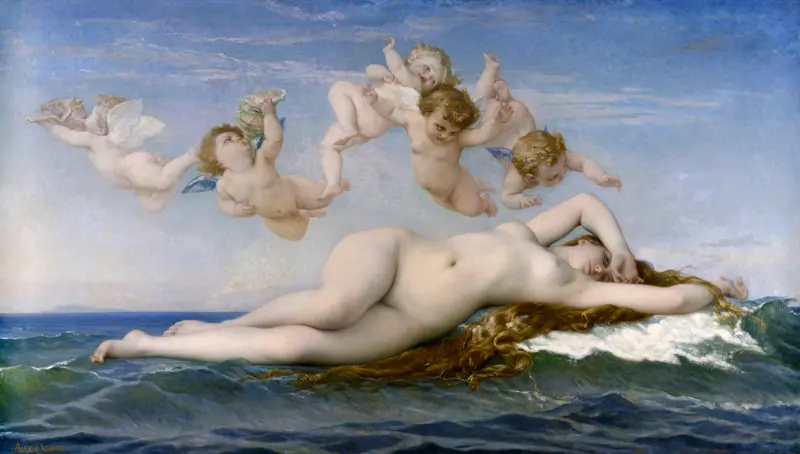
The Birth of Venus
Alexandre Cabanel
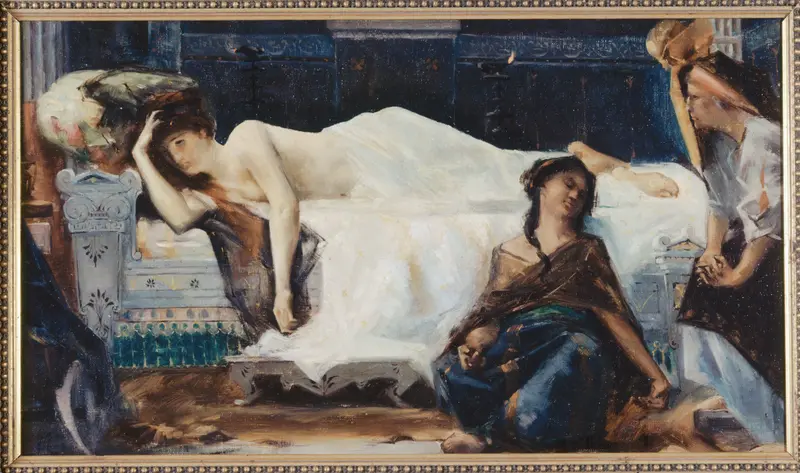
Phèdre
Alexandre Cabanel
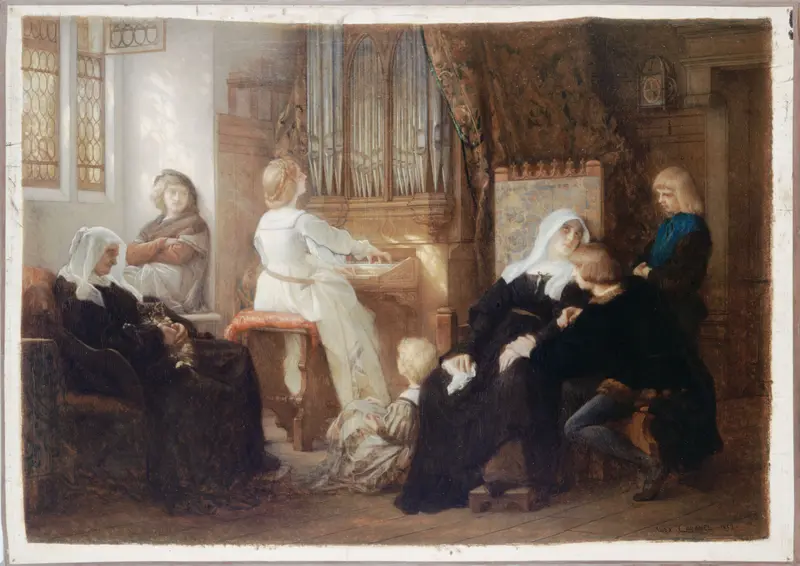
La veuve du maître de chapelle
Alexandre Cabanel
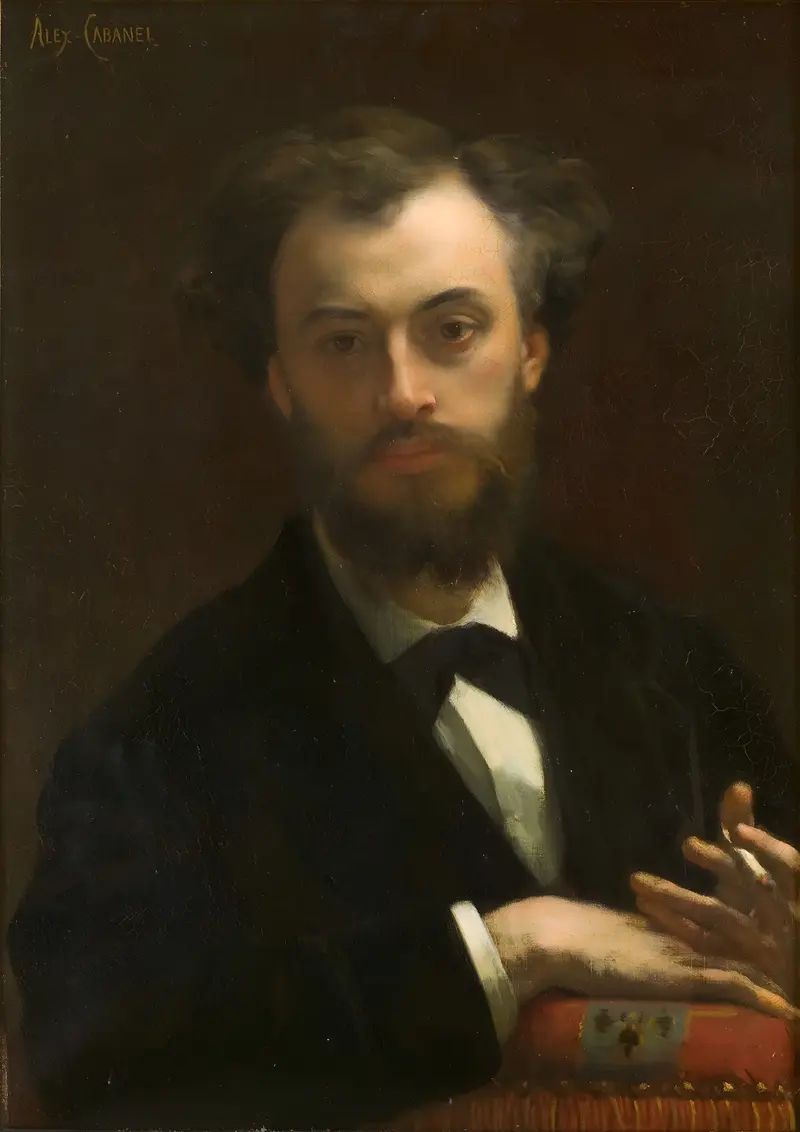
Portrait de M. Pierre Cabanel
Alexandre Cabanel
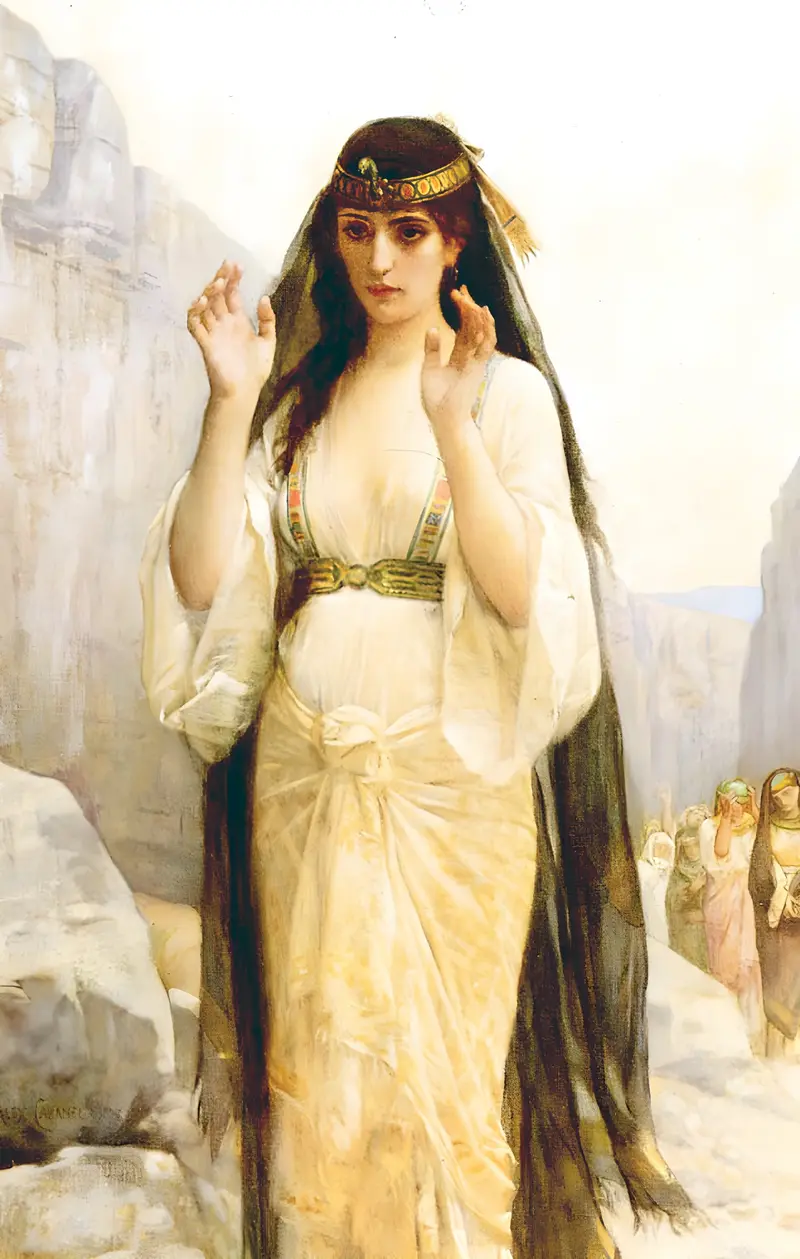
The Daughter of Jephthah
Alexandre Cabanel
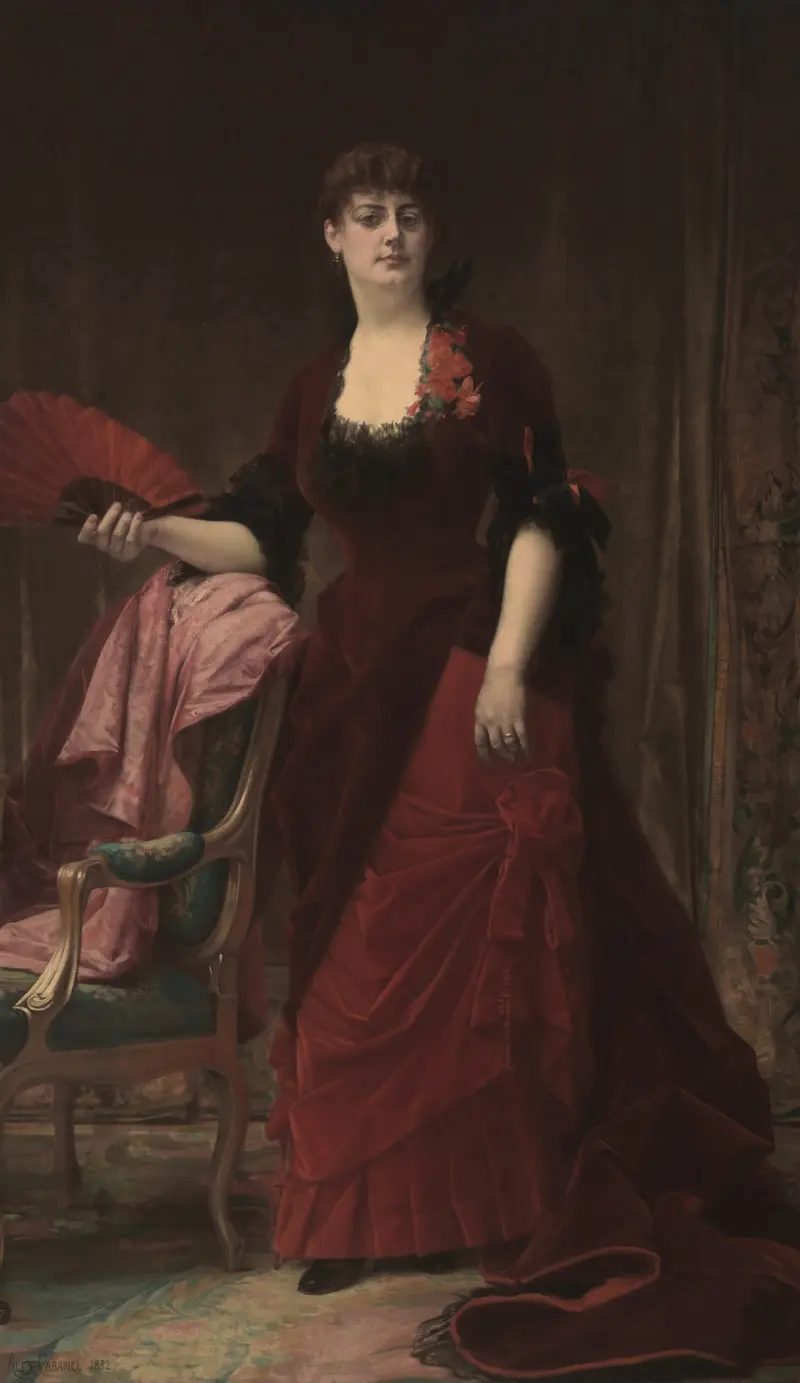
Portrait of Arabella Worsham (later Arabella Huntington)
Alexandre Cabanel
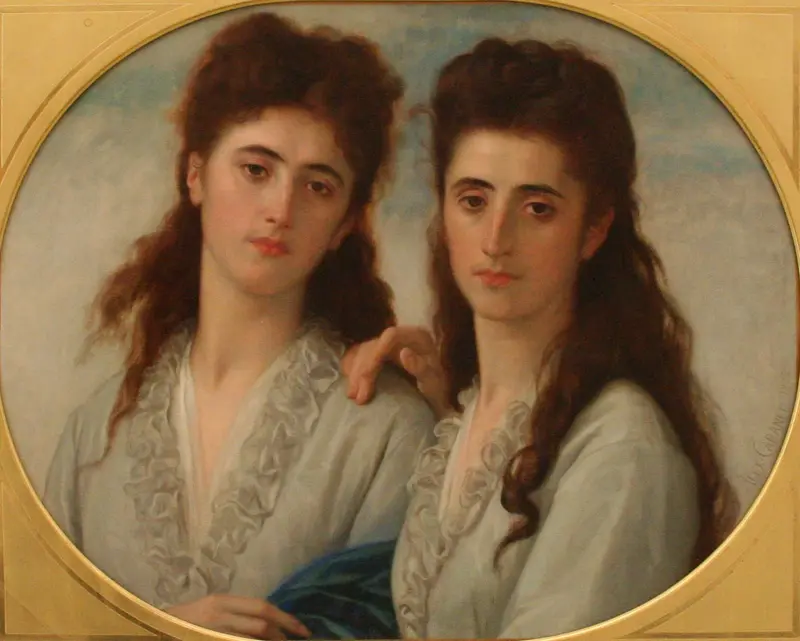
Portrait de mesdemoiselles Sophie et Berthe Cabanel
Alexandre Cabanel
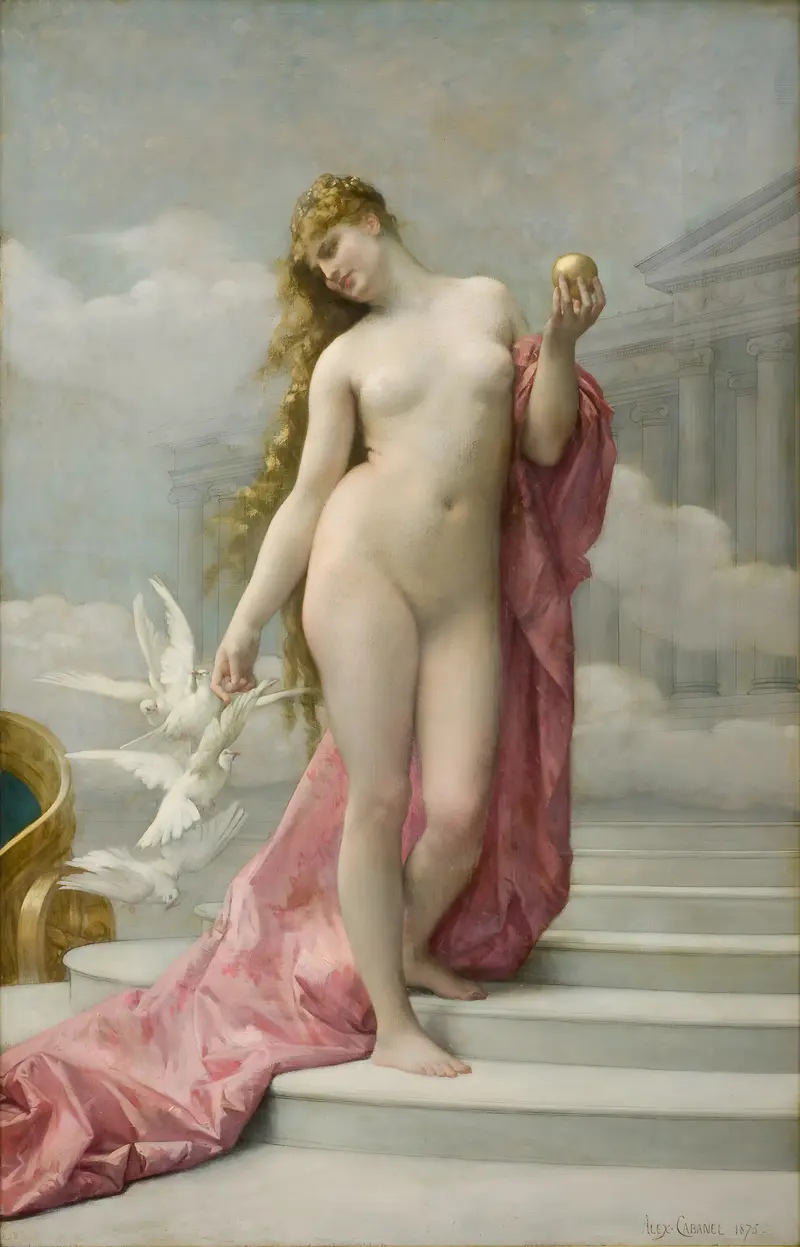
Vénus victorieuse
Alexandre Cabanel
Judith
Alexandre Cabanel
Catharine Lorillard Wolfe (1828–1887)
Alexandre Cabanel





