
The Wounded Cuirassier — History & Facts
When The Wounded Cuirassier appeared at the 1814 Paris Salon, it marked a dramatic turn for the young Théodore Géricault, who had just made his public debut. Critics and visitors expected another heroic battle scene in the tradition of Napoleonic glory, but instead found a solitary, defeated cavalryman—an image that unsettled many in a France reeling from recent military disasters. The painting’s ambiguous mood and lack of visible wounds sparked immediate debate; some even questioned whether the cuirassier was truly wounded at all, or simply broken by fear and retreat. The moment Géricault chose is one of uneasy withdrawal: a cuirassier, heavy in his armor, steadies himself against his horse, which nervously descends a slope.
The soldier’s sword hangs uselessly, his gaze turned away from the viewer, his posture tense yet uncertain. The horse’s backward glance mirrors the rider’s anxiety, while the dark, turbulent sky presses down on both figures, amplifying their isolation. Unlike the triumphant cavalry charges immortalized by Jacques-Louis David or the theatrical heroics of Antoine-Jean Gros, Géricault gives us the aftermath—a study in vulnerability and doubt, where the real wound may be psychological. No contemporary patron is recorded for this work, and its early history is somewhat obscure, typical of Géricault's first years as a painter.
The painting’s reception at the Salon was mixed, yet it established Géricault as a bold new voice, foreshadowing the emotional intensity he would later bring to The Raft of the Medusa. Today, The Wounded Cuirassier is held at the Musée du Louvre, a testament to its enduring place in the story of French Romanticism. Its innovative focus on the cost of war, rather than its glory, has made it a touchstone for later generations of artists and viewers alike.
More Artworks by Théodore Géricault
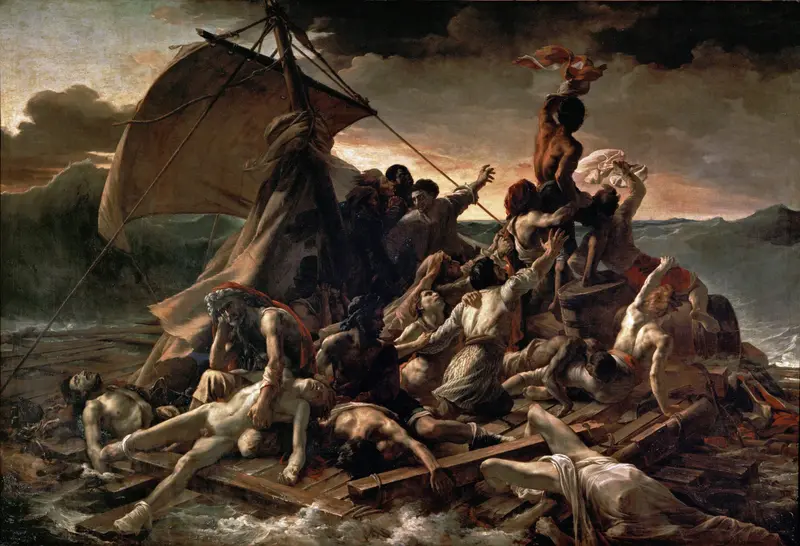
The Raft of the Medusa
Théodore Géricault

Géricault - Le naufrage du radeau de la Méduse, MBA 790
Théodore Géricault
Cattle Market
Théodore Géricault
Evening; Landscape with an Aqueduct
Théodore Géricault
Horse Race
Théodore Géricault

Horses Standing in a Mews
Théodore Géricault
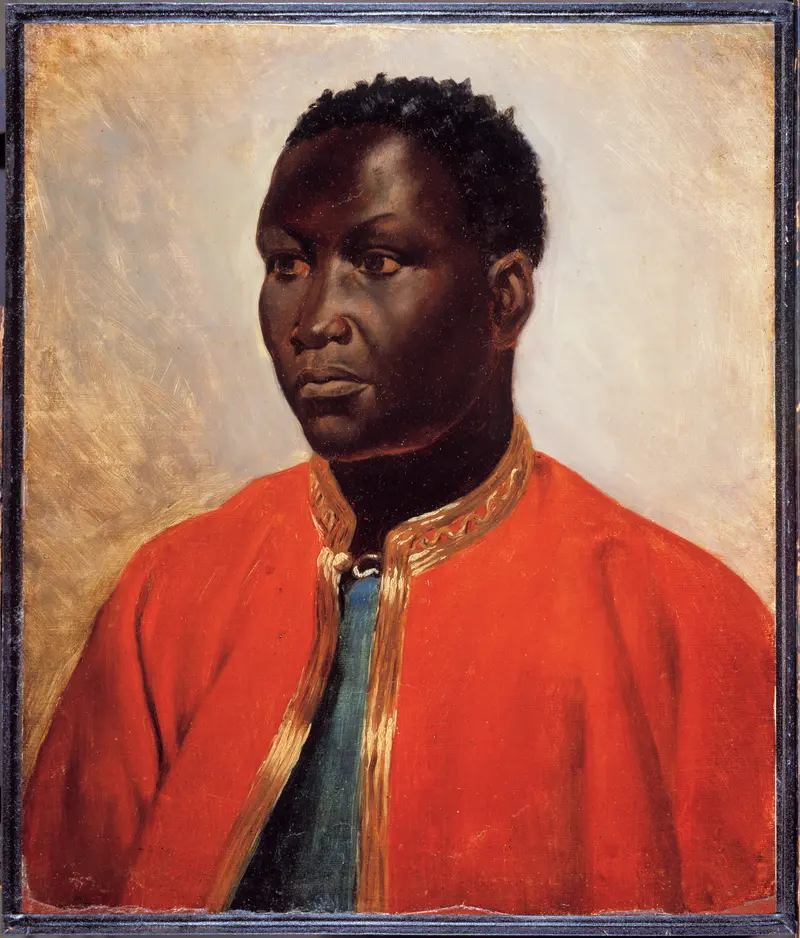
Portrait of a Negro
Théodore Géricault
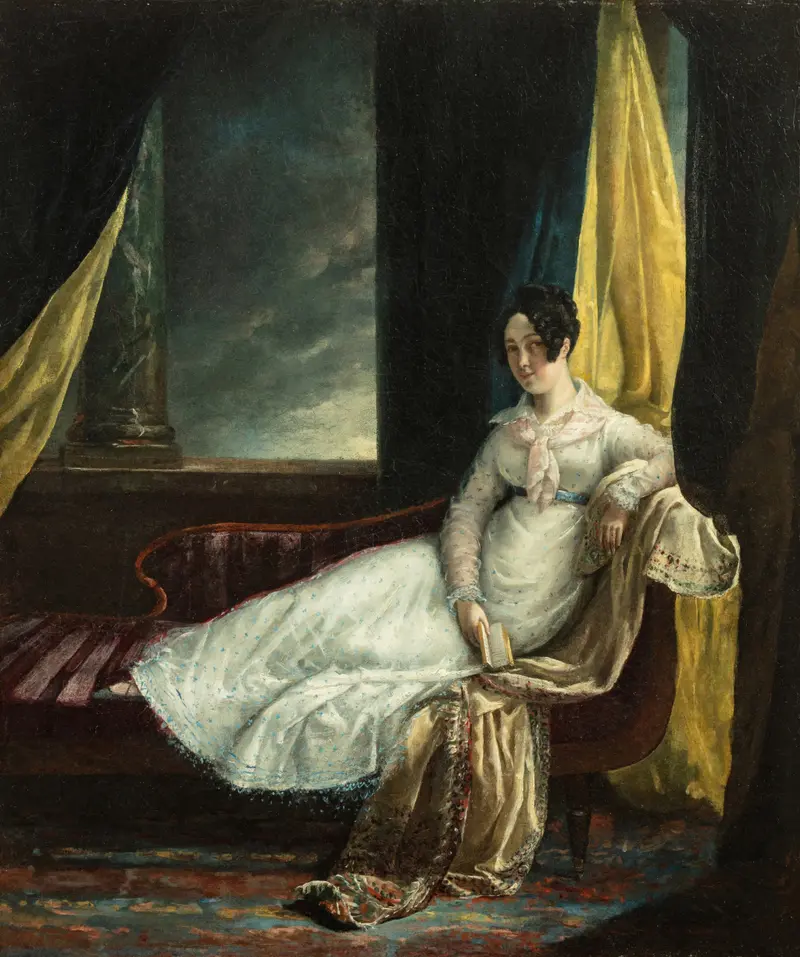
Portrait of Zoë Elmore
Théodore Géricault
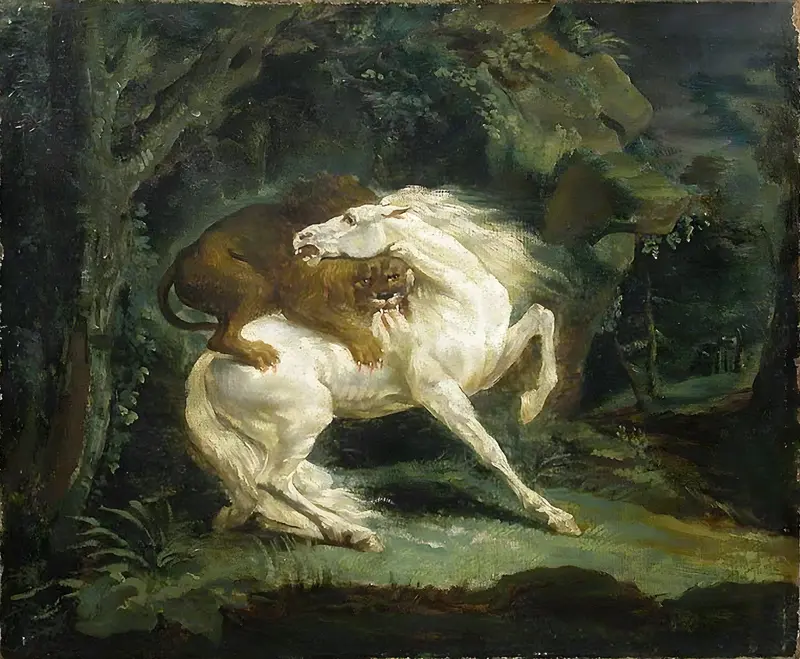
Cheval attaqué par un lion
Théodore Géricault
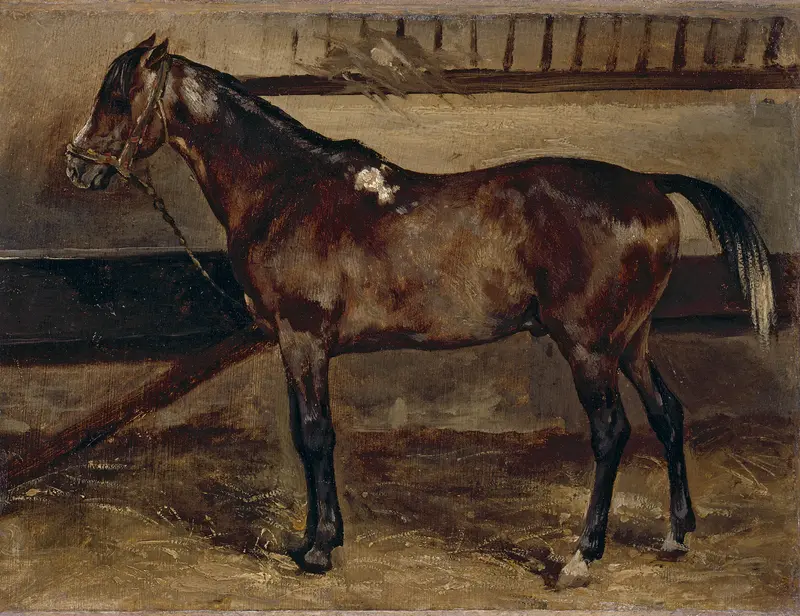
Cheval brun à l'écurie
Théodore Géricault





