
The Yumoto Sulfur Spring, Nikkō — History & Facts
What if beauty was never meant to be finished? In The Yumoto Sulfur Spring, Nikkō, the transient essence of nature invites contemplation, urging viewers to ponder the passage of time and its quiet transformations. Here, a moment in the ever-flowing landscape becomes an emblem of both permanence and impermanence. Look to the swirling steam rising from the vibrant sulfur spring, an ethereal veil that dances above the surface, inviting your eyes to linger. Notice how the artist employs a delicate palette of yellows and ochres to evoke warmth amid the cool blues of the surrounding water.
The meticulous brushwork creates a sense of movement, as if the viewer stands on the precipice of an unfolding experience. The layering of colors captures the shifting light, breathing life into the scene, while the sharp contrasts evoke the juxtaposition of serenity and the volatile beauty of nature. Hidden within this tranquil portrayal are echoes of emotional tension. The steam signifies transformation, a reminder that beauty is both ephemeral and eternal, shifting with the seasons yet consistently enchanting.
The scattered rocks, softened by the surrounding mist, symbolize the passing of time, revealing the wear of nature's hand. The balance between tranquility and the bubbling energy of the spring suggests an inner dialogue between stability and chaos, urging a deep reflection on the nature of existence itself. Kobayashi Kiyochika created this work in 1896 during a pivotal time in Japanese art, where the fusion of Western techniques and traditional aesthetics was reshaping the visual landscape. Living in a rapidly modernizing Japan, he sought to express the beauty of his homeland while navigating the profound changes around him.
This painting, steeped in the essence of Nikkō, encapsulates both a personal and cultural exploration of beauty amid a world in flux.
More Artworks by Kobayashi Kiyochika
Browse all →
Thunder and Lightning at Oumaya Bridge
Kobayashi Kiyochika

Shinkyō, Sacred Bridge at Nikkō
Kobayashi Kiyochika

Daybreak at Shrine, Kanda
Kobayashi Kiyochika

The Great Fire at Ryōgoku Bridge, Viewed from Asakusa Bridge on the 26th of January, 1881
Kobayashi Kiyochika

The Moon At Shinagawa
Kobayashi Kiyochika
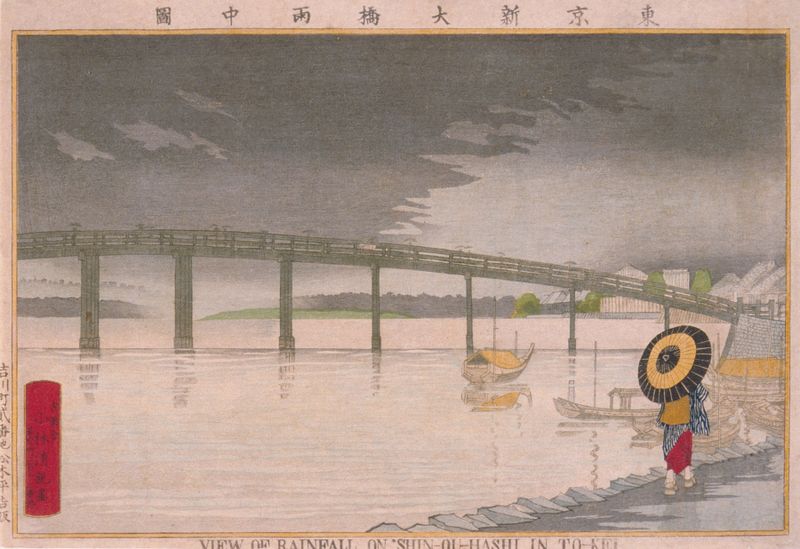
View of Rainfall on Shin-Ou-hashi in To-kei
Kobayashi Kiyochika

Evening at Tōshōgū Shrine, Ueno, Tokyo
Kobayashi Kiyochika

Snow at Ochanomizu
Kobayashi Kiyochika
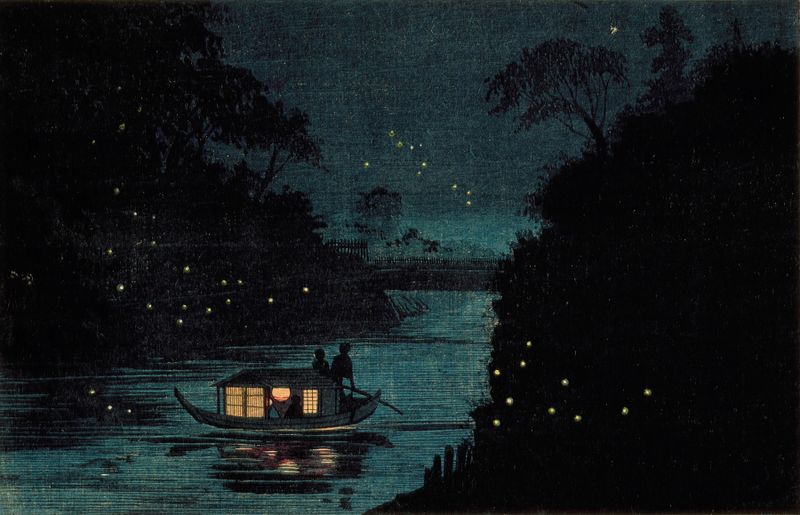
Fireflies at Ochanomizu
Kobayashi Kiyochika
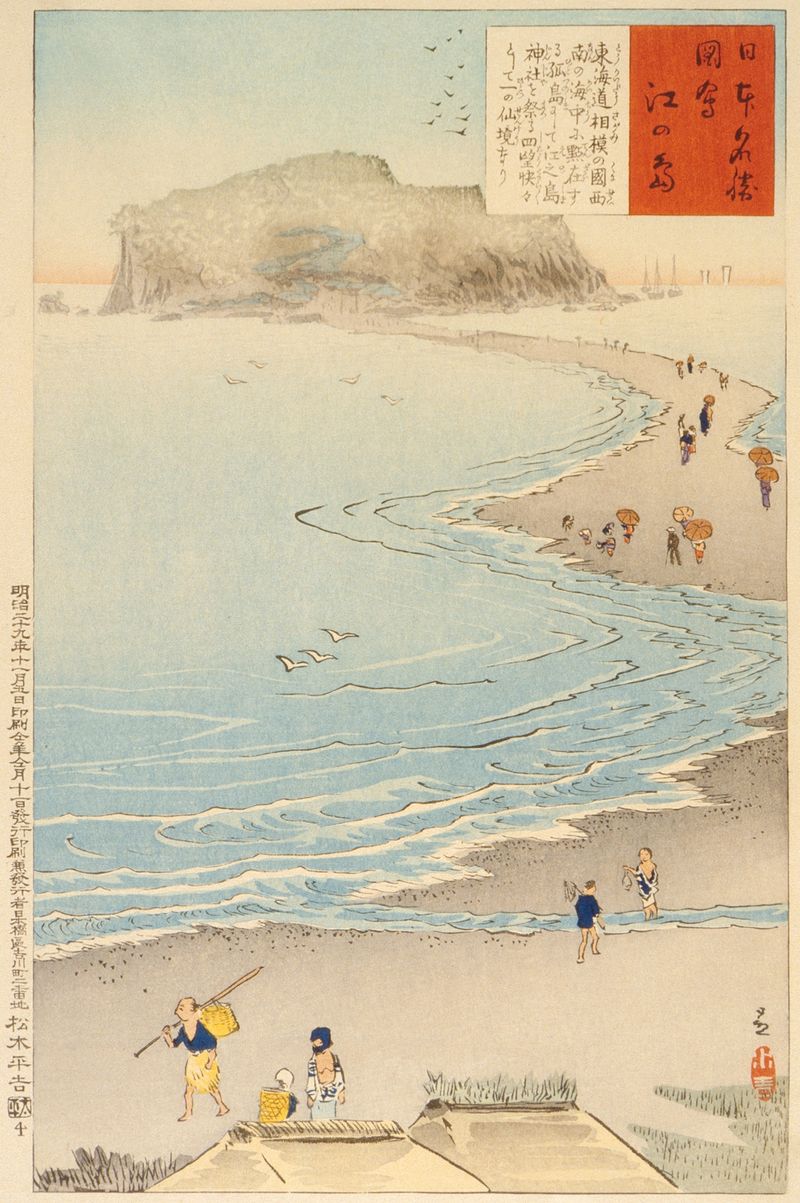
The Island Enoshima
Kobayashi Kiyochika





