
Thetis bearing the arms of Achilles — History & Facts
Few moments in the Iliad are as charged with anticipation as the one François Gérard chose for Thetis bearing the arms of Achilles. This painting captures the instant before Achilles re-enters battle to avenge his friend Patroclus, armed with armor forged by the god Hephaestus at his mother Thetis’s desperate request. The story, immortalized by Homer around the 8th century BCE, has inspired countless artists, but Gérard’s interpretation stands out for its psychological tension—Achilles, moments from wrathful action, is still a son receiving a mother’s gift.
The painting’s date and original patron remain uncertain, but its subject has long been a touchstone for artists seeking to express the tragic cost of war. In Gérard’s scene, Thetis emerges from the shadows, her arms outstretched with the gleaming shield and helmet, while Achilles, half-turned, reaches for the weapons that will seal his fate. The armor itself is rendered with meticulous attention: the shield’s surface glints with mythic scenes, echoing Homer’s own detailed description. The mother’s gesture—protective, yet resigned—contrasts with Achilles’ tense readiness, his gaze fixed on the distant horizon of battle rather than on Thetis.
Light falls dramatically on the armor, making it the true protagonist of the scene, as if destiny itself is being handed over. In contrast, Rubens’s Thetis Receiving the Weapons of Achilles places more emphasis on divine spectacle, while Gérard’s focus is intimate, almost private. The physical history of Thetis bearing the arms of Achilles is less well documented than many of Gérard’s portraits, and its current location is not firmly established. Gérard, a leading figure of the French Neoclassical movement, was celebrated for his historical and mythological subjects, especially during the Napoleonic era.
This work, with its blend of classical restraint and emotional depth, fits comfortably among his mythological paintings, though it is less frequently discussed than his famed Cupid and Psyche. The painting’s journey—whether it adorned a private salon, was exhibited in a Parisian salon, or changed hands in the art market—remains a matter for further research, but its subject and style mark it unmistakably as a product of early 19th-century French classicism.
More Artworks by François Gérard

Portrait of Emperor Napoleon I
François Gérard
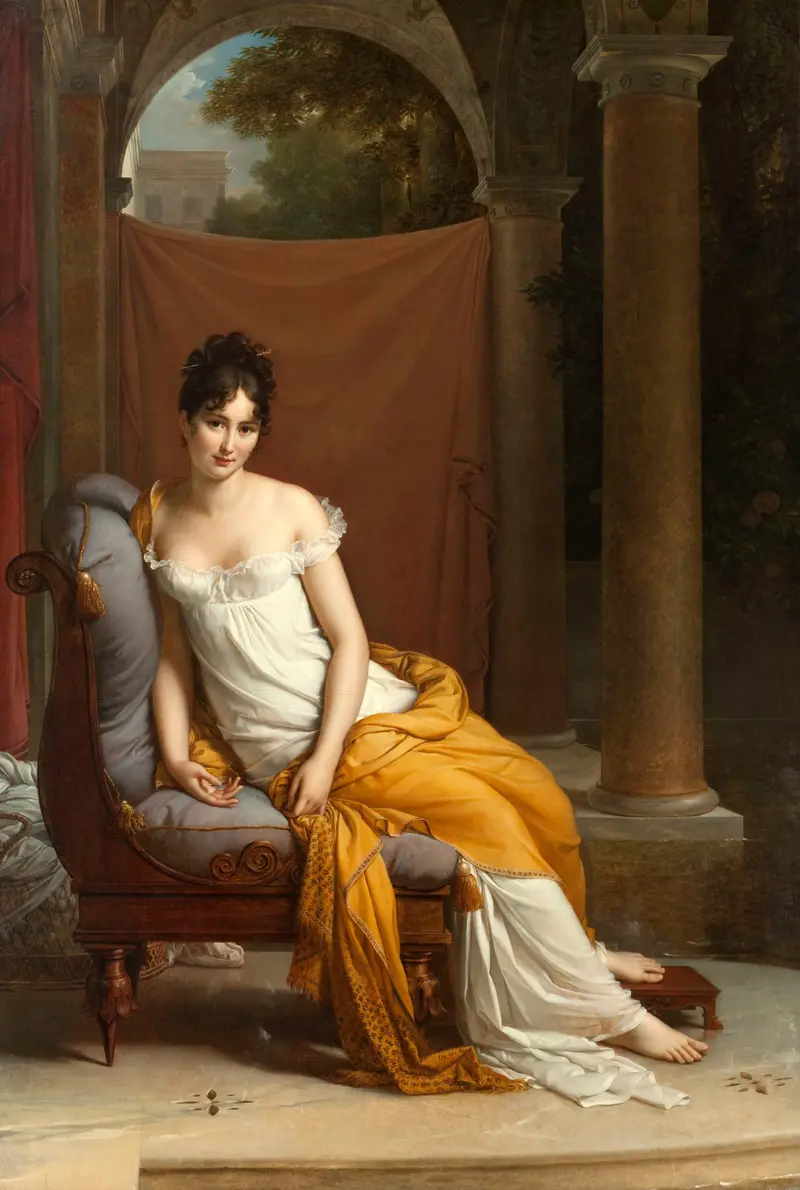
Portrait of Juliette Récamier, née Bernard
François Gérard
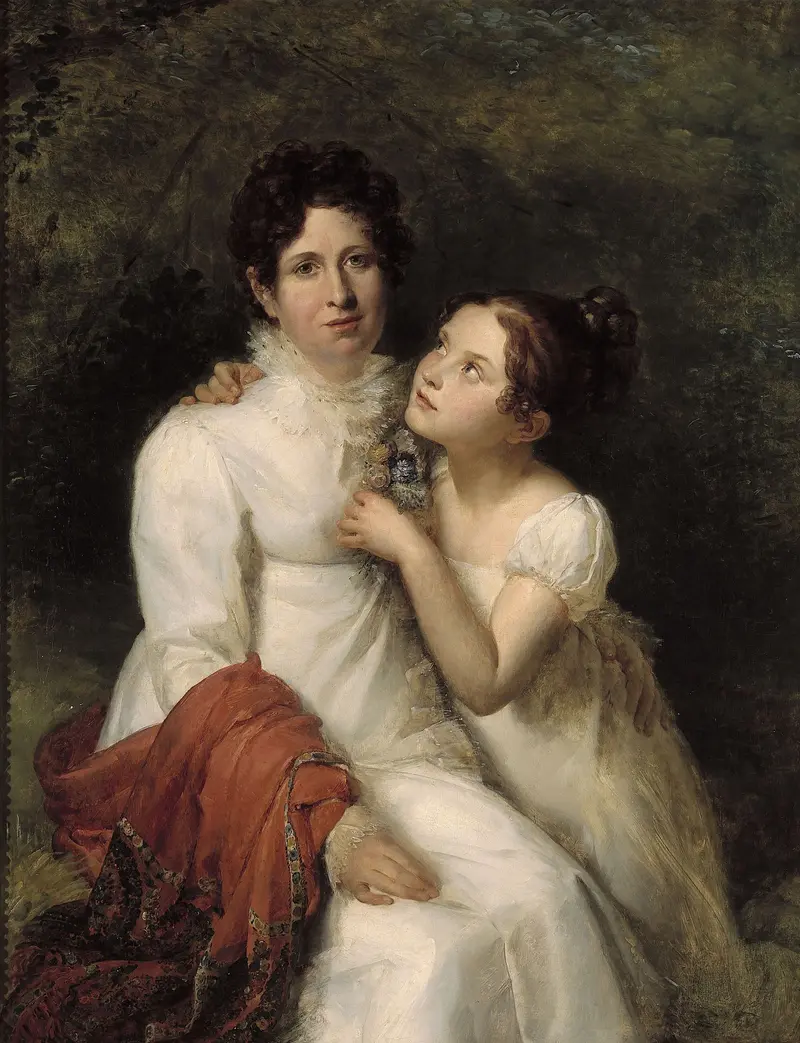
Portrait de Madame Bauquin Du Boulay et de sa nièce Mademoiselle Bauquin de La Souche
François Gérard
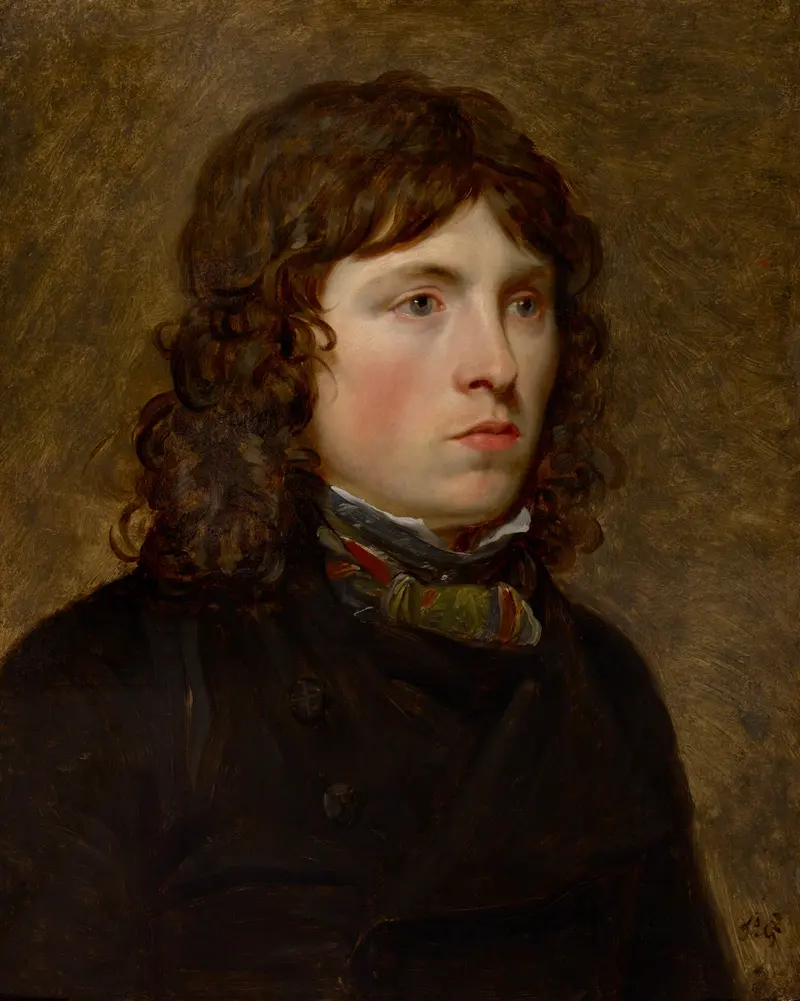
Portrait of G. F. Reverdin
François Gérard
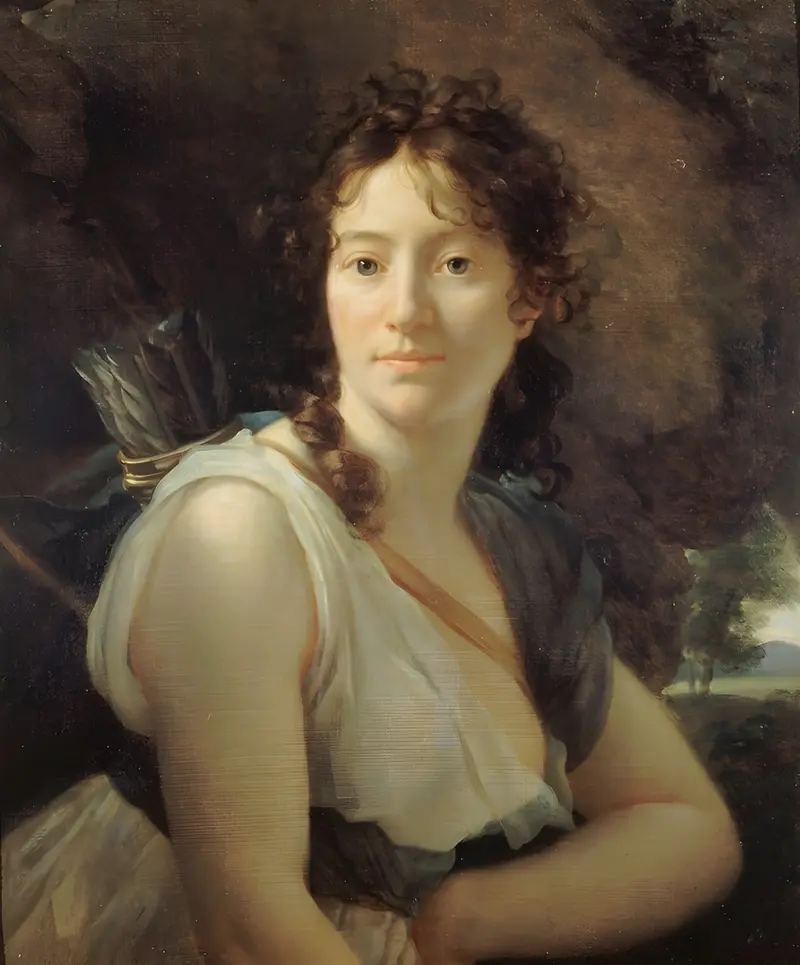
Portrait Of Mademoiselle Duchesnois (1777-1835), Member Of The Comédie-Française, In The Role Of Dido.
François Gérard
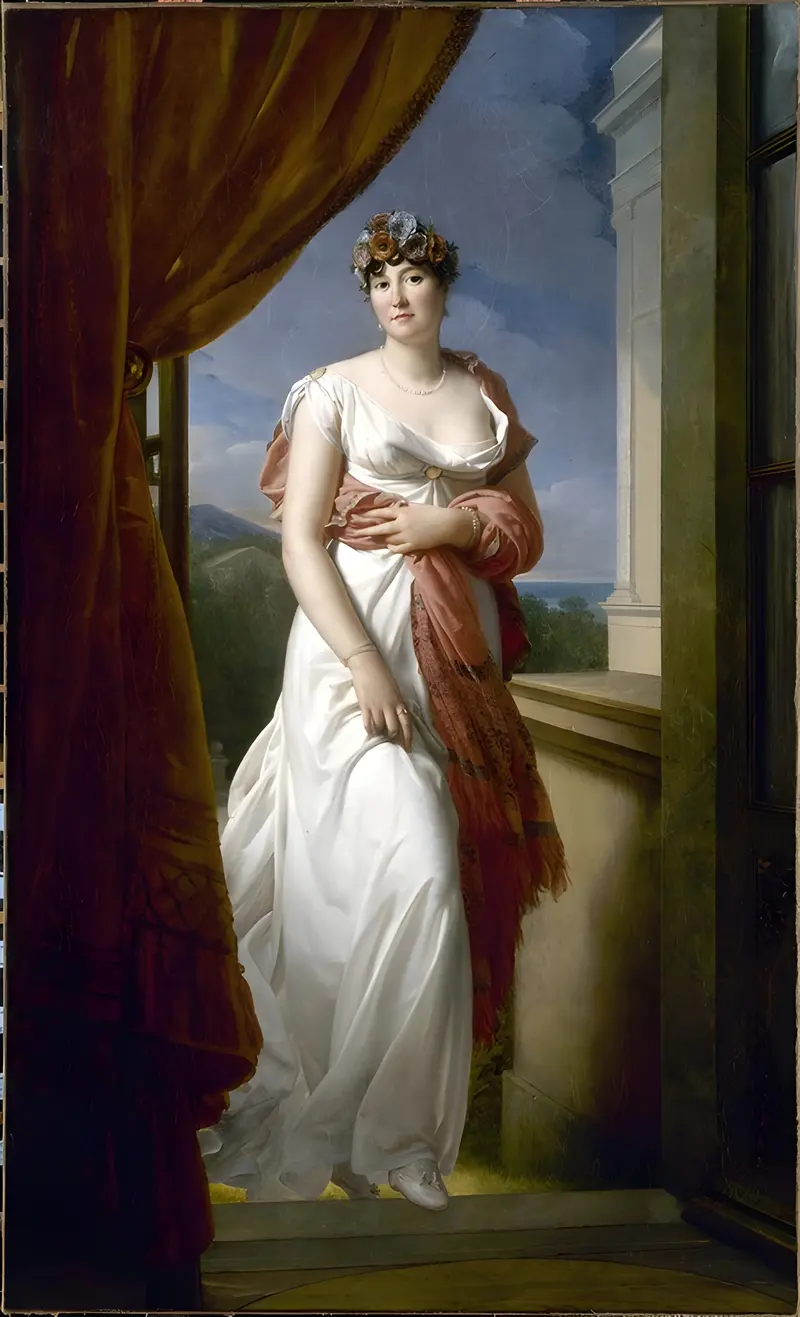
Portrait Of Theresia Cabarrus (1773-1835), Wife Tallien, Then Princess Of Caraman-Chimay
François Gérard
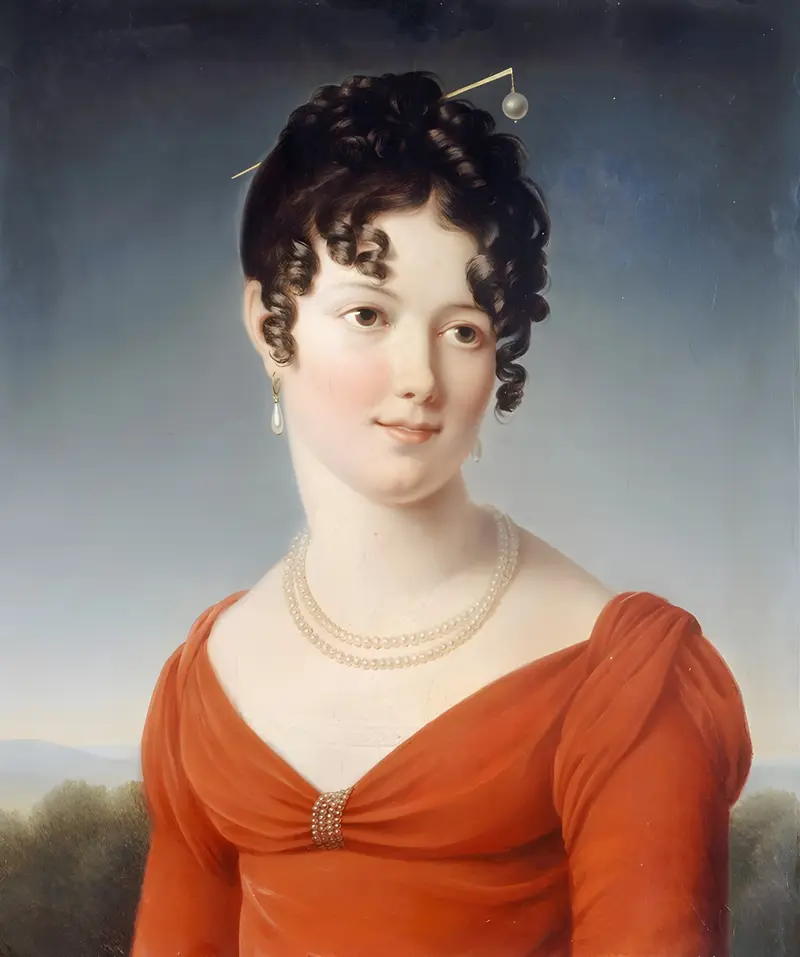
Bust Portrait Of Alexandrine-Anne De La Pallu, Marquise De Flers (1786-1832)
François Gérard
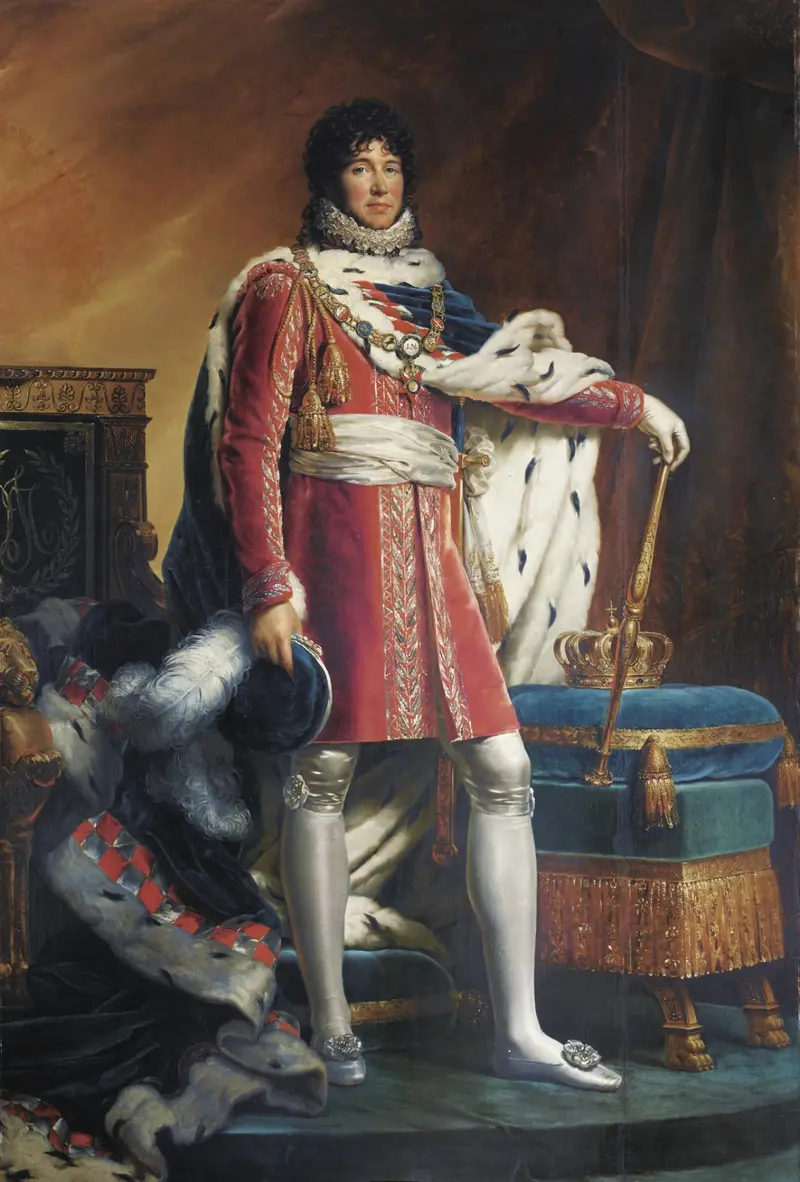
Portrait of Joachim Napoléon Murat, King of Naples and of the two Sicilies
François Gérard
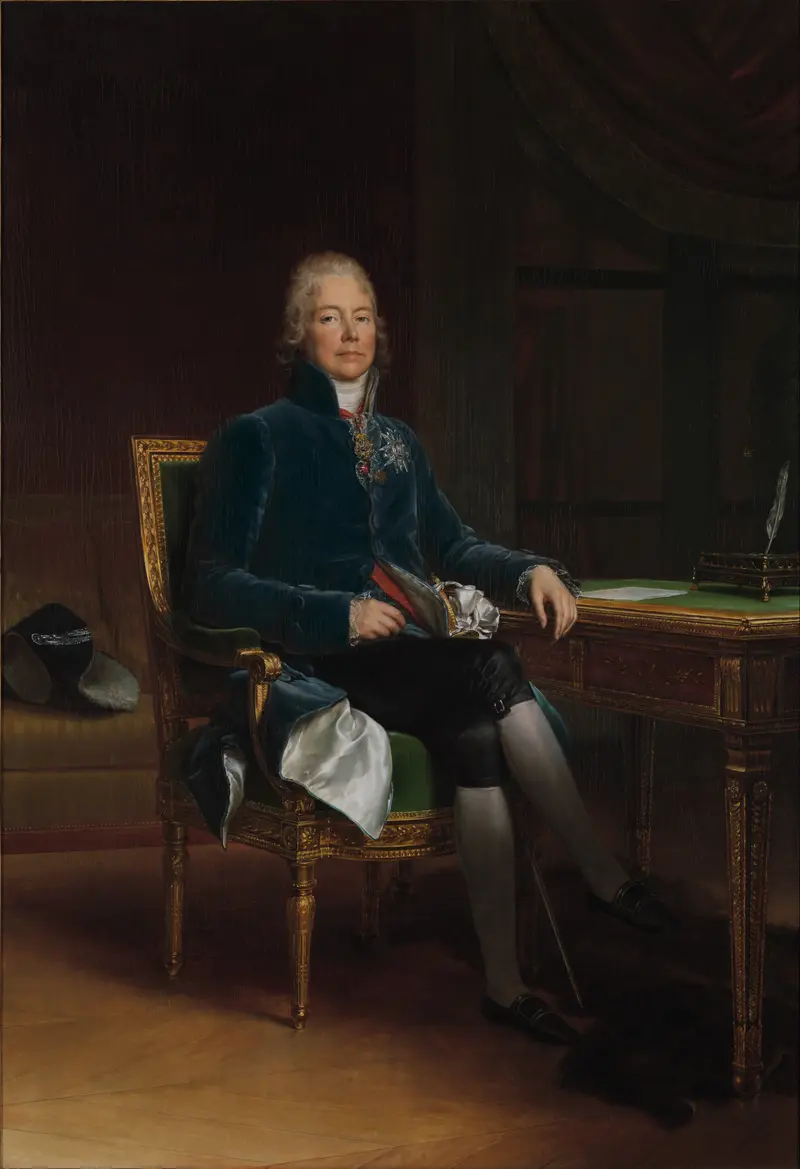
Charles Maurice de Talleyrand Périgord (1754–1838), Prince de Bénévent
François Gérard
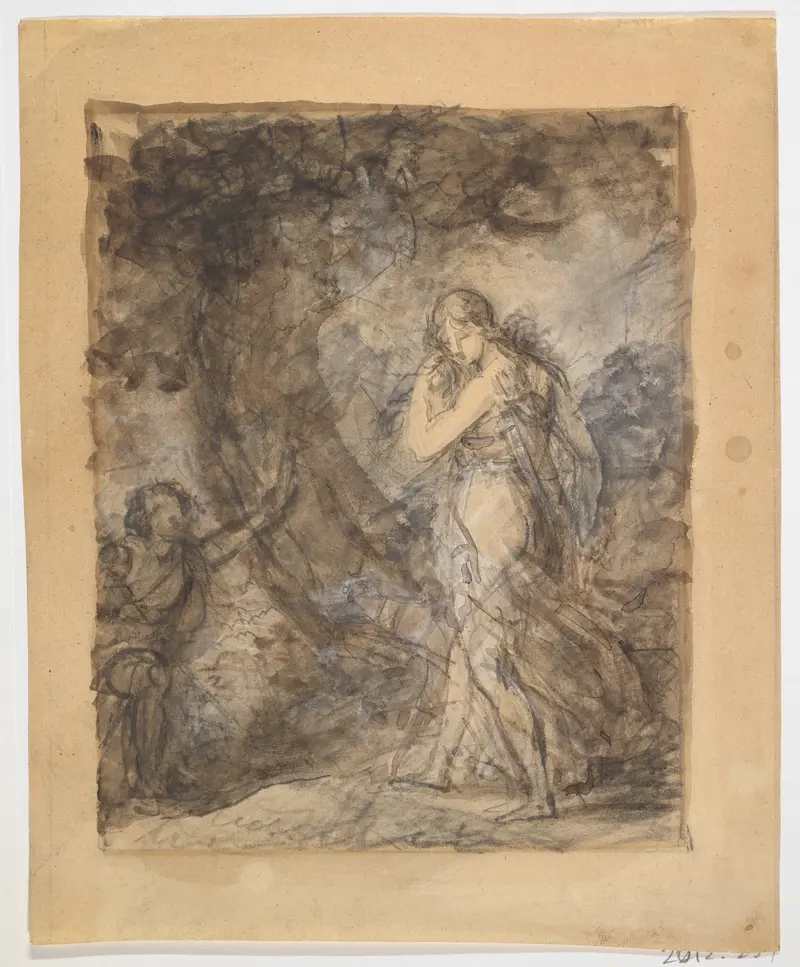
Daphnis Running toward Chloe
François Gérard





