Tintern Abbey at Sunset — History & Analysis
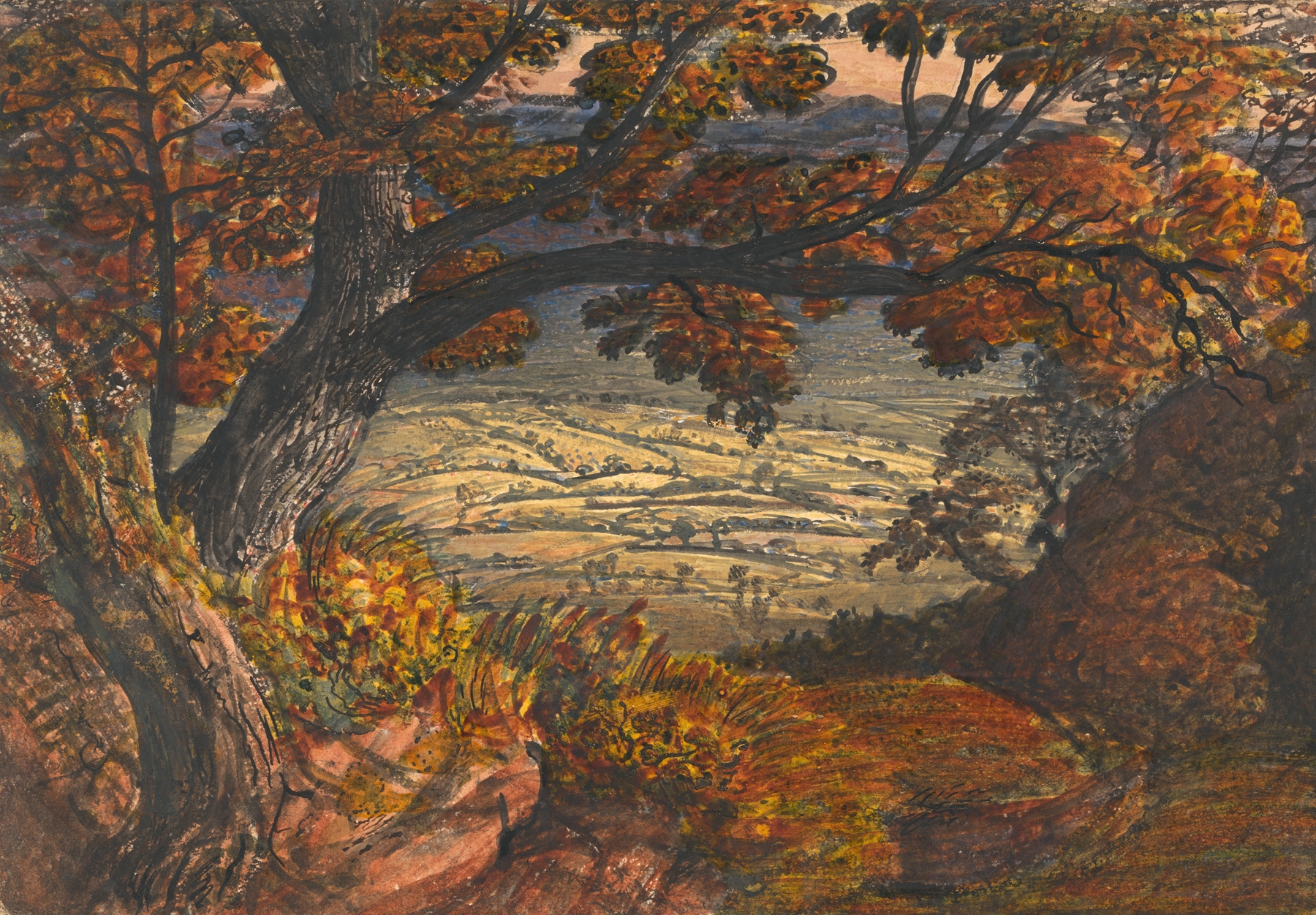
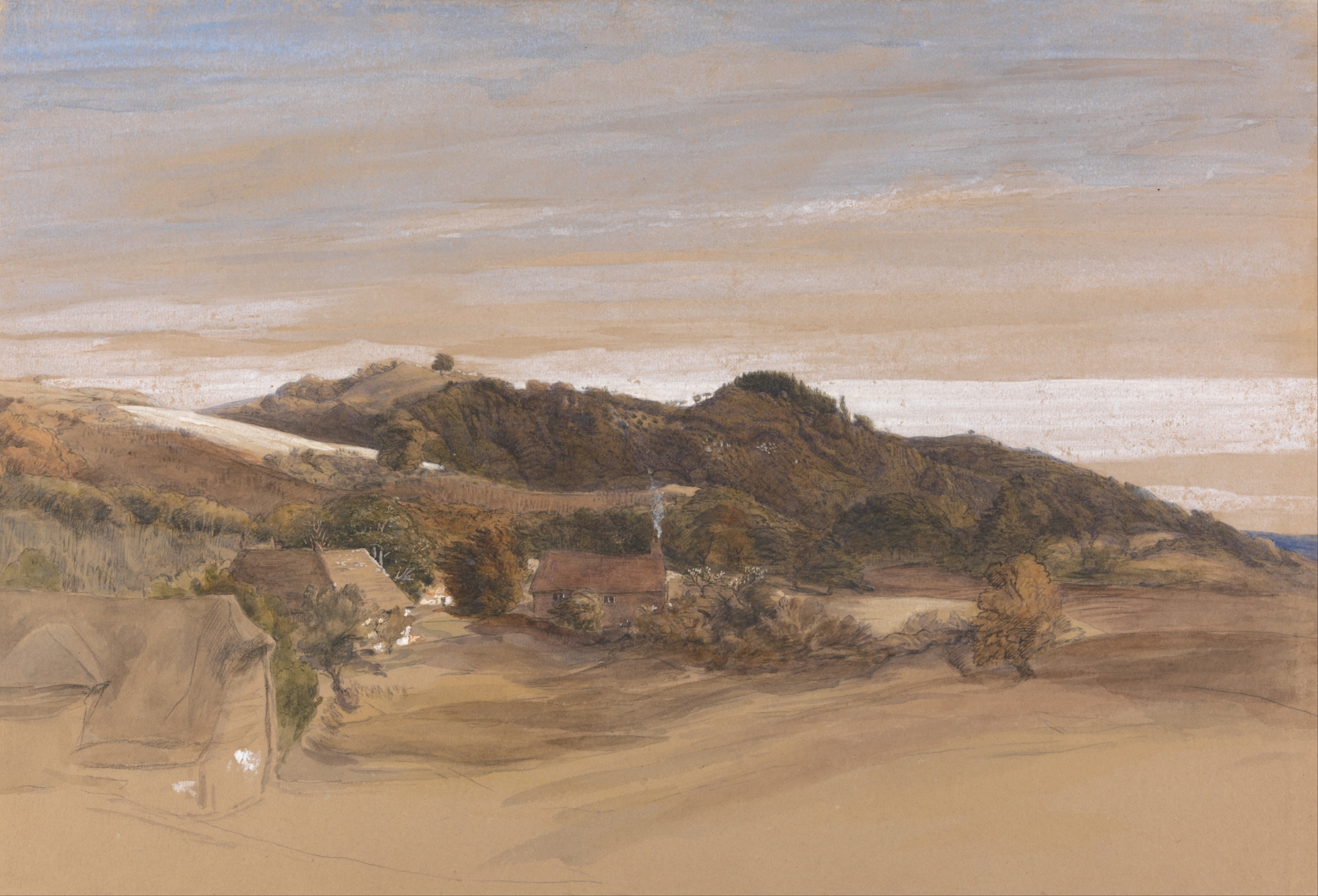
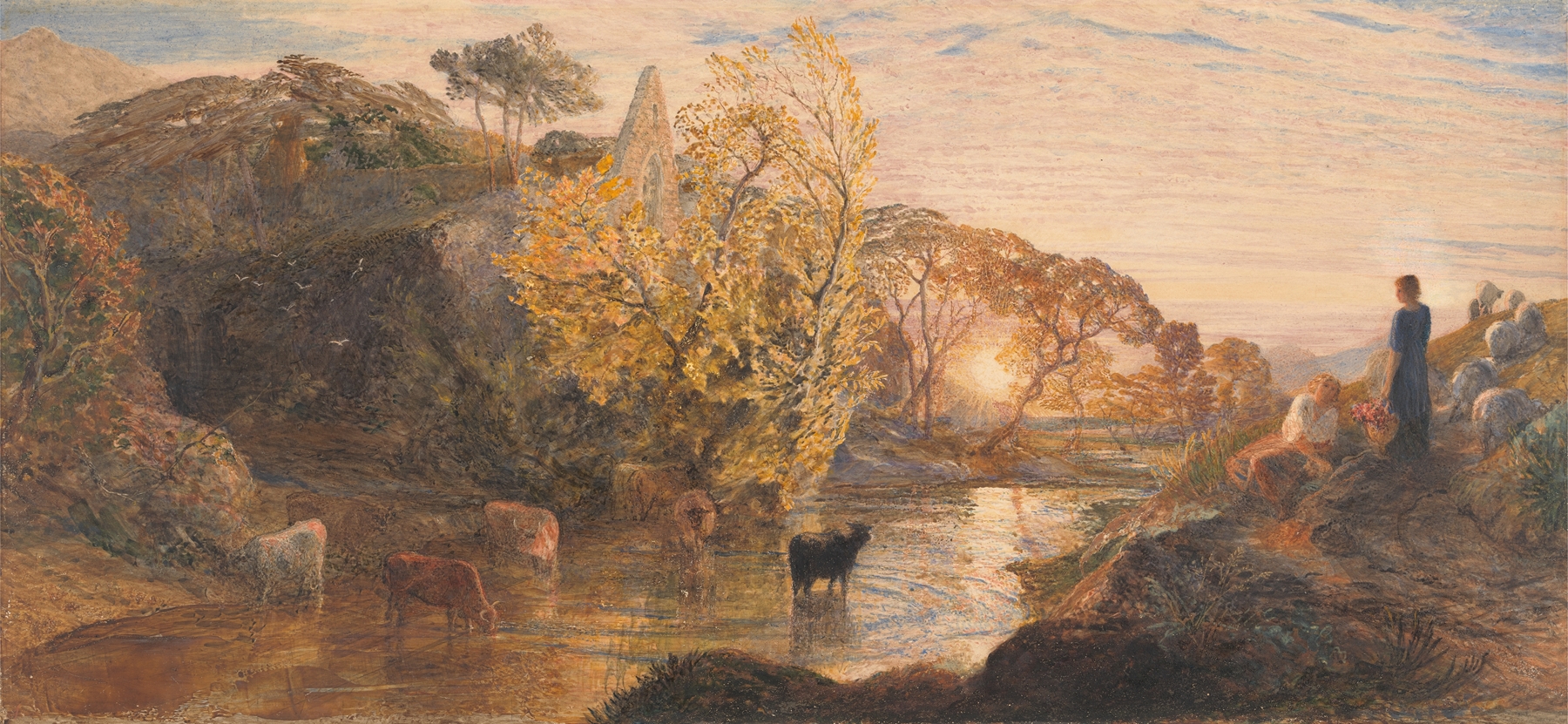
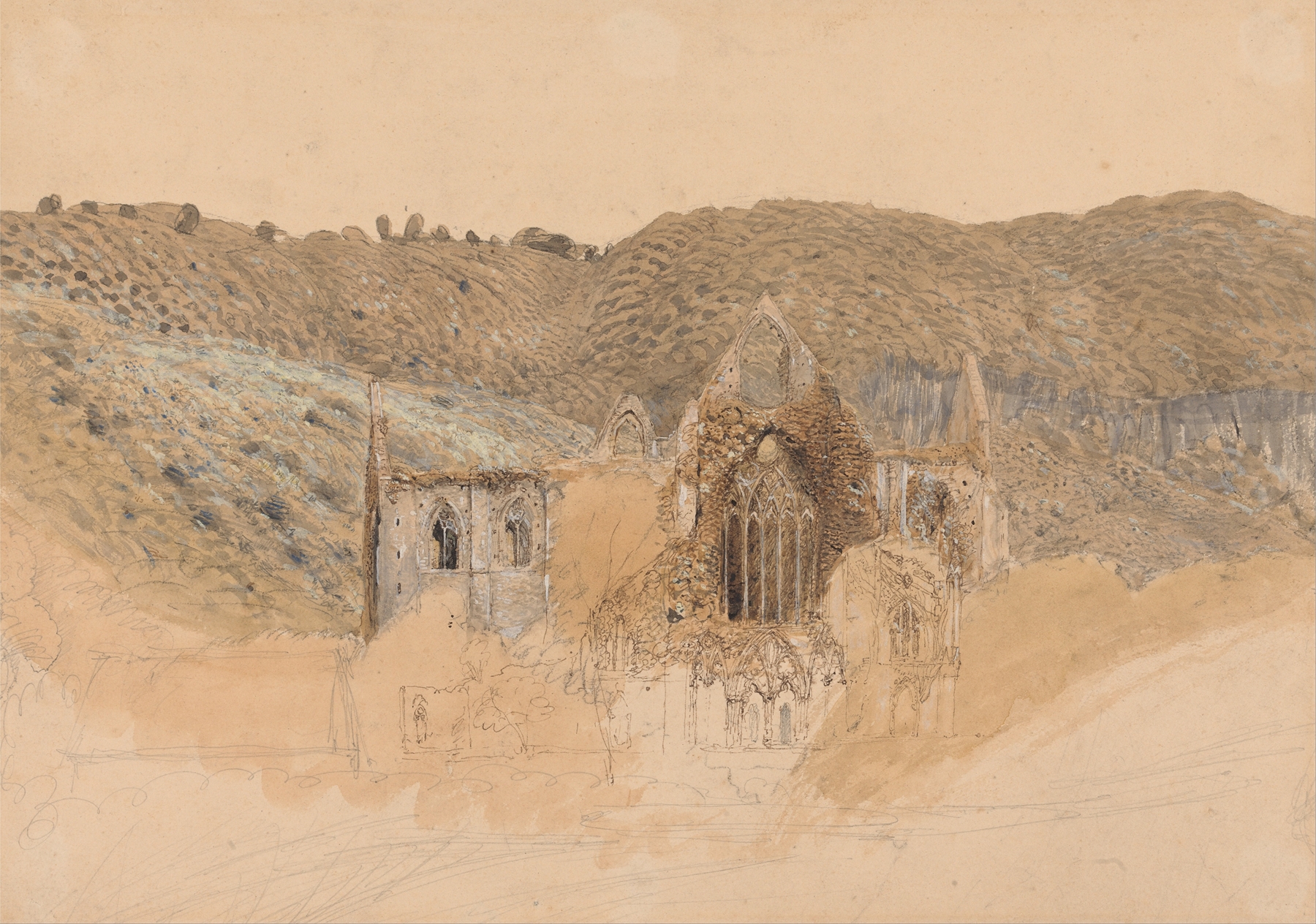
When did color learn to lie? In the realm of twilight, hues dance between reality and the ethereal, whispering secrets of longing and nostalgia. Look to the left where the deep greens of the foliage blend seamlessly with the fading light, inviting the viewer into a world suspended between dusk and dawn. Notice how the soft golden rays bathe the abbey in a warm glow, its stone walls seeming to breathe with life.
This masterful use of color creates an almost dreamlike atmosphere, where the vibrant sky is a canvas of lavender and amber, hinting at the emotions lying just beneath the surface. As you delve deeper, observe the interplay of light and shadow that evokes a sense of yearning. The distant hills loom like memories, while the empty spaces around the abbey speak of solitude and reflection. There’s a contrast between the peacefulness of the scene and the underlying tension of what is left unsaid, as if the landscape is both a sanctuary and a reminder of what has been lost, inviting viewers to ponder their own pasts.
Painted during a time of personal and artistic exploration, the artist was deeply influenced by the Romantic movement. This period found him in England, captivated by the beauty of the natural world and the depths of human emotion, which were mirrored in his works. It was a time when he sought to express his inner visions while grappling with the impending changes in society and art.