Titelblad met tekst op een voetstuk met bovenop een bol — History & Facts
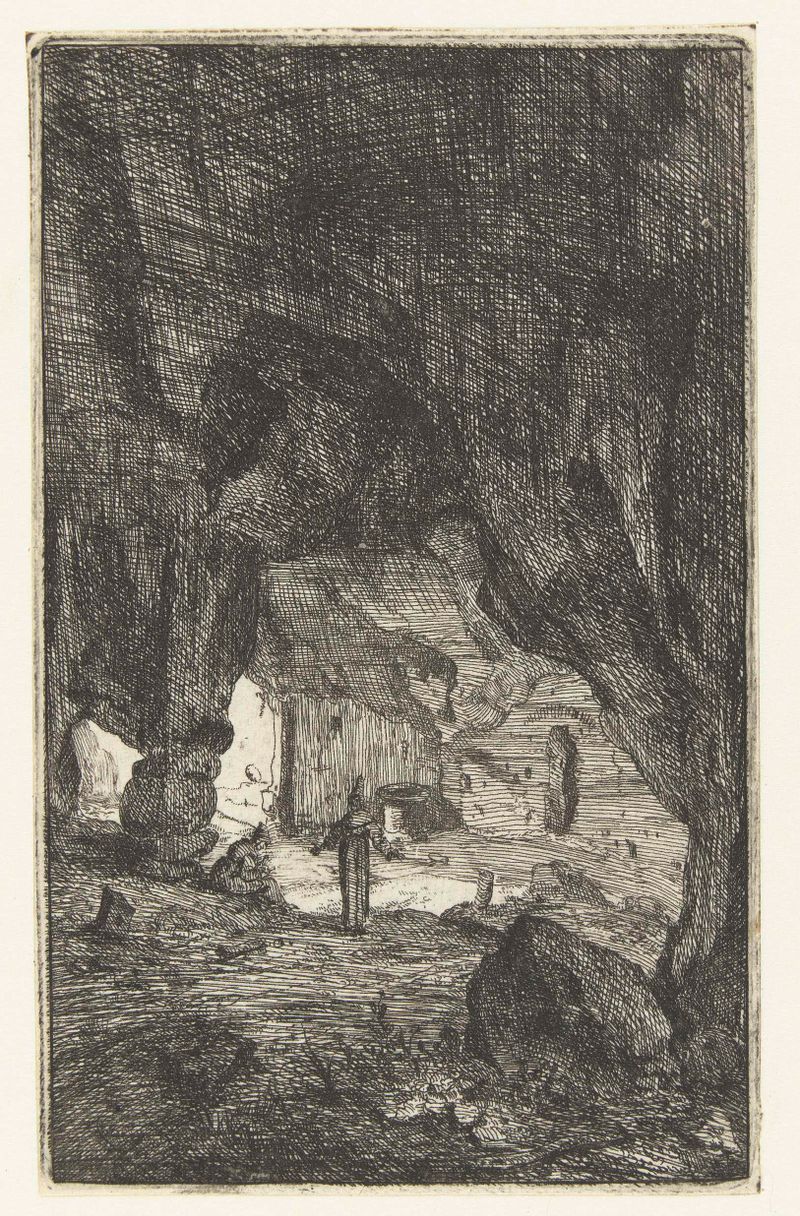
Could beauty survive in a century of chaos? In the delicate balance between form and meaning, the artwork invites contemplation on transformation and resilience amid tumultuous times. Look to the center, where a pristine pedestal holds a globe, its serene surface reflecting light with an otherworldly glow. Breenbergh’s expert use of chiaroscuro brings depth to the scene, drawing our eyes to the contrasting shadows that envelop the base. Notice how the intricate detailing of the pedestal grounds the artwork, while the globe above symbolizes aspiration and the unknown.
The harmonious colors—rich golds and deep blues—speak to both luxury and mystery, creating a visual dialogue that captivates the viewer. The juxtaposition of the solid pedestal and the ethereal globe suggests a tension between stability and uncertainty. The globe, delicate yet commanding, implies an unfolding narrative of exploration and discovery, while the sturdy base symbolizes tradition and permanence. This coexistence of opposites evokes a sense of hope: even amid chaos, beauty can emerge in unexpected forms. In 1640, Bartholomeus Breenbergh painted this piece during a period of religious and political upheaval in Europe.
The Dutch Golden Age was marked by remarkable artistic innovation, yet also by turmoil, with the Thirty Years' War reshaping the continent's landscape. As Breenbergh navigated these complexities, he transformed his observations of the world into a visual statement about resilience, capturing a moment that transcends time and invites viewers to reflect on their own journey.
More Artworks by Bartholomeus Breenbergh
Browse all →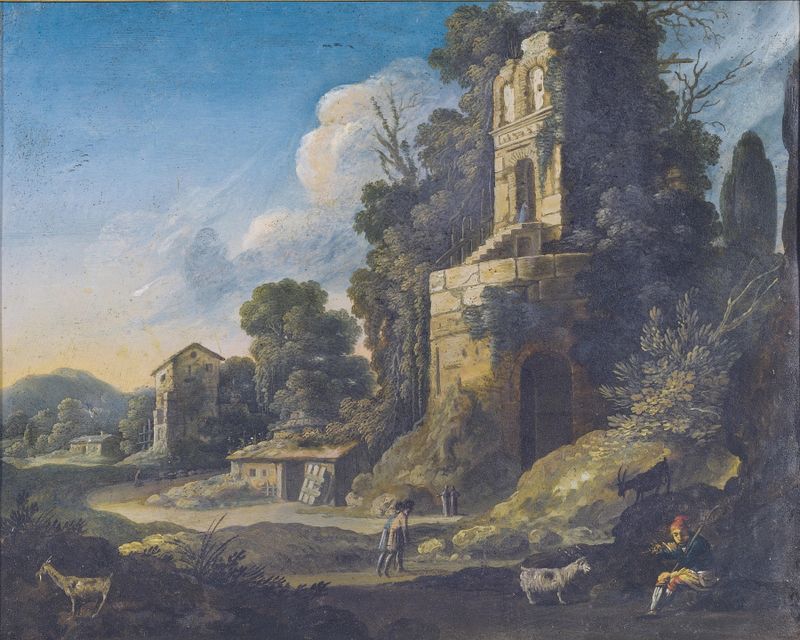
Italianate landscape with buildings and a herdsman playing pipes
Bartholomeus Breenbergh

Arcadian Landscape
Bartholomeus Breenbergh

Ruïnes van keizerlijk paleis te Rome
Bartholomeus Breenbergh

Ruïne van het Colosseum
Bartholomeus Breenbergh
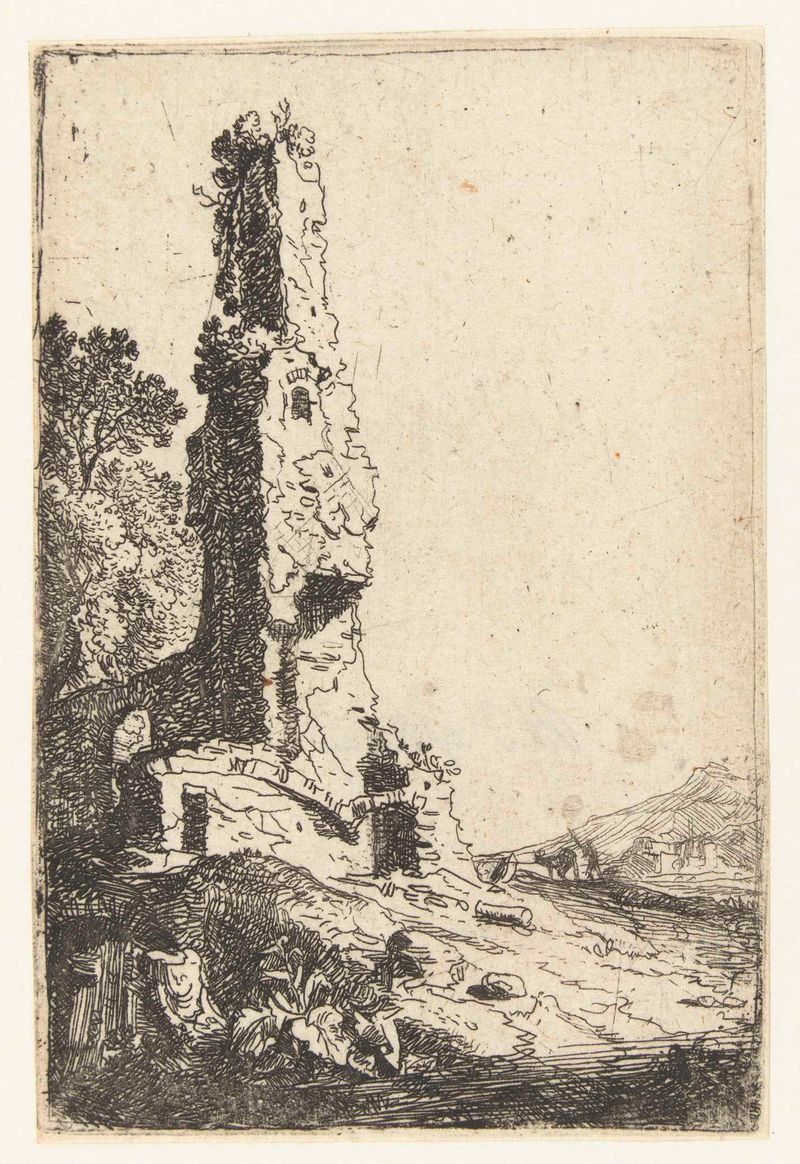
Ruïnes van de stadsmuren van Rome
Bartholomeus Breenbergh
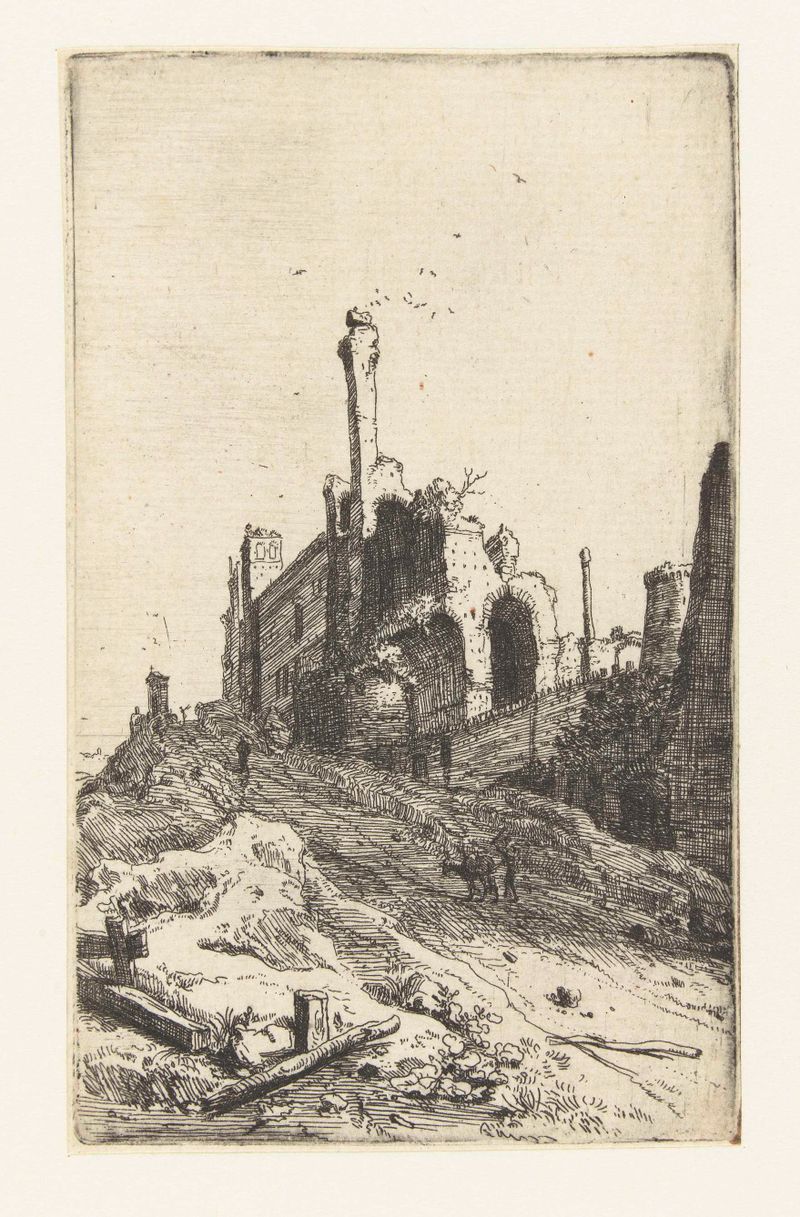
Ruïnes van een paleis te Tivoli
Bartholomeus Breenbergh

Figures Among Ruins By The Tiber
Bartholomeus Breenbergh

Italian Landscape with the Aurelian Wall
Bartholomeus Breenbergh
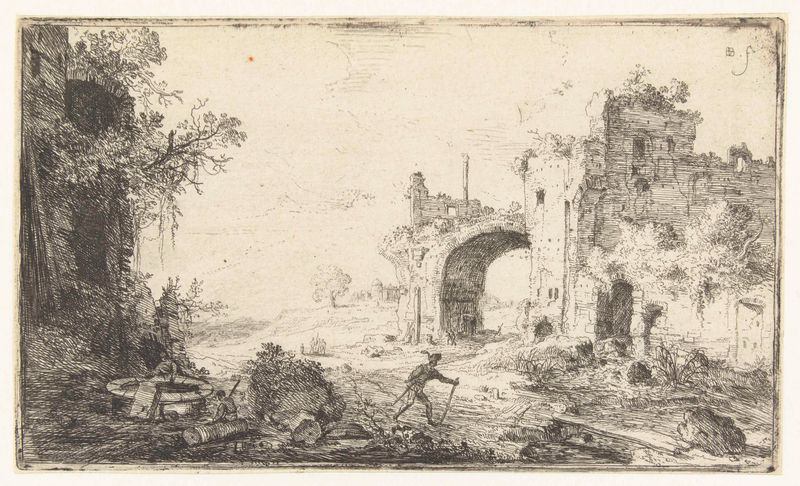
Ruïnes van de thermen van Caracalla
Bartholomeus Breenbergh
Interieur van een grot
Bartholomeus Breenbergh