Tooth Extractor (Tooth Puller) — History & Facts
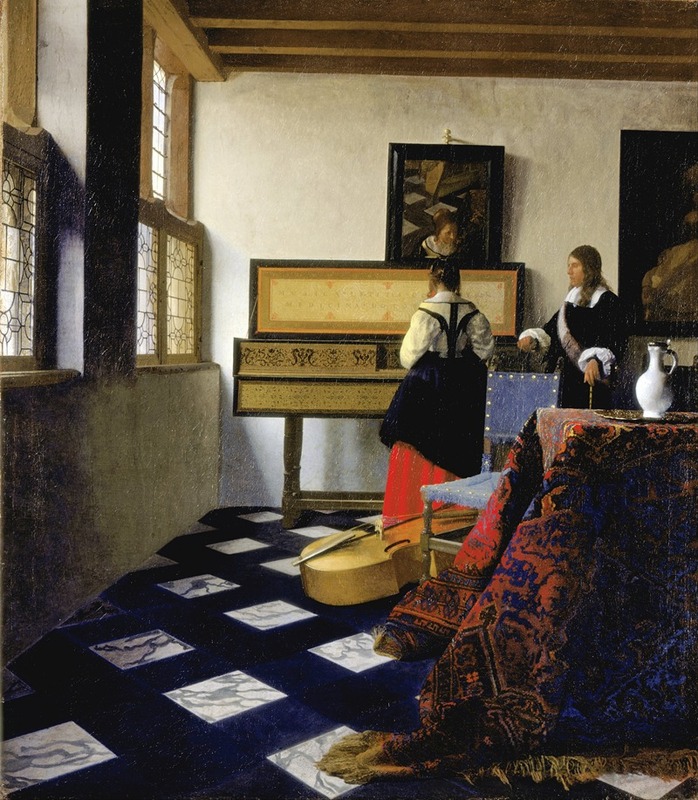
What if silence could speak through light? In the stillness of the room, an unassuming figure stands poised, a tension thicker than air, as anticipation grips those awaiting the inevitable. The stark contrast of shadow and glow shapes a moment that feels both clinical and hauntingly intimate. Look closely at the figure, draped in dark garb, which draws the eye with its simplicity against the surrounding chaos of dental instruments. Notice how the light plays across the gleaming tools, sharpening the focus on the extractor's poised hand, yet casting a shadow over the faces of the onlookers.
The depth of the background fades into obscurity, creating a sense of isolation that amplifies the emotional weight of the procedure at hand. The muted palette highlights the moral dilemma of necessity versus pain, emphasizing the stark realities of dental care in the late 16th century. As the viewer, one can't help but feel the heavy burden of emptiness that echoes in the room—an absence of comfort, a palpable fear of vulnerability. The juxtaposition of the stark tools against the raw human emotion of the subjects creates a disquieting contrast.
Each face mirrors the uncertainty of the moment, embodying a spectrum of silent pleas and stoic endurance, encapsulating the existential crisis of suffering and relief intertwined. This artwork emerged around 1580, a time when dental practices were in their infancy and often rooted in superstition rather than science. The artist, whose name remains unknown, captured a pivotal moment of human experience, reflecting the intersection of fear and necessity. During this period, Europe was grappling with rapid advancements in art and science, yet many still faced the grim realities of pain and the unknown in their daily lives.
More Artworks by Unknown Artist
Browse all →
Ridder, Dood en Duivel
Unknown Artist

Shiva Nataraja
Unknown Artist

Portrait of Elizabeth I, Queen of England
Unknown Artist

Dolls’ house of Petronella Oortman
Unknown Artist

Shiva Nataraja
Unknown Artist

The Tale of Genji
Unknown Artist

The Tale of Genji
Unknown Artist

Cong
Unknown Artist

The bodhisattva Maitreya
Unknown Artist

Teabowl with a 'hare's fur' glaze
Unknown Artist