
Triomfwagen — History & Facts
Is this a mirror — or a memory? The layers of grief entwined in the Triomfwagen evoke a poignant reflection on loss and remembrance, challenging us to confront what we see in its intricate design. Look closely at the vibrant procession depicted in the artwork. Notice how the vivid reds and deep blues create a striking contrast, guiding your gaze to the central figure draped in solemn finery atop the grand cart. The meticulous detail in the figures surrounding the procession invites you to explore their expressions—some reveling in triumph, while others appear weighed down by unspoken sorrow.
The arrangement and vividness of each character seem to communicate a narrative of joy intertwined with an undeniable undercurrent of grief, compelling you to decipher their stories. Delve deeper into the small details: the wreaths of flowers that symbolize both celebration and mourning, the expressions of the onlookers that blend jubilation with a sense of loss. The tension between the rich colors and the somber undertones raises questions about the fleeting nature of joy and the shadows of memory that linger long after the moment has passed. This duality forms a powerful commentary on the human experience, suggesting that triumphs are often inextricably linked to the sorrows we carry. Created between 1520 and 1562, this artwork emerges from a time when Europe was undergoing profound transformations.
The artist worked in an era marked by religious upheaval and social change, with the Renaissance breathing new life into artistic expression. Amidst these historical currents, the piece reflects not only the complexities of its time but also the universal, timeless dialogue around loss and remembrance.
More Artworks by Monogrammist AC (16e eeuw)
Browse all →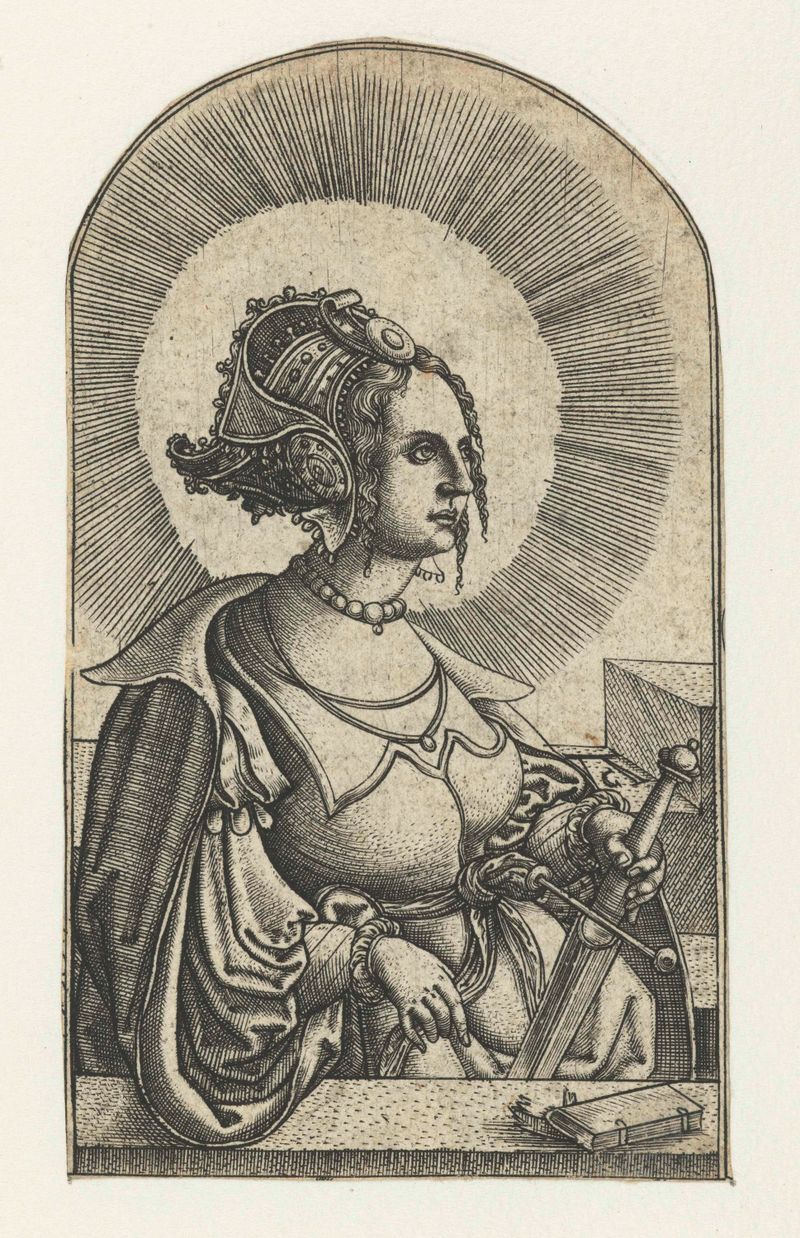
Heilige Catharina
Monogrammist AC (16e eeuw)
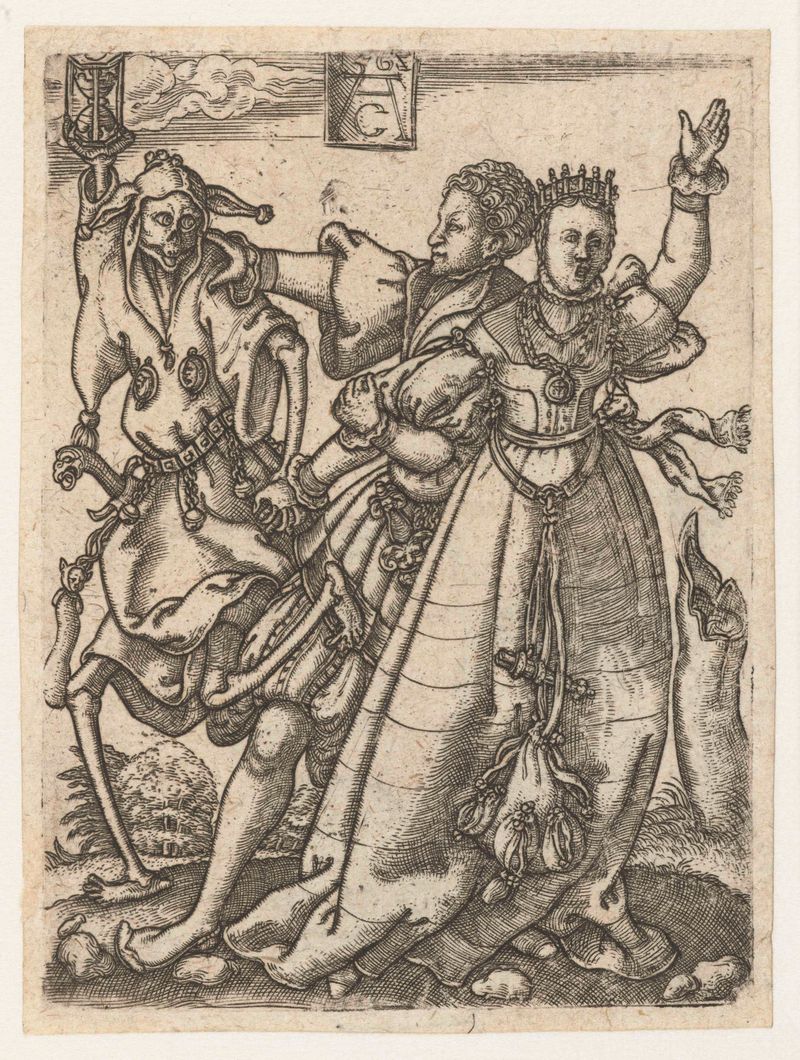
Echtpaar met de Dood
Monogrammist AC (16e eeuw)
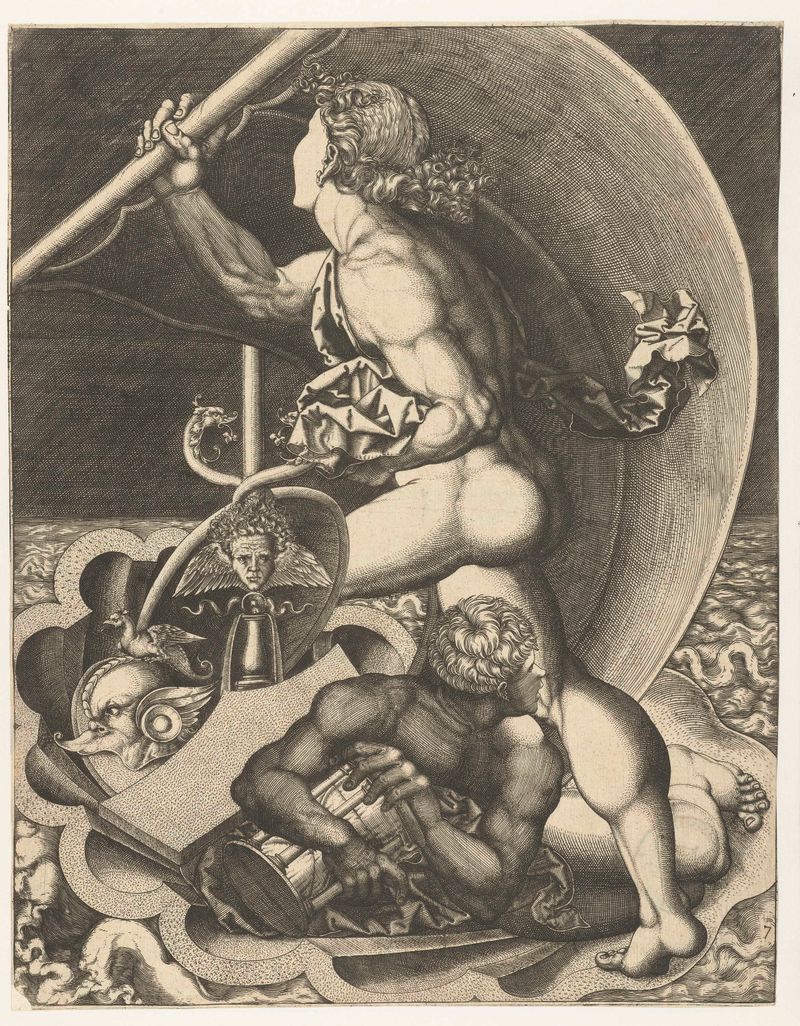
Allegorie van Tijd en Fortuin
Monogrammist AC (16e eeuw)

Portret van een jongeman (Vanitas)
Monogrammist AC (16e eeuw)

Heilige Martha en de draak
Monogrammist AC (16e eeuw)
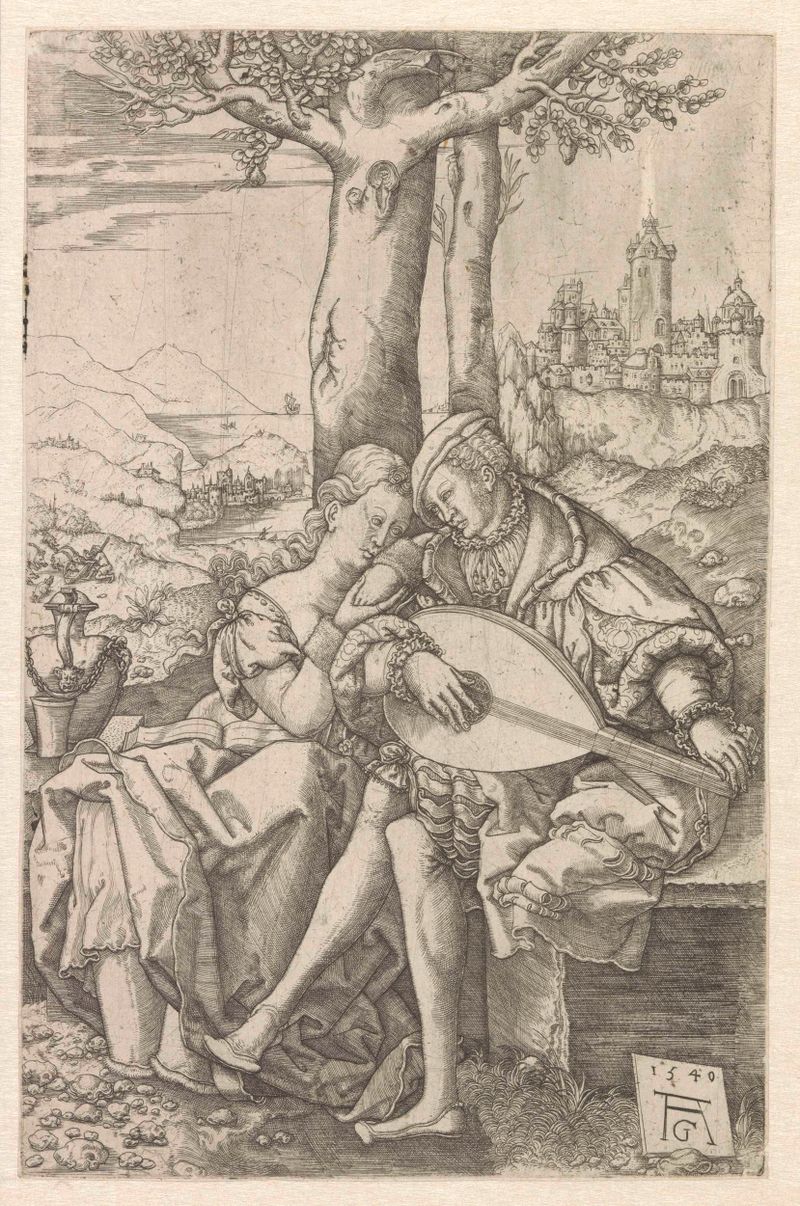
Twee verliefden onder een boom
Monogrammist AC (16e eeuw)
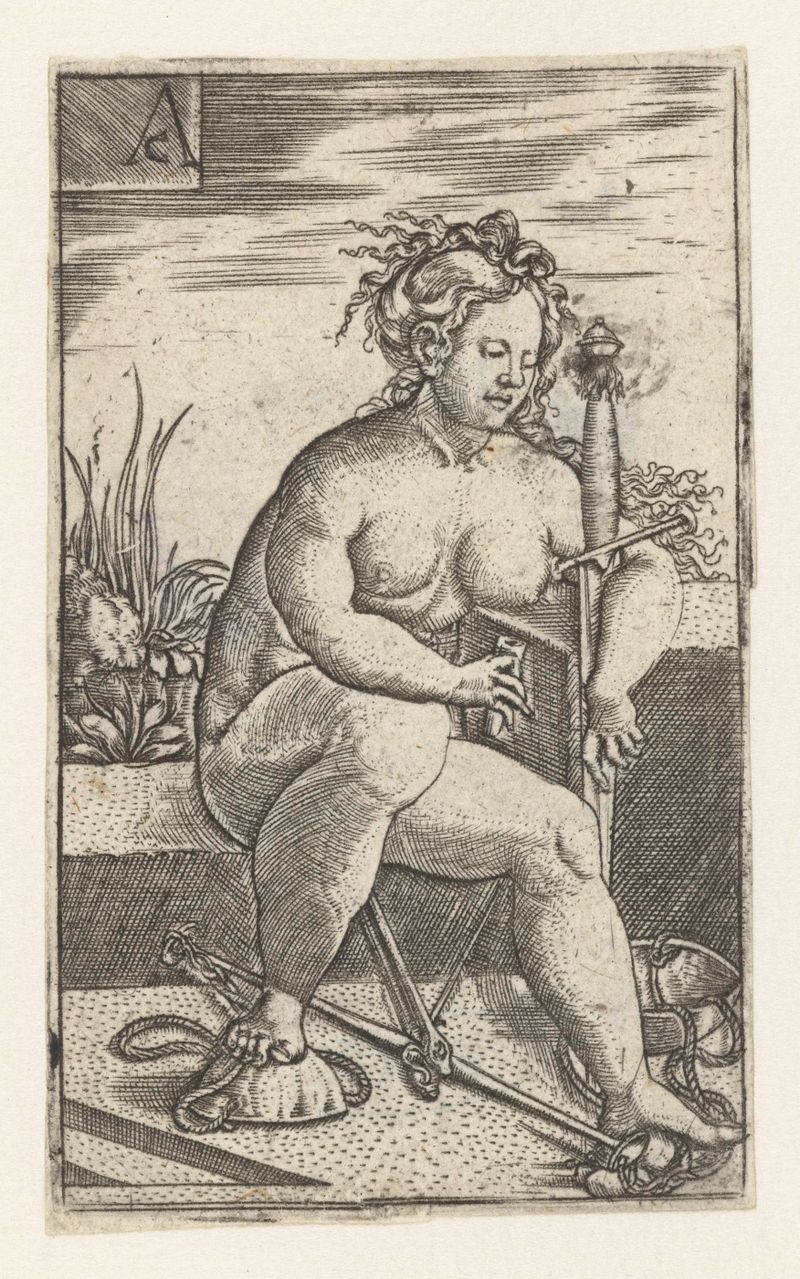
Gerechtigheid (Justitia)
Monogrammist AC (16e eeuw)
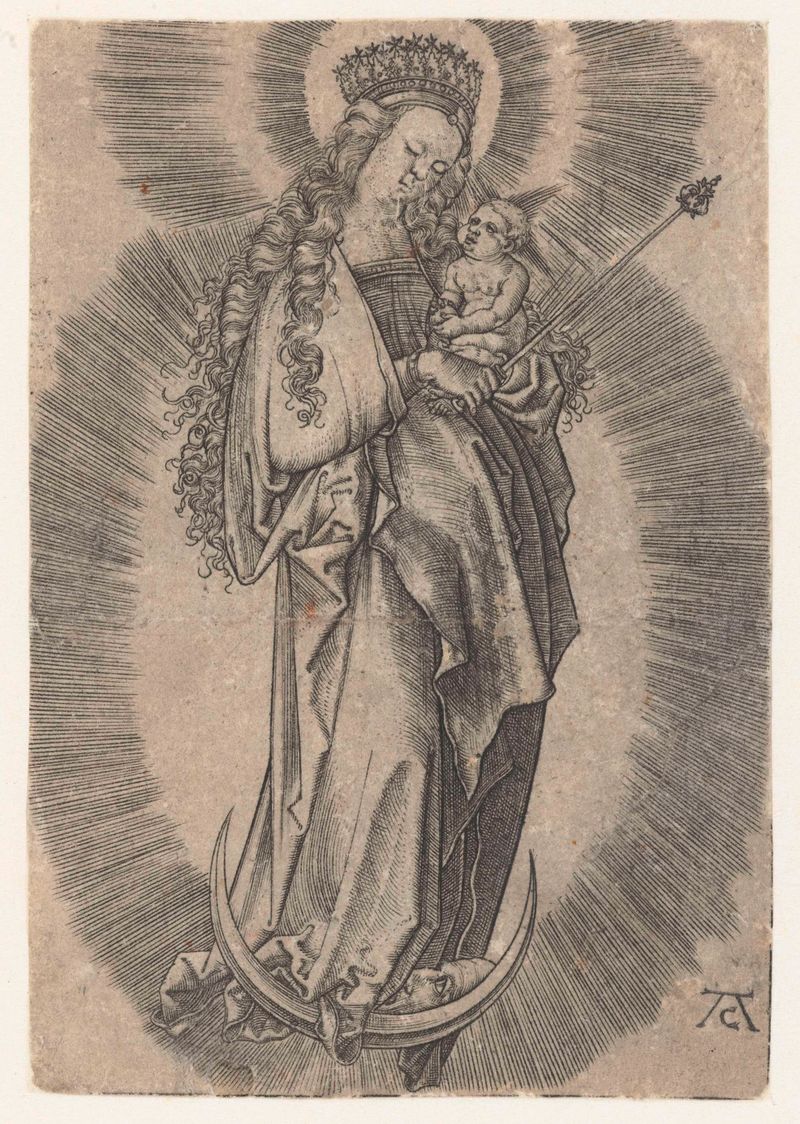
Madonna op de maansikkel.
Monogrammist AC (16e eeuw)
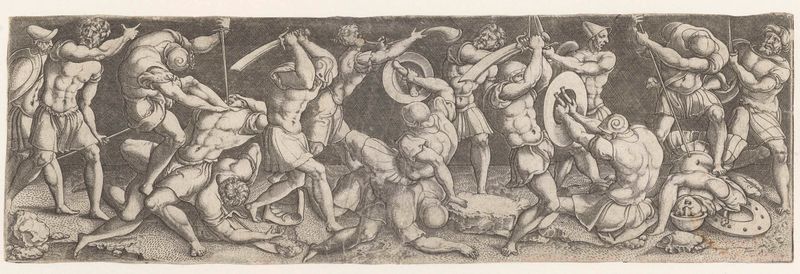
Gevecht tussen Romeinse soldaten
Monogrammist AC (16e eeuw)
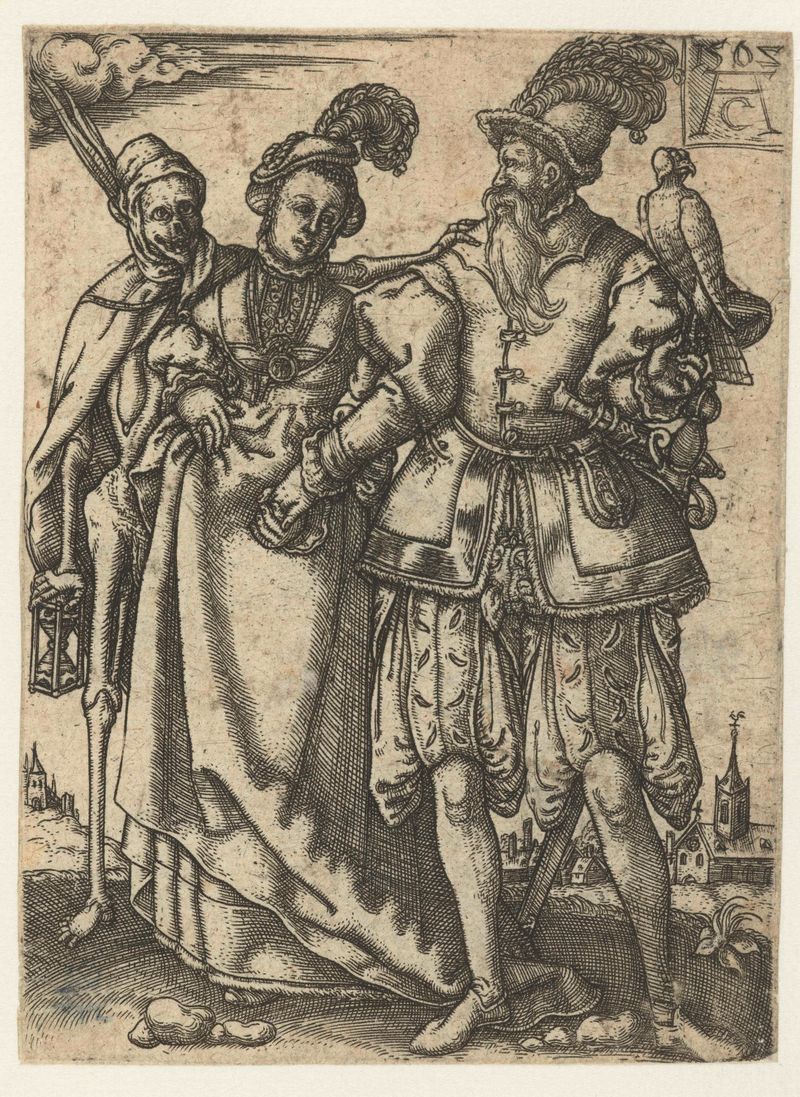
Echtpaar met de Dood
Monogrammist AC (16e eeuw)
More Historical Art
Browse all →
The Night Watch Militia Company of District II under the Command of Captain Frans Banninck Cocq
Rembrandt van Rijn

Lincoln Memorial
Henry Bacon

The Third of May 1808
Francisco de Goya

Isaac and Rebecca, Known as ‘The Jewish Bride’
Rembrandt van Rijn

The Charge of the Mamelukes (1814)
Francisco de Goya

De vier ruiters van de apocalyps
Albrecht Dürer