
Trumpeter of the Hussars — History & Facts
When Théodore Géricault exhibited Trumpeter of the Hussars at the Paris Salon of 1819, critics immediately recognized it as a bold response to Jacques-Louis David’s celebrated Napoleon Crossing the Alps. Rather than glorifying a leader, Géricault cast his gaze on a single, anonymous cavalryman, elevating the rank-and-file soldier to heroic stature. This was a radical move in post-Napoleonic France, where the wounds of war were still fresh and the cult of the Emperor had only recently been dismantled.
The painting’s energy and daring brushwork marked a clear break from the neoclassical restraint that had dominated French art for decades. The scene captures a Hussar trumpeter mounted on a rearing horse, caught in the split-second before charging into battle. The trumpeter twists in his saddle, trumpet raised but not yet sounded, his uniform ablaze with color and movement. Géricault’s brushwork is loose and urgent, the horse’s mane and the rider’s plume almost indistinguishable in their wild motion.
The diagonal thrust of the composition, with the horse’s head thrown back and the trumpeter’s gaze turned over his shoulder, suggests both the chaos of combat and the uncertainty of the soldier’s fate. Unlike David’s idealized Napoleonic hero, Géricault’s Hussar is vulnerable, his bravado tinged with anxiety—a comparison that reveals the shifting mood of French painting in the wake of empire. The exact provenance of Trumpeter of the Hussars remains somewhat uncertain, as Géricault’s early works often changed hands privately and were not always carefully documented. It is known that Géricault painted several cavalrymen during this period, fascinated by their uniforms and the drama of their lives, and this work stands among the most dynamic.
Today, the painting is recognized as a pivotal moment in the artist’s development, foreshadowing the psychological intensity and restless technique that would culminate in his later masterpiece, The Raft of the Medusa. Whether displayed in a museum or studied in reproduction, Trumpeter of the Hussars remains a testament to Géricault’s commitment to capturing the spirit—and the turmoil—of his age.
More Artworks by Théodore Géricault
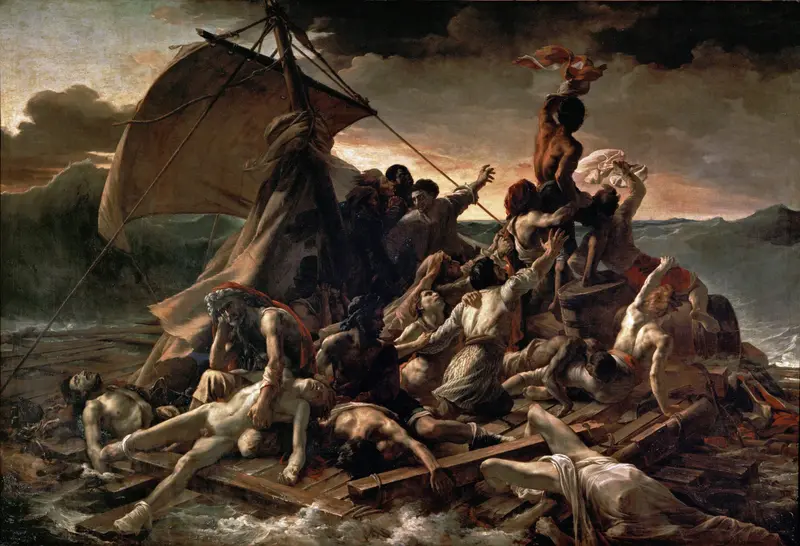
The Raft of the Medusa
Théodore Géricault

Géricault - Le naufrage du radeau de la Méduse, MBA 790
Théodore Géricault
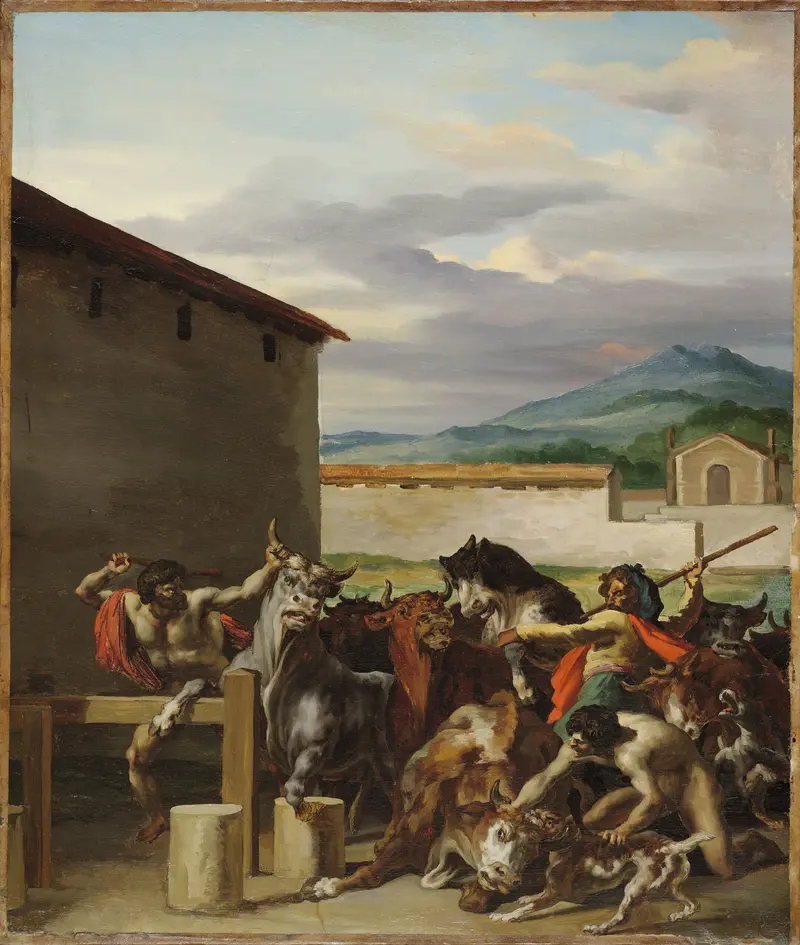
Cattle Market
Théodore Géricault
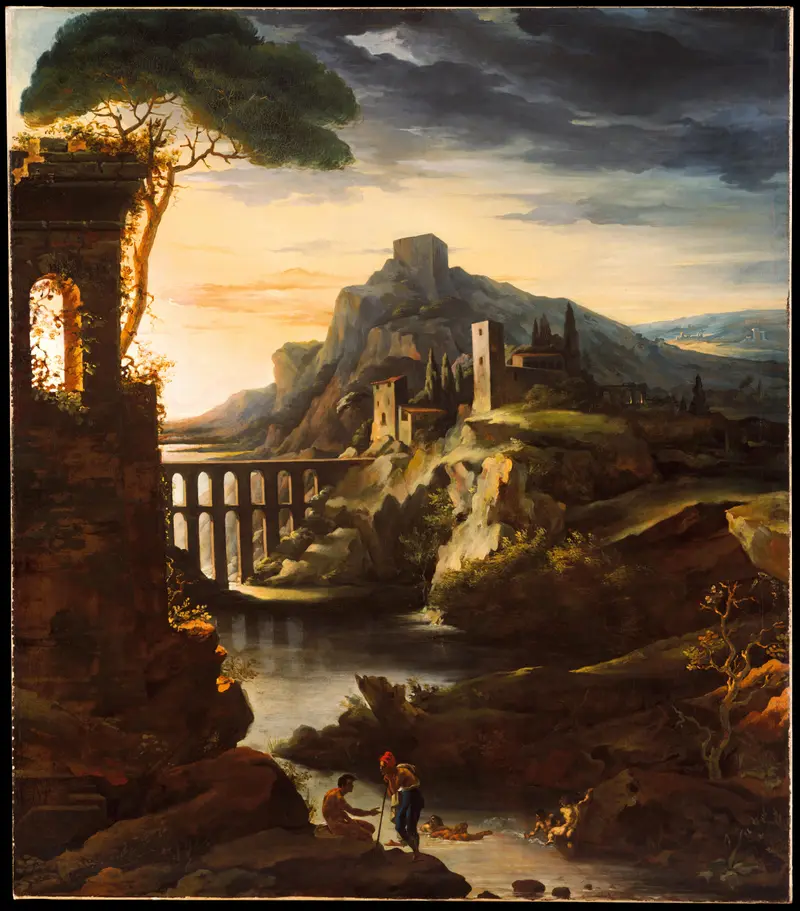
Evening; Landscape with an Aqueduct
Théodore Géricault
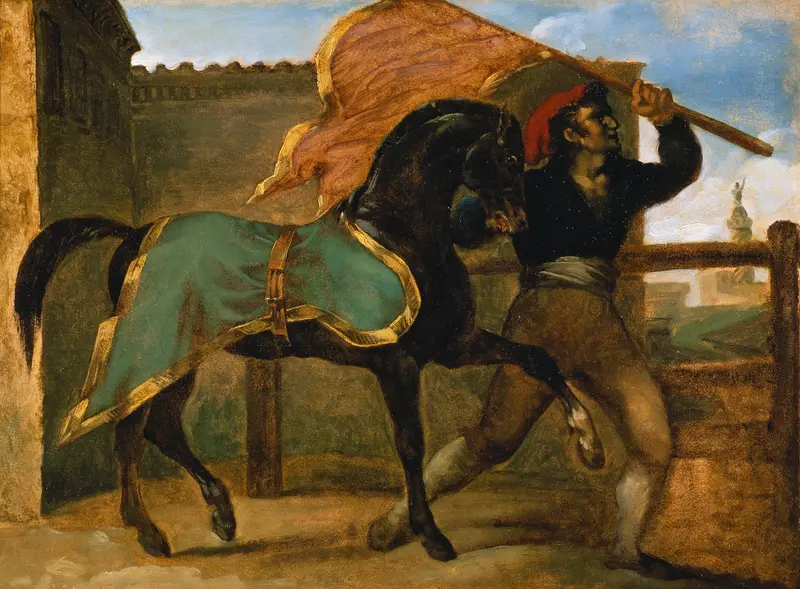
Horse Race
Théodore Géricault

Horses Standing in a Mews
Théodore Géricault
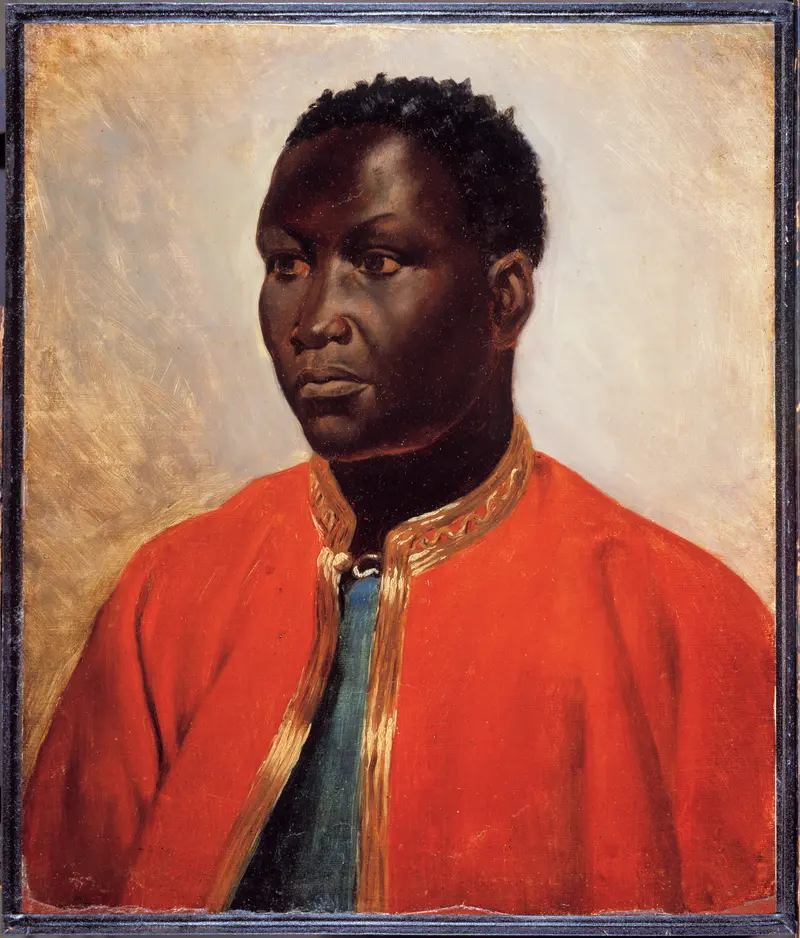
Portrait of a Negro
Théodore Géricault
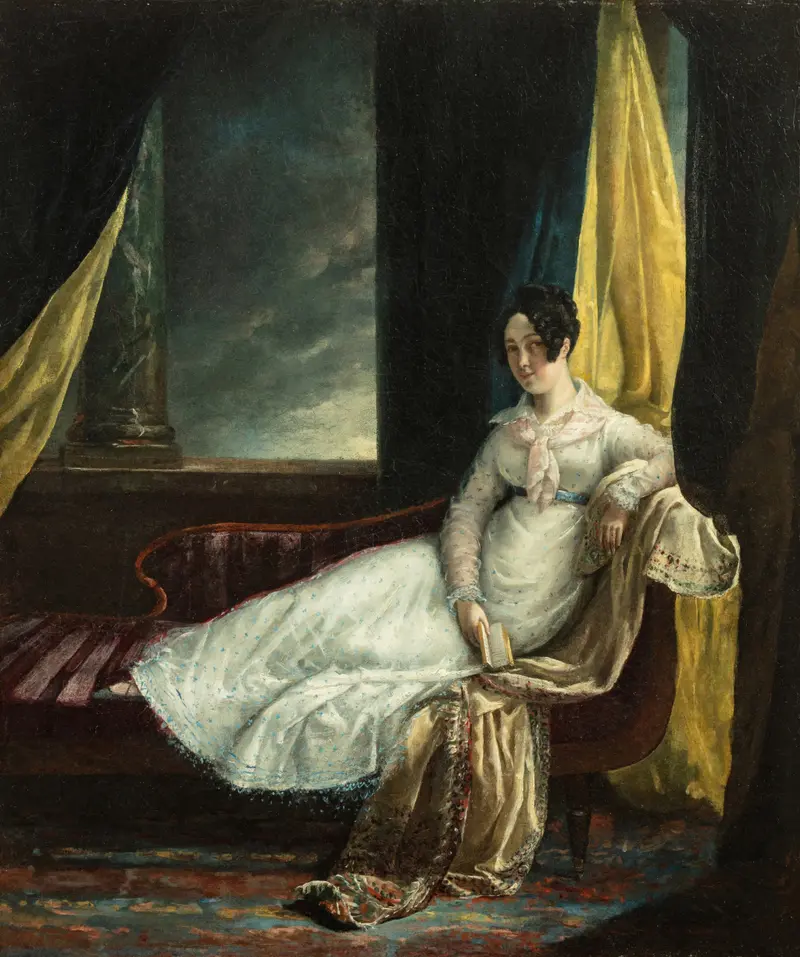
Portrait of Zoë Elmore
Théodore Géricault
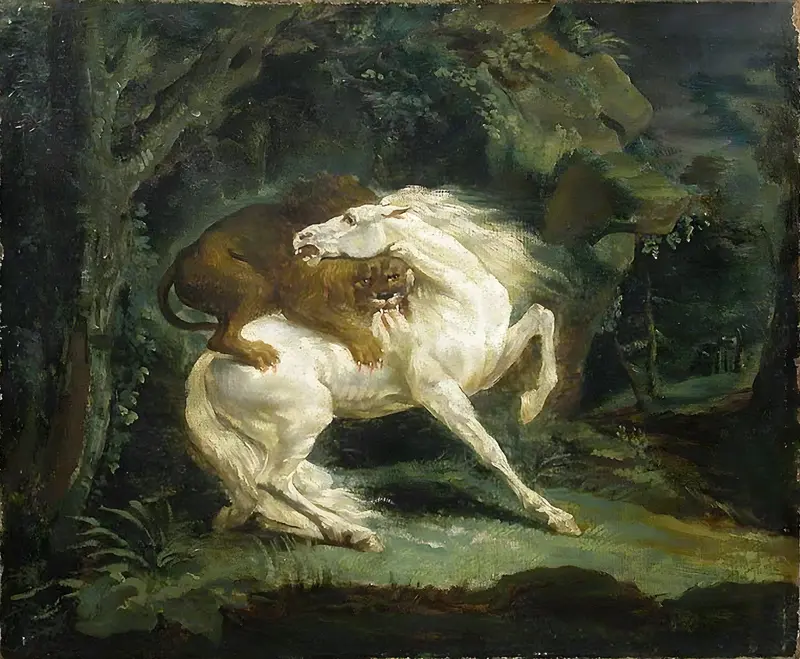
Cheval attaqué par un lion
Théodore Géricault
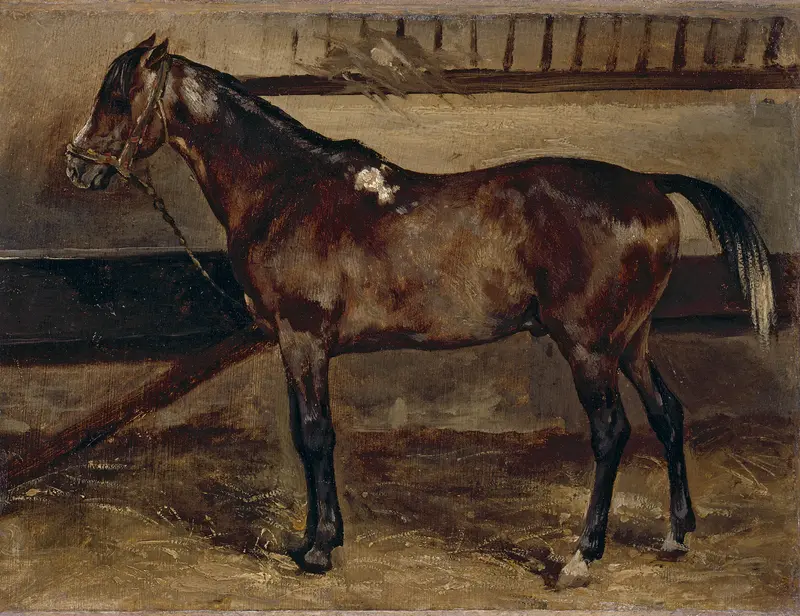
Cheval brun à l'écurie
Théodore Géricault





