
Turtles — History & Facts
No one knows for certain what medium Katsushika Hokusai used for Turtles in 1804, and this small mystery has become part of the work’s allure. While Hokusai is celebrated for his woodblock prints, especially The Great Wave off Kanagawa, Turtles stands apart: it is one of his rare animal studies from the early 1800s, a period when he was experimenting widely and publishing under different names. The artwork’s quiet fame is also due to its inclusion in the illustrated book Ehon Taka Kagami (Picture Book: Mirror of Hawks), where it appeared alongside birds of prey—a curious juxtaposition that has intrigued scholars. In Turtles, Hokusai captures a moment of tranquil coexistence.
Several turtles, rendered with careful attention to the textures of their shells and the folds of their limbs, cluster together on a riverbank. One turtle stretches its neck upward, as if sniffing the air or contemplating a slow journey toward the water’s edge. The artist’s fine lines and delicate washes bring out the individuality of each creature, from the old, mossy-backed matriarch to the smaller, sprightlier companions.
Unlike the dramatic, almost theatrical animal scenes in Utagawa Kuniyoshi’s prints, Hokusai’s turtles are unhurried, their world one of gentle observation rather than spectacle. The composition invites the viewer to linger, noticing the play of light on wet shells and the subtle dialogue between land and water. The physical history of Turtles is as elusive as its medium. It likely began as an illustration for a printed book, a format central to Hokusai’s career during the Edo period, when he was producing hundreds of images for commercial publishers.
While the original drawing may have been lost or dispersed, printed versions have survived in collections in Japan and abroad, testament to the wide reach of Hokusai’s work. Today, Turtles is studied as an example of the artist’s keen observation of nature and his ability to infuse even the humblest subjects with quiet dignity. Its exact whereabouts may be uncertain, but its place in the story of Japanese art is secure.
More Artworks by Katsushika Hokusai

The Great Wave off Kanagawa
Katsushika Hokusai
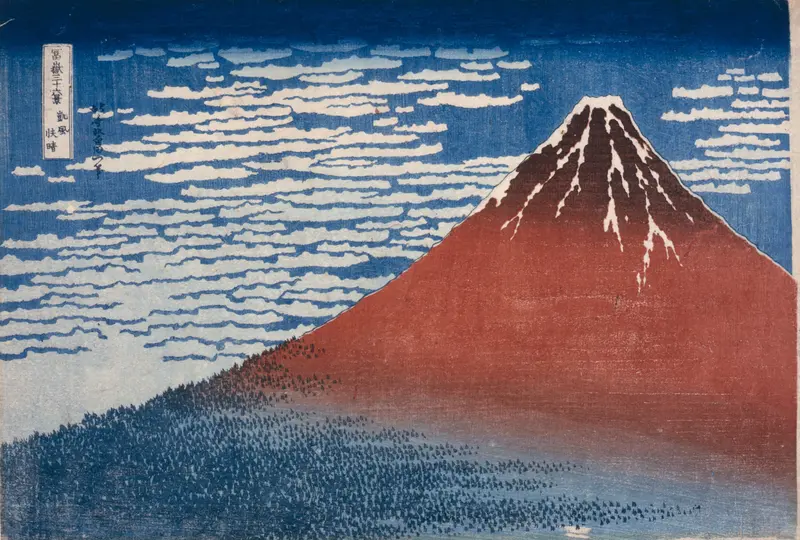
Fine Wind, Clear Morning (Red Fuji)
Katsushika Hokusai
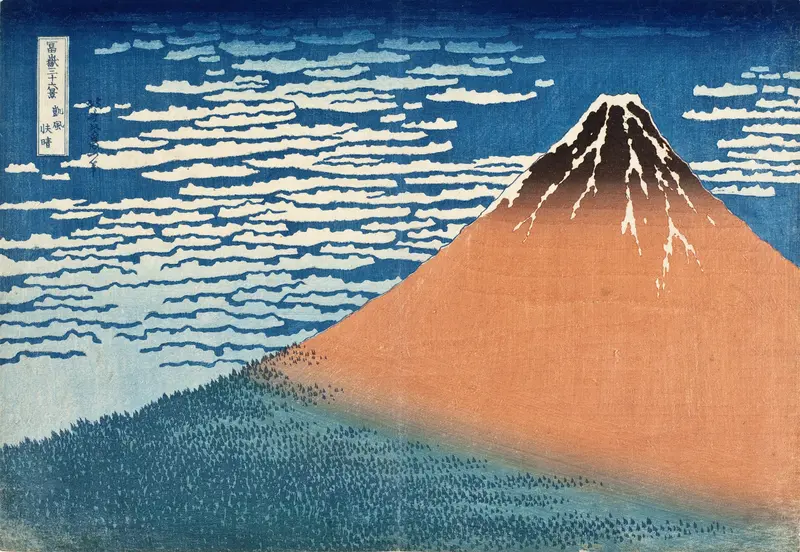
South Wind, Clear Dawn
Katsushika Hokusai
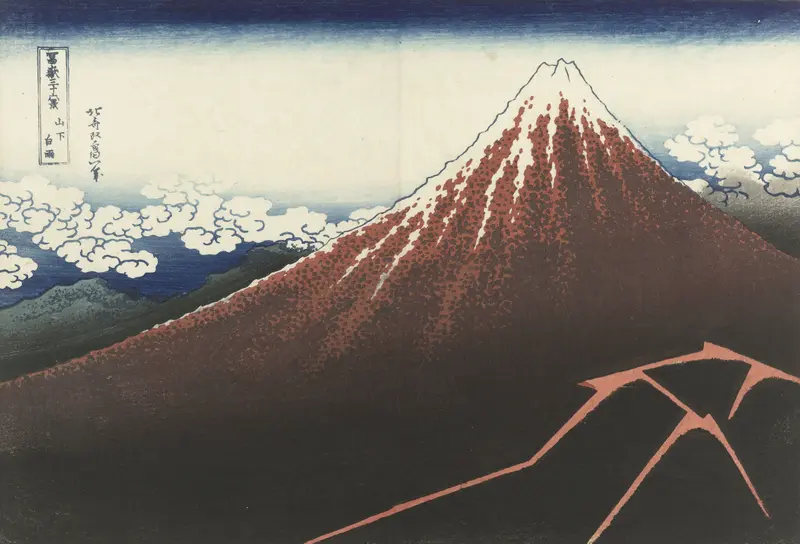
Rainstorm Beneath the Summit
Katsushika Hokusai
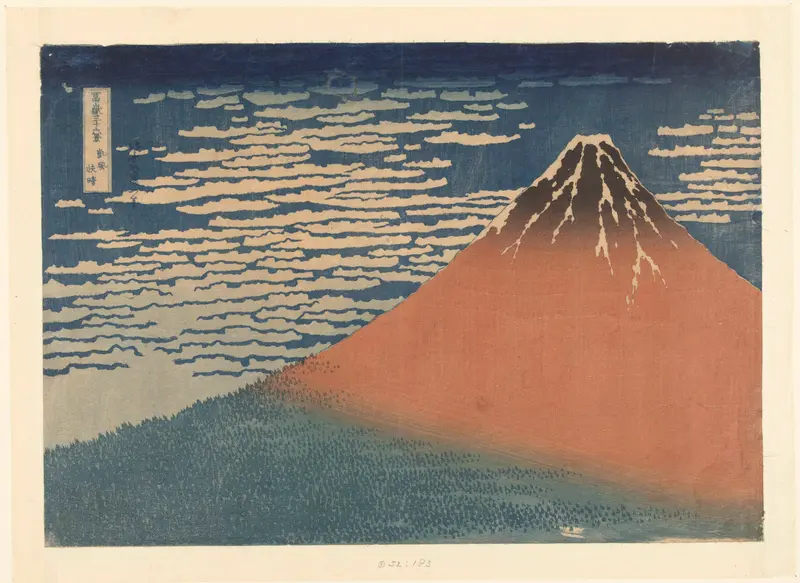
Clear Weather with a Southerly Wind
Katsushika Hokusai
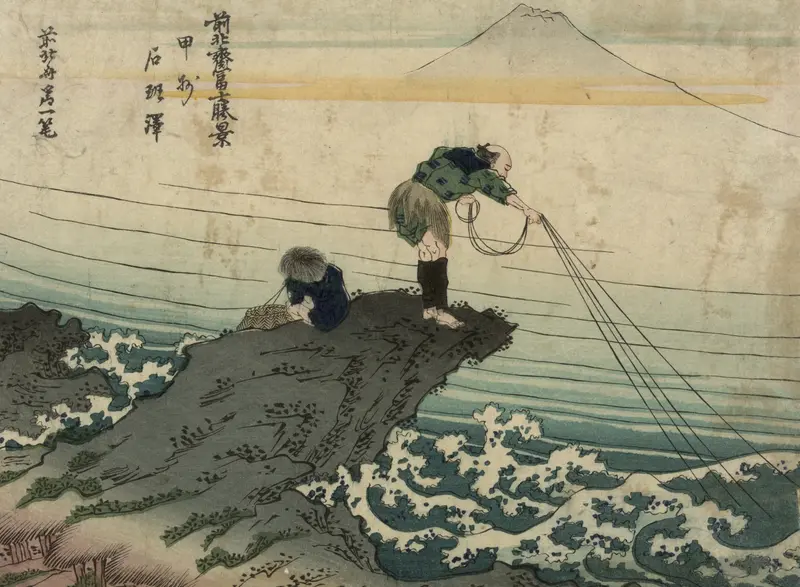
Kōshū kajikazawa
Katsushika Hokusai
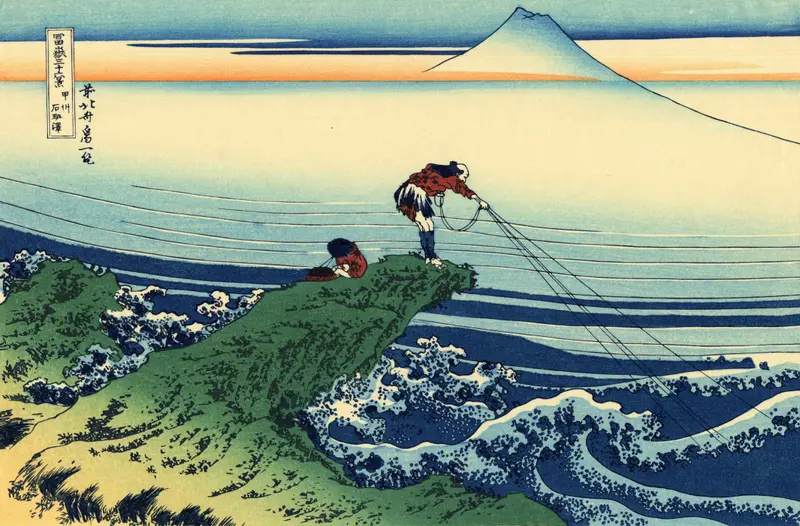
Kōshū kajikazawa 2
Katsushika Hokusai
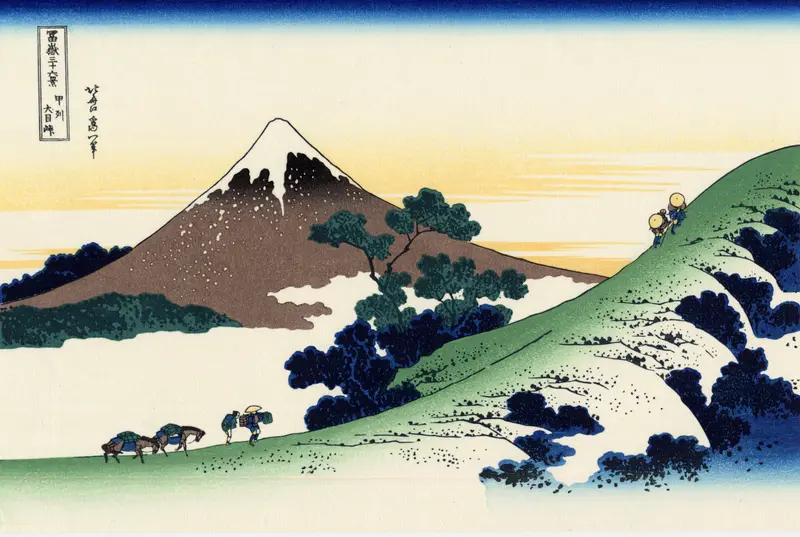
Inume Pass in Kai Province (Kôshû inume-tôge)
Katsushika Hokusai

Yoro Falls in Mino Province (Mino no Yoro no taki), from the series "A Tour of Waterfalls in Various Provinces (Shokoku taki meguri)"
Katsushika Hokusai
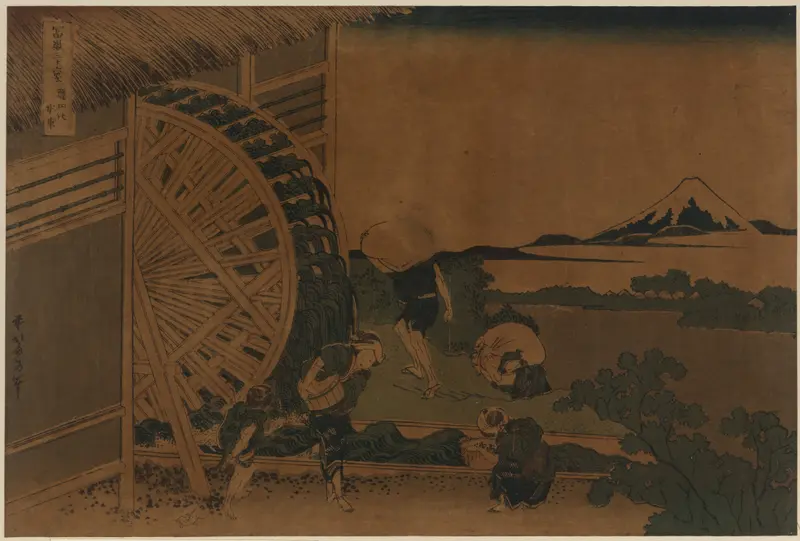
Onden no suisha
Katsushika Hokusai





