
Two Brown Horses in a Stall — History & Facts
When Théodore Géricault turned his attention to horses, he was not simply painting animals—he was capturing a national obsession. In the years after the Napoleonic Wars, horses were both symbols of lost glory and everyday companions in France, and Géricault became renowned for his ability to render their power and vulnerability. The precise origins of Two Brown Horses in a Stall remain uncertain, but it belongs to a body of work that fascinated collectors and critics alike; Delacroix, his contemporary, once wrote admiringly of Géricault's "astonishing truth" in depicting horses.
The painting’s anonymity of date and medium only adds to its intrigue, inviting viewers to focus on the animals themselves. Inside the dim stall, two brown horses stand close, their bodies pressed in a quiet communion. One turns its head, nostrils flaring, as if sensing the viewer’s presence, while the other gazes downward, lost in its own world. The play of light across their flanks highlights the tension in their muscles and the sheen of their coats, testifying to Géricault's deep study of equine anatomy.
Unlike the heroic, battle-charged horses of Rubens or David, these animals are shown at rest—alert, but confined—suggesting both their strength and their dependence on human care. The stall’s rough timbers and scattered straw ground the scene in reality rather than romance. The journey of Two Brown Horses in a Stall through history is less documented than some of Géricault's celebrated canvases, such as The Raft of the Medusa. Works like this, often painted from life and sometimes left unsigned, were prized by collectors for their immediacy and intimacy.
Today, such studies are valued as glimpses into the artist’s process and his lifelong fascination with horses, which he sketched obsessively at fairs, stables, and slaughterhouses. While the painting’s early provenance is unclear, it stands as a testament to Géricault's unique place in the Romantic movement, bridging the gap between heroic history painting and the raw observation of everyday life.
More Artworks by Théodore Géricault
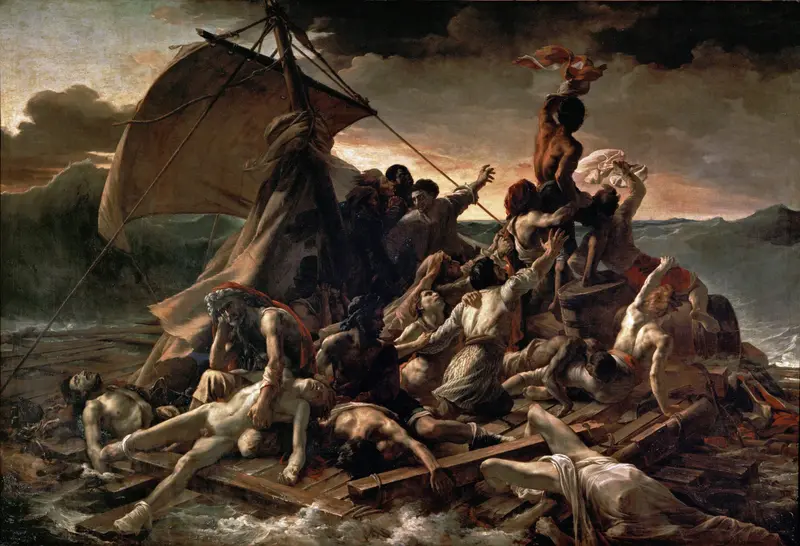
The Raft of the Medusa
Théodore Géricault

Géricault - Le naufrage du radeau de la Méduse, MBA 790
Théodore Géricault
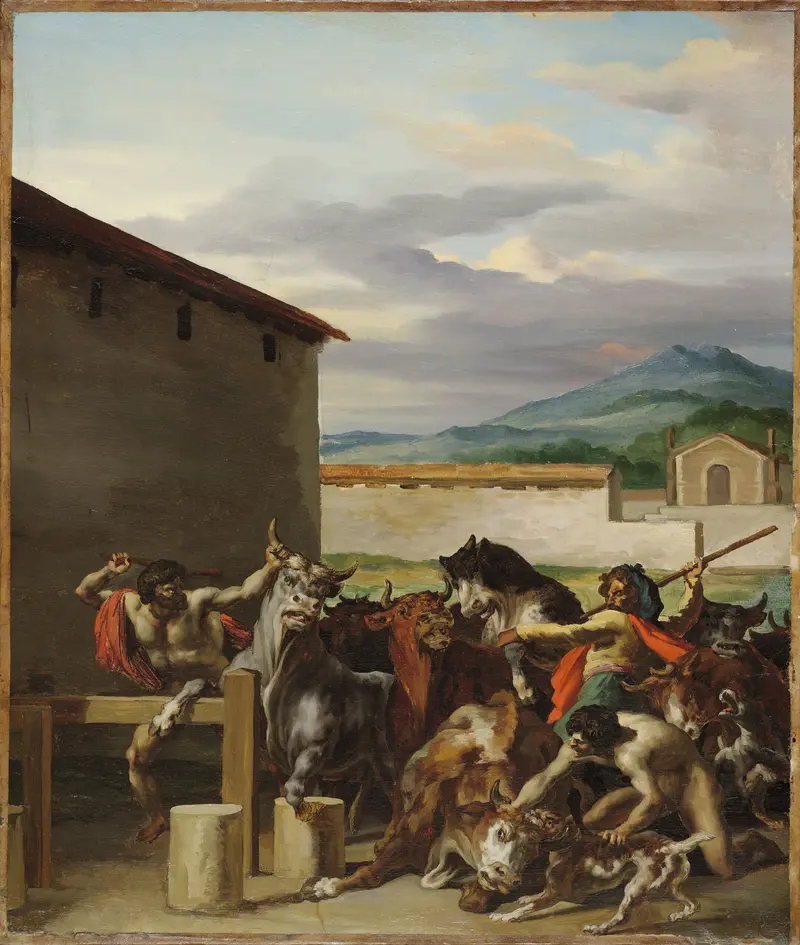
Cattle Market
Théodore Géricault
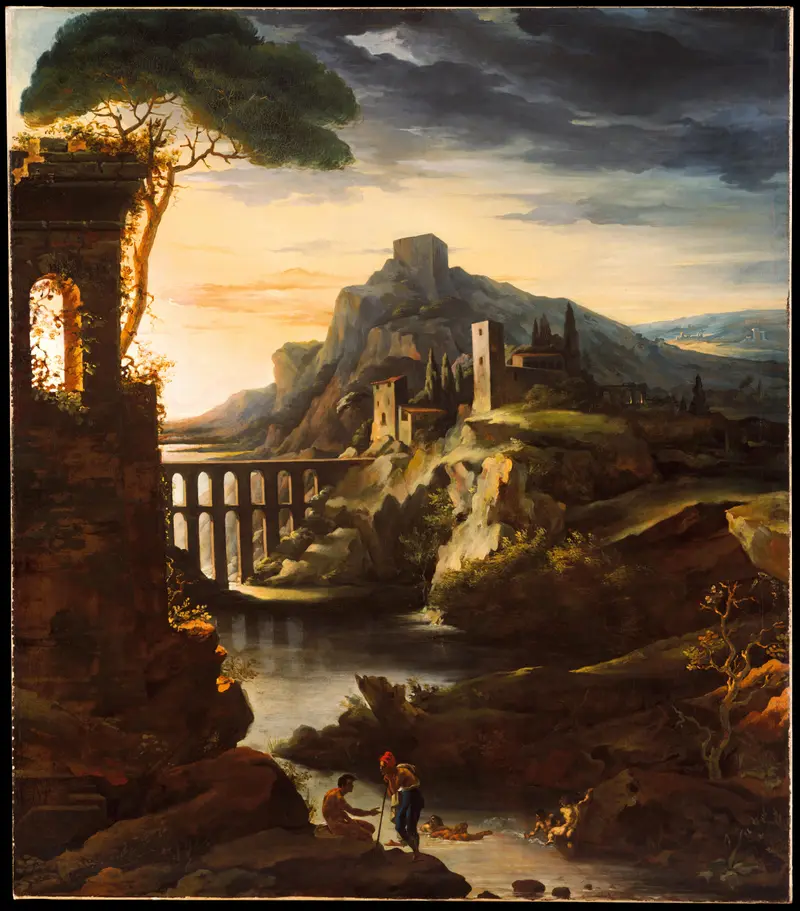
Evening; Landscape with an Aqueduct
Théodore Géricault
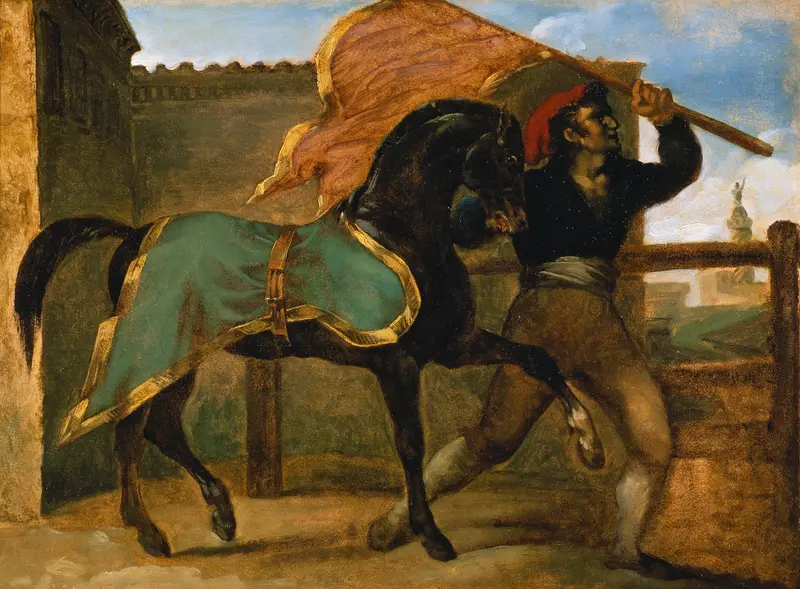
Horse Race
Théodore Géricault

Horses Standing in a Mews
Théodore Géricault
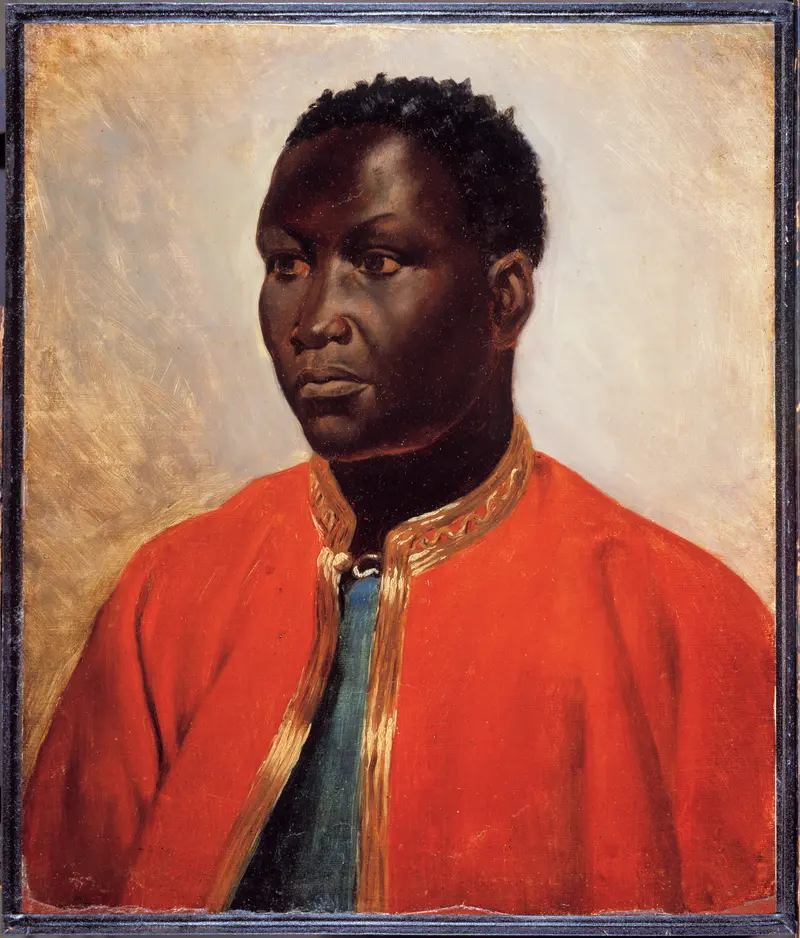
Portrait of a Negro
Théodore Géricault
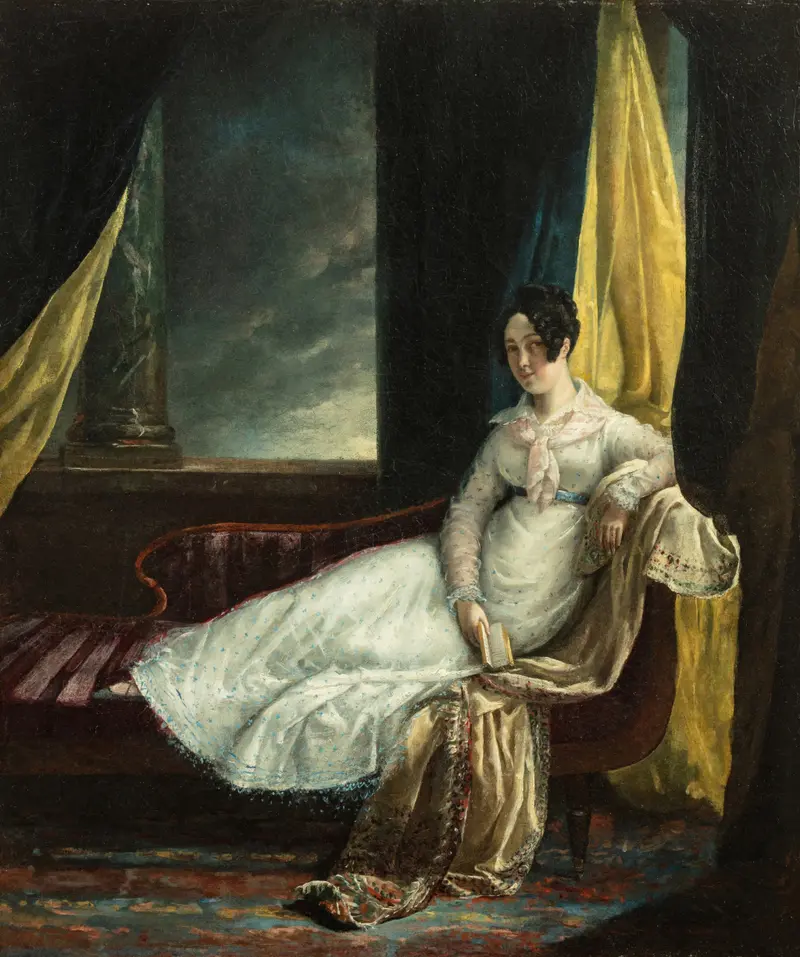
Portrait of Zoë Elmore
Théodore Géricault
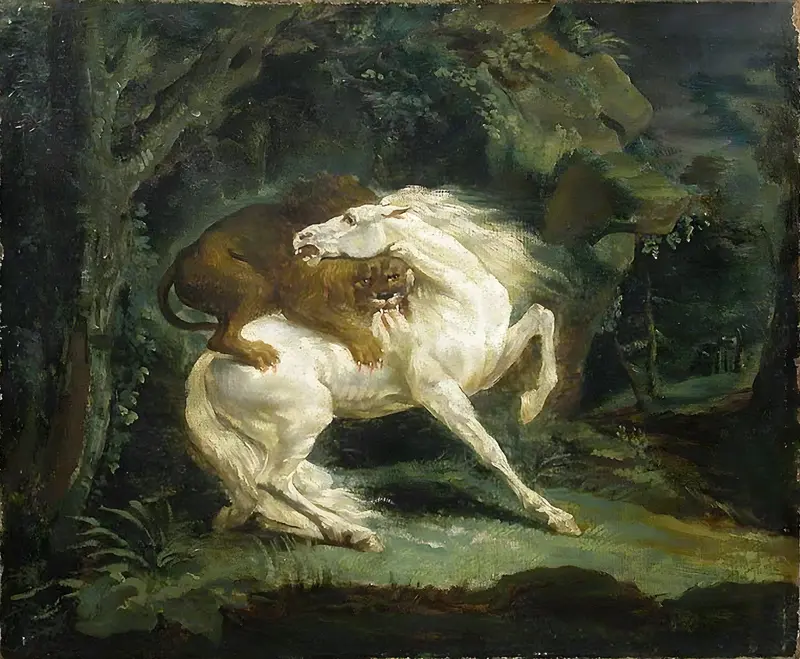
Cheval attaqué par un lion
Théodore Géricault
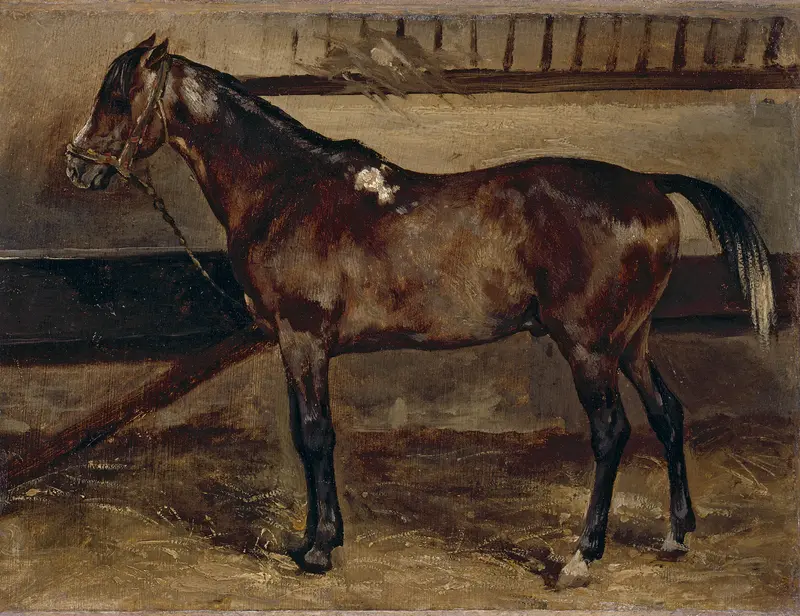
Cheval brun à l'écurie
Théodore Géricault





