
Two Female Heads — History & Facts
No one knows for certain who the two women in Two Female Heads are, or even if they ever truly existed. This sense of ambiguity has long intrigued art historians, who note that Abraham Bloemaert—a leading figure of the early Dutch Baroque—often used studies like this as exercises for his students, models for larger compositions, or as explorations of human expression. The lack of a clear narrative or commission has left the drawing’s purpose open to speculation, and it has become a touchstone for debates about the boundaries between preparatory study and finished artwork. The two faces emerge from a softly modeled darkness, their heads turned in different directions, their gazes not meeting.
One woman looks upward, her features illuminated by a gentle light that catches the curve of her cheek and the arch of her brow, suggesting hope or contemplation; the other looks downward, her expression more shadowed and introspective. The subtle play of light and shade, and the careful rendering of flesh and fabric, reveal Bloemaert’s fascination with the human face as a vessel of emotion. Unlike the grand narrative scenes of Rembrandt or the idealized beauty of Guido Reni, here the focus is on the quiet drama of expression itself, untethered from a specific story. The exact date and medium of Two Female Heads remain uncertain, but its style and technique place it among the many studies and drawings Bloemaert produced in Utrecht during the late 16th and early 17th centuries.
Works like this were often kept in the artist’s studio, serving as references for both teacher and pupils—Bloemaert trained a generation of Dutch painters, including his own sons. Over time, such studies found their way into collectors’ albums and museum collections, valued for their insight into the artist’s process. Today, Two Female Heads stands as a testament to Bloemaert’s skill as a draftsman and his enduring interest in the expressive possibilities of the human face.
More Artworks by Abraham Bloemaert

Adam and Eve
Abraham Bloemaert
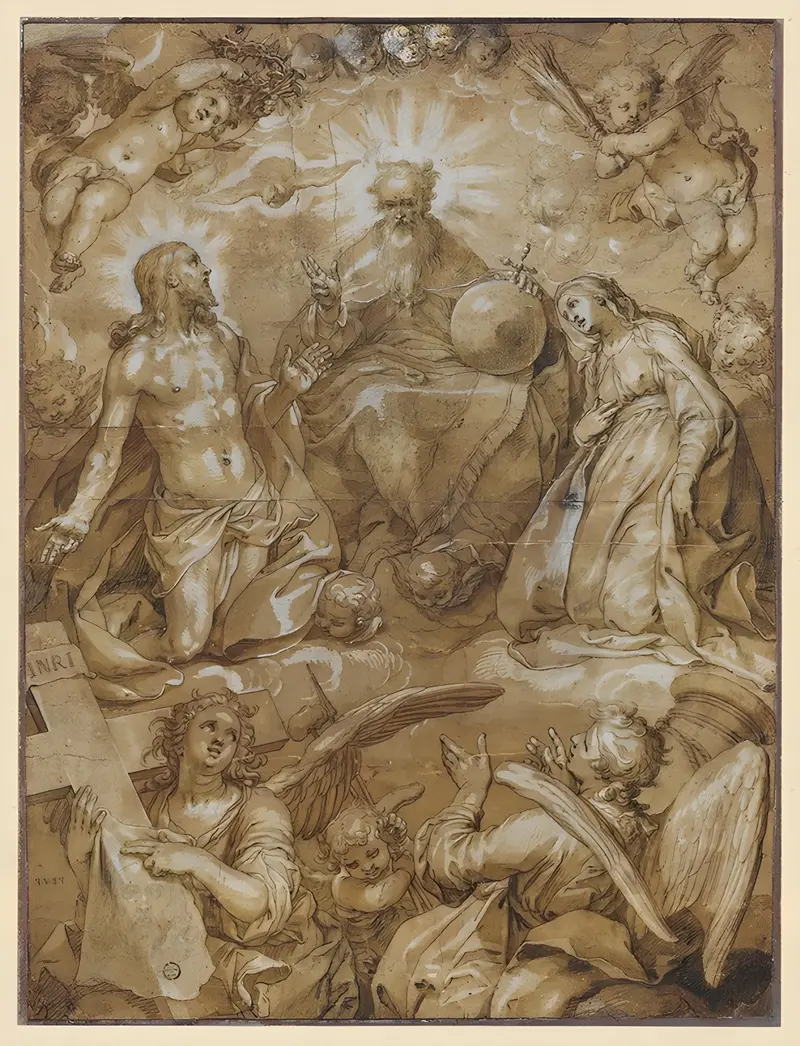
Intercession of Christ and Mary before God the Father
Abraham Bloemaert
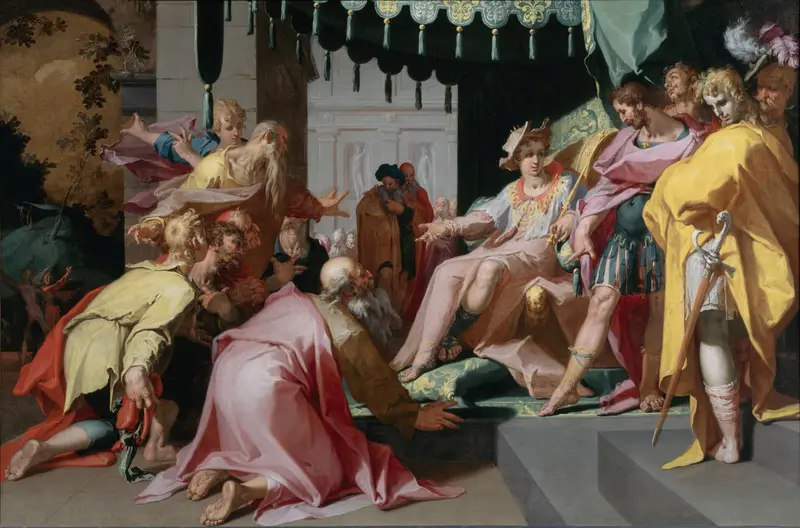
Joseph and his Brothers
Abraham Bloemaert
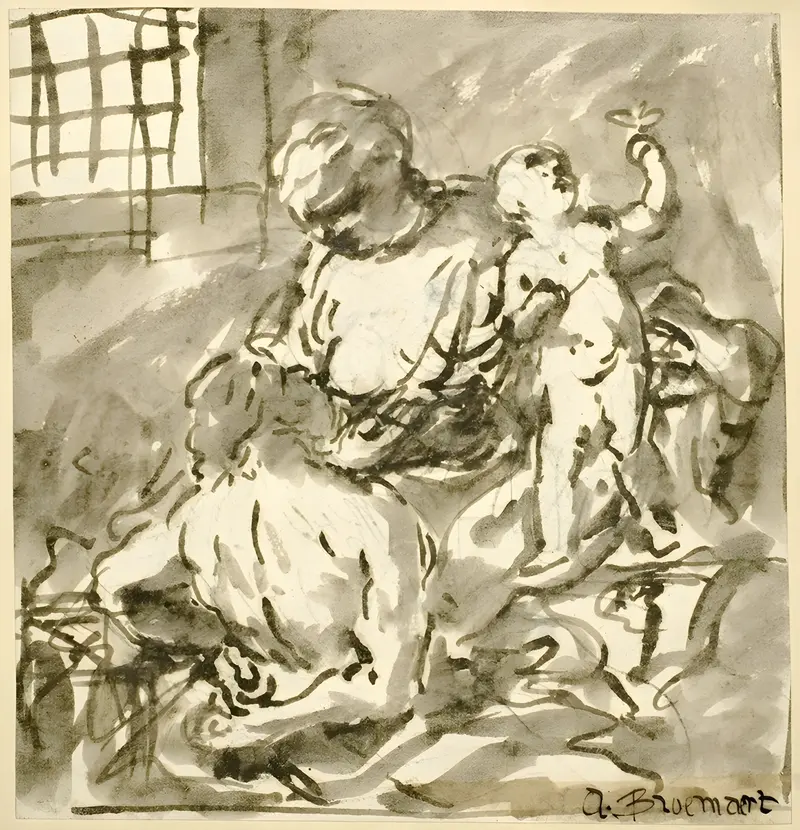
Caritas Romana
Abraham Bloemaert
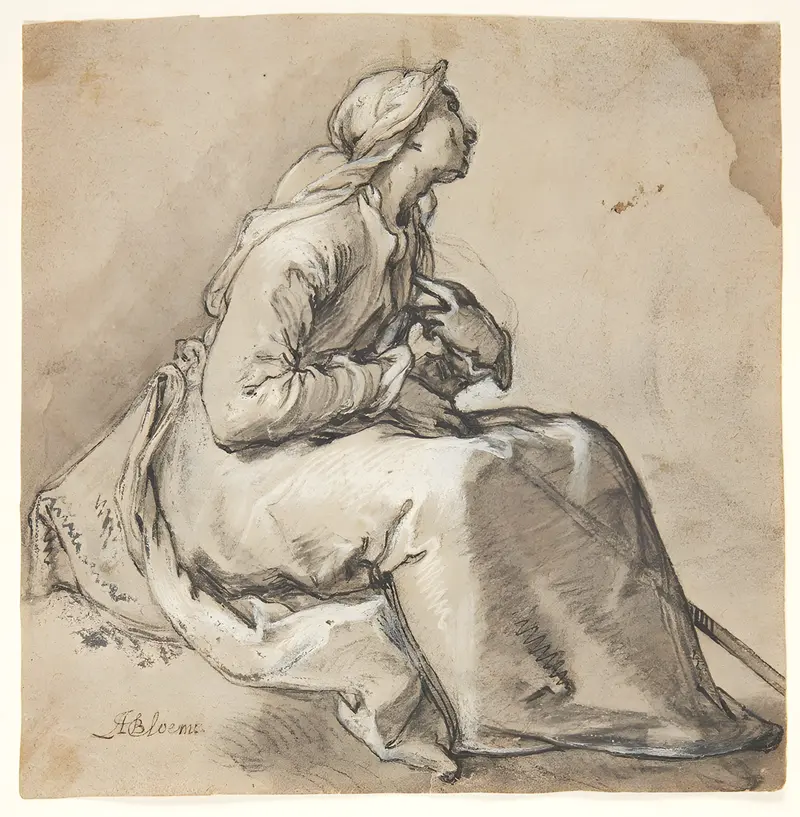
A seated woman facing right
Abraham Bloemaert
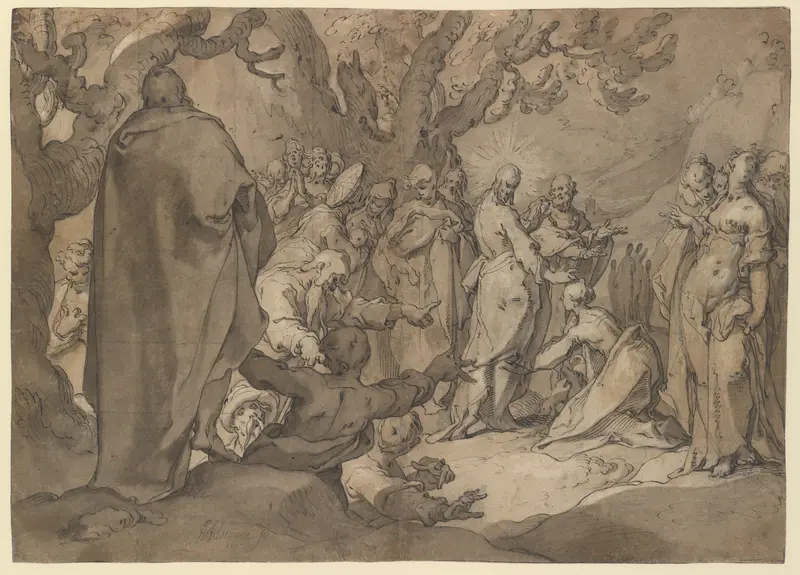
Christ and the Canaanite Women
Abraham Bloemaert
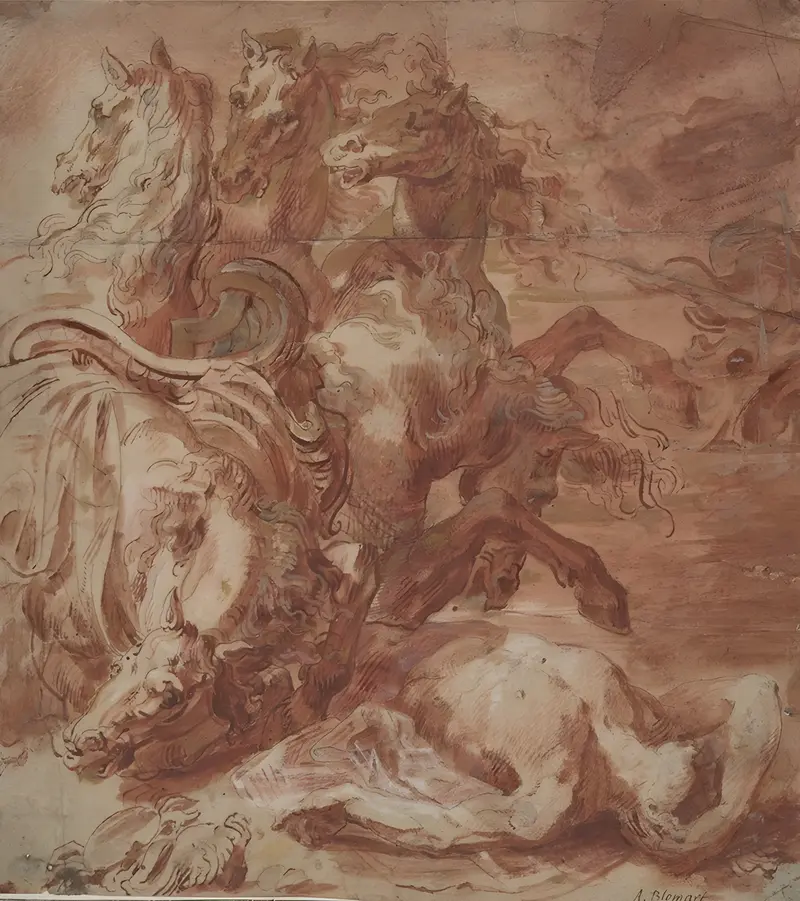
Hippolytus
Abraham Bloemaert
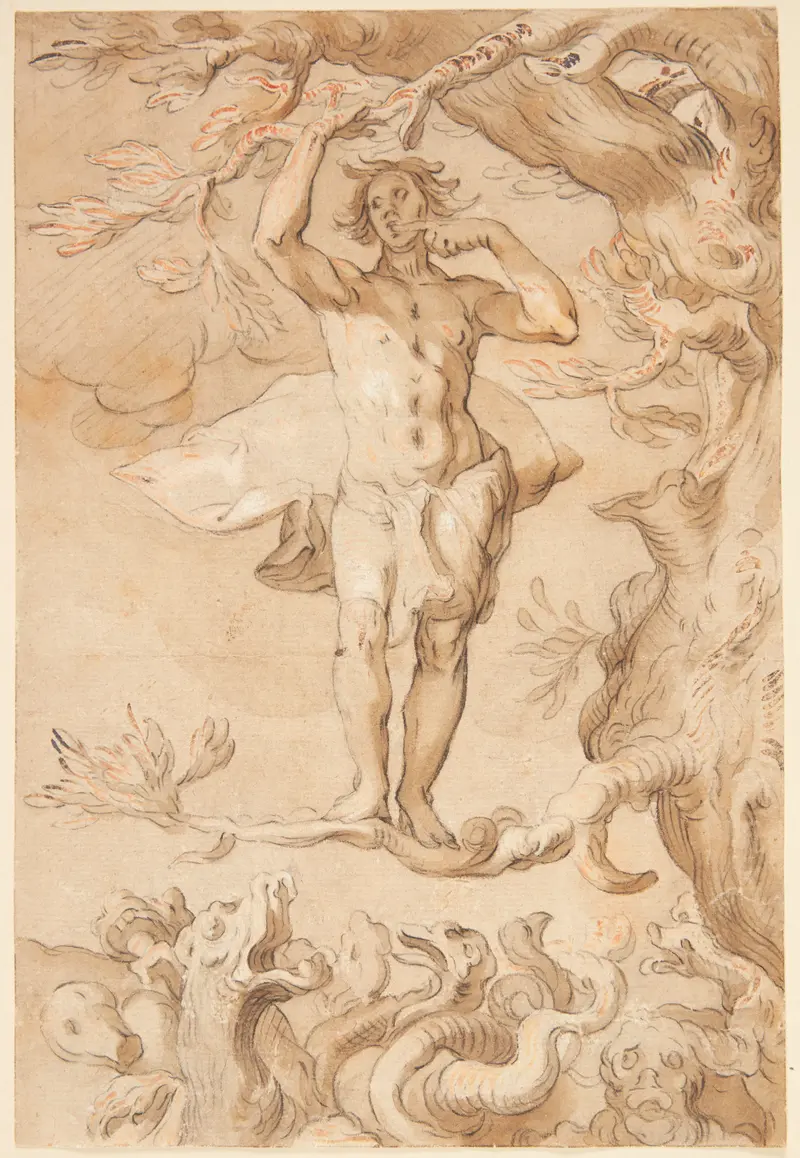
Den menneskelige glædes skrøbelighed En mand, der jages af en drage, klynger sig til en gren, mens han slikker honning af sin finger
Abraham Bloemaert

Moses Striking the Rock
Abraham Bloemaert
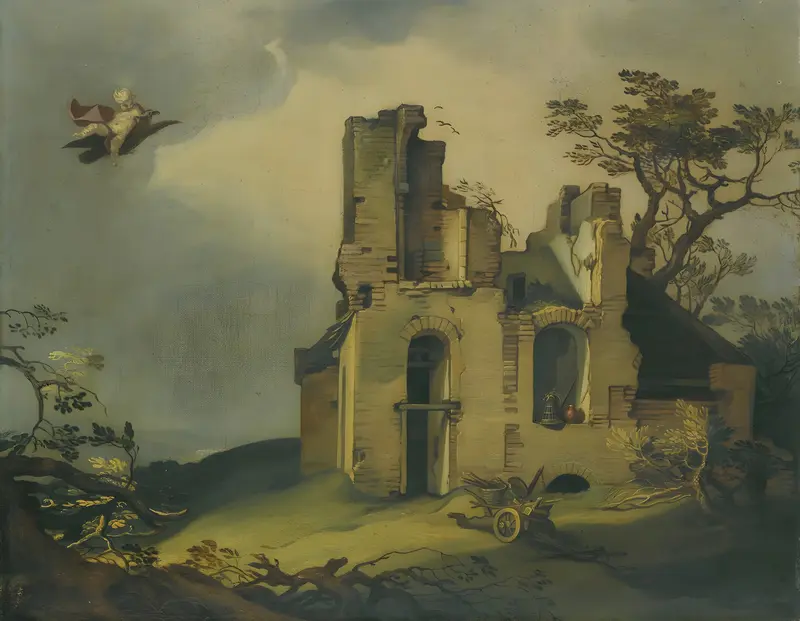
A Landscape With Ruins, With The Rape Of Ganymede
Abraham Bloemaert




