
Two Women Standing — History & Facts
What first catches the eye in Two Women Standing is the way the figures seem to be assembled from the same building blocks as the world around them—limbs echoing the geometry of the windowpanes, faces as pale and smooth as porcelain, hair rendered in sweeping, inky arcs. The two women, pressed together in a pose that is both intimate and monumental, are set against a backdrop of bold, interlocking shapes: a cobalt vase perched on a yellow table, a red curtain, and a distant plume of smoke. Léger’s palette is clear and deliberate, with the green and orange of the women’s skirts anchoring the composition, while their blank expressions and stylized forms give them a sense of calm detachment.
Every object, every limb, seems to have been weighed and placed with the same mechanical care, inviting the viewer to linger on the puzzle of their relationship—are they mother and daughter, sisters, or simply two figures sharing the same constructed world? Painted in 1922, this work belongs to the era when Fernand Léger was deeply engaged with the language of modernity, translating the rhythms of the machine age into his own visual vocabulary. In the wake of World War I, artists across Europe were reimagining the figure, stripping it down to essentials, and Léger was among those who saw beauty in the engineered, the modular, the almost industrial. While history has kept few traces of this particular painting’s early life, its presence today in the Centre Pompidou places it in the heart of the story of twentieth-century art.
Léger’s vision—at once human and mechanical, intimate and impersonal—remains as arresting now as it was a century ago, and the painting rewards every fresh look with new questions about the boundaries between person and object, warmth and order.
More Artworks by Fernand Léger

The Tugboat Bridge
Fernand Léger
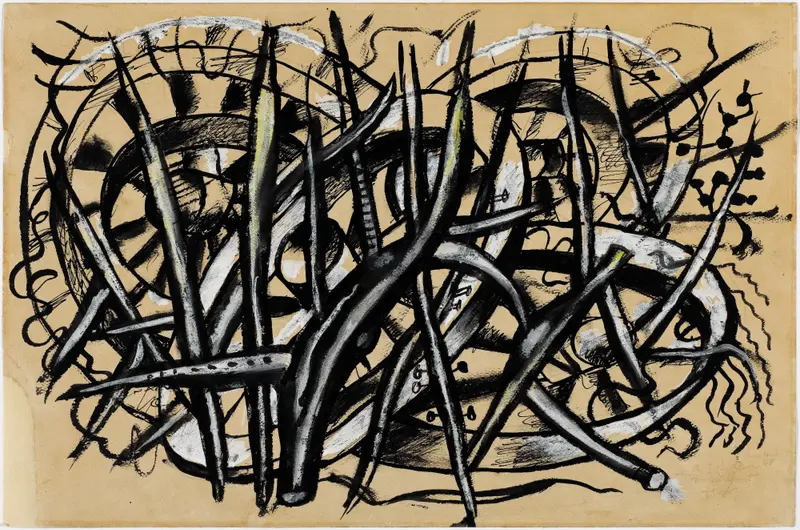
The Wheels
Fernand Léger

Le Cirque Médrano
Fernand Léger
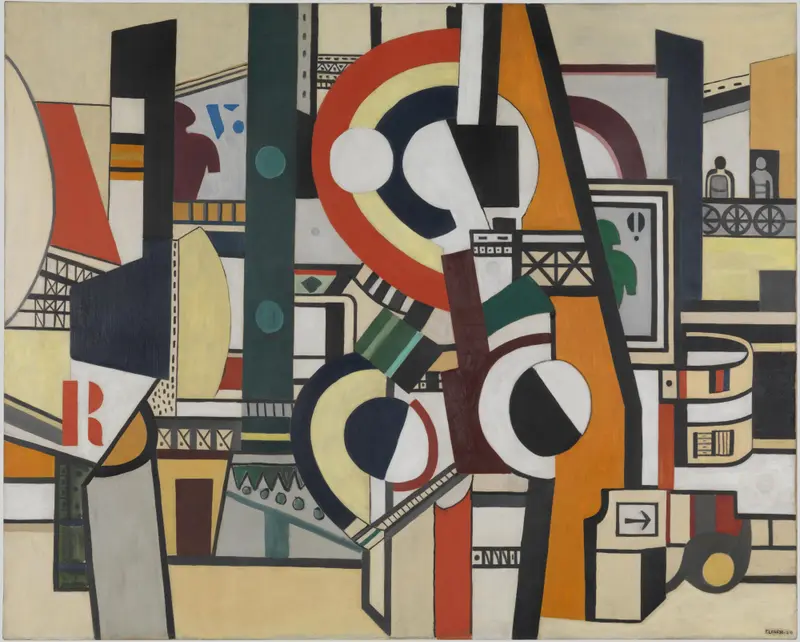
The Disks in the City
Fernand Léger
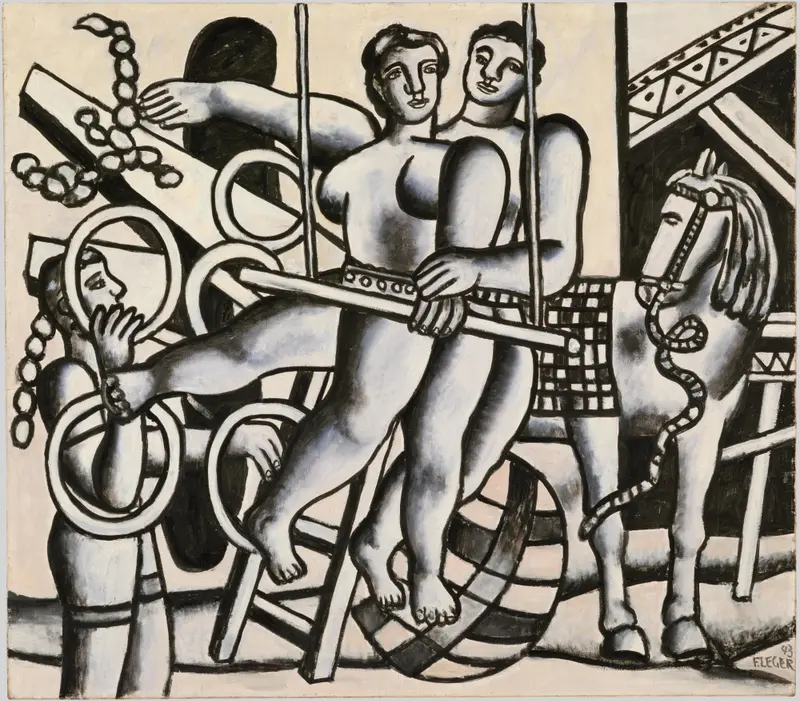
Le Jongleur et les acrobates
Fernand Léger
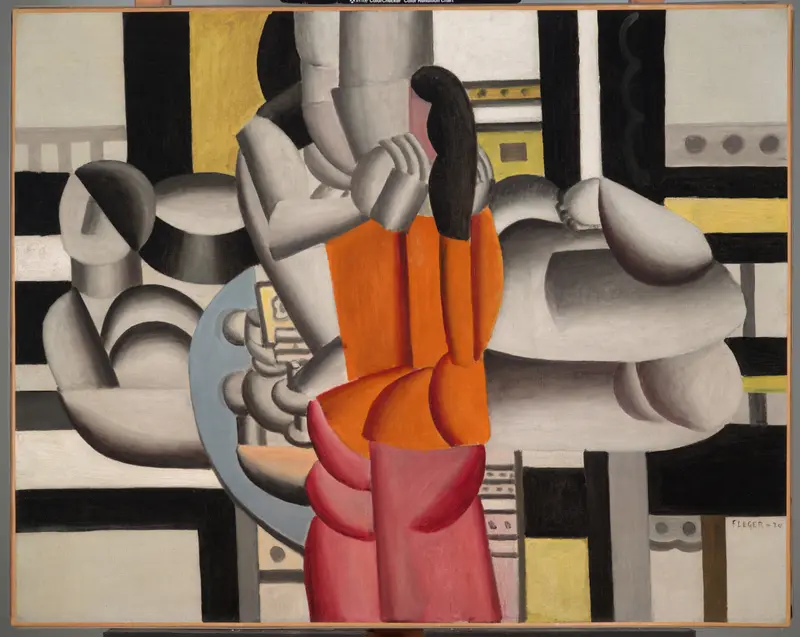
Three Women and Still Life (Déjeuner)
Fernand Léger
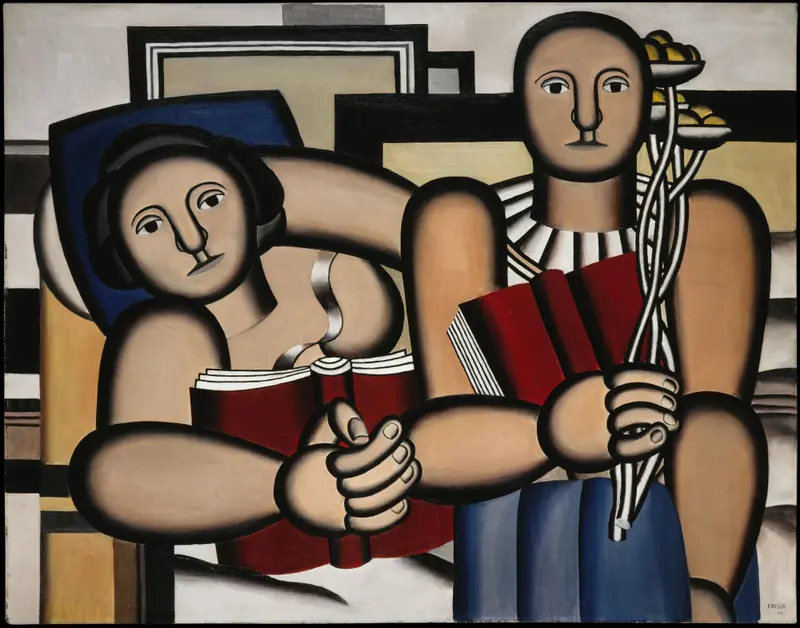
Reading
Fernand Léger
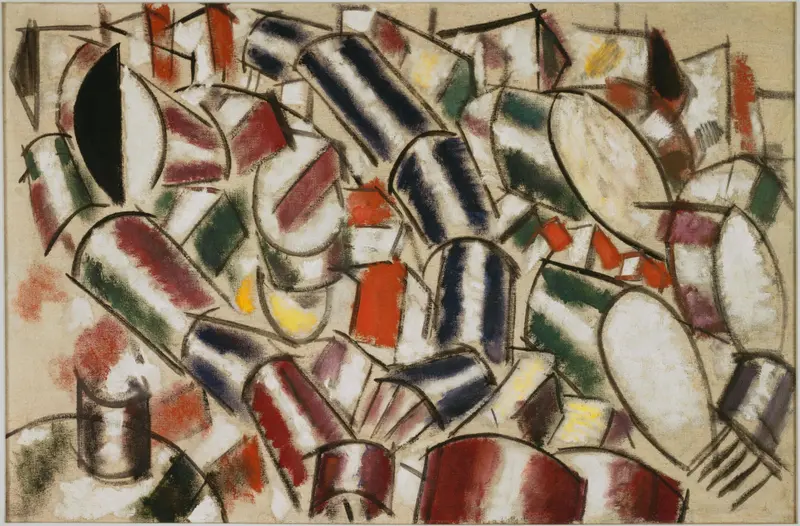
Femme couchée
Fernand Léger
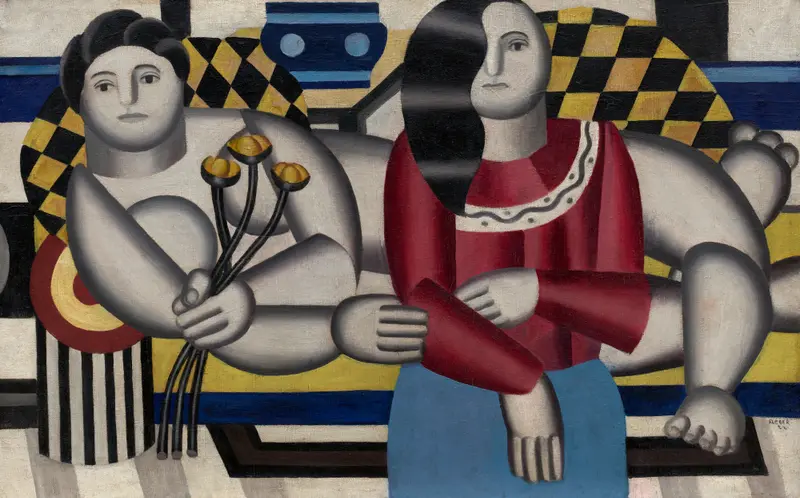
Woman holding flowers
Fernand Léger
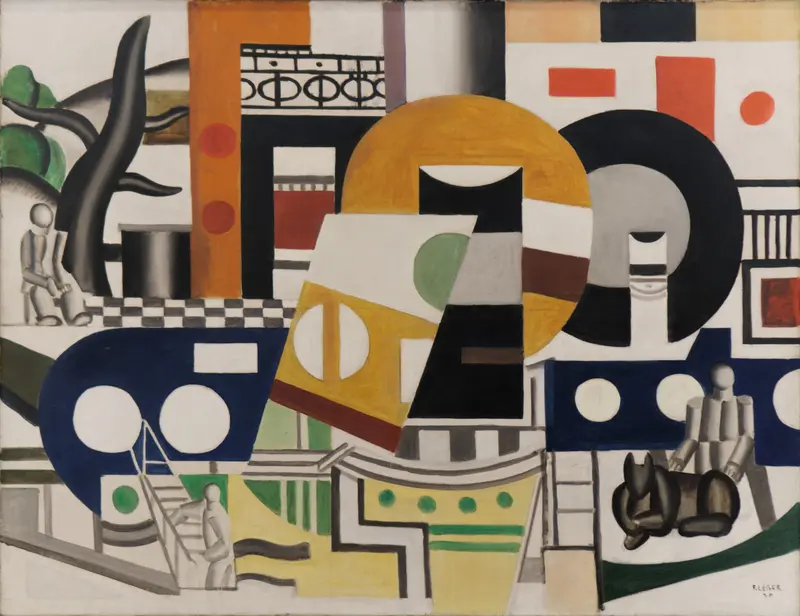
The Tug
Fernand Léger



