
Un cheval attelé à un chariot — History & Facts
When Théodore Géricault exhibited Un cheval attelé à un chariot in 1821, it was immediately recognized as part of his intense fascination with horses—a subject that had already brought him fame with The Raft of the Medusa. Unlike the grand historical scenes that dominated the Parisian salons, here Géricault turned his attention to the everyday power and vulnerability of a single working animal. This painting is one of several studies he made during his English period, a time when he was captivated by the sight of draft horses in the bustling streets of London.
The immediacy and empathy in his treatment of the horse marked a sharp departure from the more formal equestrian portraits of his contemporaries. The moment Géricault chose to capture is one of tension and quiet endurance. The horse, harnessed to a heavy cart, stands in profile, its muscles taut and head slightly lowered, as if bracing itself for the next command or load. The careful rendering of the harness and the play of light on the animal’s coat highlight both the dignity and the strain of its labor.
Unlike the heroic steeds of George Stubbs, whose horses often appear idealized and at ease, Géricault’s animal is grounded in reality—its weariness and strength equally on display. The sparse background focuses all attention on the horse, transforming a common street scene into a meditation on toil and resilience. The precise provenance of Un cheval attelé à un chariot remains somewhat unclear, as is often the case with Géricault’s studies from his English sojourn. It is believed to have been painted during his stay in London between 1820 and 1821, a period when he produced numerous works exploring the lives of horses and their handlers.
This painting stands as a testament to Géricault’s deep empathy for his subjects and his innovative approach to animal painting, which would influence later artists like Edgar Degas. Today, the work is held in a private collection, rarely exhibited, and serves as a quiet but essential piece in understanding Géricault’s legacy as both observer and chronicler of the human—and animal—condition.
More Artworks by Théodore Géricault
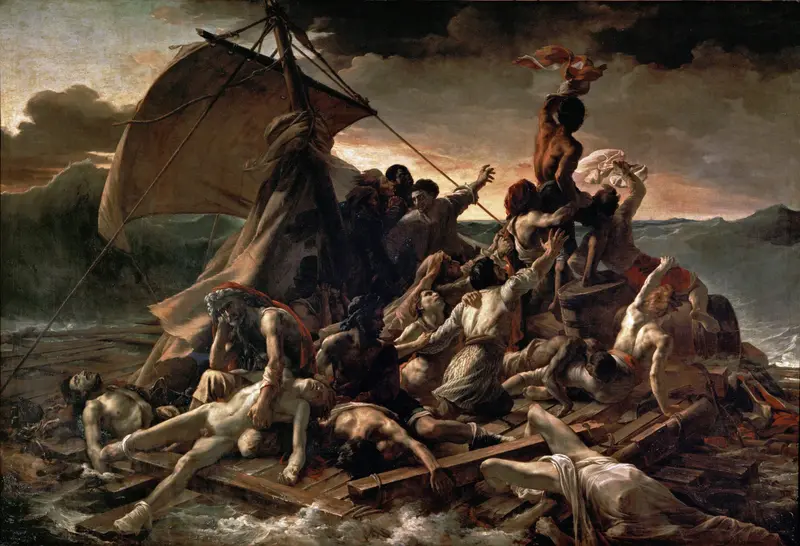
The Raft of the Medusa
Théodore Géricault

Géricault - Le naufrage du radeau de la Méduse, MBA 790
Théodore Géricault
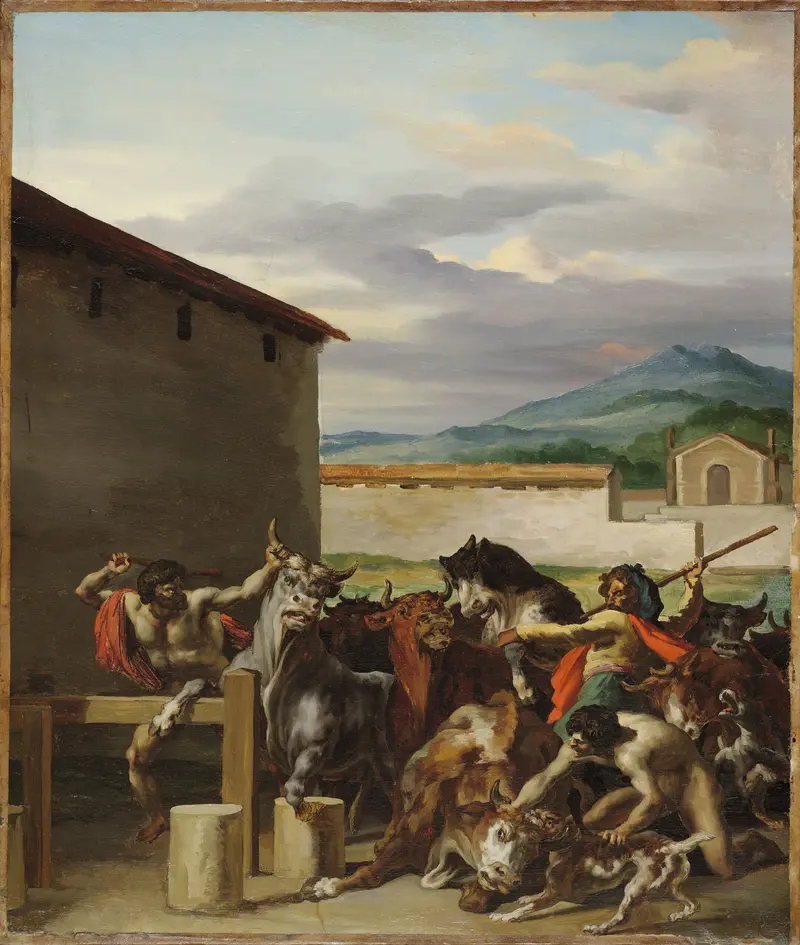
Cattle Market
Théodore Géricault
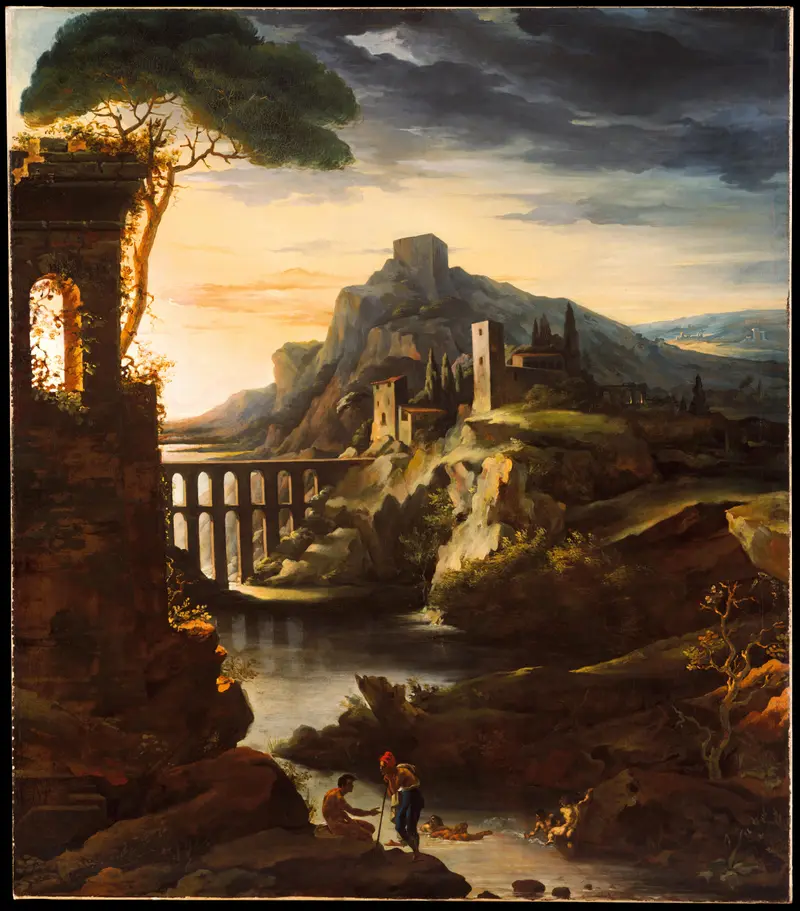
Evening; Landscape with an Aqueduct
Théodore Géricault
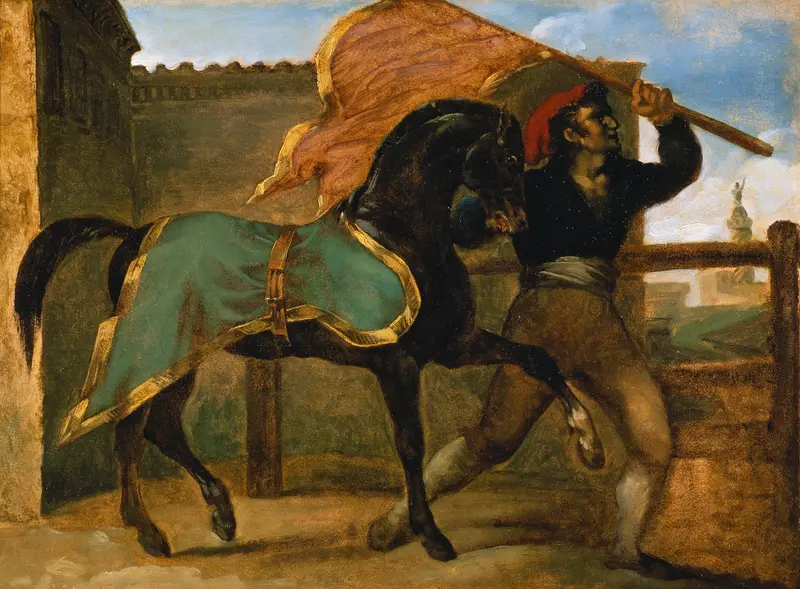
Horse Race
Théodore Géricault

Horses Standing in a Mews
Théodore Géricault
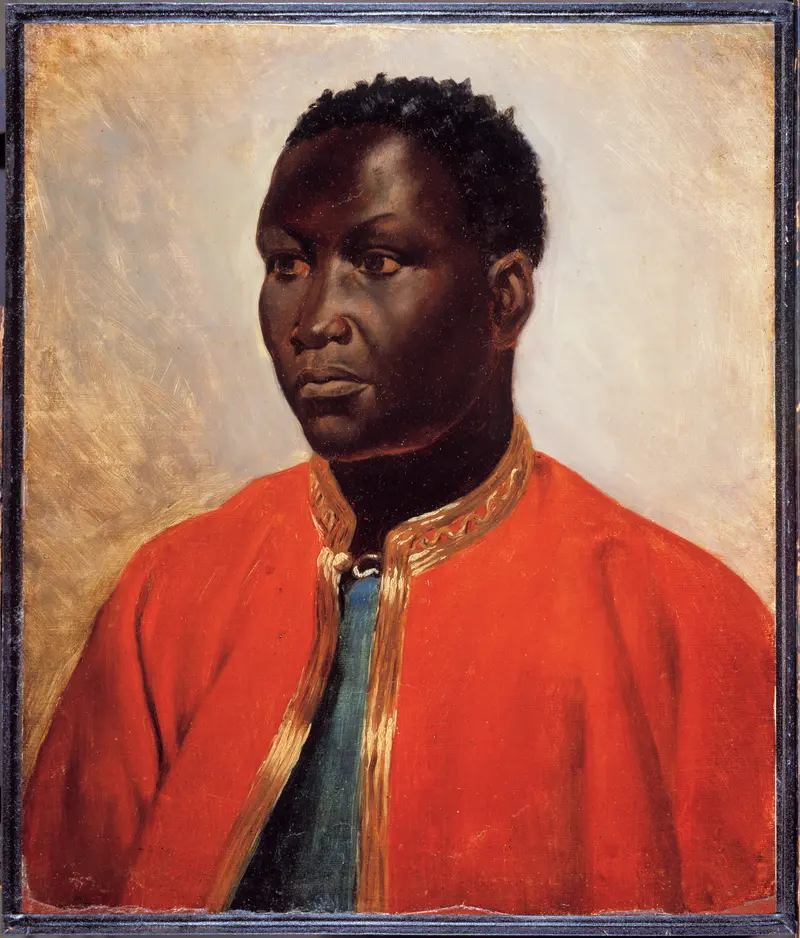
Portrait of a Negro
Théodore Géricault
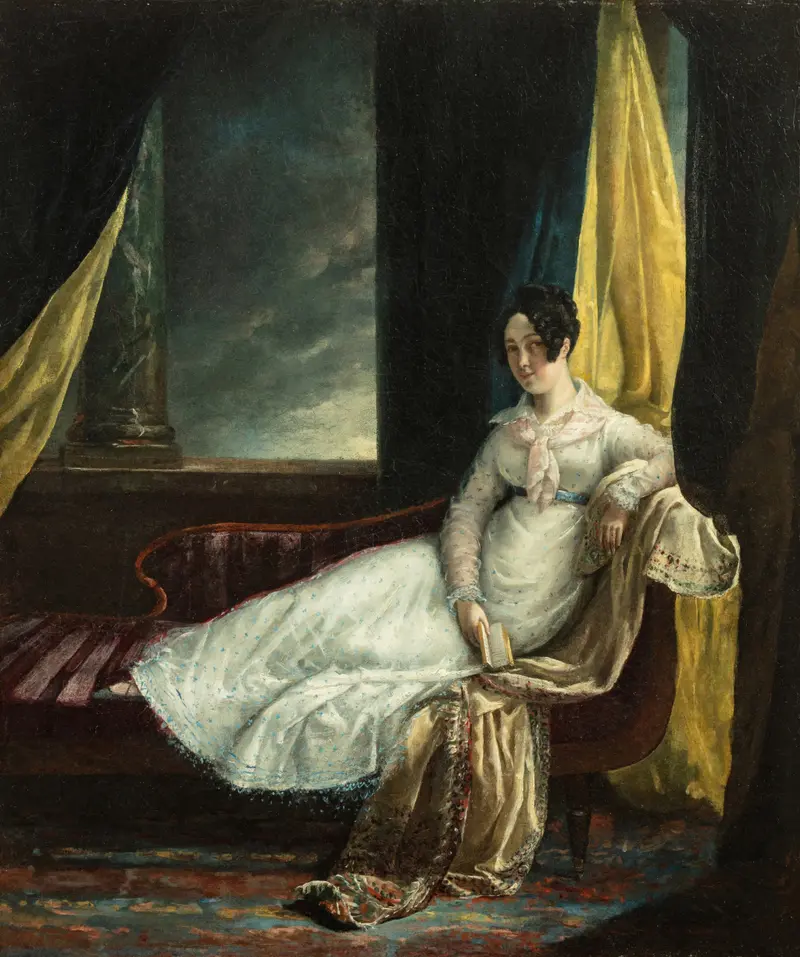
Portrait of Zoë Elmore
Théodore Géricault
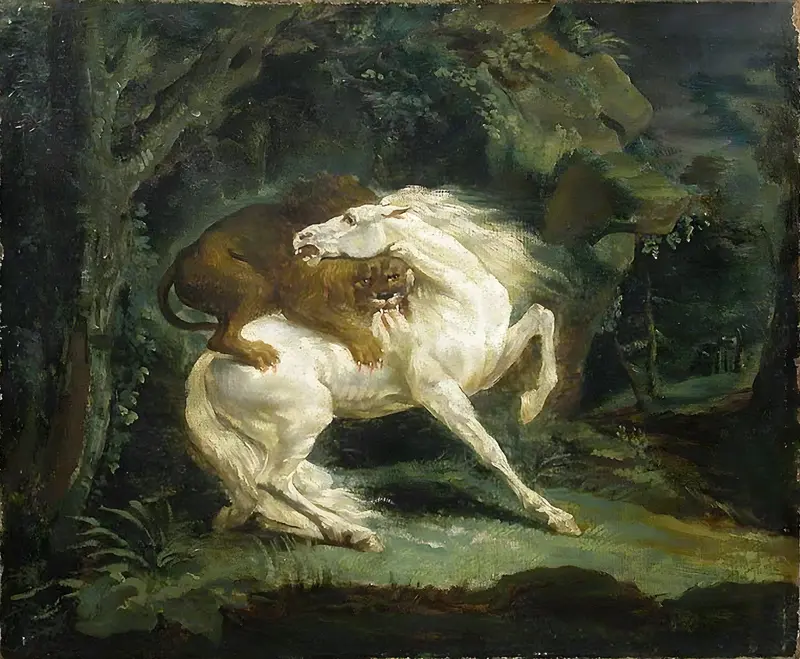
Cheval attaqué par un lion
Théodore Géricault
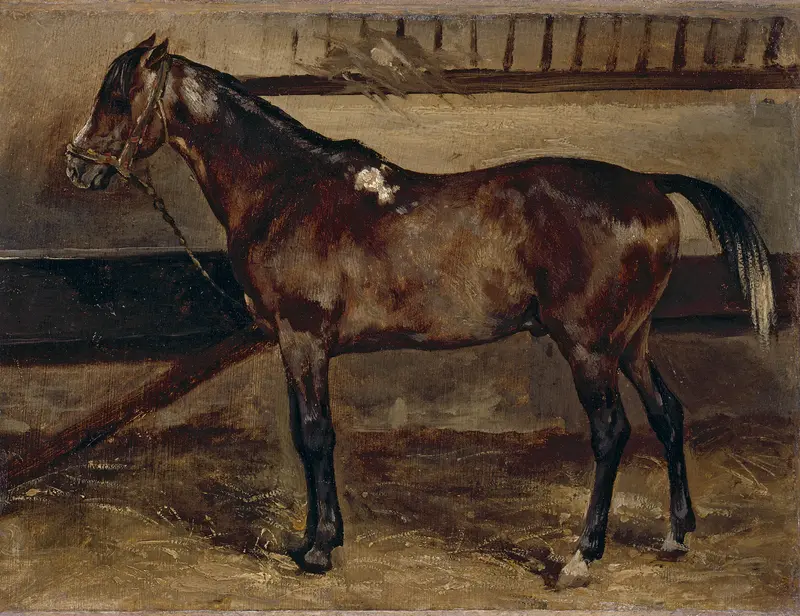
Cheval brun à l'écurie
Théodore Géricault





