
Un Jeune romain — History & Facts
When Un Jeune romain was first exhibited at the Salon of 1849, it marked a turning point for the young Alexandre Cabanel, then just 26 years old. The painting drew attention for its blend of classical subject and contemporary psychological depth, earning Cabanel a second-class medal and setting the stage for his later fame as a leading figure of the Academic movement. Critics noted its unusual focus: instead of grand action or mythic spectacle, Cabanel offered an intimate, almost private moment, prompting the art journal L’Artiste to remark on the "melancholy gravity" of the youth portrayed. The canvas captures a solitary Roman youth, seated against a backdrop of marble and shadow, lost in contemplation.
His downcast eyes and loosely clasped hands suggest a moment of introspection or mourning, rather than triumph or heroism. The white toga drapes softly over his form, signaling his status and purity, while the laurel wreath at his side—unworn—hints at honors deferred or rejected. Cabanel’s careful handling of light, which falls gently across the youth’s face and hands, draws the viewer into his emotional world, a technique reminiscent of Ingres’s portraits, though here the effect is more tender than formal.
Unlike the more theatrical Roman scenes by Jean-Léon Gérôme, Cabanel’s approach is quiet, focusing on the inner life of his subject. The precise early history of Un Jeune romain remains uncertain, as records of its first ownership have not survived. However, its exhibition at the 1849 Salon brought Cabanel to the attention of influential patrons, leading to commissions that would define his later career, including the celebrated The Birth of Venus (1863). Over time, Un Jeune romain has been recognized as a key example of Cabanel’s early style, balancing classical restraint with psychological insight.
Today, the painting is preserved in a private collection, occasionally appearing in exhibitions that trace the evolution of French academic painting in the mid-19th century.
More Artworks by Alexandre Cabanel
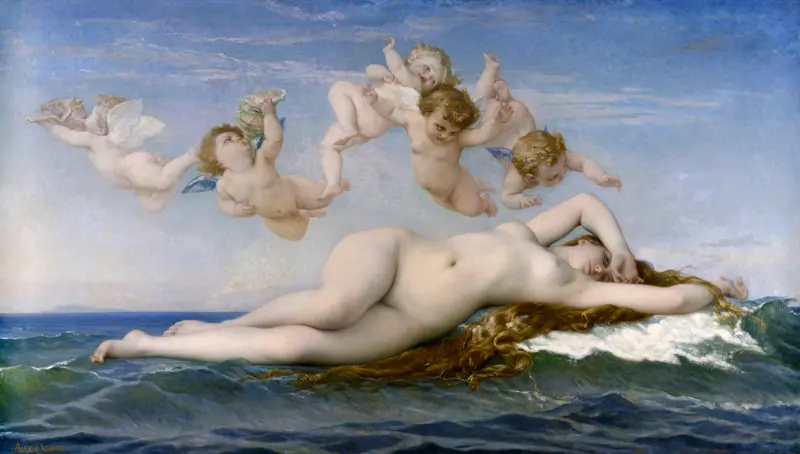
The Birth of Venus
Alexandre Cabanel
Phèdre
Alexandre Cabanel
La veuve du maître de chapelle
Alexandre Cabanel
Portrait de M. Pierre Cabanel
Alexandre Cabanel
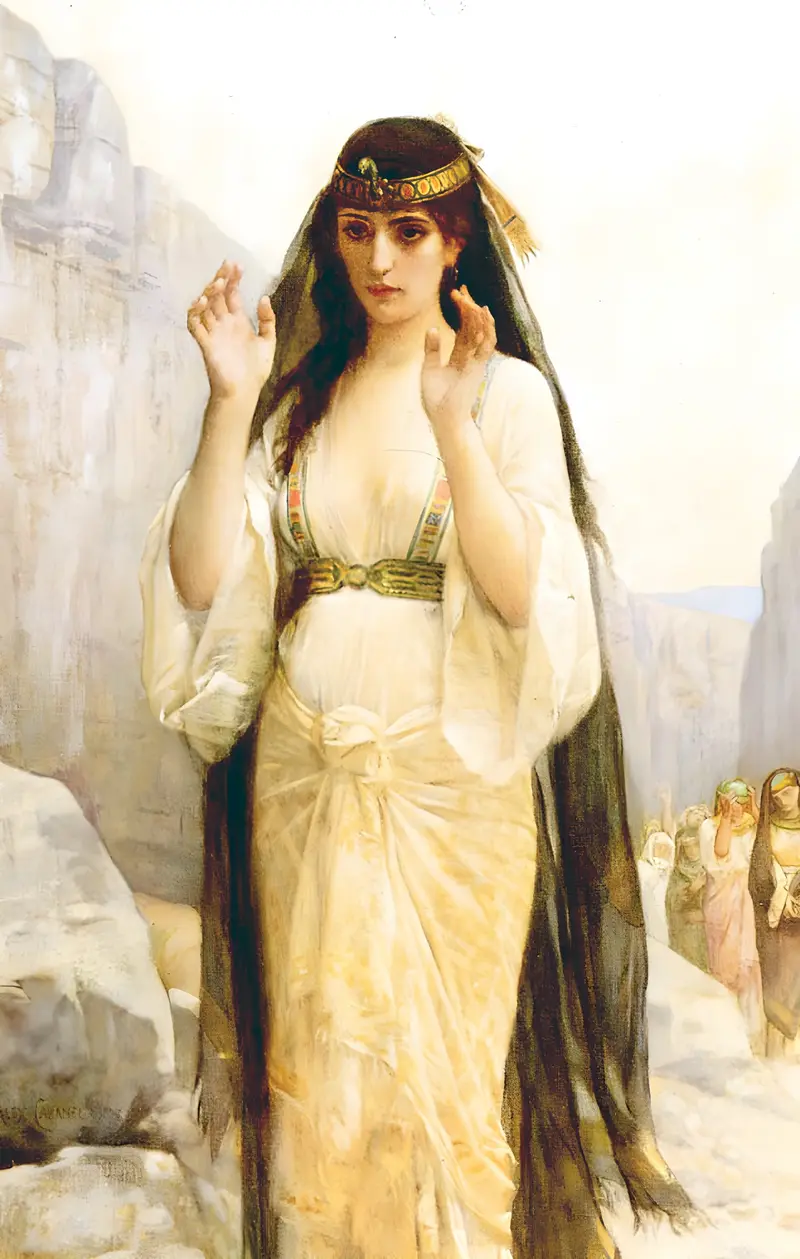
The Daughter of Jephthah
Alexandre Cabanel
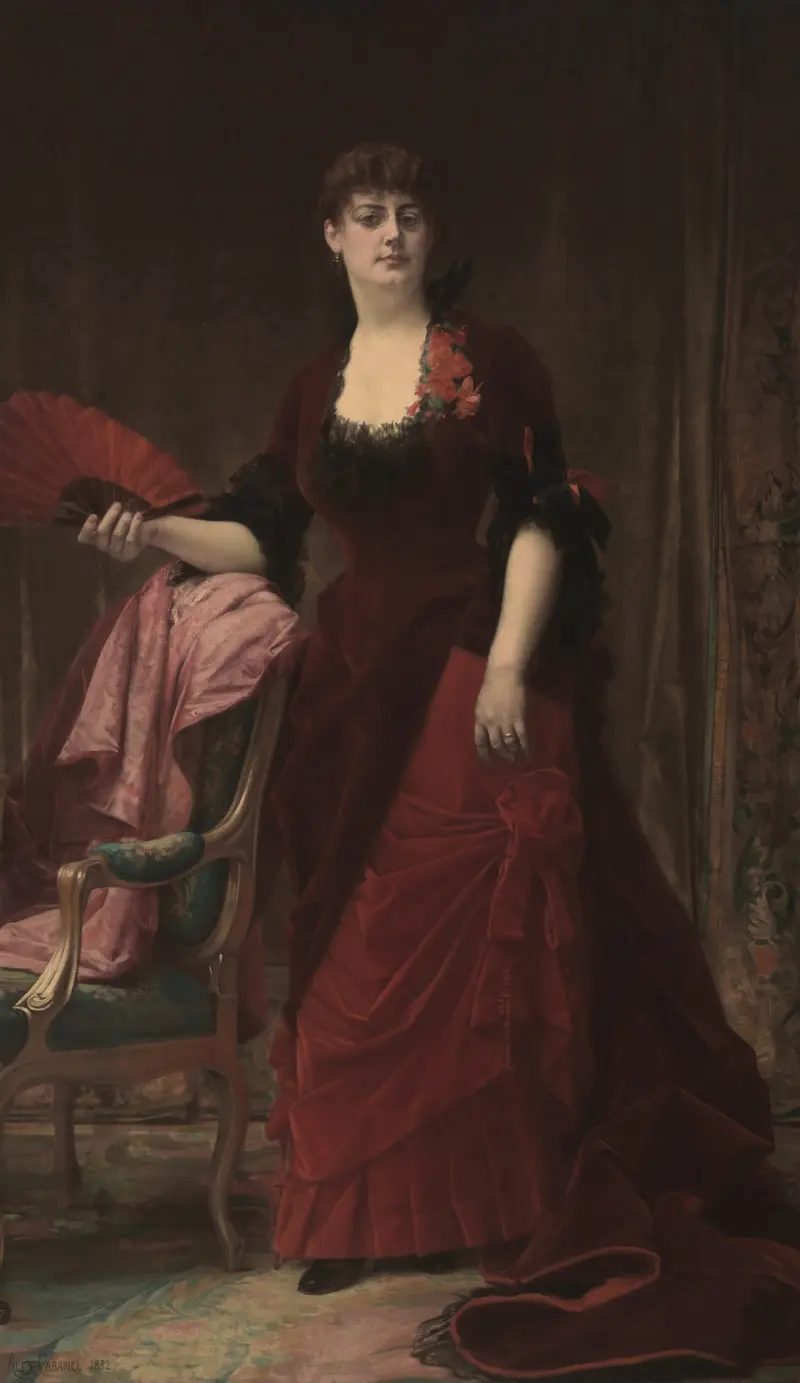
Portrait of Arabella Worsham (later Arabella Huntington)
Alexandre Cabanel
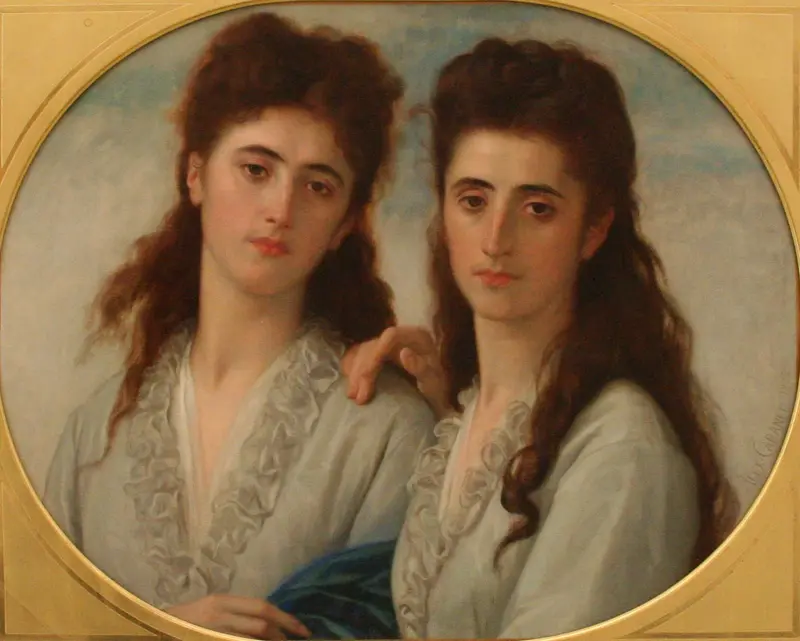
Portrait de mesdemoiselles Sophie et Berthe Cabanel
Alexandre Cabanel
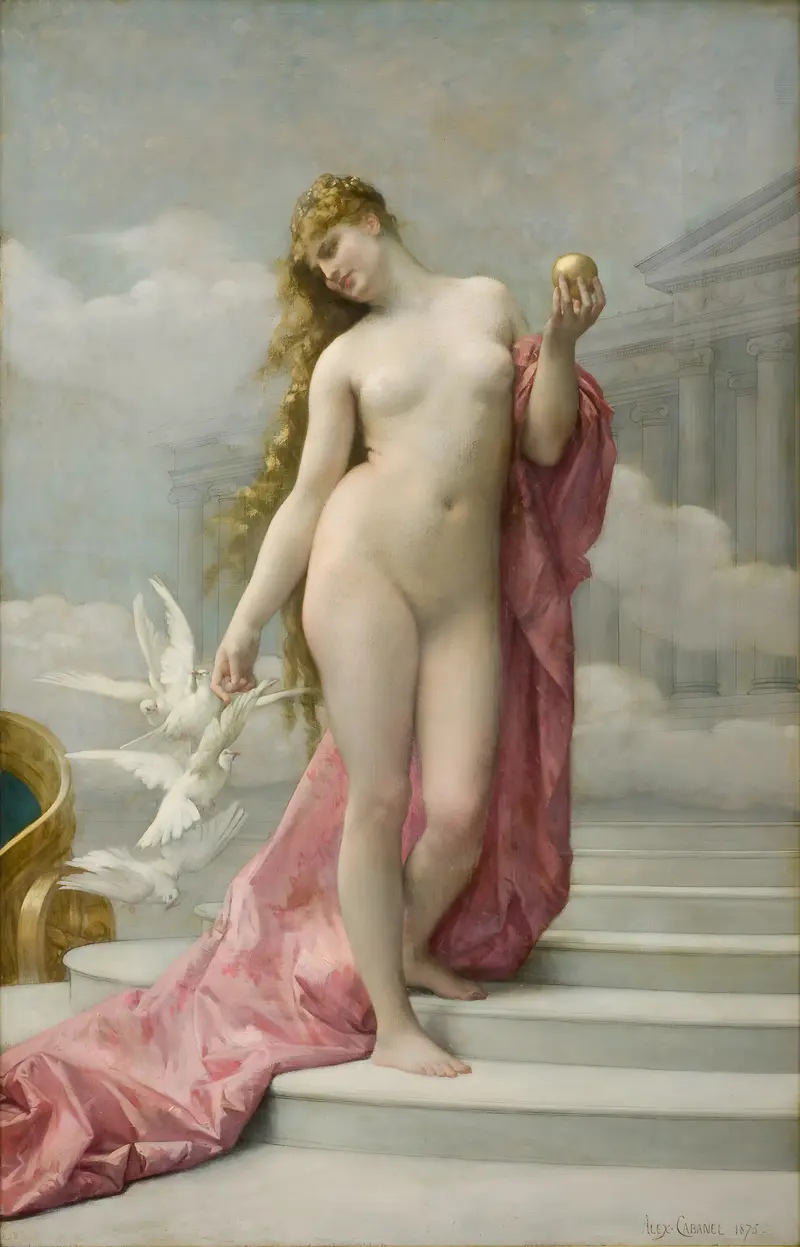
Vénus victorieuse
Alexandre Cabanel
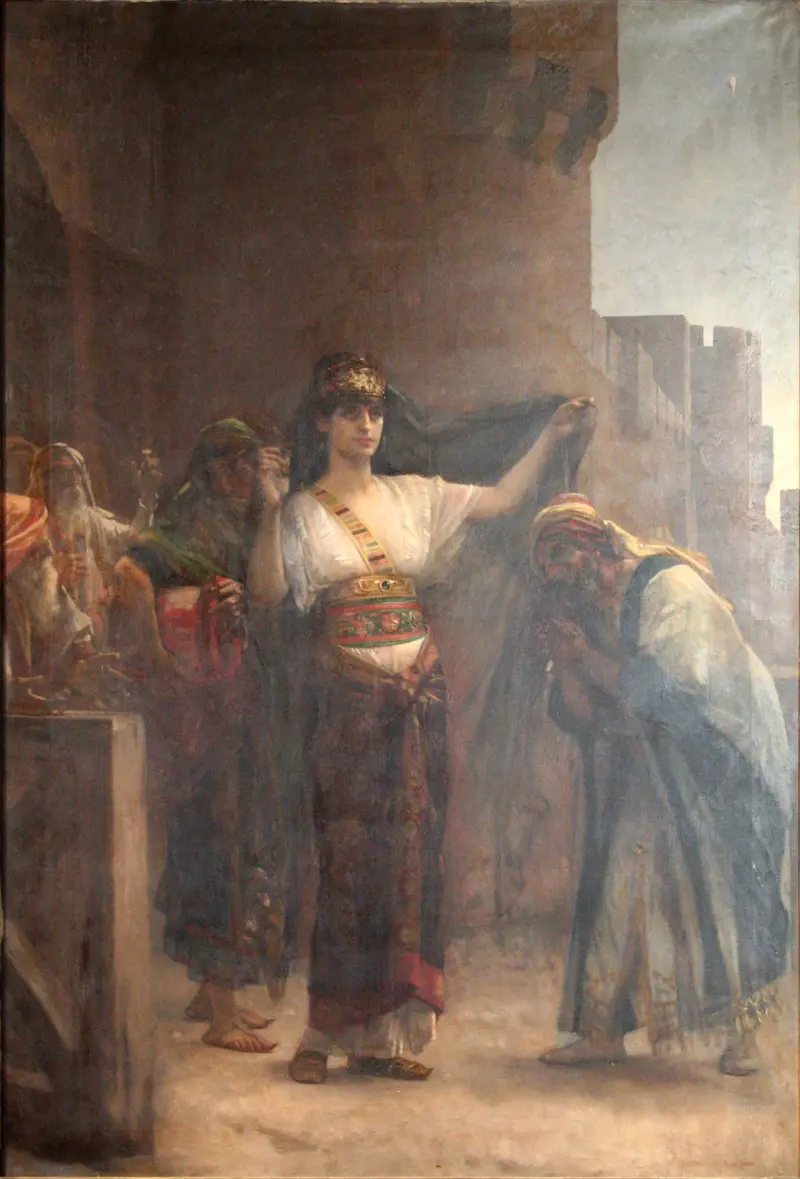
Judith
Alexandre Cabanel
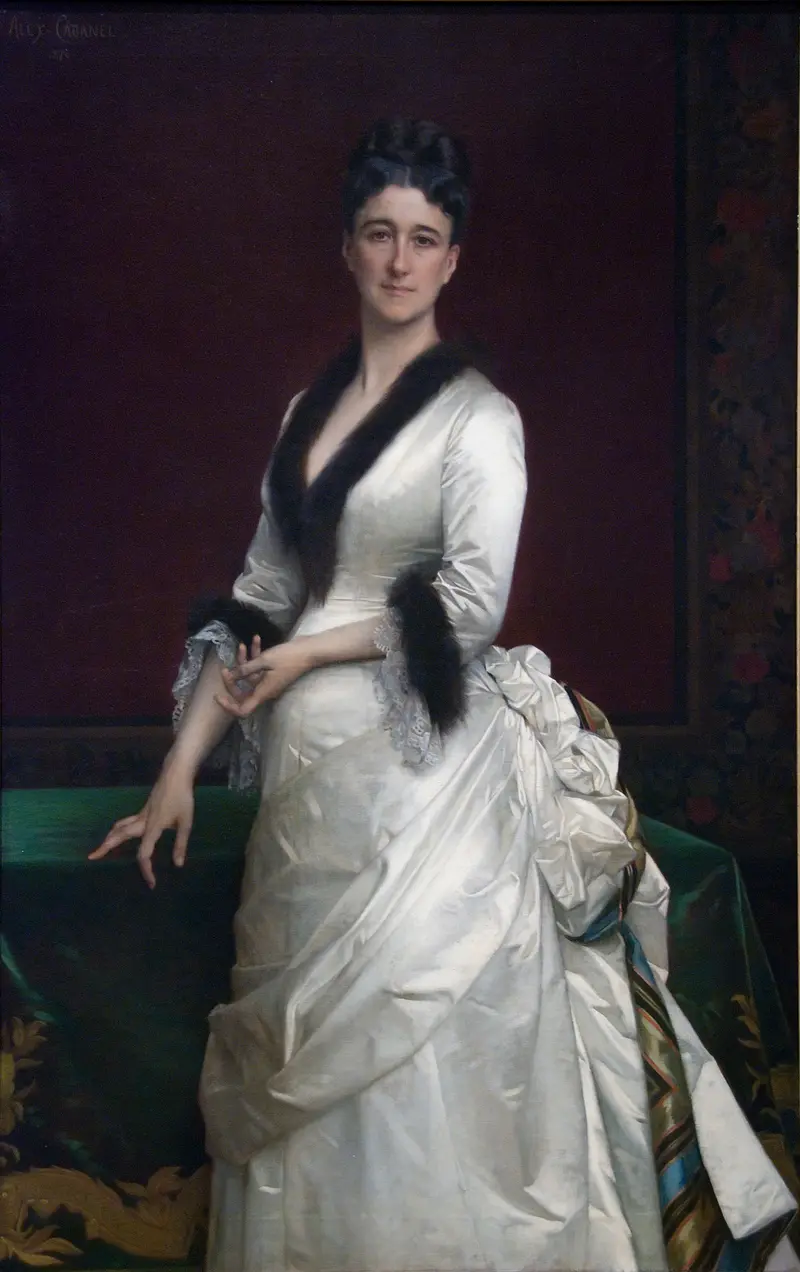
Catharine Lorillard Wolfe (1828–1887)
Alexandre Cabanel





