Discover insights about this artwork
Végétaux — History & Facts
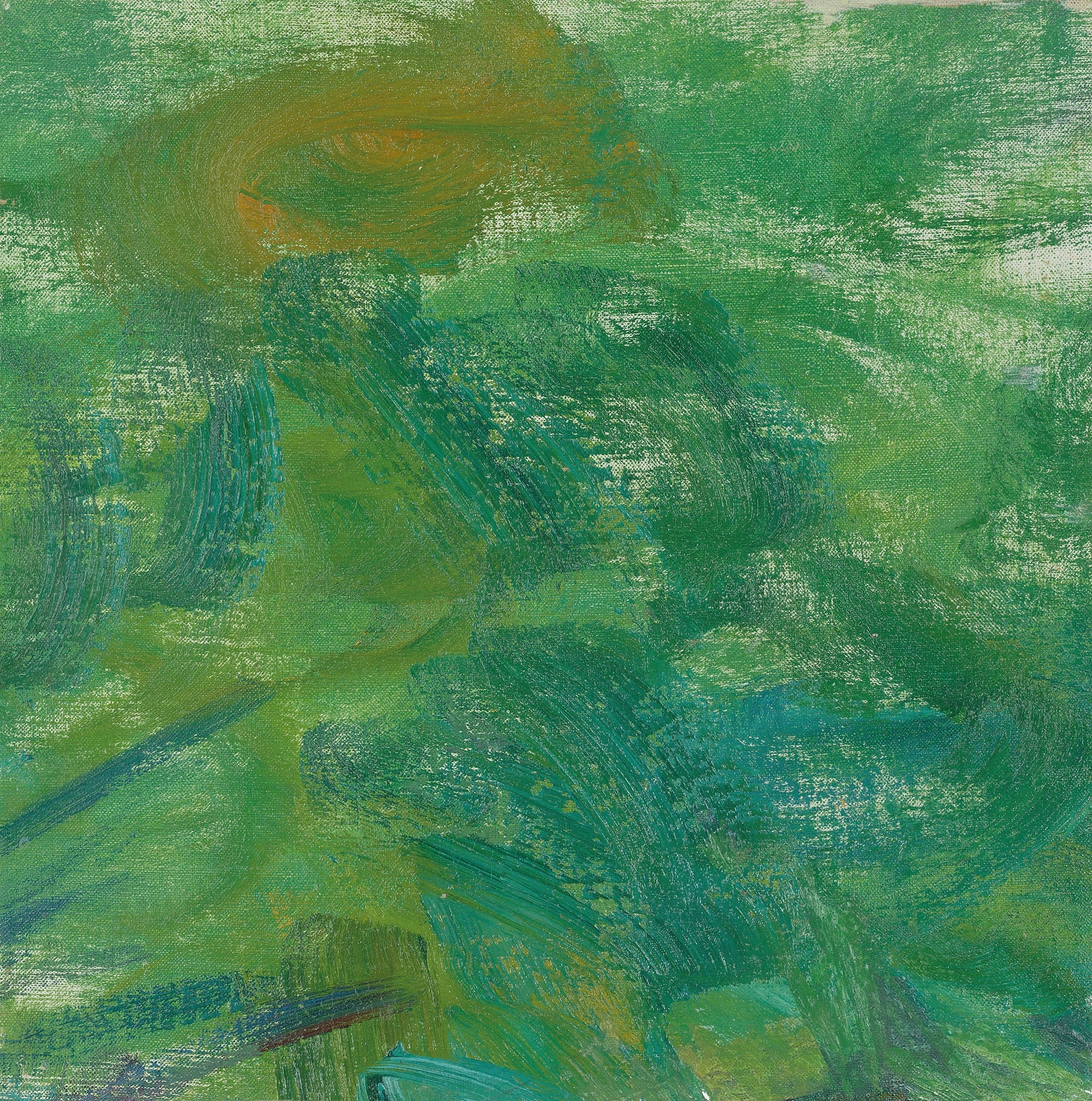
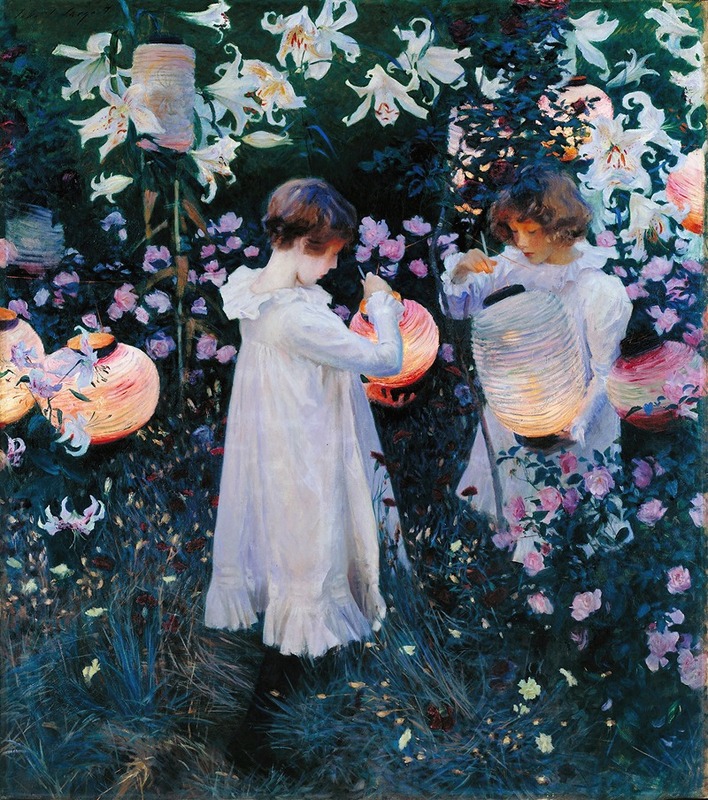
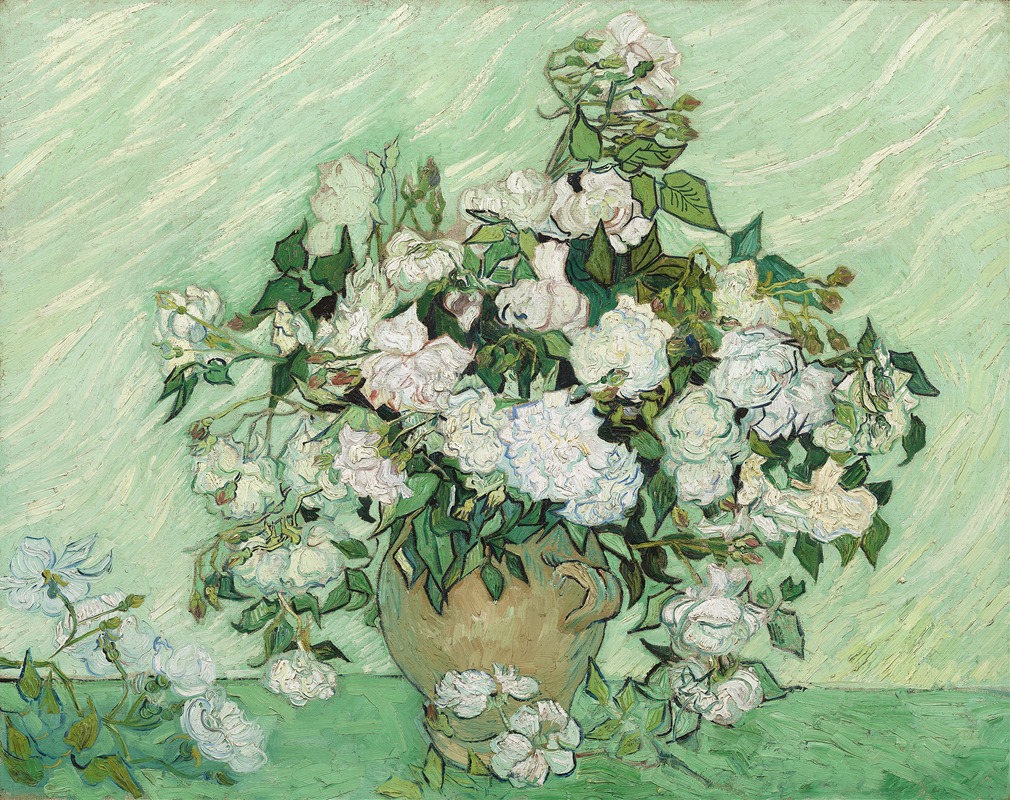
In Végétaux, Henri Matisse employs a vibrant palette dominated by greens, yellows, and blues. The painting features abstract representations of plants, with swirling forms that suggest movement and life. The composition is lively, filled with overlapping shapes that create a sense of depth.
The overall effect is both energetic and harmonious, inviting viewers into a world of color and form. The painting is executed in oil on canvas, showcasing Matisse's characteristic brushwork and use of color. The dimensions are approximately 100 x 80 cm, making it a substantial piece that commands attention. The layering of colors and the bold outlines of the plant forms are hallmarks of Matisse's style during this period.
Viewers can appreciate the interplay of light and shadow, which adds to the painting's dynamic quality. Henri Matisse was a leading figure in the Modernism movement, known for his innovative use of color and form. Végétaux reflects his fascination with nature and abstraction, a theme prevalent in many of his works. An interesting fact about this piece is that it exemplifies Matisse's transition towards a more simplified and expressive style, paving the way for future developments in modern art.
This painting is housed in the Musée d'Orsay, where it continues to inspire visitors.
More Artworks by Henri Matisse
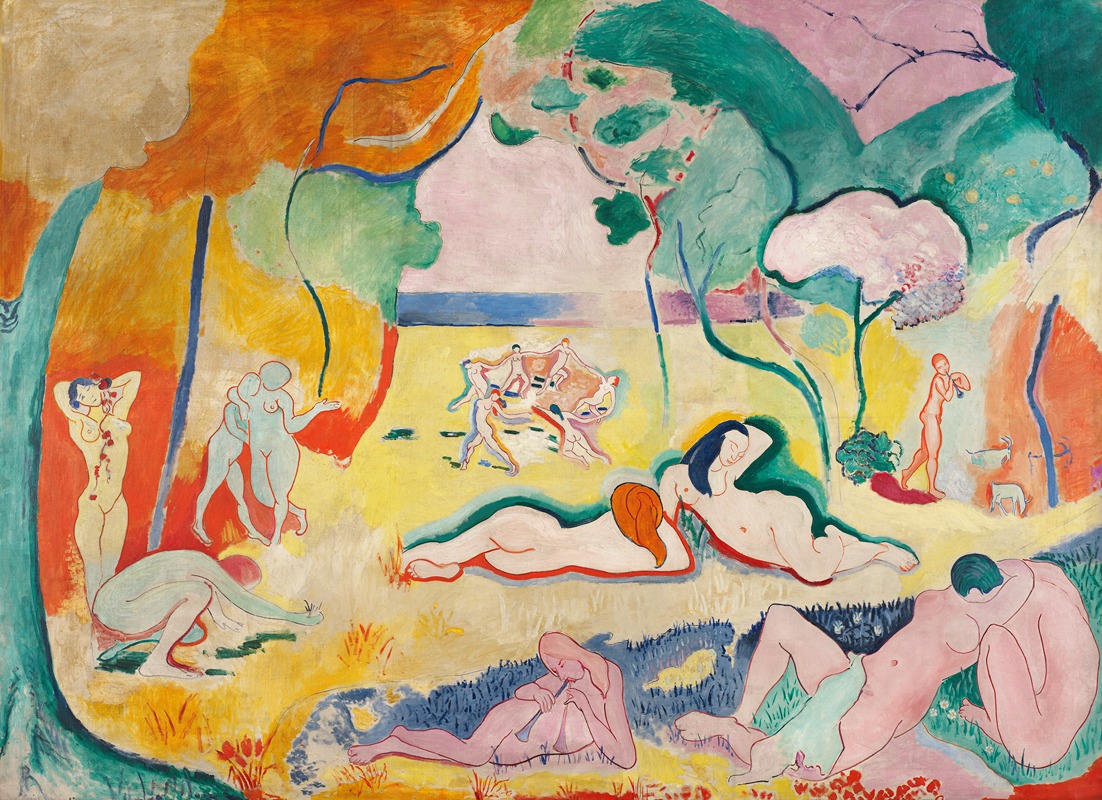
Le Bonheur de vivre, also called The Joy of Life
Henri Matisse
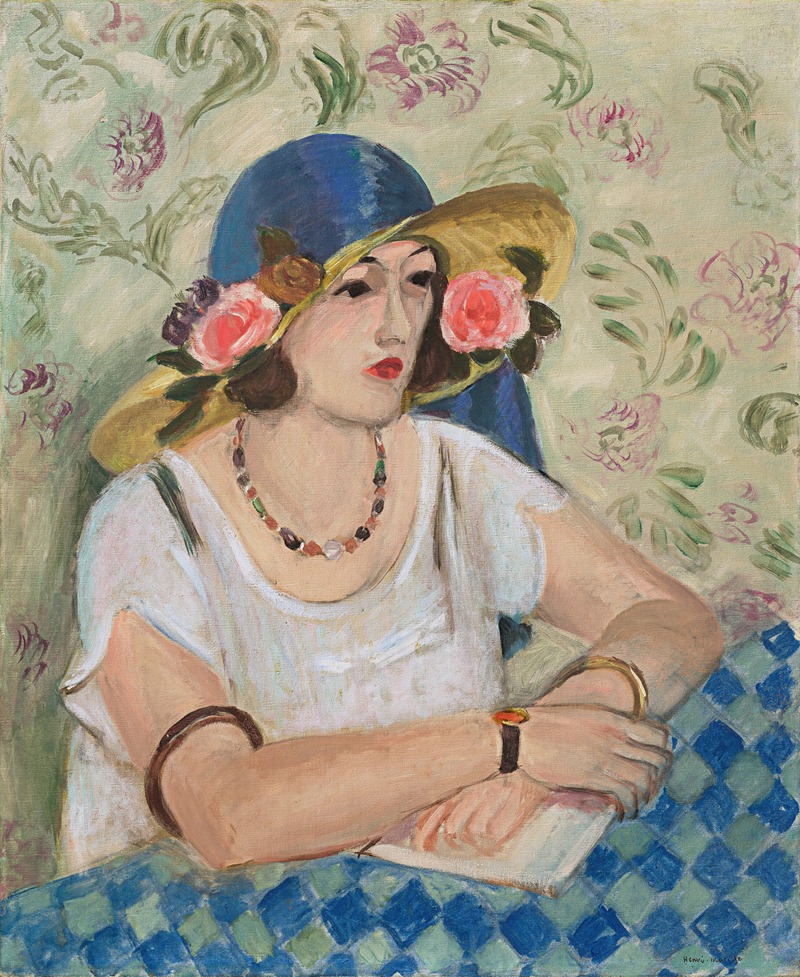
Femme au chapeau fleuri
Henri Matisse
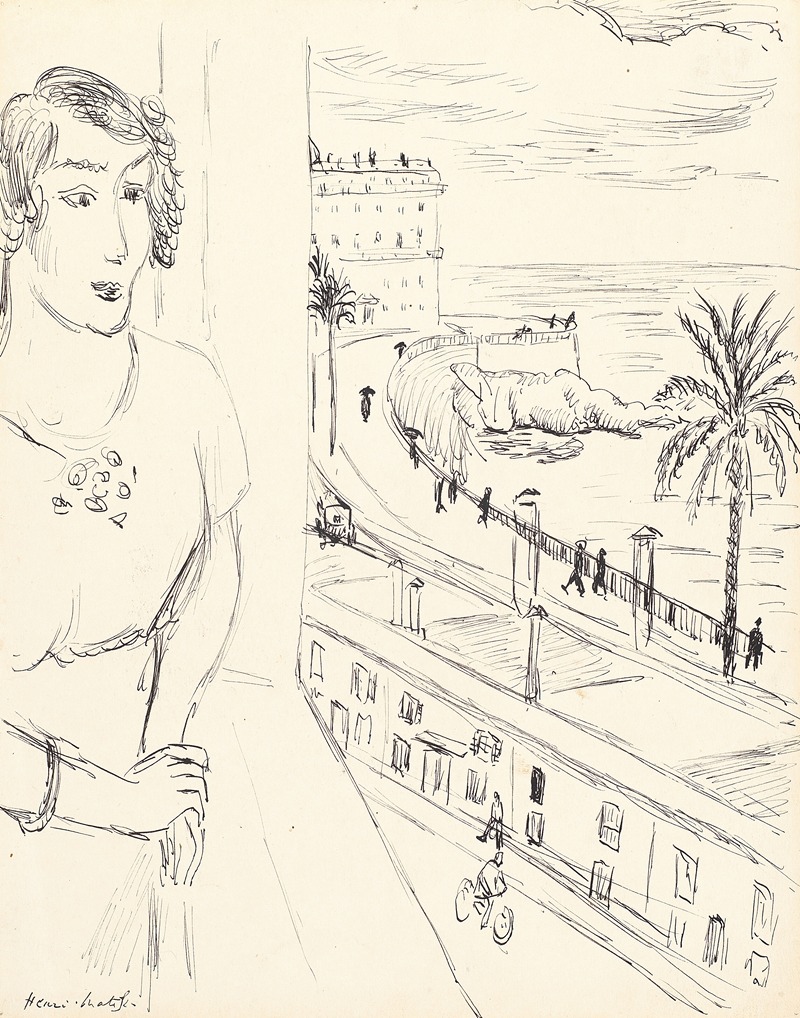
Femme près de la fenêtre, Nice
Henri Matisse
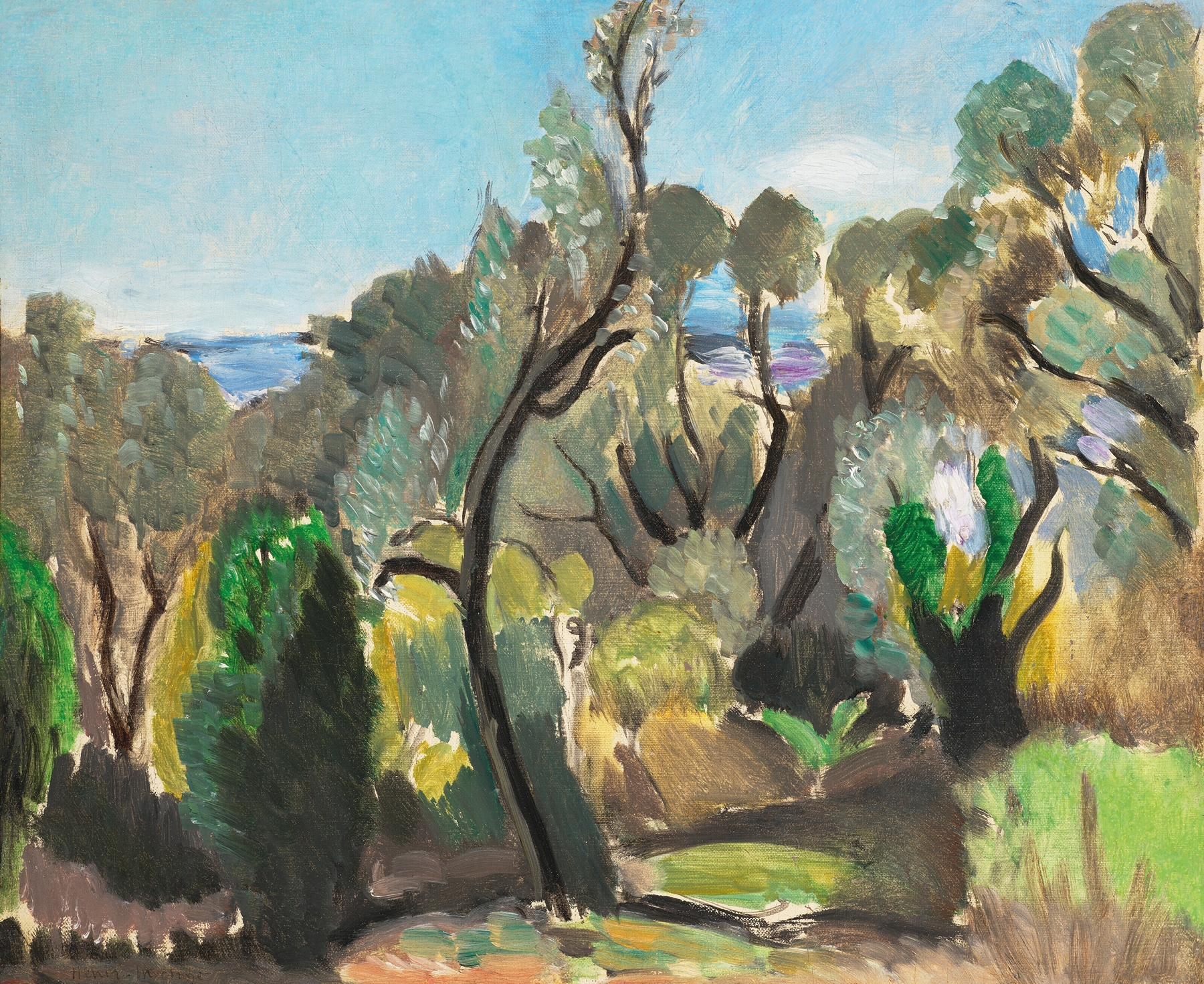
Paysage aux environs de Nice ou Les Oliviers ou Coin du Mont-Boron
Henri Matisse
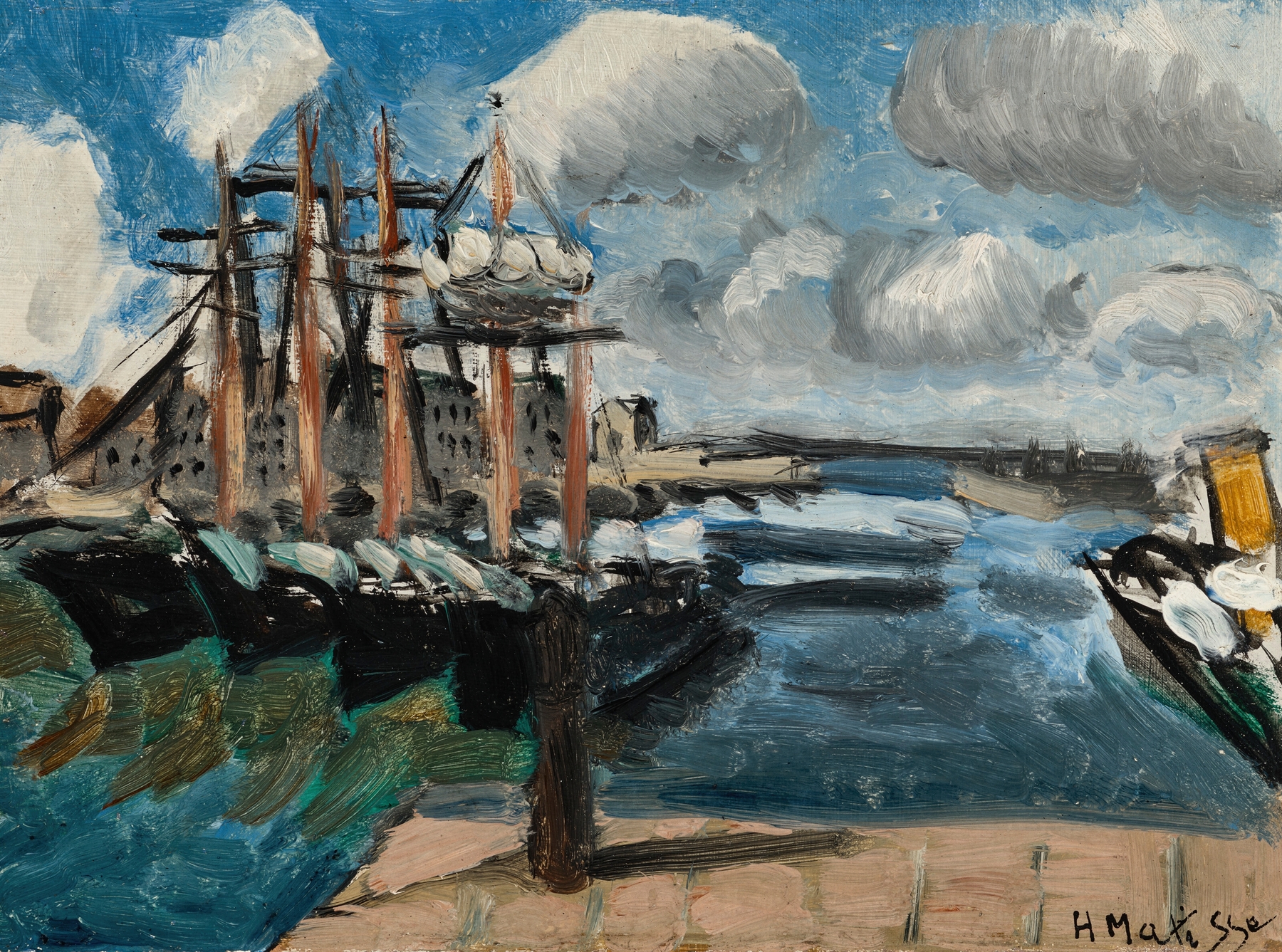
Port de Cherbourg
Henri Matisse
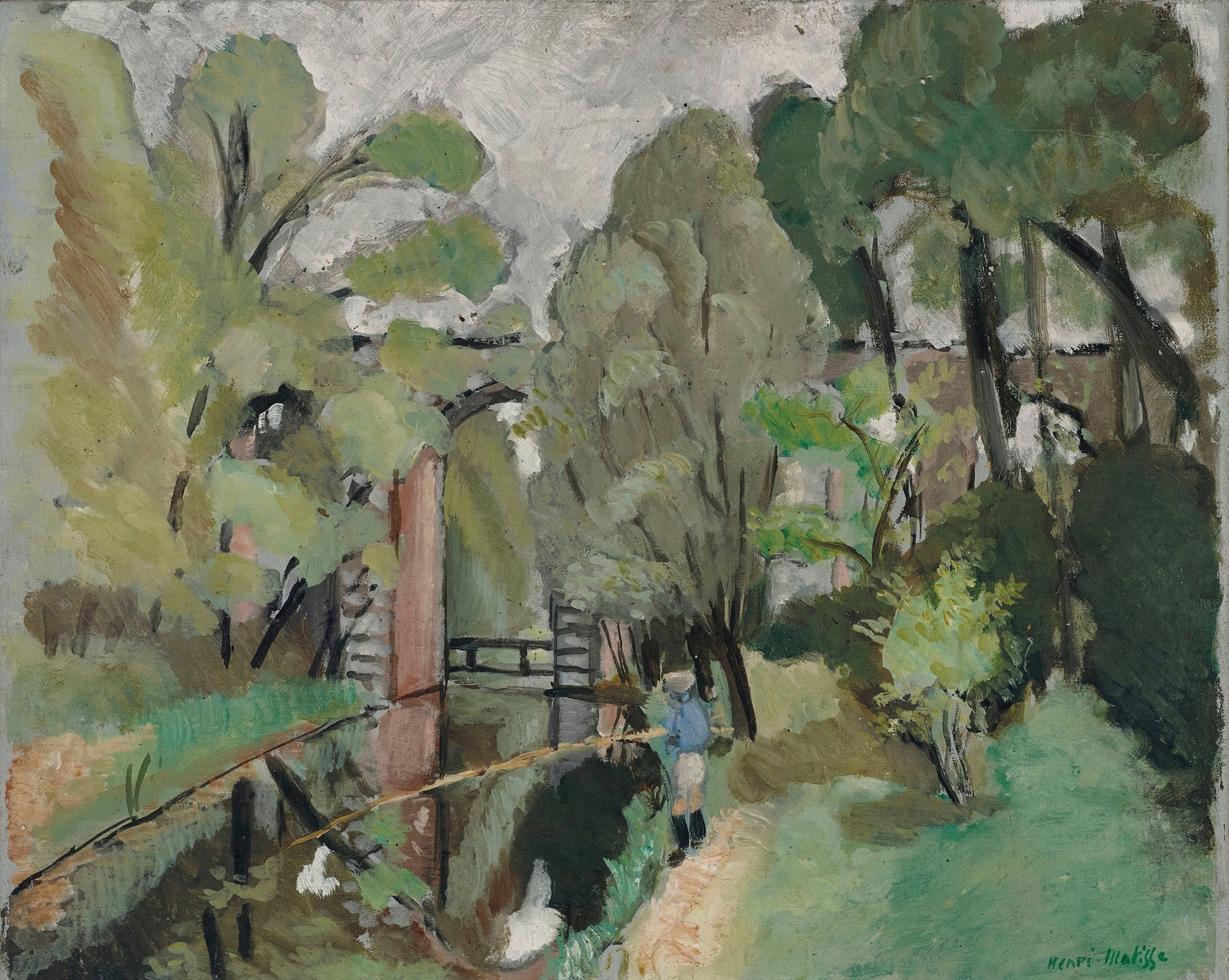
Le Petit pêcheur, Maintenon
Henri Matisse
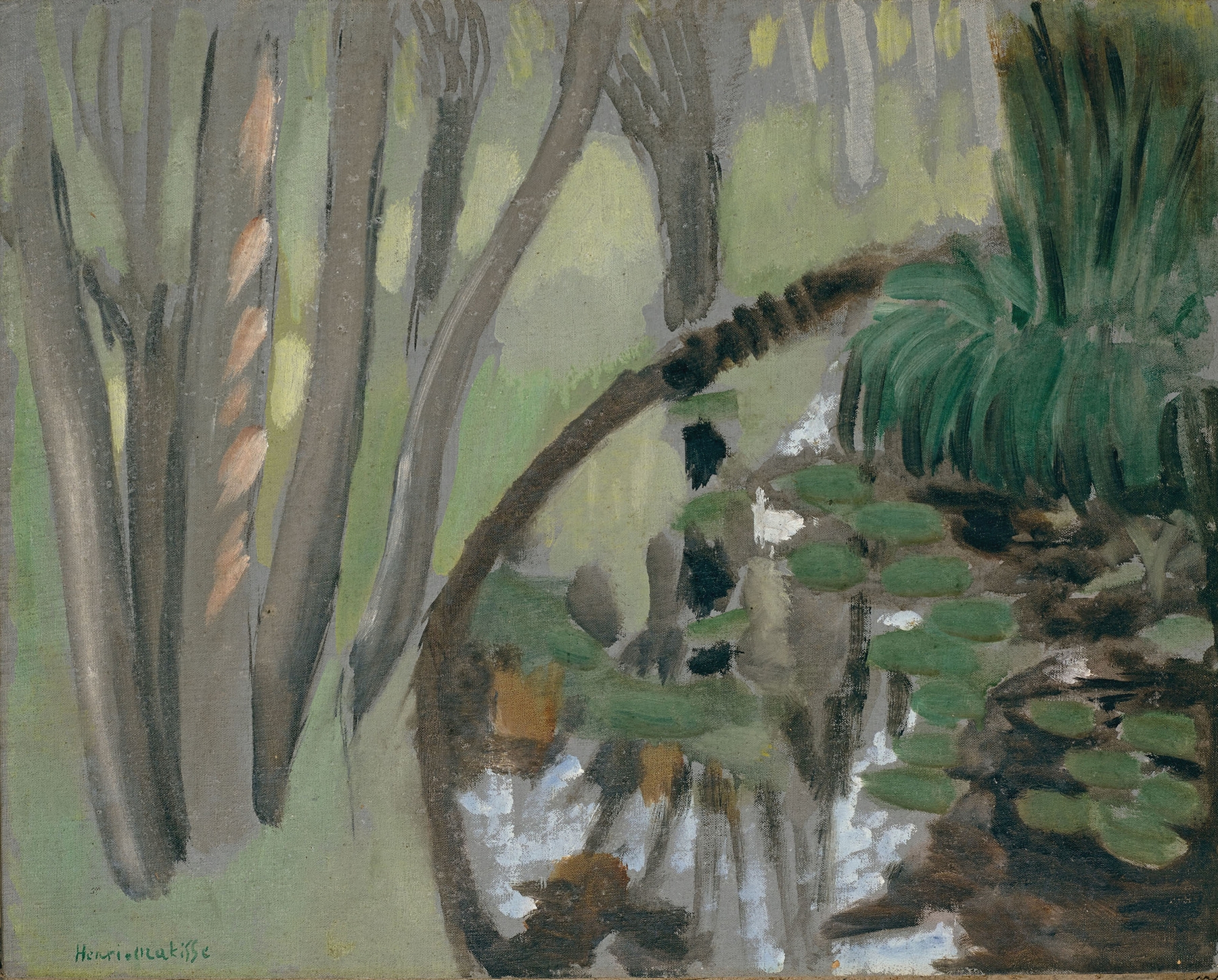
Le ruisseau, Maintenon
Henri Matisse
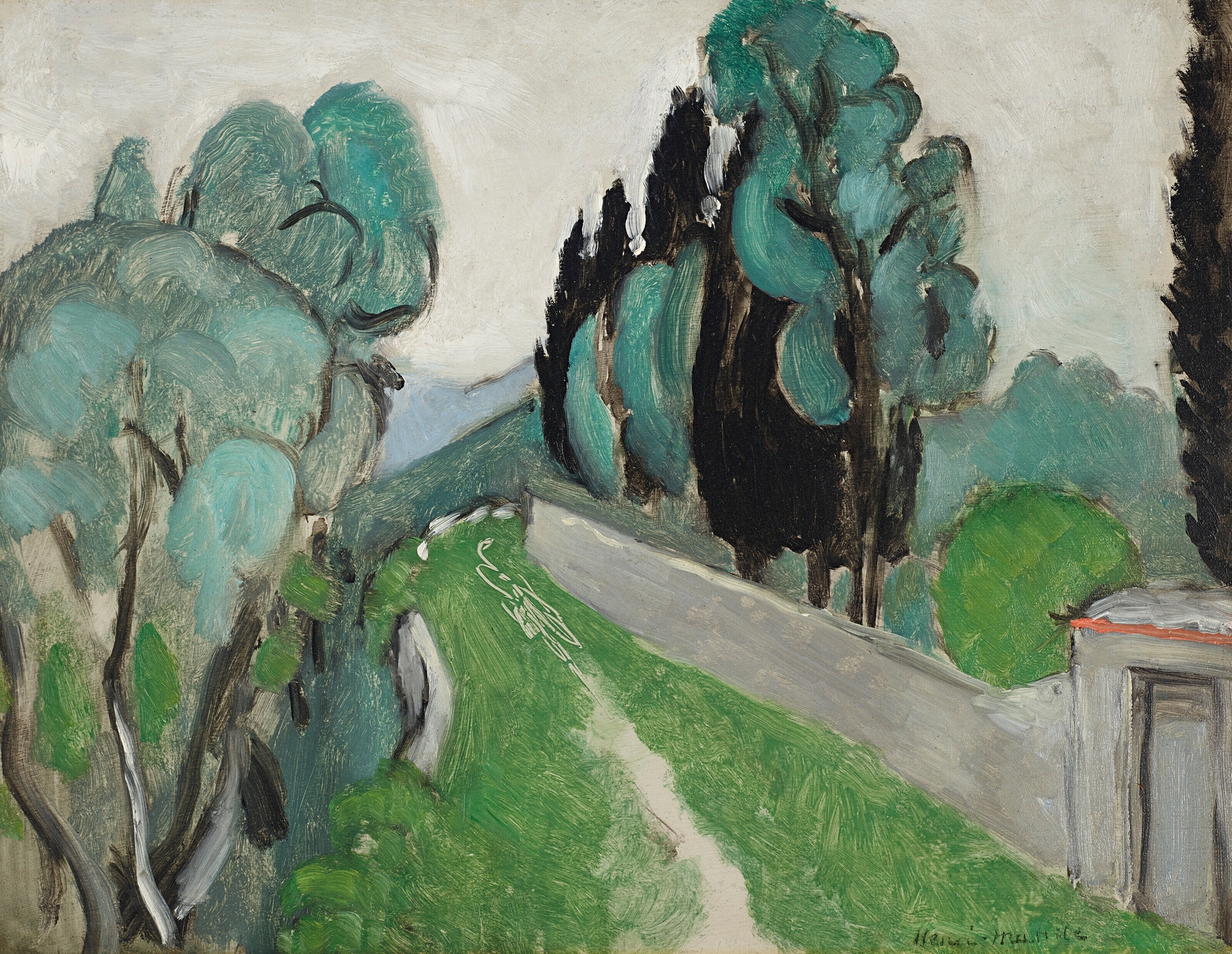
Paysage avec cyprès et oliviers aux environs de Nice
Henri Matisse
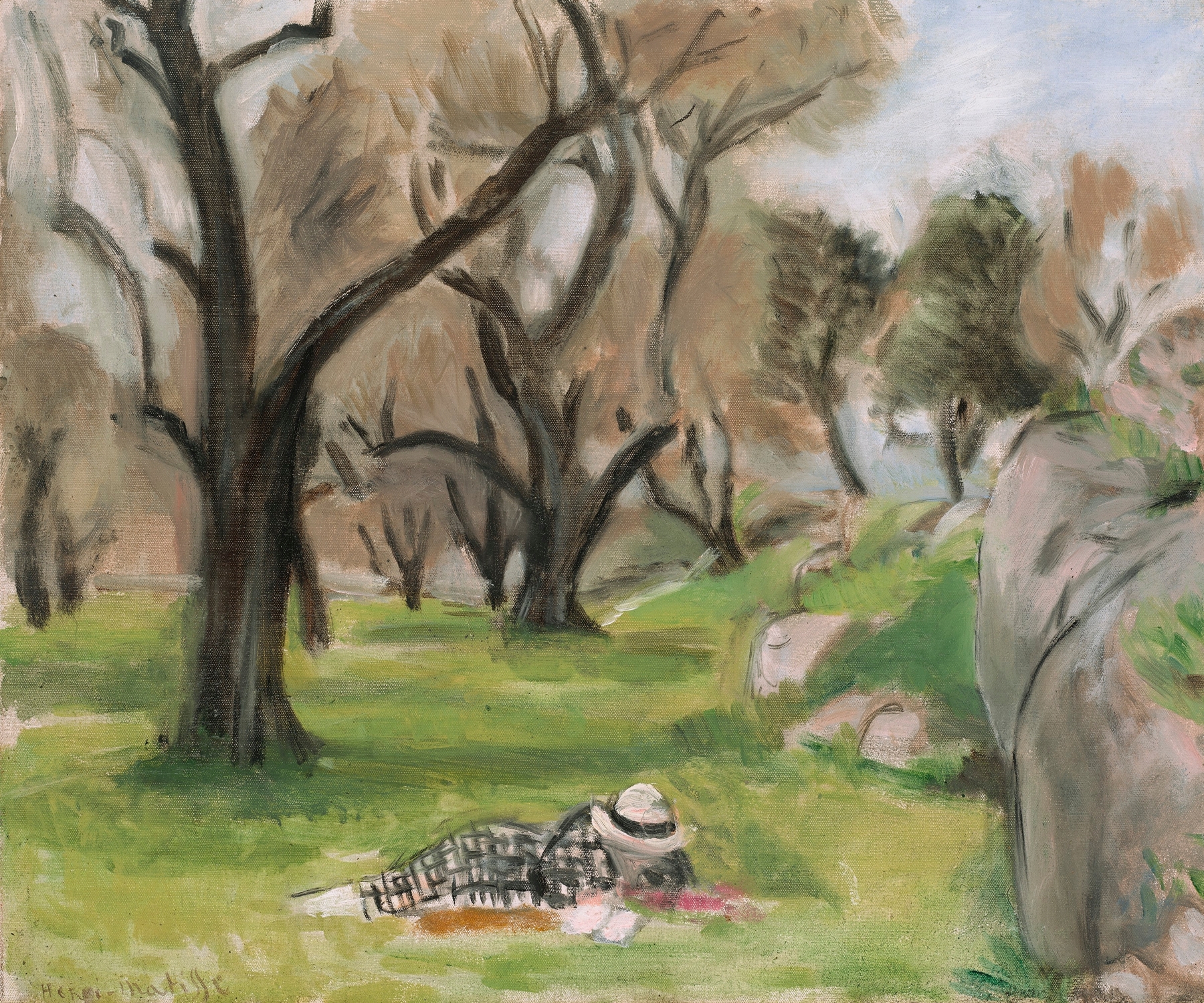
Paysage du Midi
Henri Matisse
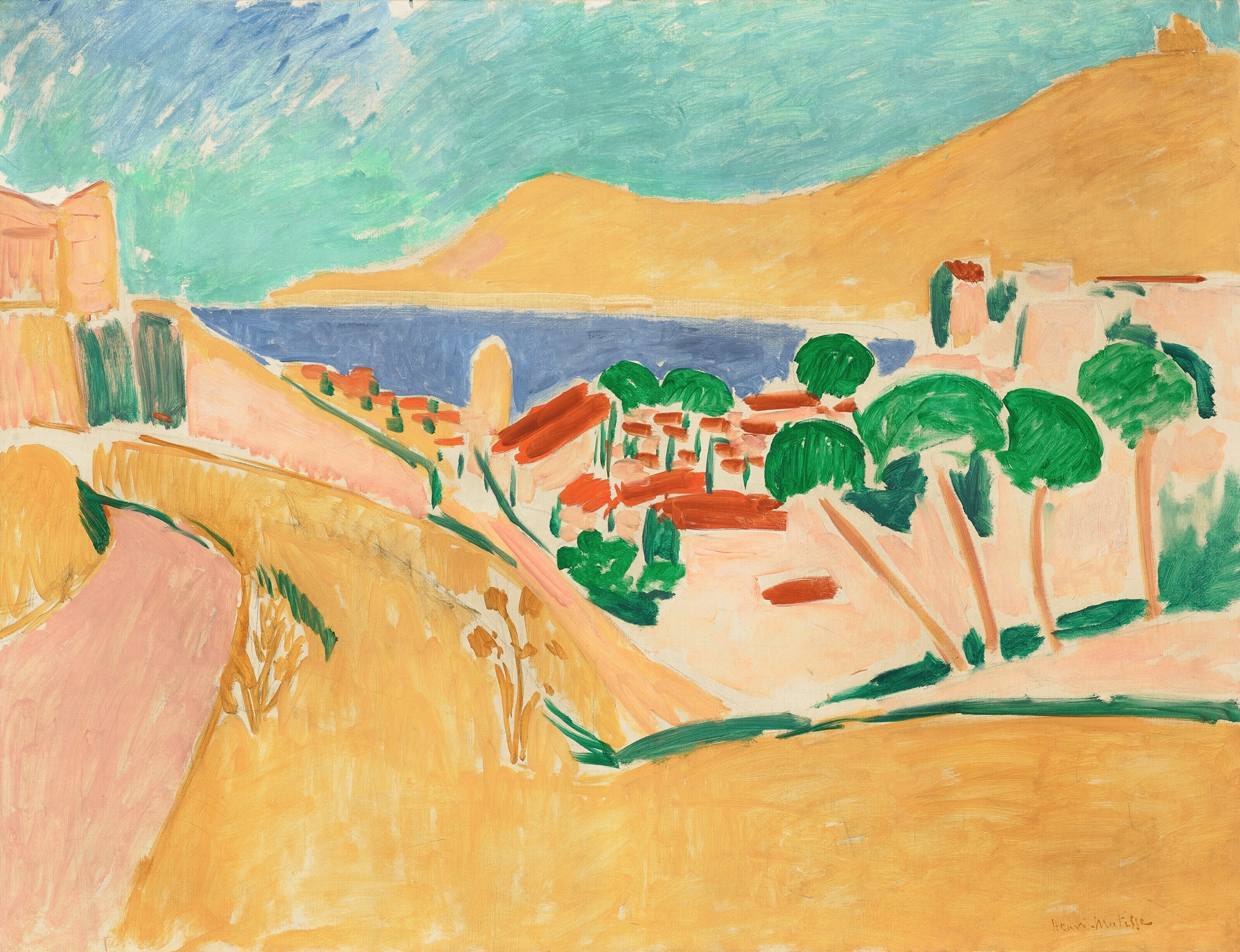
Collioure en août
Henri Matisse