Venetiaanse pantoffelparade — History & Analysis
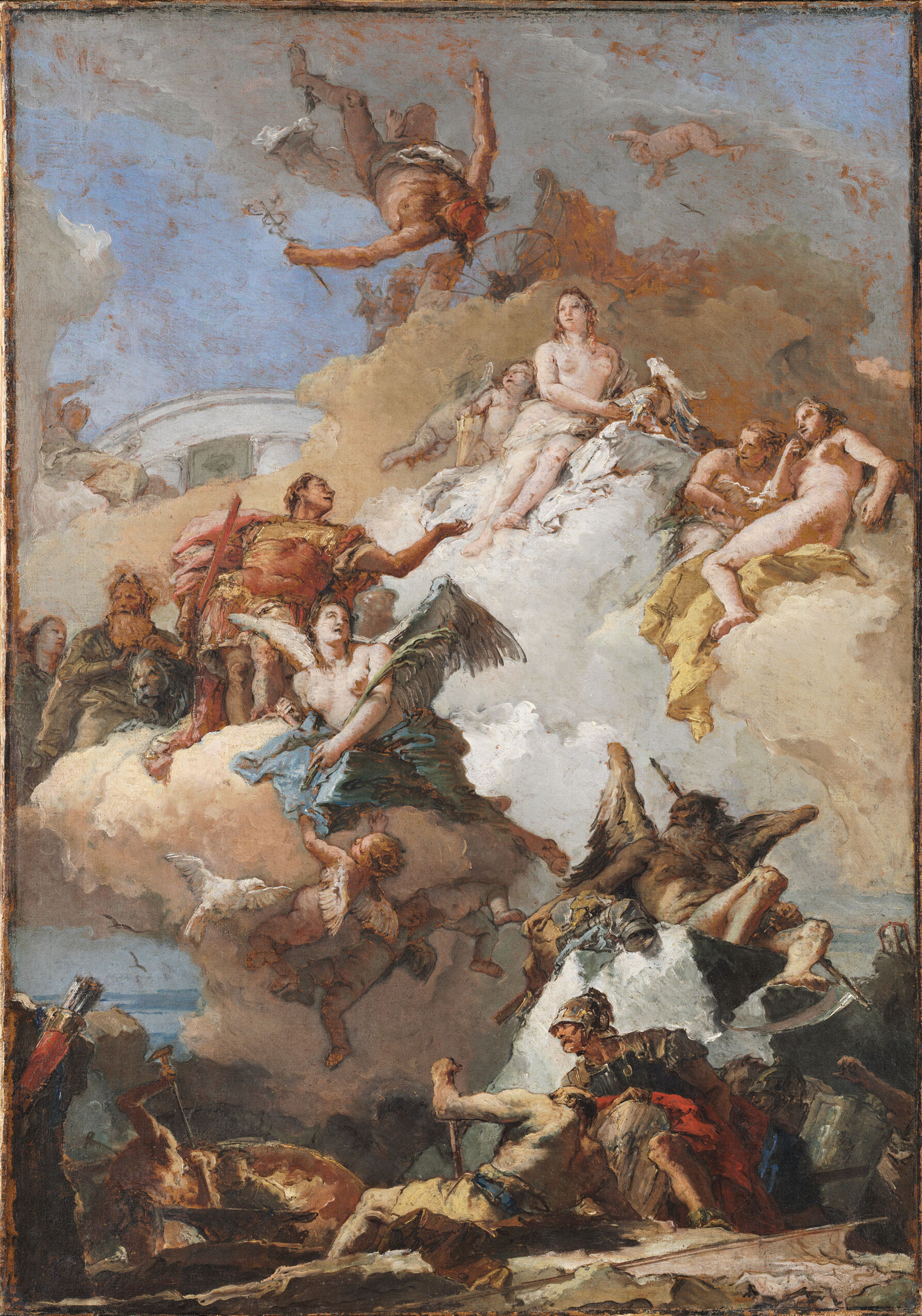
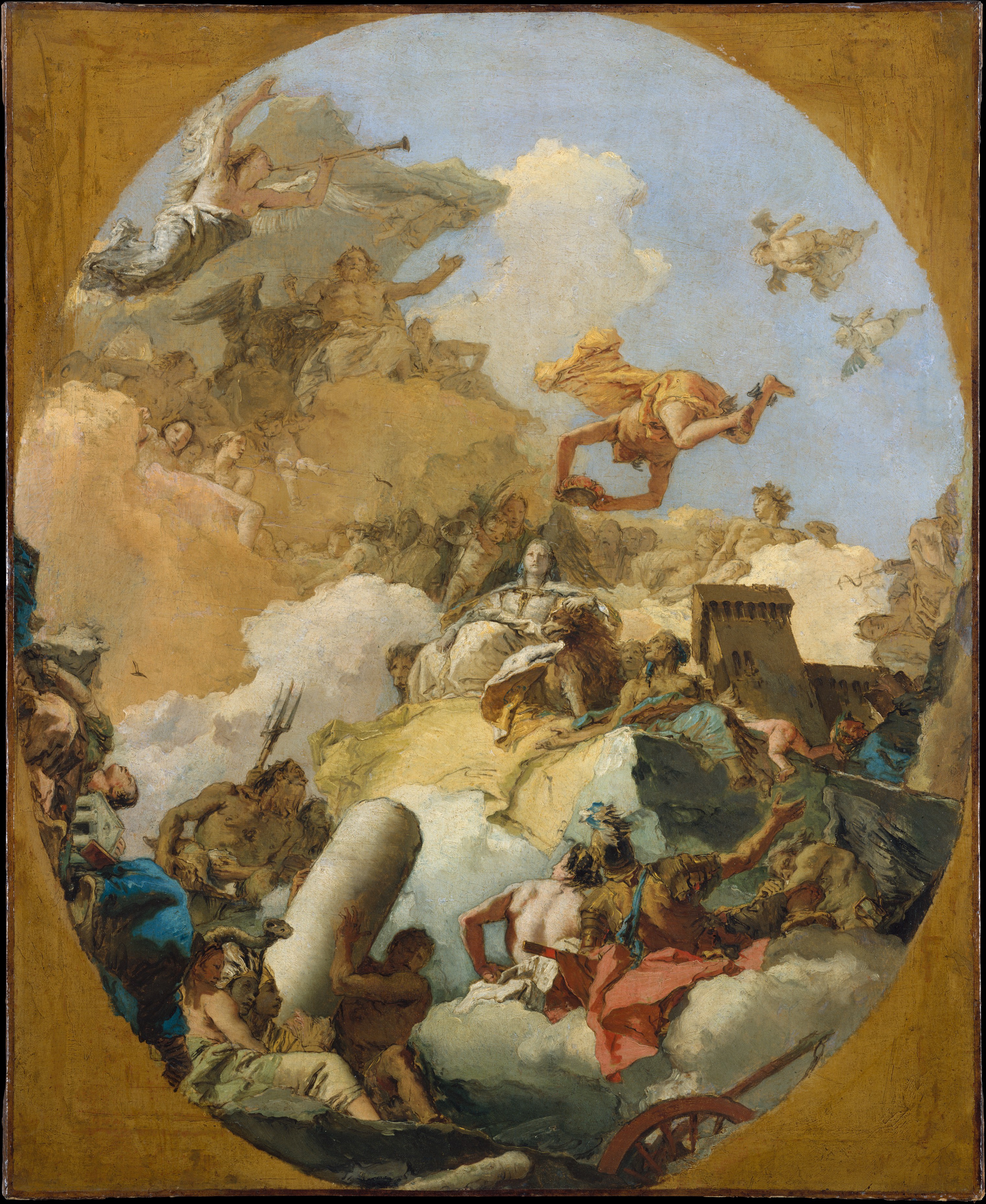
Where does light end, and longing begin? In the vibrant world of Giovanni Battista Tiepolo, the boundary blurs, revealing a realm where ecstasy reigns supreme among the enchanted figures and illustrious colors. To appreciate Venetiaanse pantoffelparade, direct your gaze to the swirling dance of the figures at the center. Notice how Tiepolo employs a luminous palette filled with soft golds and radiant blues, illuminating their delicate features and ornate garments. The dynamic composition draws your eye along the curves of the dancers, their animated gestures echoing the joy of celebration.
Each detail, from the intricate patterns on their shoes to the ethereal quality of the light, orchestrates a harmonious ballet of motion and elegance. Delve deeper into the scene and uncover the emotional tapestry woven within. The figures, enraptured in their revelry, contrast with the stillness of the onlookers, bridging the line between participation and observation. This juxtaposition speaks to the universal human experience of desire — the longing to join in the ecstasy while remaining tethered by reality.
It's a moment suspended in time, inviting viewers to reflect on their own yearnings and the fleeting nature of joy. Painted between 1740 and 1760, this masterpiece emerged during Tiepolo's peak in Venice, a city alive with artistic innovation and cultural fervor. At this time, he was celebrated for his grand frescoes and dynamic compositions, reflecting the Baroque ideals of movement and emotional expression. His work captured the spirit of an age enamored with beauty, offering not merely a glimpse into a vibrant celebration but a profound exploration of the human spirit.