
Venetian women in a park — History & Facts
A flicker of gold and ivory draws the eye first, as if the dusk itself has parted to reveal a gathering of figures lost in reverie. In Venetian women in a park, the brushwork of Adolphe Joseph Thomas Monticelli is so lush and dense that the scene seems to shimmer between memory and dream. The women, adorned in flowing gowns, converse and promenade, their gestures animated yet softened by the hazy, almost theatrical light.
A pair of dogs—one alert, one nestled at a lady’s feet—anchor the scene in the everyday, while the figures’ costumes and postures evoke a sense of ceremony or festivity. The palette, dominated by warm browns and ochres, is punctuated by sudden flashes of white and blue, guiding the viewer’s gaze in a slow, circular dance. This painting belongs to the world of late nineteenth-century France, when artists like Monticelli were captivated by the decorative possibilities of paint itself. Between circa 1875 and 1880, as Impressionism took hold in Paris, Monticelli remained committed to his own vision: scenes of imagined Venetian splendor, rendered with a tactile richness that anticipates later modernist experiments.
Such works were often collected by connoisseurs who prized their exoticism and painterly daring—qualities that set them apart from the more literal narratives of academic art. Today, Venetian women in a park resides in The Mesdag Collection, a fitting home for a painting that invites viewers to linger in its luminous ambiguity, searching for stories in the play of color and shadow.
More Artworks by Adolphe Monticelli

Portrait of a Lady
Adolphe Monticelli
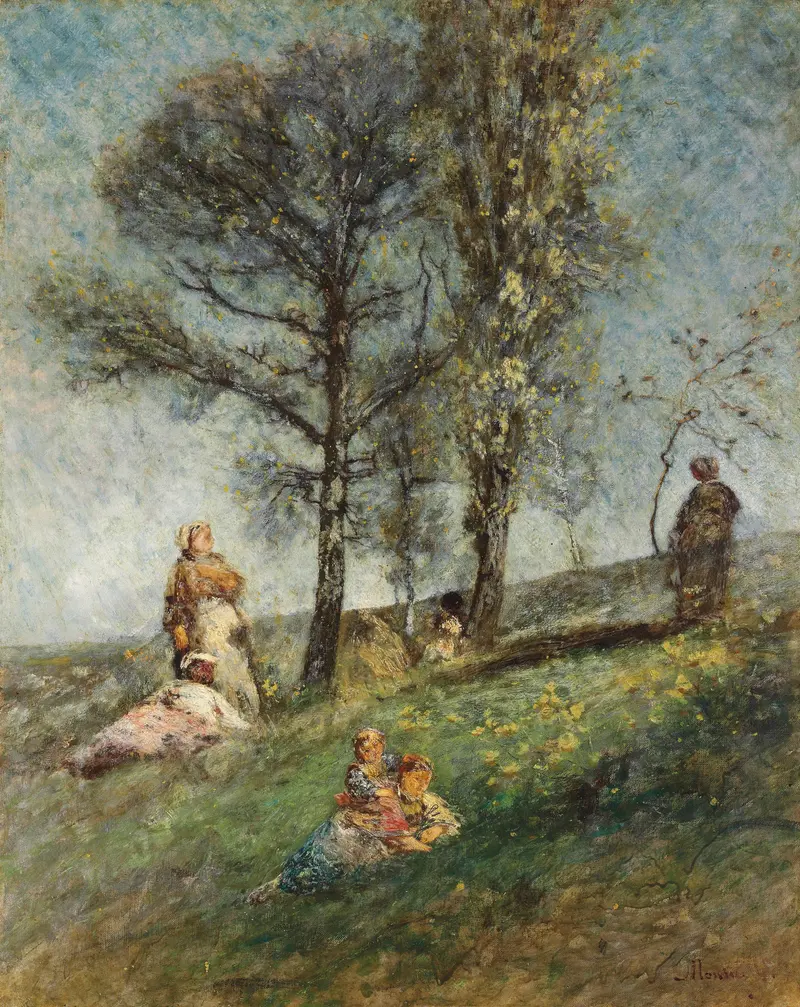
A Young Family Under Trees On A Hill
Adolphe Monticelli

Fête d'Après-Midi
Adolphe Monticelli
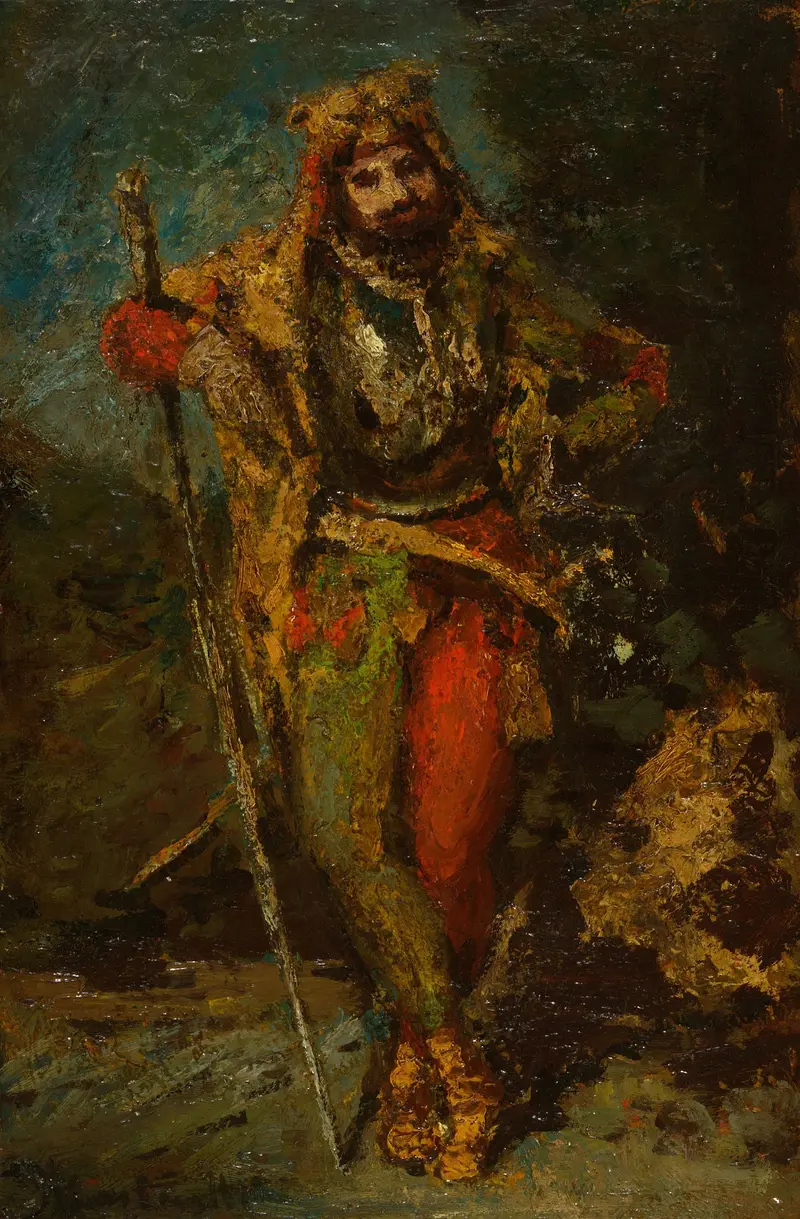
Mephisto from the Opera Faust
Adolphe Monticelli
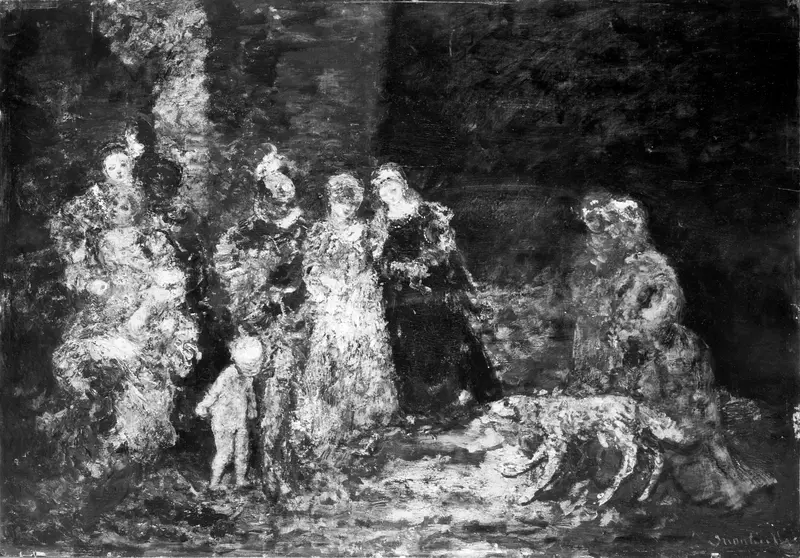
The Fairies
Adolphe Monticelli
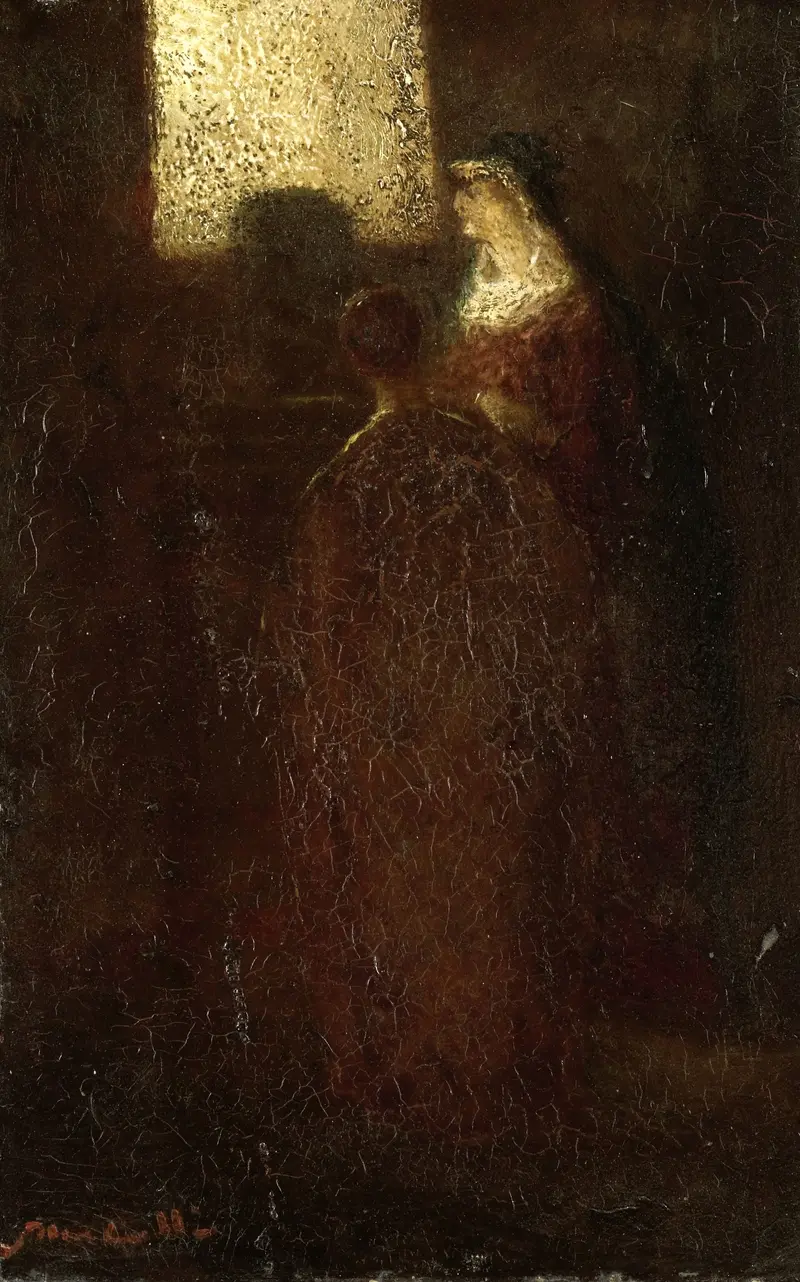
Aan het altaar
Adolphe Monticelli
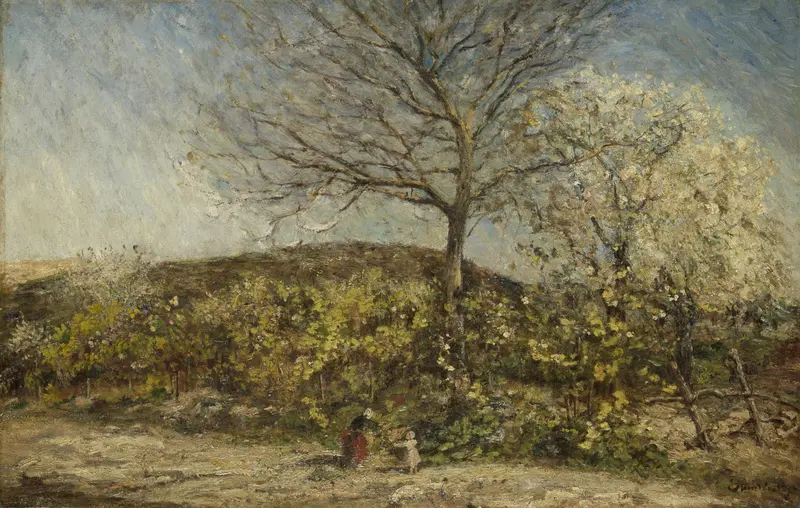
Landschap met bloeiende boomgaard
Adolphe Monticelli
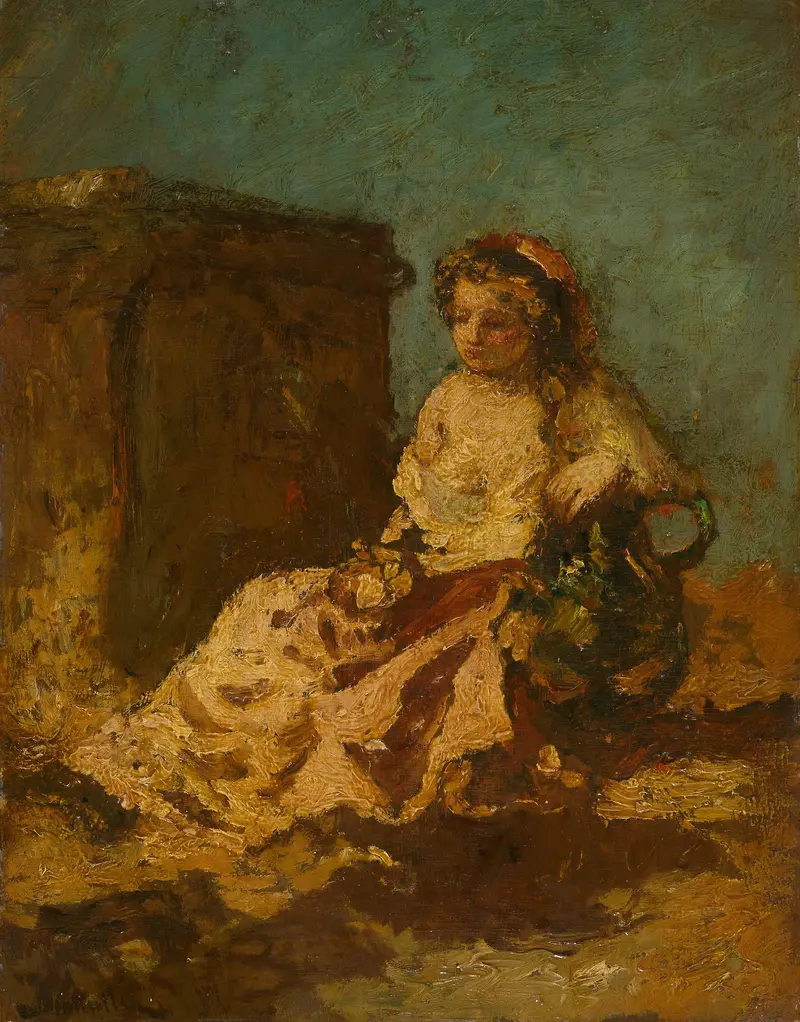
Meditation (Seated Woman)
Adolphe Monticelli
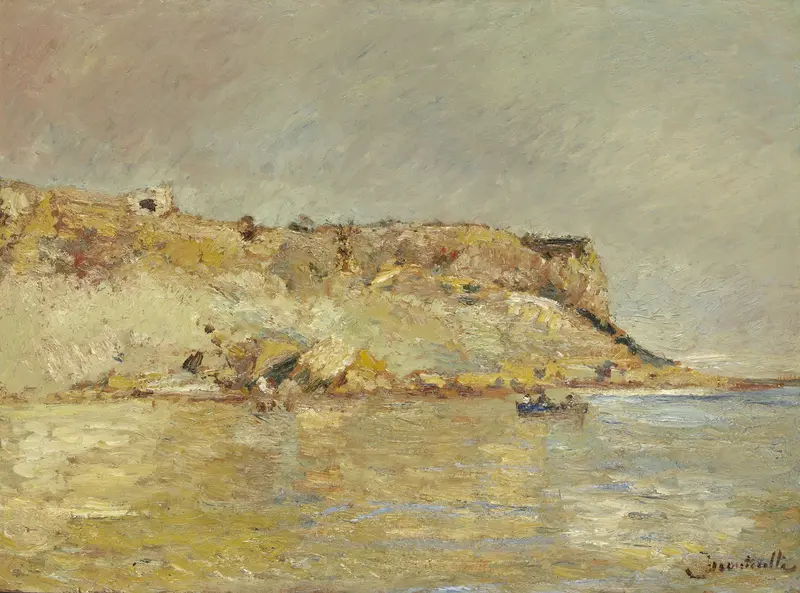
Coastal Mountains
Adolphe Monticelli
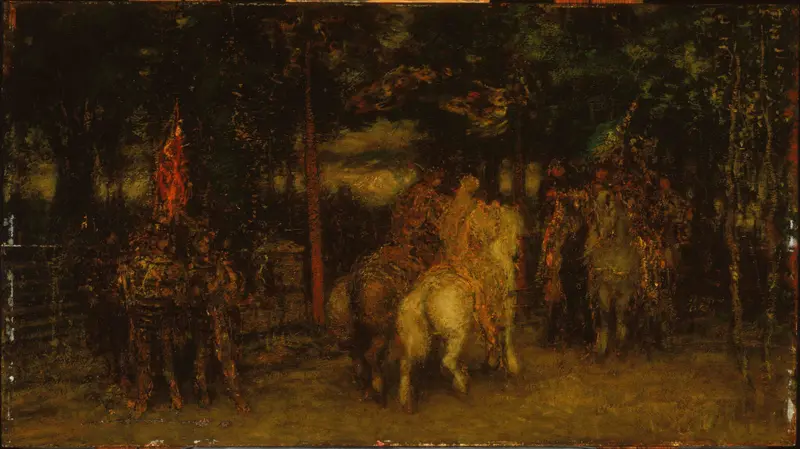
Landscape with Figures
Adolphe Monticelli
More Genre Scene Art

Banquet of the Officers of the St George Civic Guard
Frans Hals

Rembrandt and Saskia in the Scene of the Prodigal Son
Rembrandt van Rijn

Bal du moulin de la Galette
Pierre-Auguste Renoir

Quadrille at the Moulin Rouge
Henri de Toulouse-Lautrec

A Burial at Ornans
Gustave Courbet

When Will You Marry?
Paul Gauguin