Venus en Amor met een schelp — History & Facts
Is this a mirror — or a memory? In Venus en Amor met een schelp, we are invited into a realm where ecstasy dances on the edge of reality and illusion, where the divine and the human intermingle tenderly. Look to the center of the canvas, where Venus cradles her beloved, the embrace soft and intimate. The artist expertly employs rich, warm tones to create a sense of warmth and allure, guiding your gaze through the flowing contours of their bodies. Notice how the delicate shell, a symbol of beauty and birth, curves gracefully in the foreground, catching the light to draw our attention and echo the figures’ own sensual forms.
The background, with its muted greens and blues, contrasts beautifully with the vibrant reds of Venus’ drapery, suggesting a world both lush and dreamlike. The juxtaposition of the lovers’ serene expressions against the suggestive shell reveals an emotional tension between desire and fulfillment, capturing a fleeting moment of bliss. The slight tilt of Venus’ head hints at a world beyond, a longing that transcends the physical, while Cupid’s playful gaze suggests a mischievous, almost chaotic force at play. This dynamic between tranquility and exuberance encapsulates the essence of human emotion, evoking feelings of yearning and joy that resonate deeply within us. Jacob Binck created this work in 1530, a time when Northern Renaissance art was flourishing, focusing on themes of love and mythology.
Located in the Netherlands, Binck was at the forefront of a movement that sought to merge classical ideals with intricate detail and personal expression. This painting reflects not only his technical prowess but also the cultural shifts of the period, where the boundaries of art and emotion began to intertwine more intimately.
More Artworks by Jacob Binck
Browse all →
Portret van Christiaan II, koning van Denemarken
Jacob Binck

Christus en de Samaritaanse vrouw
Jacob Binck
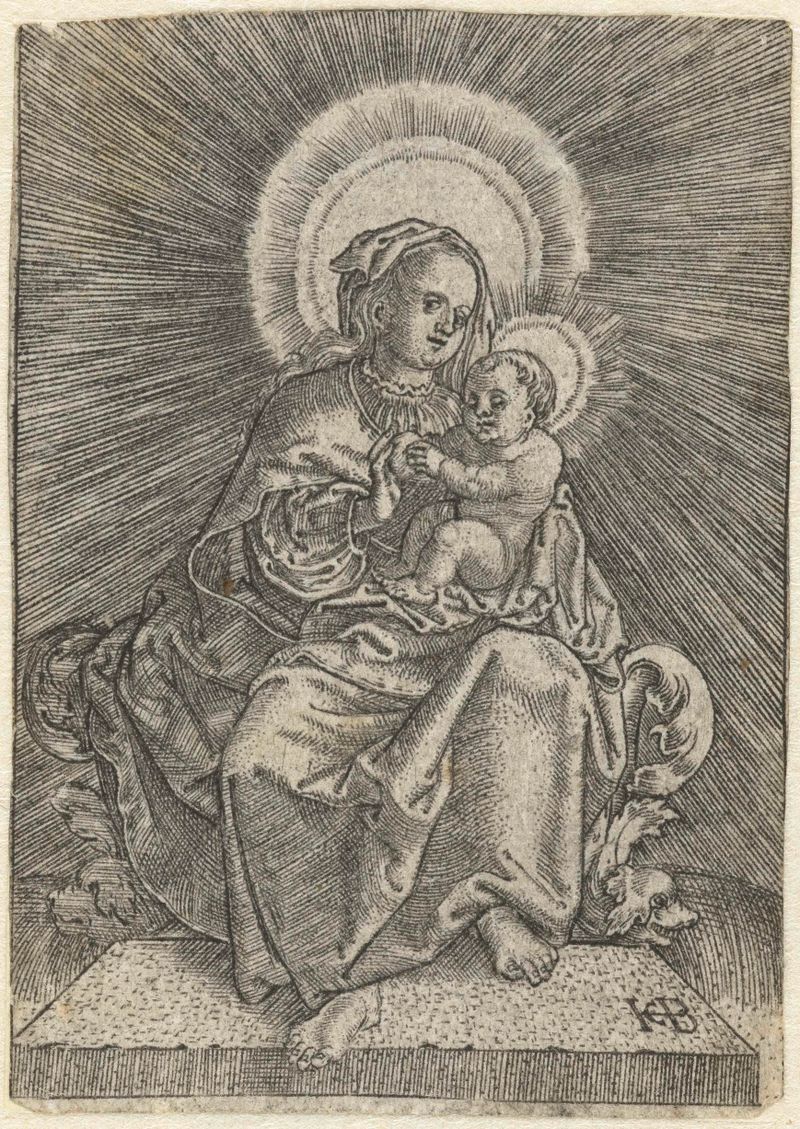
Tronende Maria met kind en appel in stralenkrans
Jacob Binck

Christus op de koude steen
Jacob Binck

Ornament met twee putti op dolfijnen onder een vaas
Jacob Binck
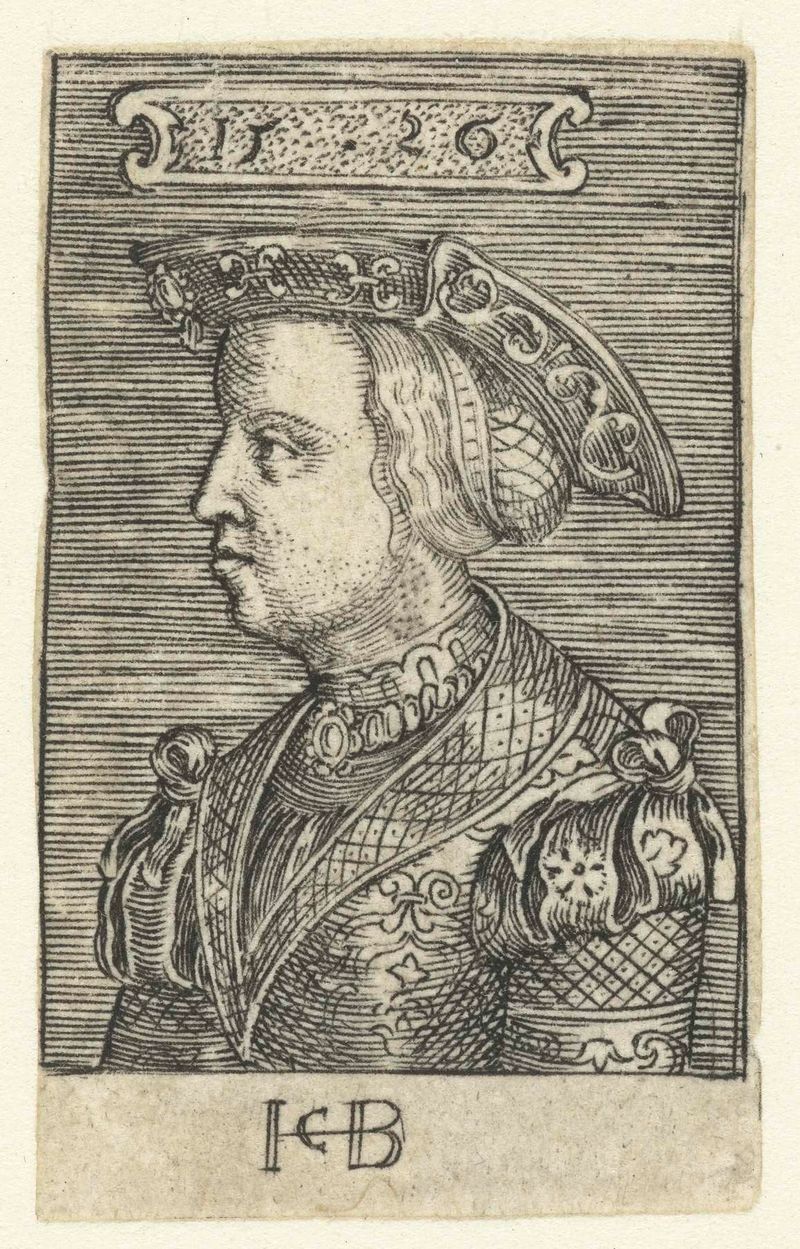
Portret van Claudia van Valois, echtgenote van Frans I
Jacob Binck

Ceres met kroon van korenaren, sikkel, brandende toorts en tweekoppige slang
Jacob Binck
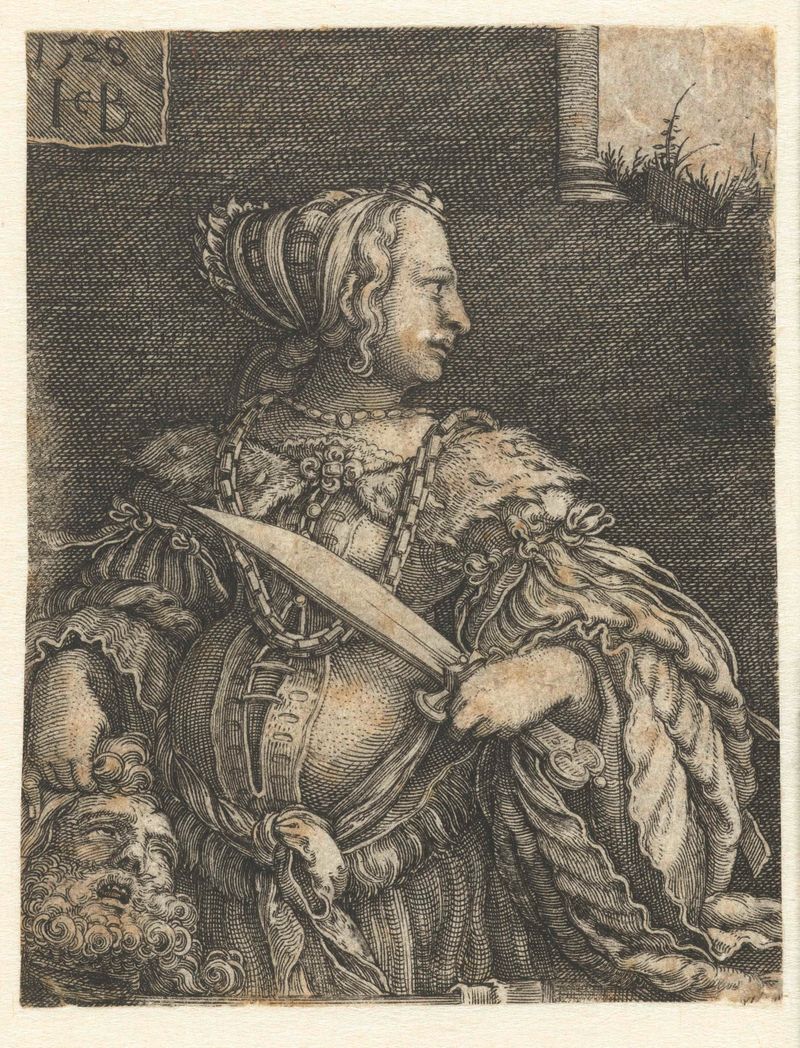
Judith met het hoofd van Holofernes
Jacob Binck
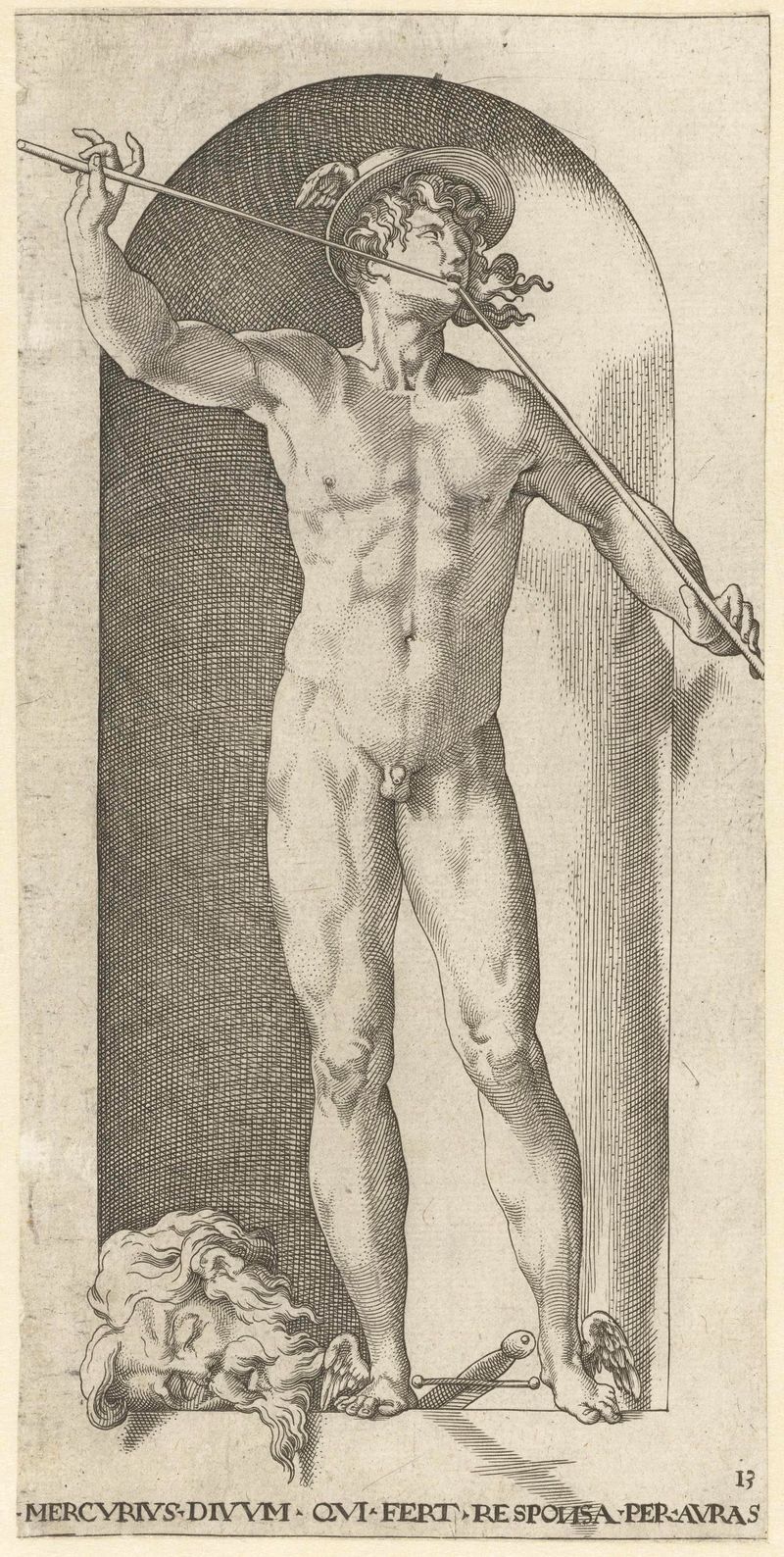
Mercurius met het hoofd van Argus
Jacob Binck

Minerva (Pallas Athena) met Medusahoofd op schild
Jacob Binck