View of a town, possibly Oberwesel, on the Rhine, Germany — History & Analysis
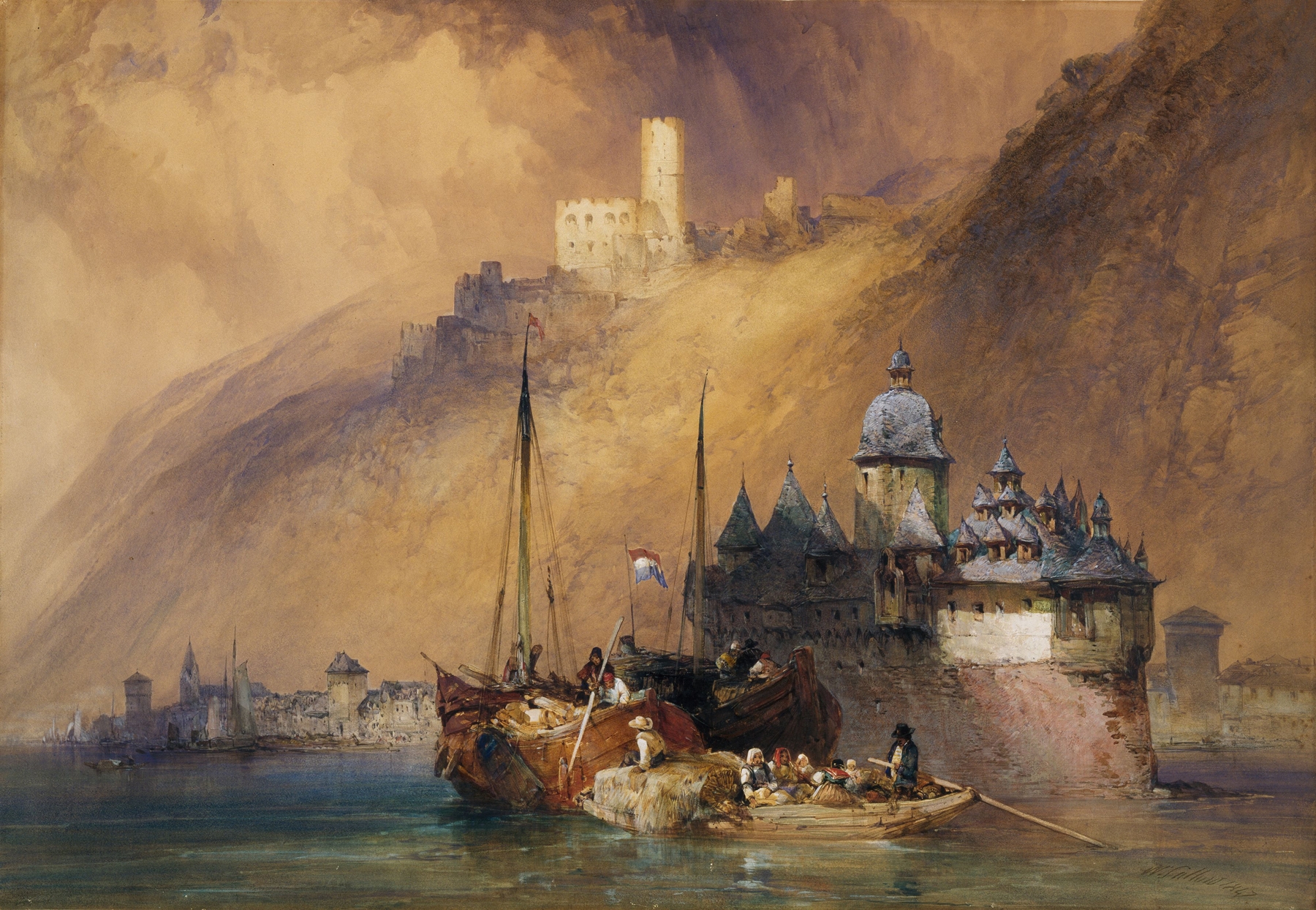
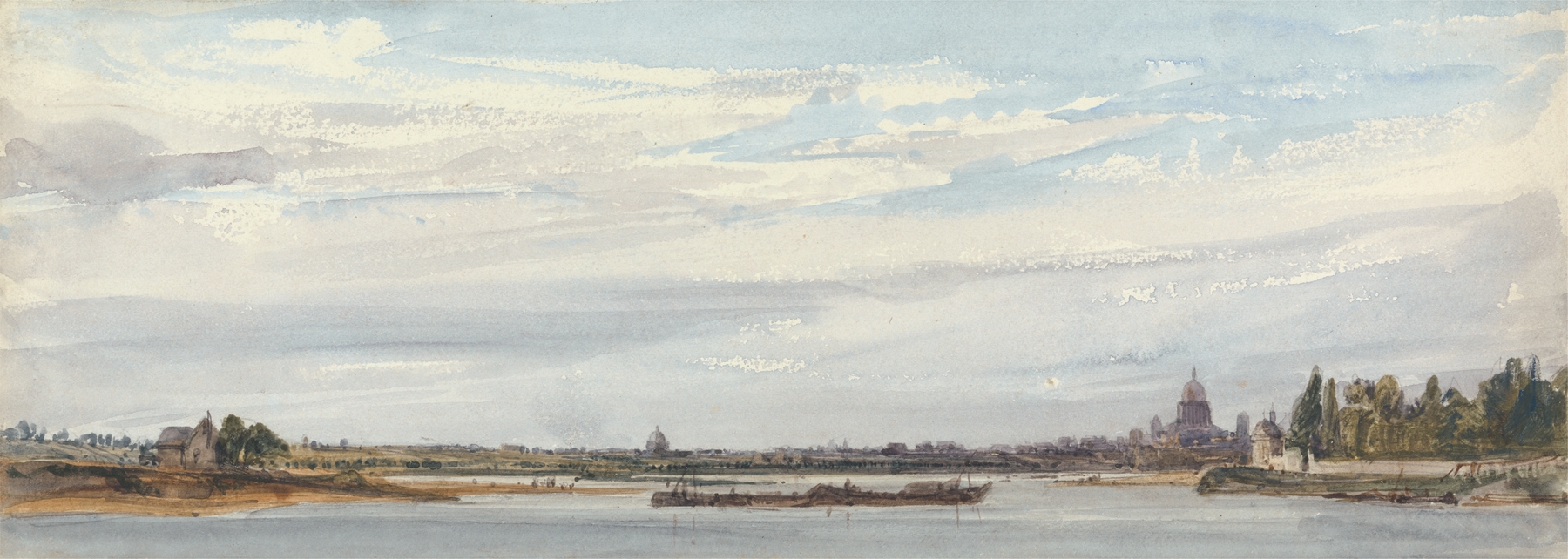
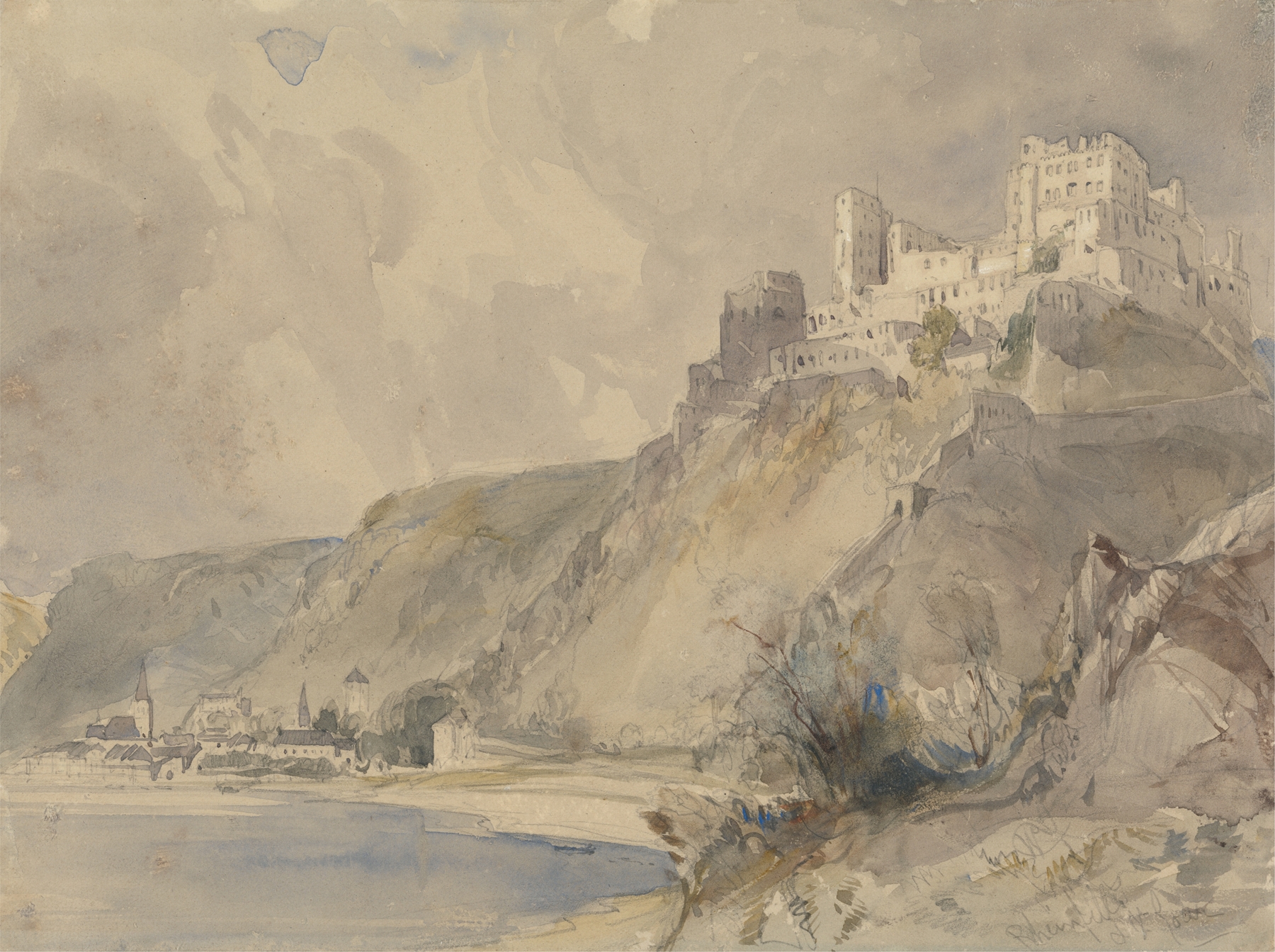
What secret hides in the quiet of the canvas? In a moment captured forever, a serene town whispers the truths of daily life, drawing viewers into its gentle embrace. Look to the left at the intricate rooftops, their warm terracotta contrasting with the cool blue of the Rhine below. The soft strokes of the artist’s brush create a delicate interplay of light and shadow, inviting you to explore the winding paths that lead to the water’s edge.
Notice how the trees arch gracefully, framing the scene, while clouds drift lazily in the sky above, echoing the calm that envelops the landscape. Yet beneath this tranquil surface lies a tension between stillness and movement. The river, meandering through the heart of the town, symbolizes the passage of time, while the distant mountains create a sense of permanence. Small details, like the flicker of a candle in a window or the splash of a fish breaking the water's surface, hint at lives lived and stories untold.
This landscape captures a moment that is both eternal and fleeting, embodying the duality of existence. William Callow painted this work during the late 19th century, a time of growing admiration for the natural world amidst industrial change. Living in England, he was influenced by the picturesque landscapes of Germany, where he traveled frequently. This painting reflects his desire to portray the beauty of rural life, offering a glimpse into a world that cherished simplicity and harmony in the face of modern advancement.