Village Church — History & Facts
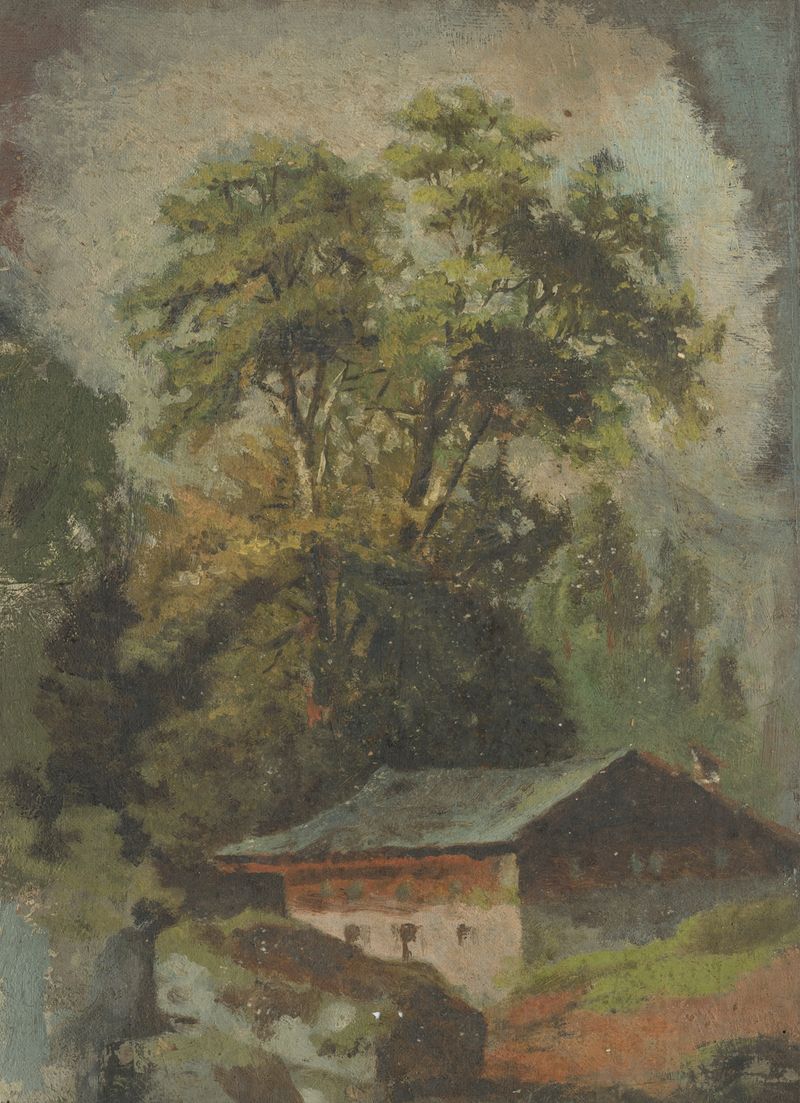
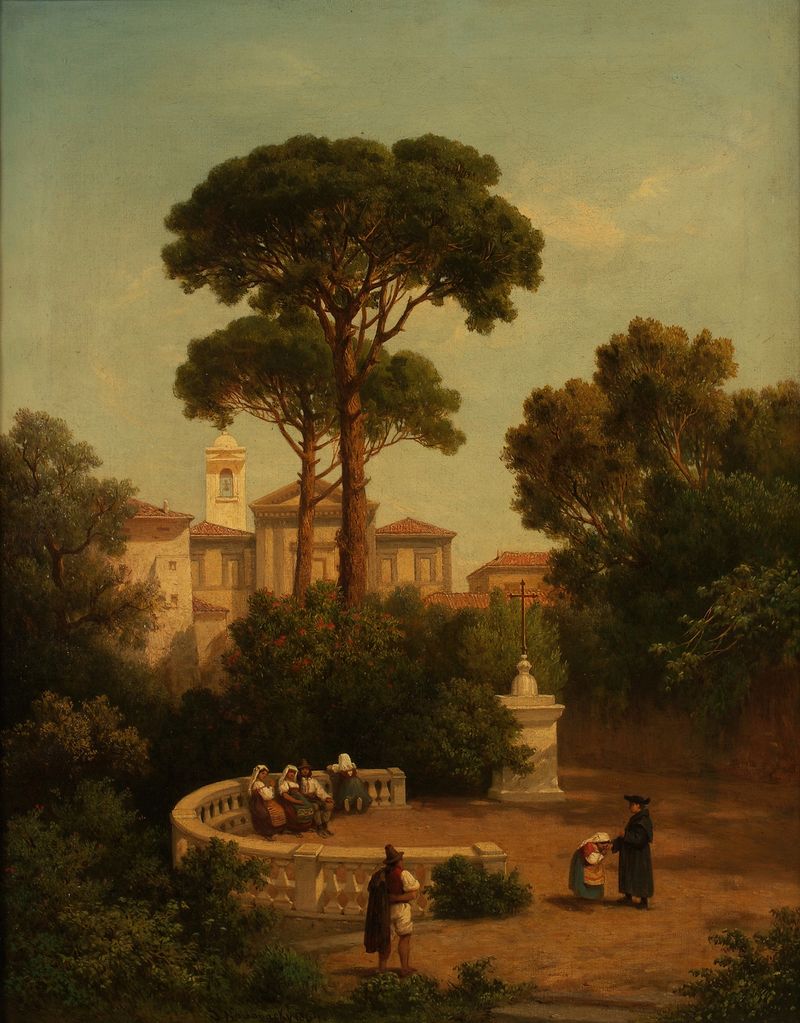
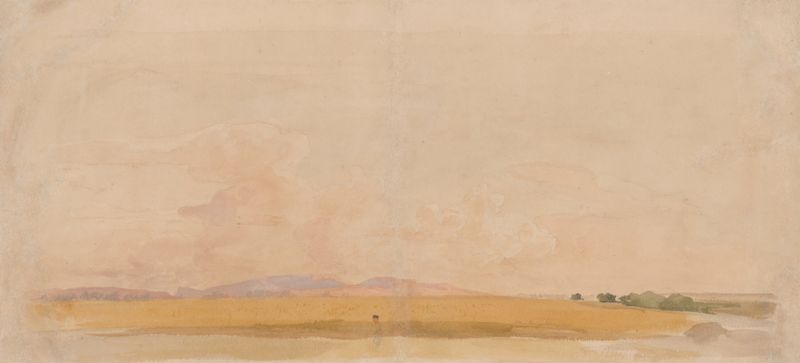
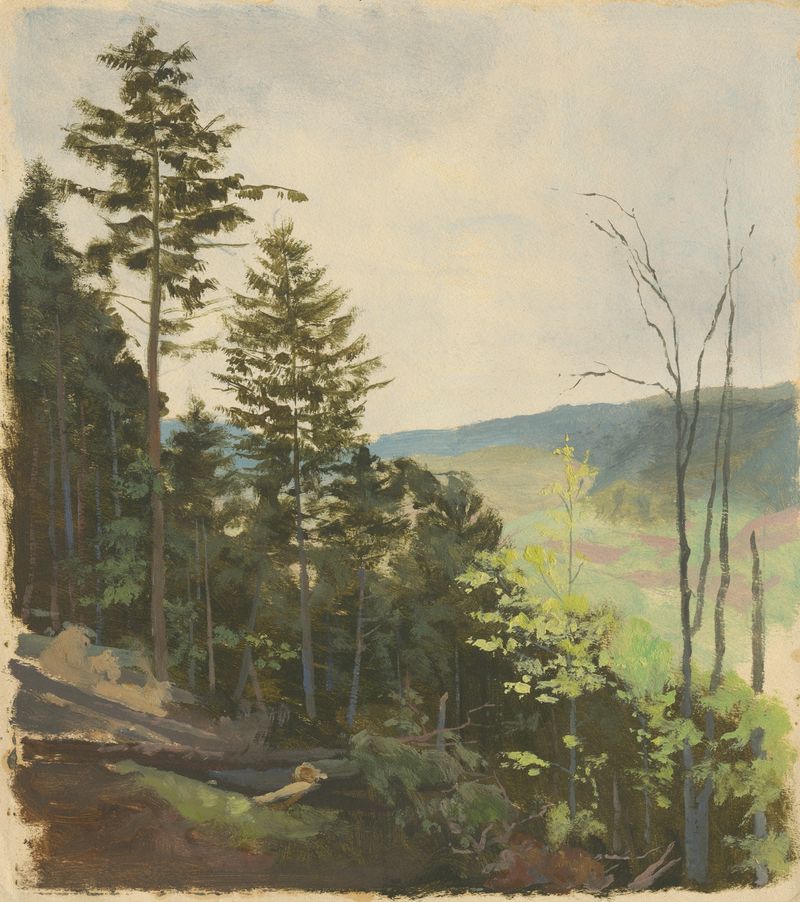
This sentiment resonates deeply within the tranquil yet haunting landscape captured here, where the allure of a quaint church masks the melancholy of memories long past. Look to the left at the delicate spire reaching towards the heavens, a gesture of hope against the backdrop of an overcast sky. The muted palette of earthy browns and soft grays envelops the scene, drawing the eye toward the serene church that stands resolute amidst the whisper of swaying trees. Notice how the gentle strokes create a sense of movement in the leaves, while the stillness of the building offers a stark contrast, inviting contemplation on the passage of time. In this work, the interplay between light and shadow reveals emotional tension.
The church, with its inviting façade, symbolizes sanctuary and community, yet the encroaching shadows evoke a sense of isolation and longing. This duality reflects not just a physical place, but a shared experience of nostalgia—an ache for simpler times that lingers in the hearts of those who gaze upon it. Each brushstroke beckons the viewer to reflect on their own memories, both joyful and sorrowful. Jan Nowopacký painted this piece in 1850, during a period marked by significant changes in Eastern Europe.
At the time, the artist was grappling with both personal and societal transformations, as the rise of modernity began to reshape traditional life. His work often captured the essence of rural landscapes, embodying the complex emotions tied to the inevitable passage of time and the beautiful impermanence of existence.