
Virginia da Vezzo, the Artist’s Wife, as the Magdalen — History & Facts
Few portraits in the early seventeenth century blend personal intimacy and religious devotion as closely as Virginia da Vezzo, the Artist’s Wife, as the Magdalen. The sitter is no anonymous model: she is Simon Vouet’s own wife, herself a painter, and her likeness appears in several of his works. This painting blurs the line between sacred icon and private homage, inviting viewers to wonder whether Vouet’s brush was guided more by marital affection or by the conventions of the Baroque age.
The choice to cast Virginia as Mary Magdalene—a figure of repentance and passionate faith—adds a layer of personal meaning to a subject already rich in symbolism. At the moment Vouet chose to capture, Mary Magdalene is suspended between her past and her redemption. Her downcast eyes and clasped hands speak of penitence, while the exposed shoulder and luxurious hair recall her earlier, worldly life. The objects around her—a skull, perhaps, or a jar of ointment—signal her identity and her contemplation of mortality.
Vouet bathes her in a soft, golden light, heightening the sense of inward reflection. Unlike Titian’s famously sensual Magdalens, Vouet’s version is more restrained, her beauty filtered through the lens of marital familiarity and spiritual longing. The precise origins of Virginia da Vezzo, the Artist’s Wife, as the Magdalen remain uncertain; no commission or early provenance is securely documented. It likely dates from the 1620s or 1630s, during Vouet’s years in Paris after his return from Italy, when he was at the height of his fame.
The painting’s fate after its creation is unclear, and it survives today as a testament to both the artist’s private world and the broader currents of Baroque portraiture. As with many works where artist and sitter were bound by marriage, its meaning is layered: both a devotional image and an affectionate record of a partnership between two painters.
More Artworks by Simon Vouet

Portrait of Louis XIII
Simon Vouet
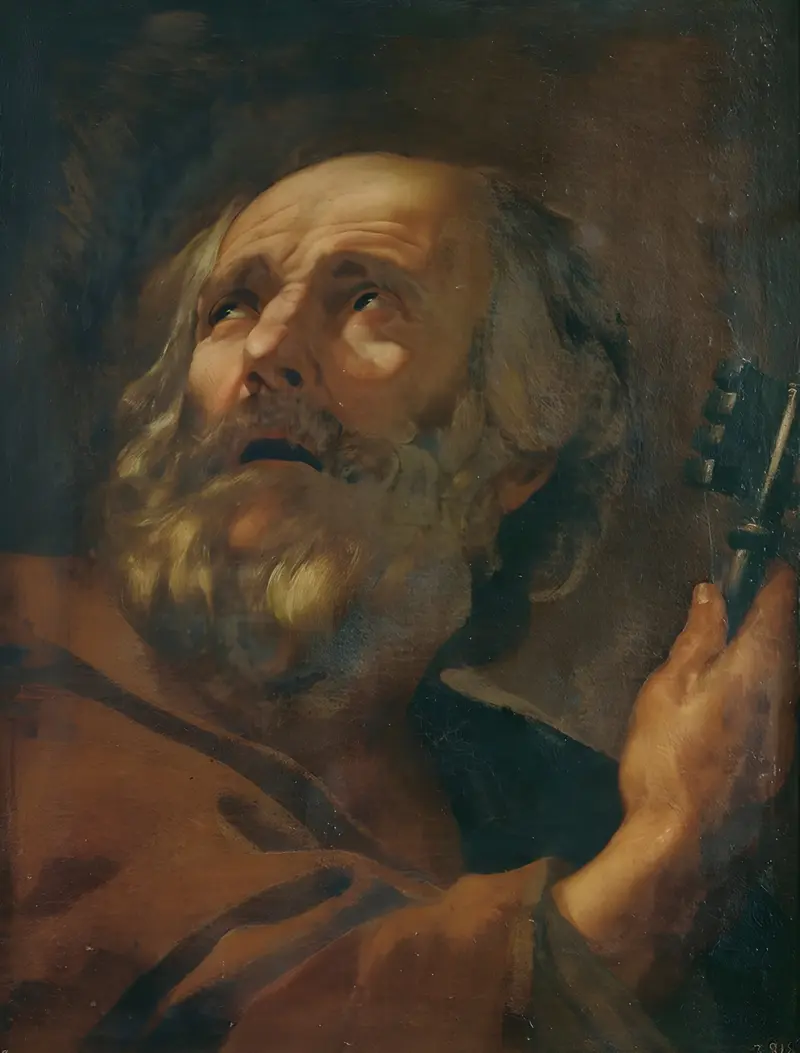
Saint Peter
Simon Vouet
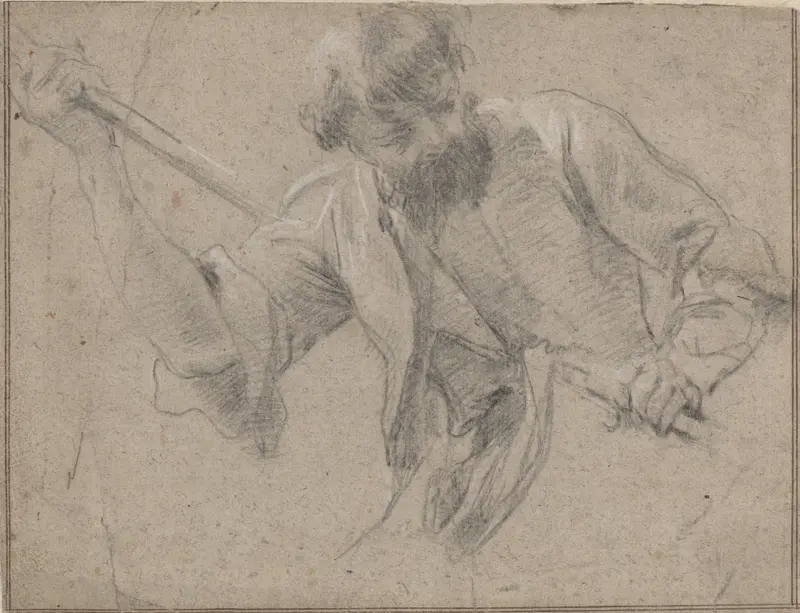
A Bearded Man with a Staff
Simon Vouet
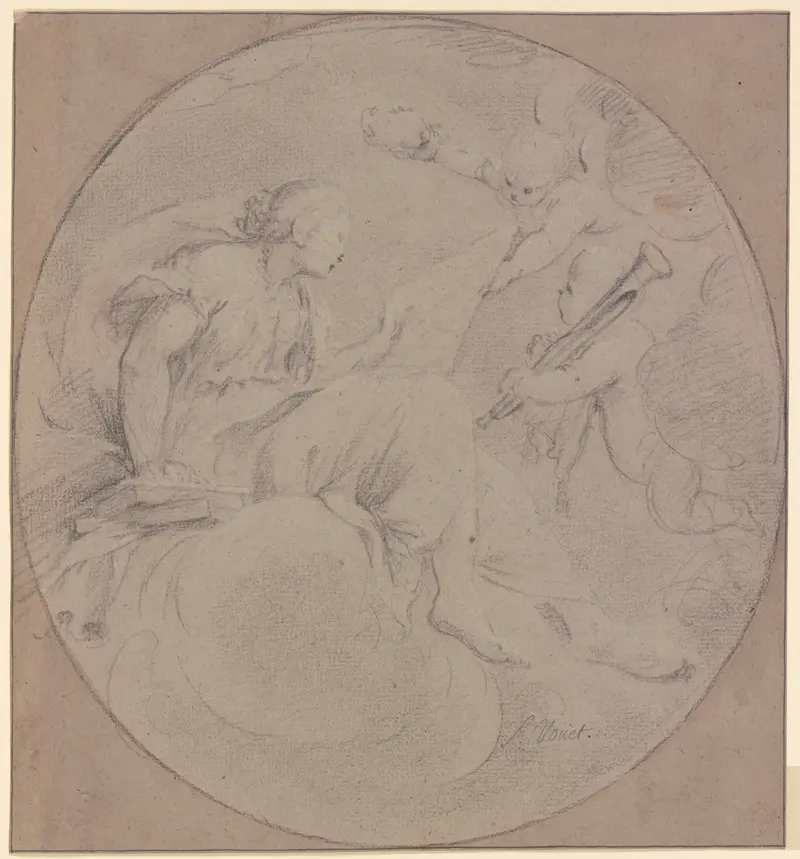
Die Muse der Musik mit zwei Genien, deren einer eine Trompete trägt
Simon Vouet
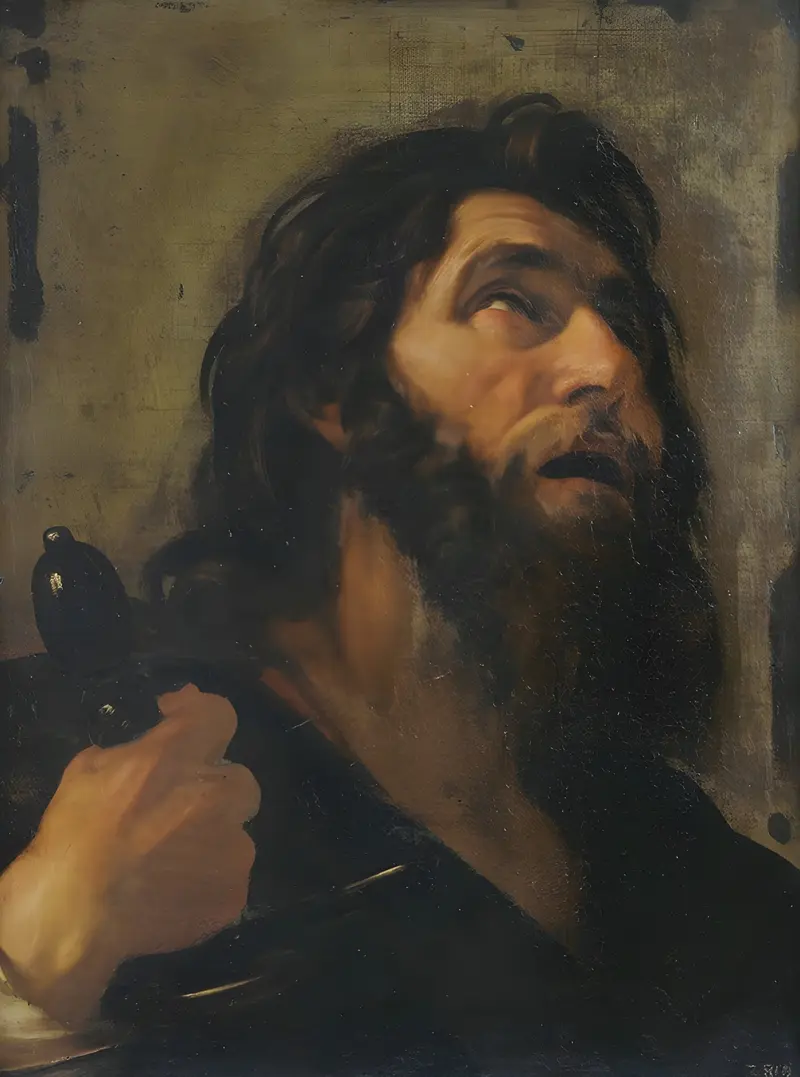
Saint Paul
Simon Vouet
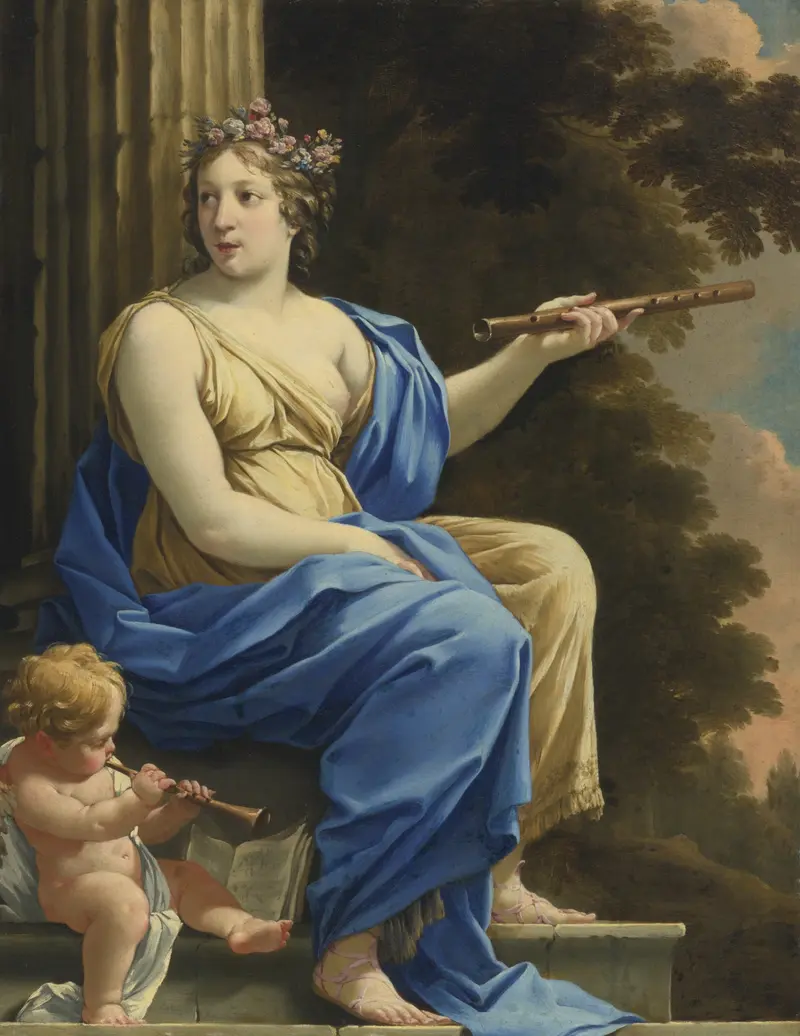
Euterpe, The Muse Of Music And Lyric Poetry
Simon Vouet
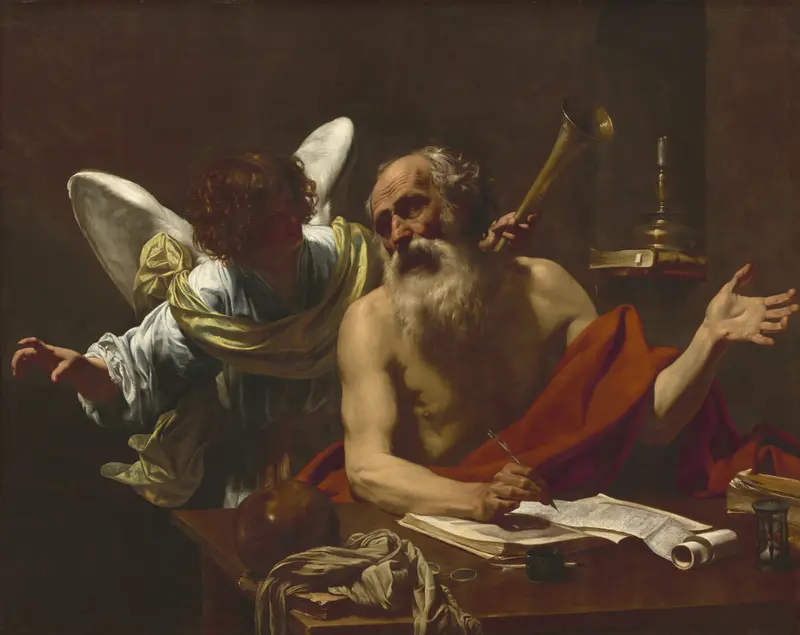
Saint Jerome and the Angel
Simon Vouet
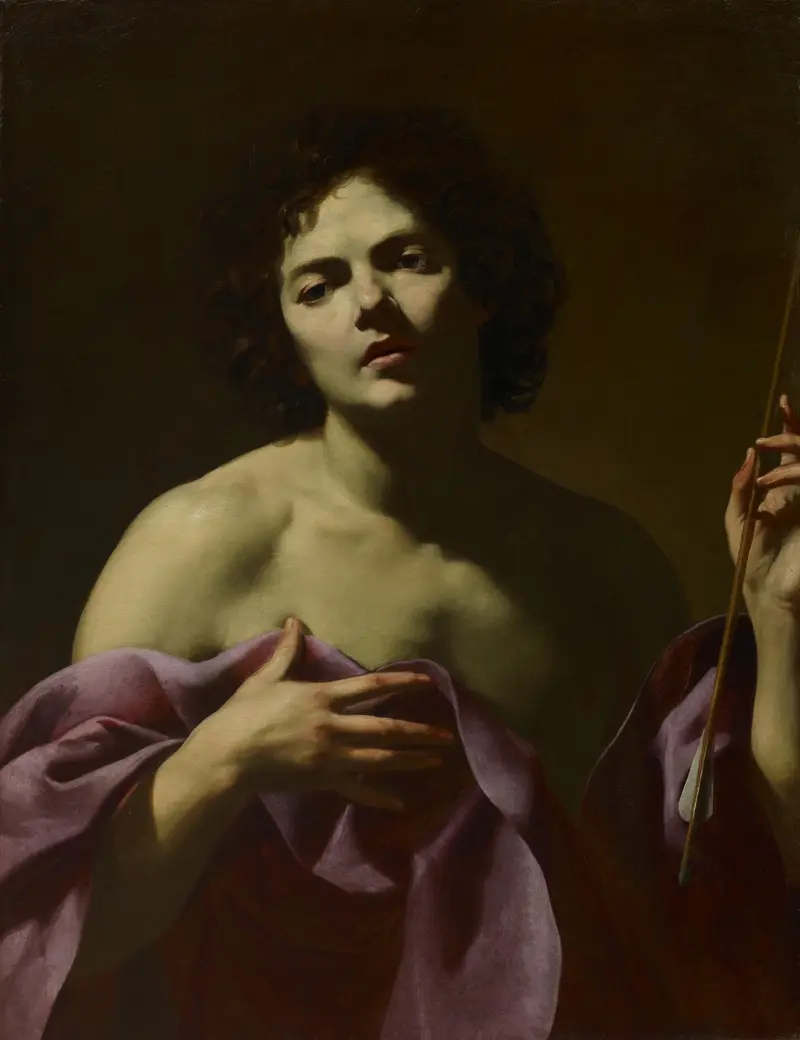
Saint Sebastian
Simon Vouet
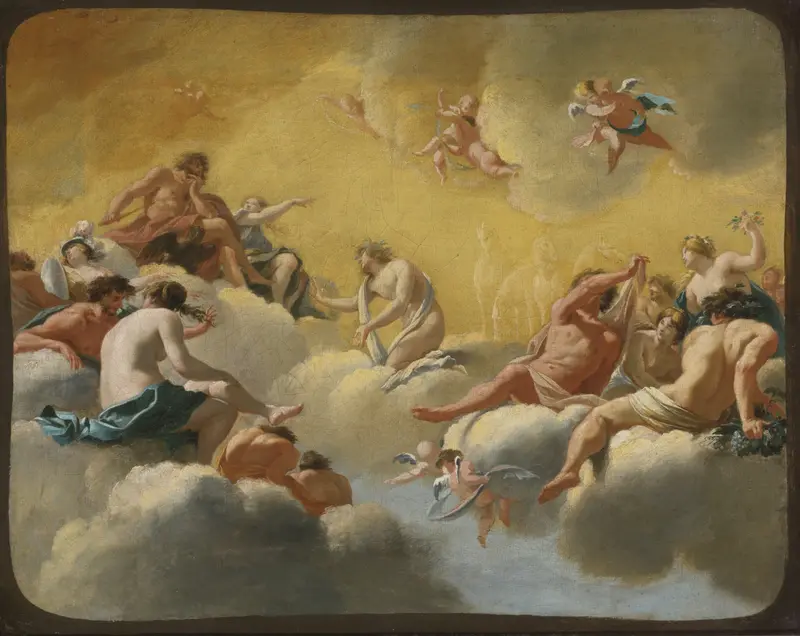
Assembly Of The Gods
Simon Vouet
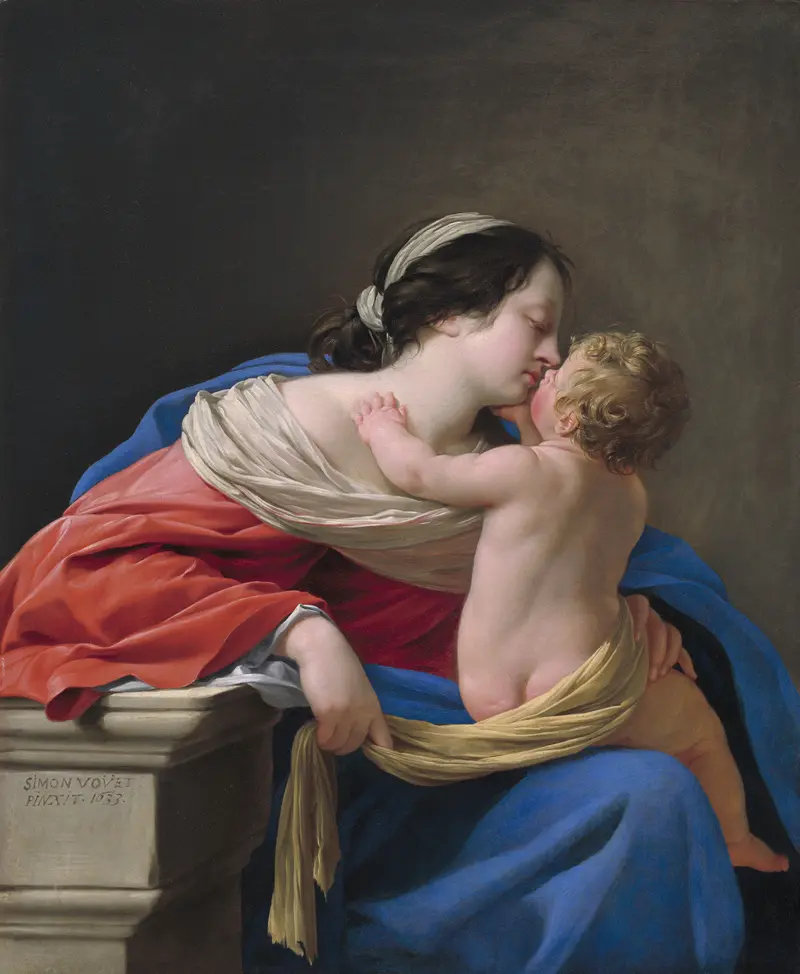
Madonna and Child
Simon Vouet





