
Virtue Crowning a Bearded Man — History & Facts
In Virtue Crowning a Bearded Man, we see a vibrant palette dominated by soft pastels and golden hues. The central figure of Virtue, adorned with a laurel wreath, is depicted in a flowing robe that suggests grace and elegance. The bearded man, who gazes upward in reverence, is shown with a humble expression, symbolizing the virtue of humility.
The background features a light sky, enhancing the uplifting mood of the scene. This painting is an example of Giovanni Battista Tiepolo's Rococo style, characterized by its ornate details and dynamic composition. The use of light and shadow creates depth, making the figures appear almost three-dimensional. Tiepolo's brushwork is fluid, allowing for a sense of movement within the piece.
The painting likely employs oil on canvas, a common medium for Tiepolo's works. Giovanni Battista Tiepolo was a prominent Italian painter of the 18th century, known for his grand frescoes and allegorical themes. This work, created during the Rococo period, reflects the artist's fascination with lightness and elegance. An interesting fact about this painting is that it was likely commissioned for a private collection, emphasizing the importance of virtue in society at the time.
Tiepolo's ability to blend narrative with decorative elements makes this piece a notable example of his artistry.
More Artworks by Giovanni Battista Tiepolo
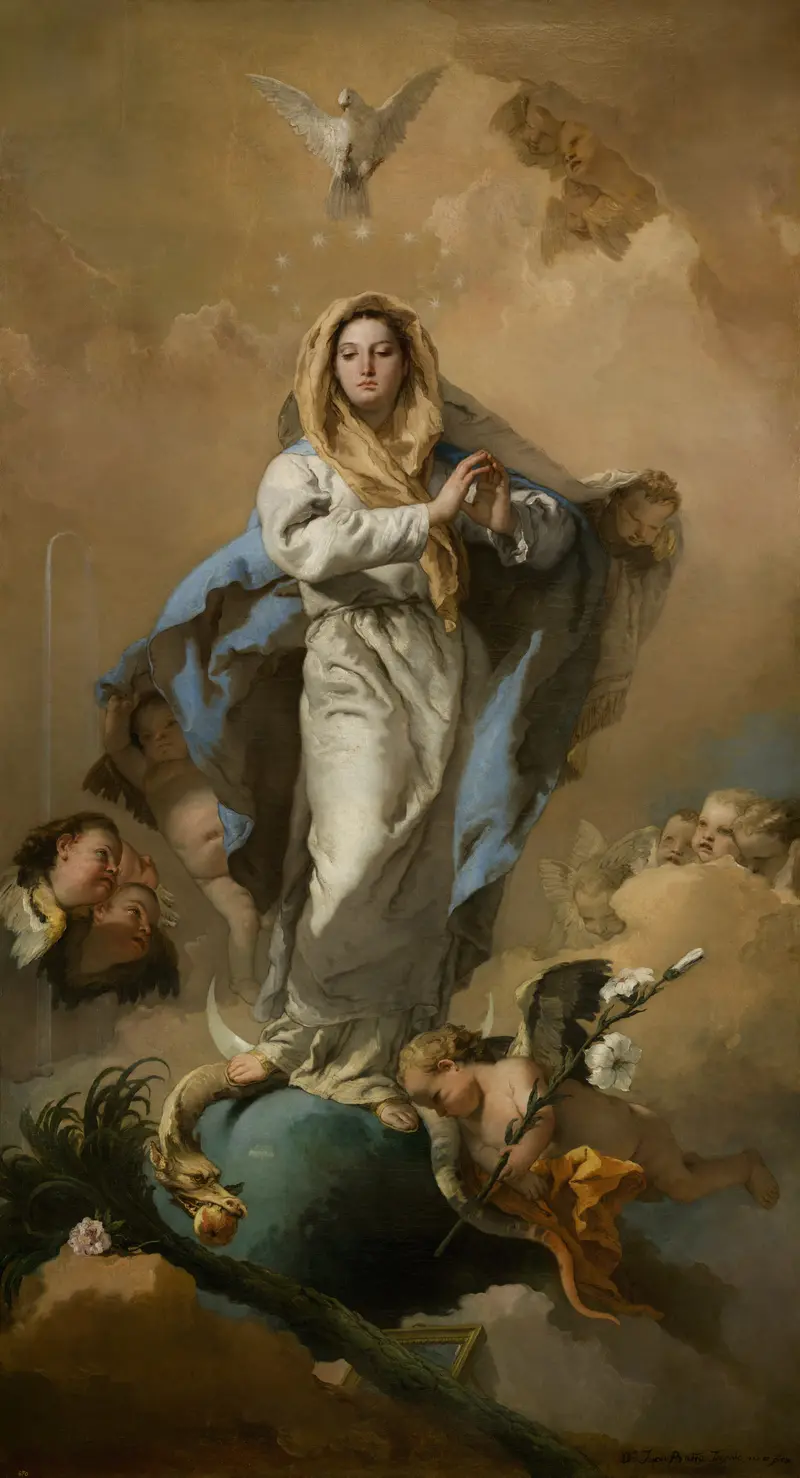
The Immaculate Conception
Giovanni Battista Tiepolo
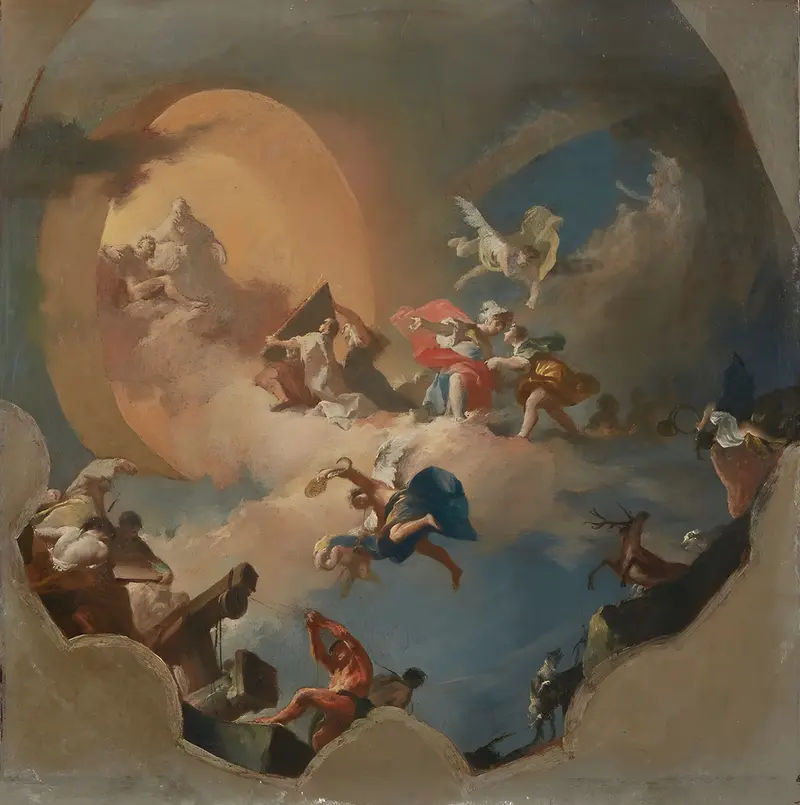
The Apotheosis of the Arts
Giovanni Battista Tiepolo
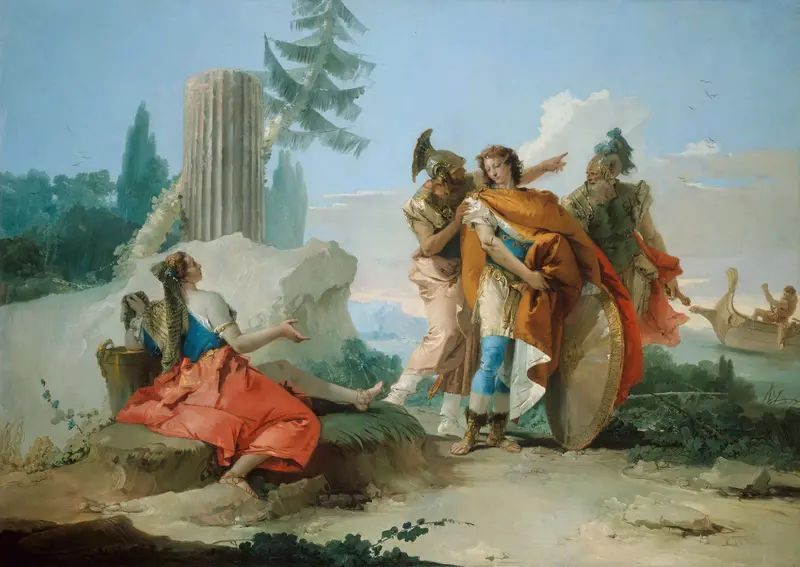
Armida Abandoned by Rinaldo
Giovanni Battista Tiepolo
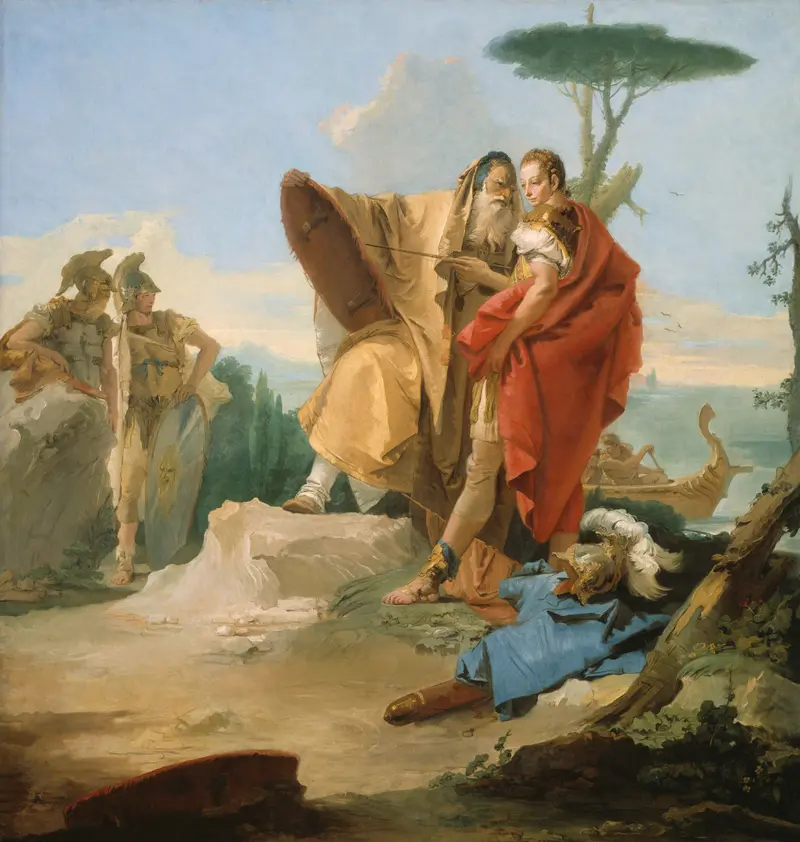
Rinaldo and the Magus of Ascalon
Giovanni Battista Tiepolo
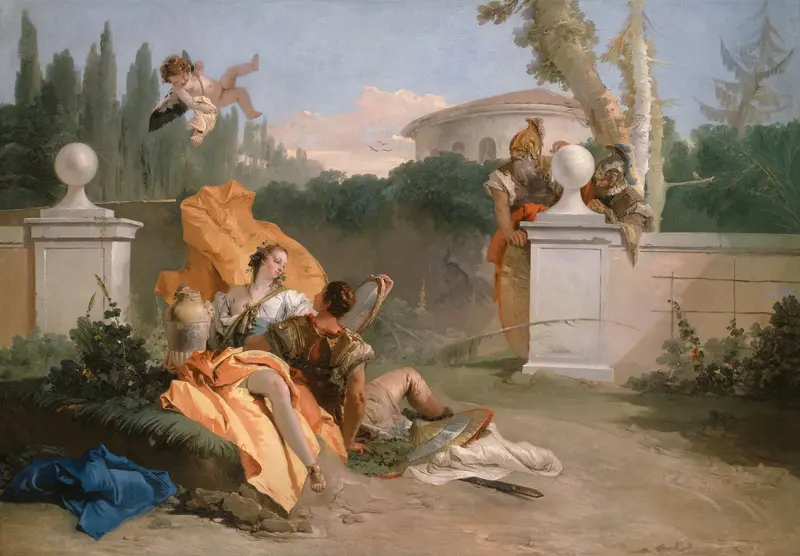
Rinaldo and Armida in Her Garden
Giovanni Battista Tiepolo
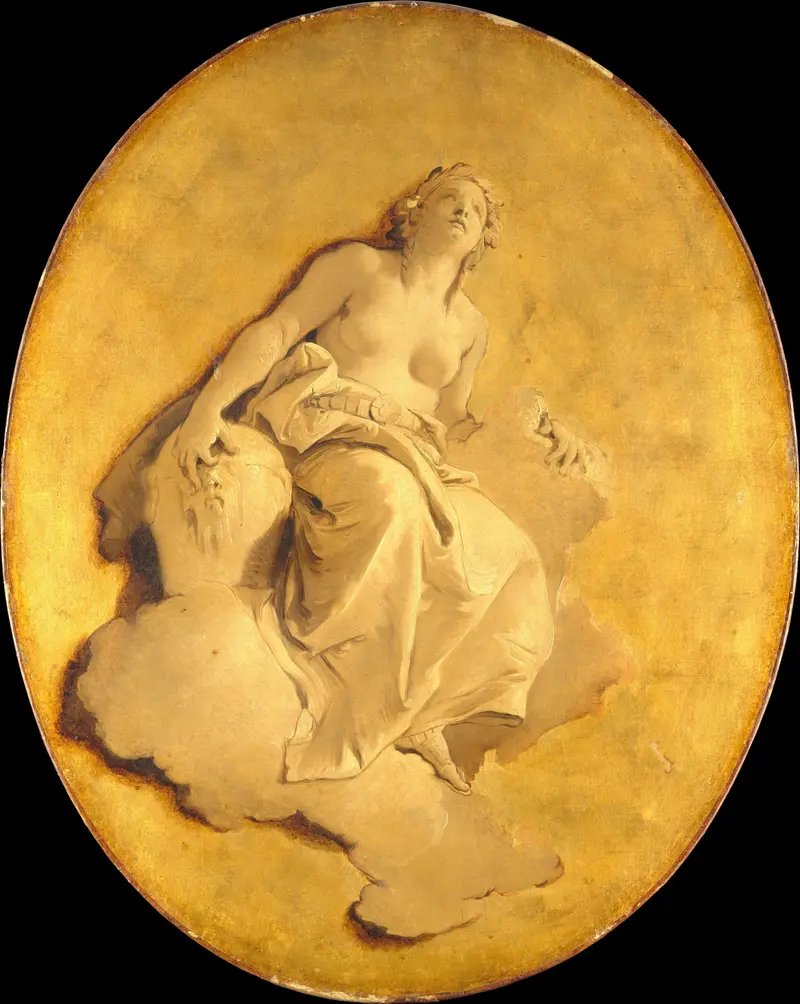
A Female Allegorical Figure
Giovanni Battista Tiepolo
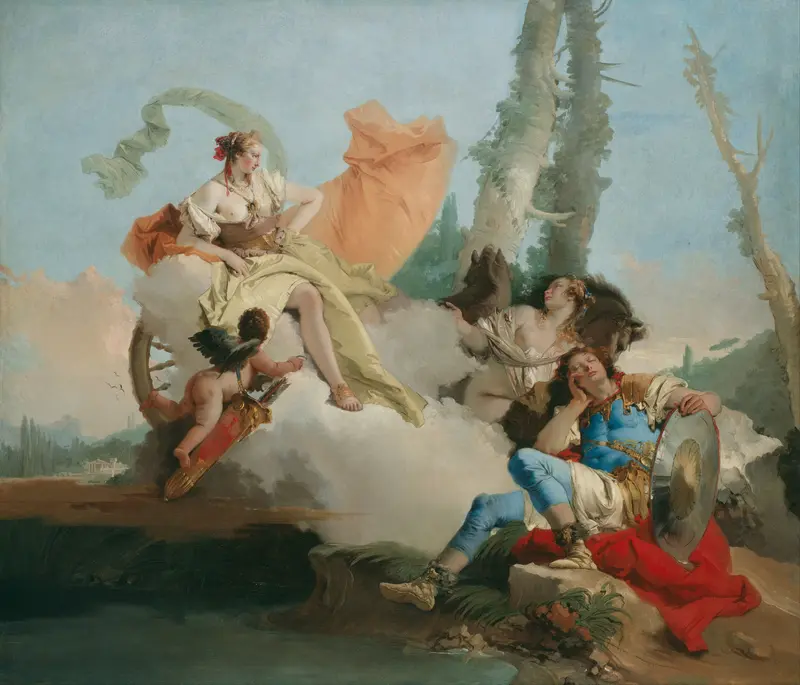
Armida Encounters the Sleeping Rinaldo
Giovanni Battista Tiepolo
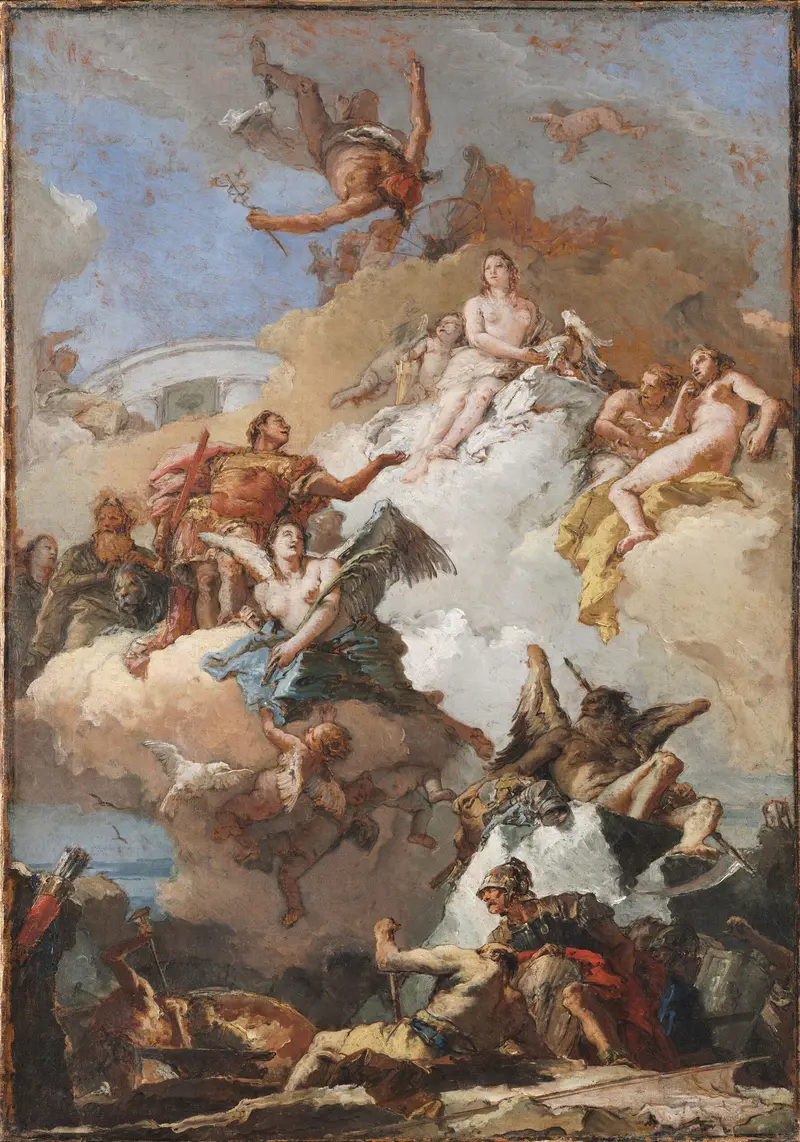
The Apotheosis of Aeneas
Giovanni Battista Tiepolo
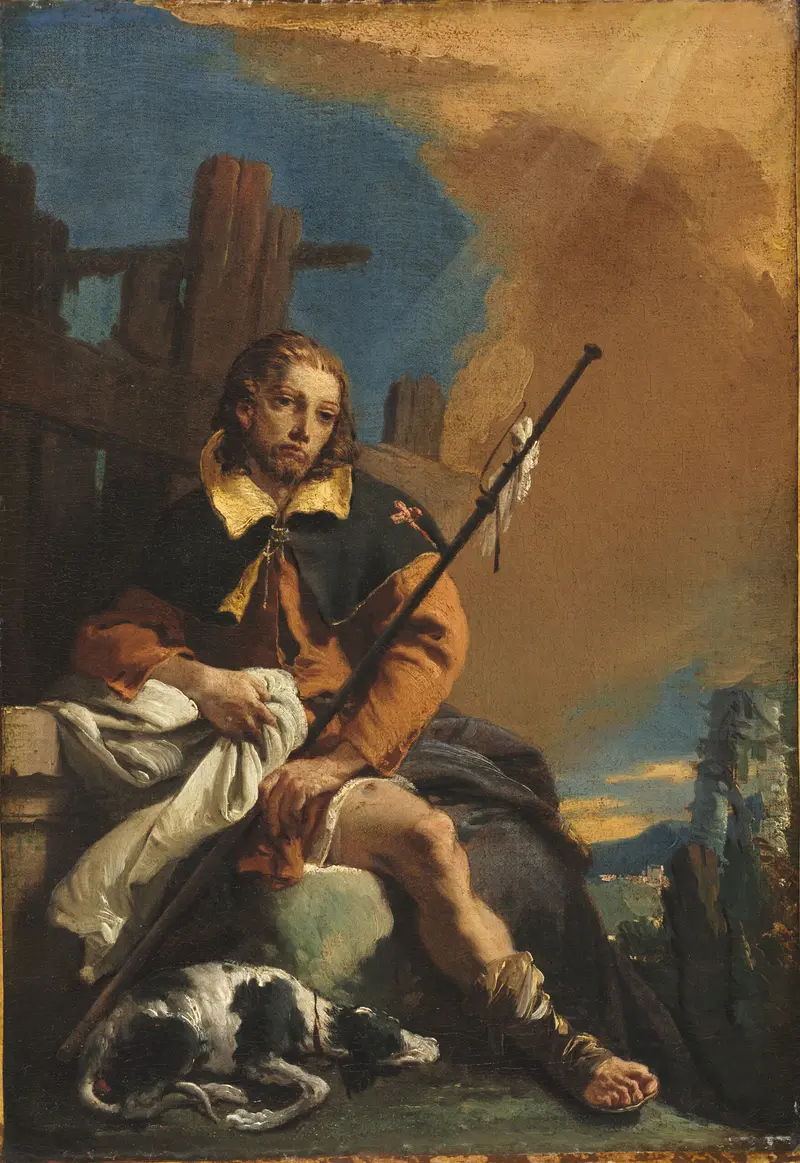
Saint Roch as a Pilgrim
Giovanni Battista Tiepolo
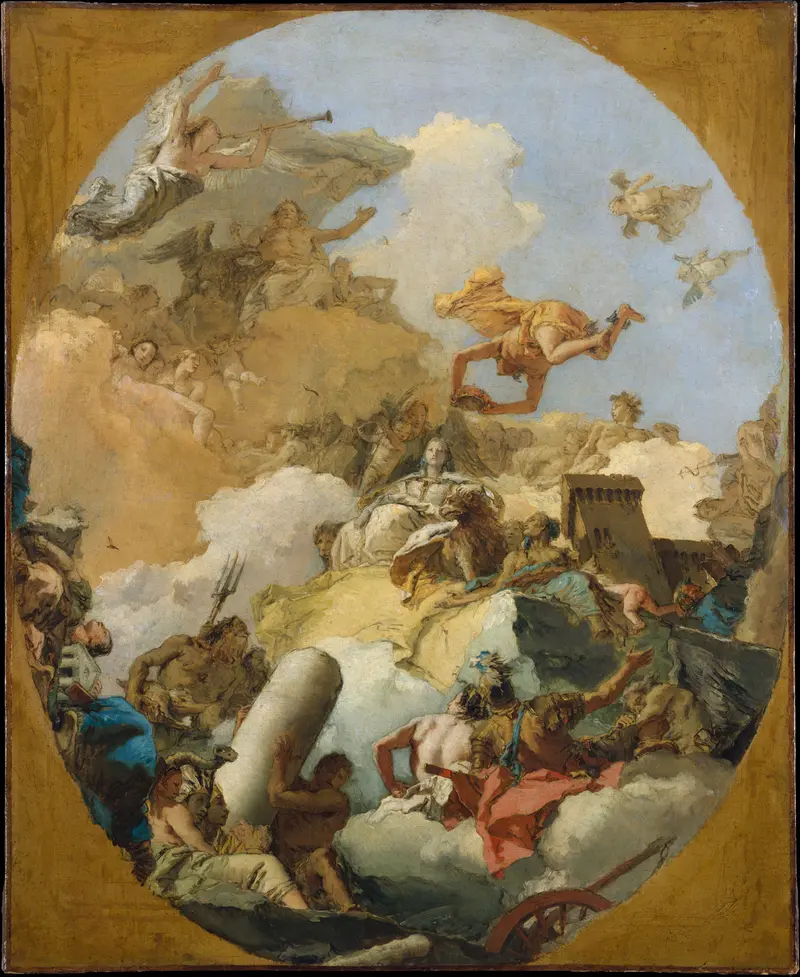
The Apotheosis of the Spanish Monarchy
Giovanni Battista Tiepolo





