
Visitation — History & Facts
When Fra Angelico painted Visitation around 1430, he was among the first artists in Florence to explore the new language of Renaissance space and emotion. This panel captures a scene rarely depicted with such intimacy at the time: the meeting of Mary and Elizabeth, both unexpectedly pregnant, one with Christ, the other with John the Baptist. The work’s origins are not fully documented, but it is believed to have formed part of a predella—a series of narrative panels beneath a larger altarpiece—possibly for the convent of San Domenico in Fiesole, where Fra Angelico was both friar and painter.
The painting’s quiet, direct exchange would later inspire countless artists, yet few matched its gentle clarity. At the heart of Visitation is a moment of recognition and shared wonder. Mary, young and modest, approaches her older cousin Elizabeth on the threshold of a house, their hands meeting in a gesture of greeting and blessing. The golden halos identify their sanctity, while the lush, walled garden behind them hints at Mary’s purity—an enclosed garden being a common symbol in Marian imagery.
Unlike the crowded, dramatic versions by Pontormo or Ghirlandaio, Fra Angelico chooses restraint: the figures are isolated, their focus entirely on each other, the architecture framing their encounter with quiet dignity. The gentle light, falling across their faces, underscores the divine presence in this very human meeting. The physical history of this panel is partly shrouded in mystery. Like many works by Fra Angelico, it was dispersed from its original setting—if indeed it was part of a predella—during later centuries, as altarpieces were broken up and sold.
Today, the painting is admired as a key example of early Renaissance devotion, balancing narrative clarity with spiritual intimacy. Its refined technique and tender mood mark a turning point in Fra Angelico’s career, as he moved from Gothic traditions toward the new realism and perspective that would define Florentine painting. The panel survives as both a devotional image and a milestone in the evolution of European art.
More Artworks by Fra Angelico

Condemnation of St Lawrence by the Emperor Valerian
Fra Angelico
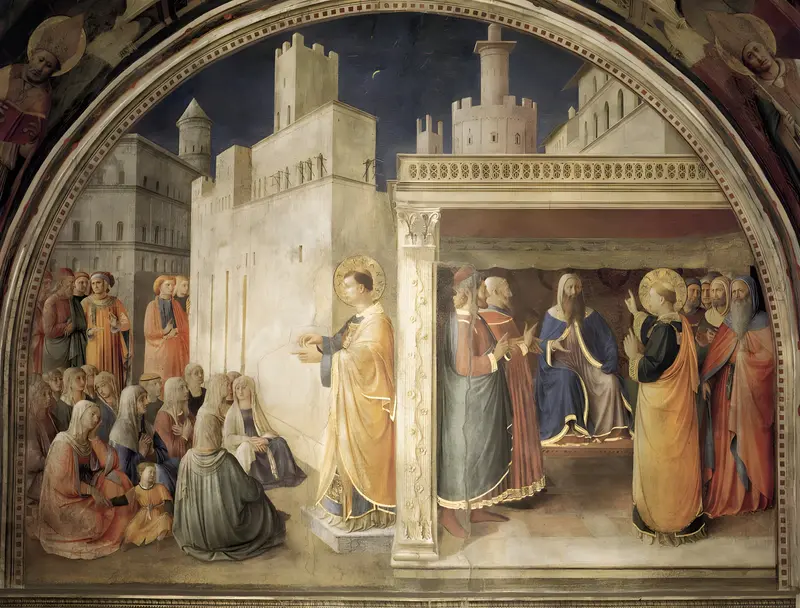
Lunette of the north wall
Fra Angelico
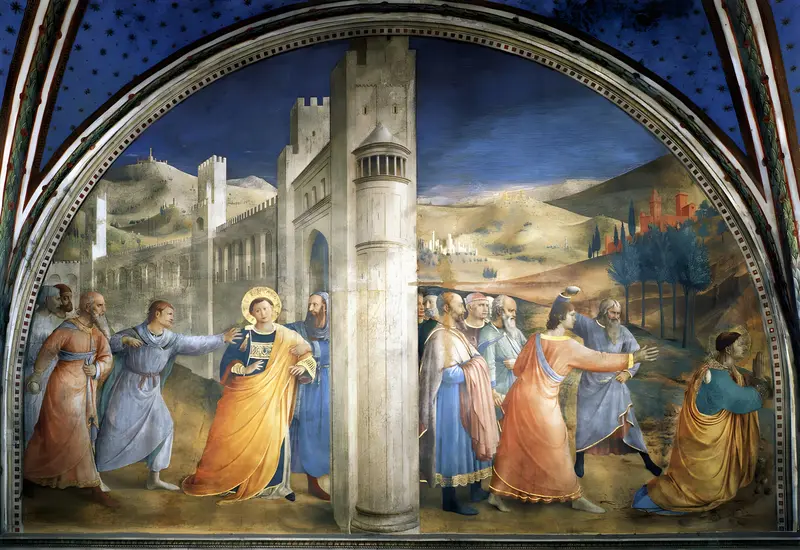
Lunette of the east wall in Niccoline Chapel
Fra Angelico
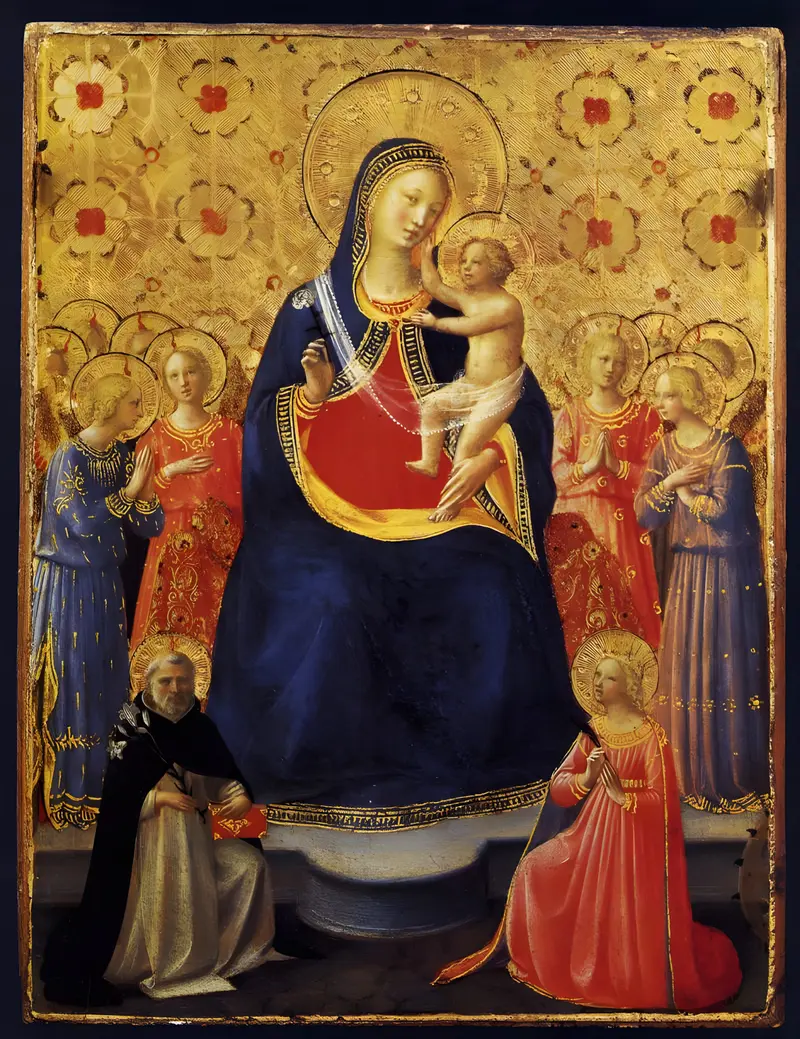
Madonna and Child Enthroned with Nine Angels and Saints Dominic and Catherine of Alexandria
Fra Angelico
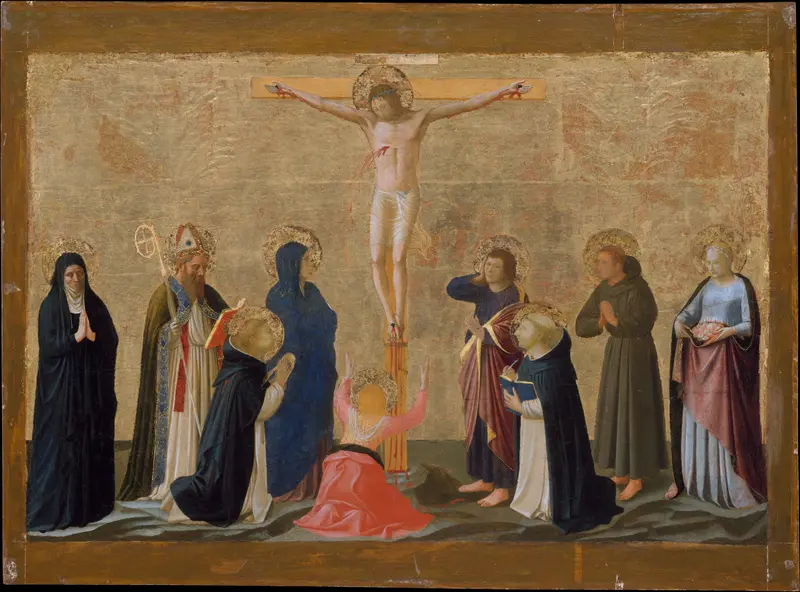
The Crucifixion
Fra Angelico
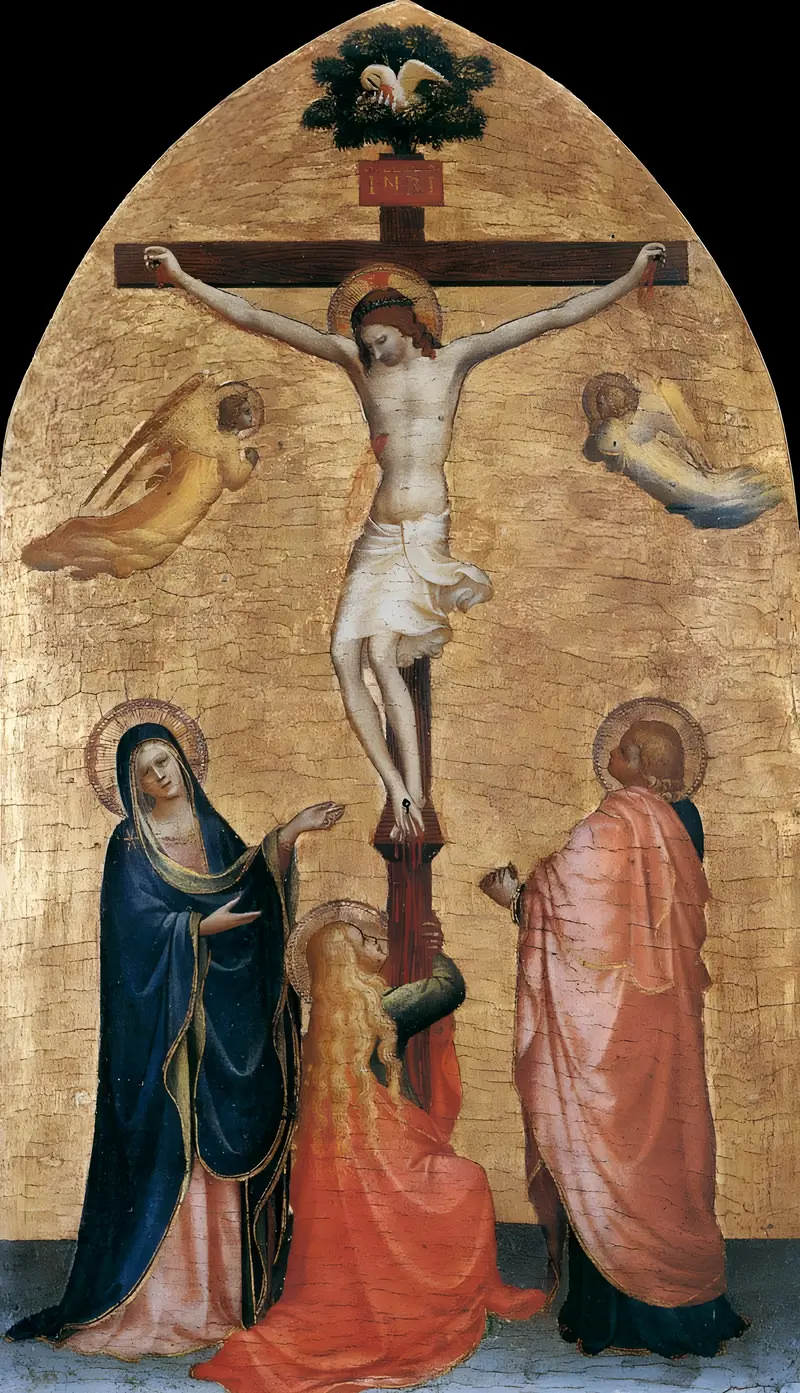
Crucifixion with the Virgin, John the Evangelist, and Mary Magdelene
Fra Angelico
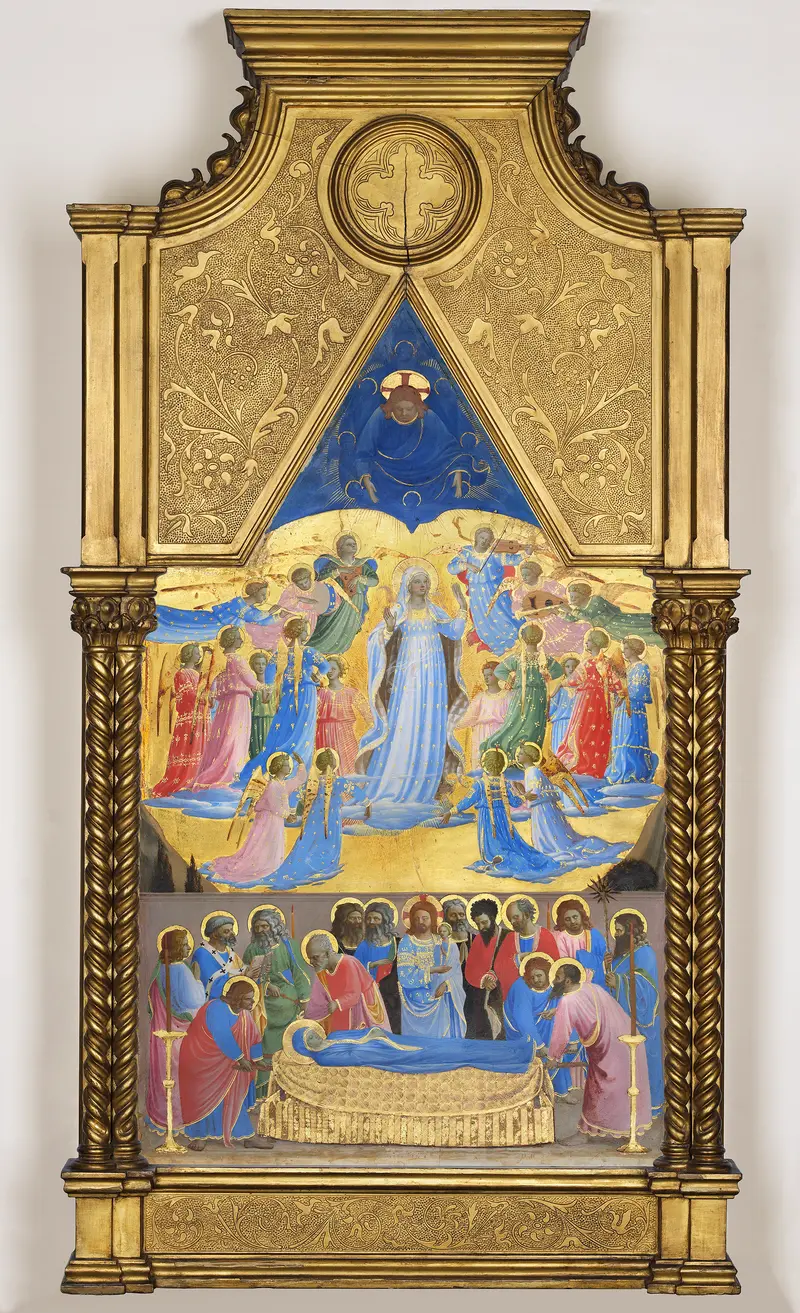
Dormition and Assumption of the Virgin
Fra Angelico
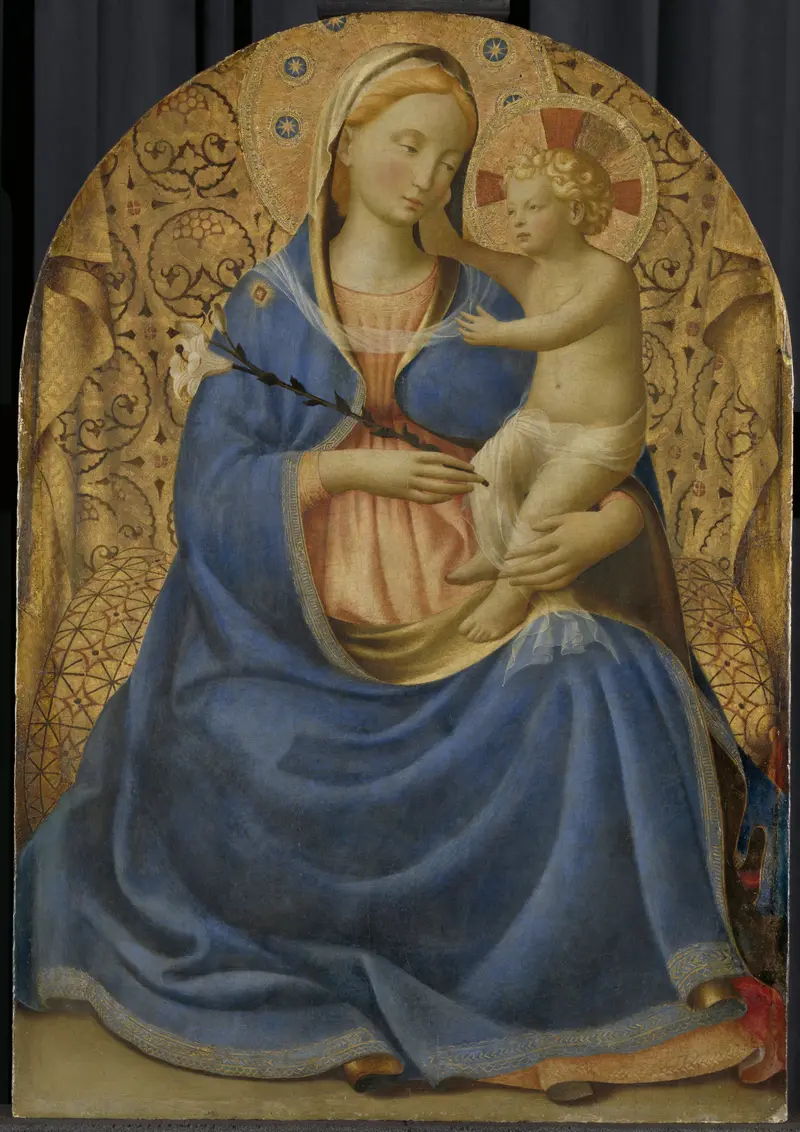
Madonna of Humility
Fra Angelico
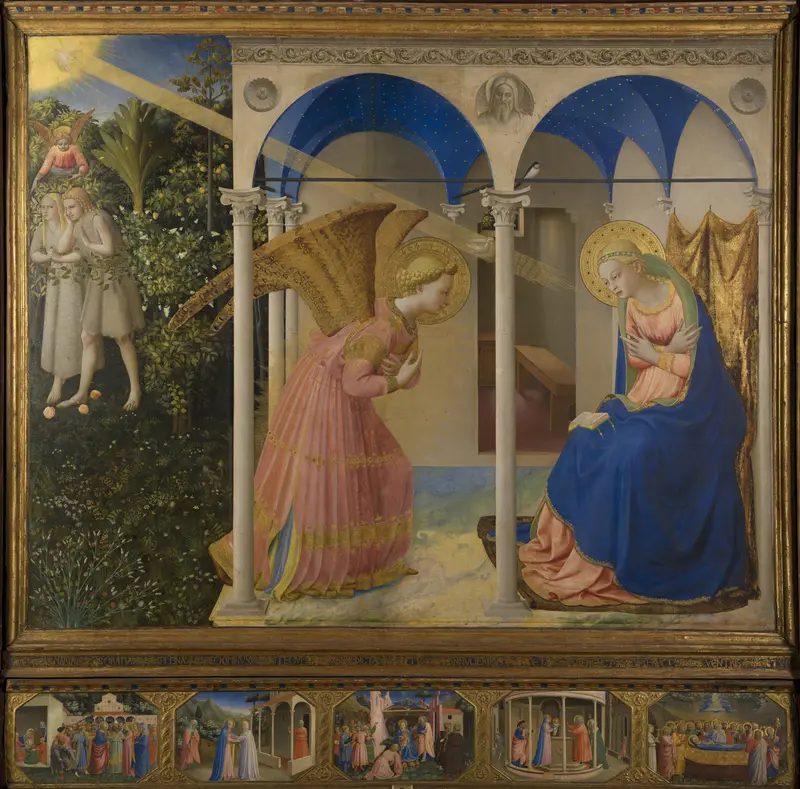
The Annunciation
Fra Angelico

Saint Anthony Abbot
Fra Angelico





