
Vrouw met kind bij de ruïnes van het Colosseum — History & Facts
Who listens when art speaks of silence? In a world often drowned out by noise, the quiet moments captured on canvas invite us to reflect deeply on the essence of existence and human connection. Look to the left where a serene mother cradles her child, their figures gently illuminated by soft, diffused light that filters through the ancient Colosseum’s crumbling stones. The ruins command the background, their weathered majesty contrasting with the tender intimacy shared between the two. Notice the muted color palette—earthy browns and soft grays—that evokes a sense of nostalgia, while the delicate brushwork brings warmth and life to the figures, underscoring their fragile bond amidst a backdrop of decay. Here, the juxtaposition of the living and the remnants of history resonates deeply.
The child’s innocent gaze meets the viewer's, inviting contemplation on the passage of time and the transience of life. The ruins symbolize the weight of history, while the mother embodies nurturing resilience, reminding us that love persists even in the face of inevitable change. This poignant duality enriches the narrative, urging an introspective examination of our own connections and legacies. In 1640, Bartholomeus Breenbergh painted this work during a time of burgeoning interest in classical themes and pastoral scenes in Dutch art.
Living in Rome, he was influenced by both the grandeur of the city's ancient architecture and the emerging genre of landscape painting, blending these elements to create a poignant reflection on heritage and motherhood. The painting captures not just a moment, but a timeless dialogue between past and present.
More Artworks by Bartholomeus Breenbergh
Browse all →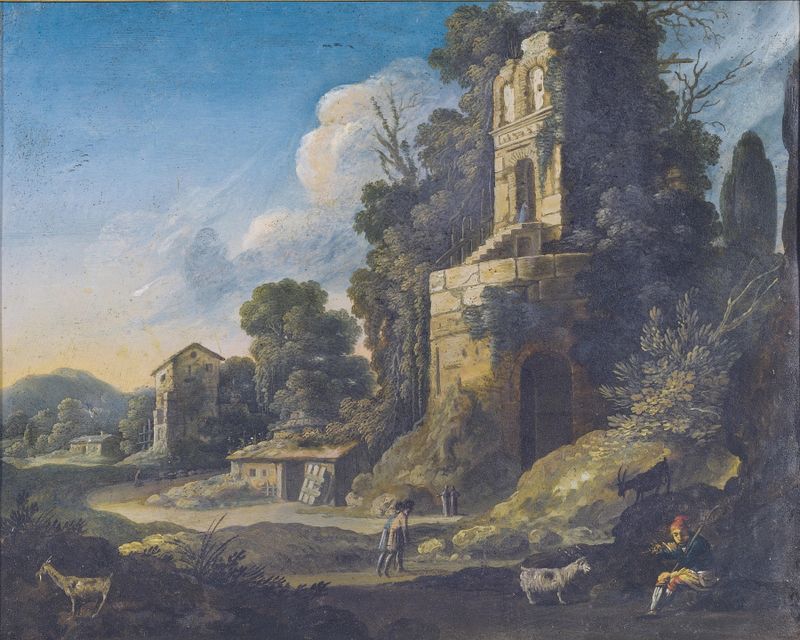
Italianate landscape with buildings and a herdsman playing pipes
Bartholomeus Breenbergh

Arcadian Landscape
Bartholomeus Breenbergh

Ruïnes van keizerlijk paleis te Rome
Bartholomeus Breenbergh

Ruïne van het Colosseum
Bartholomeus Breenbergh
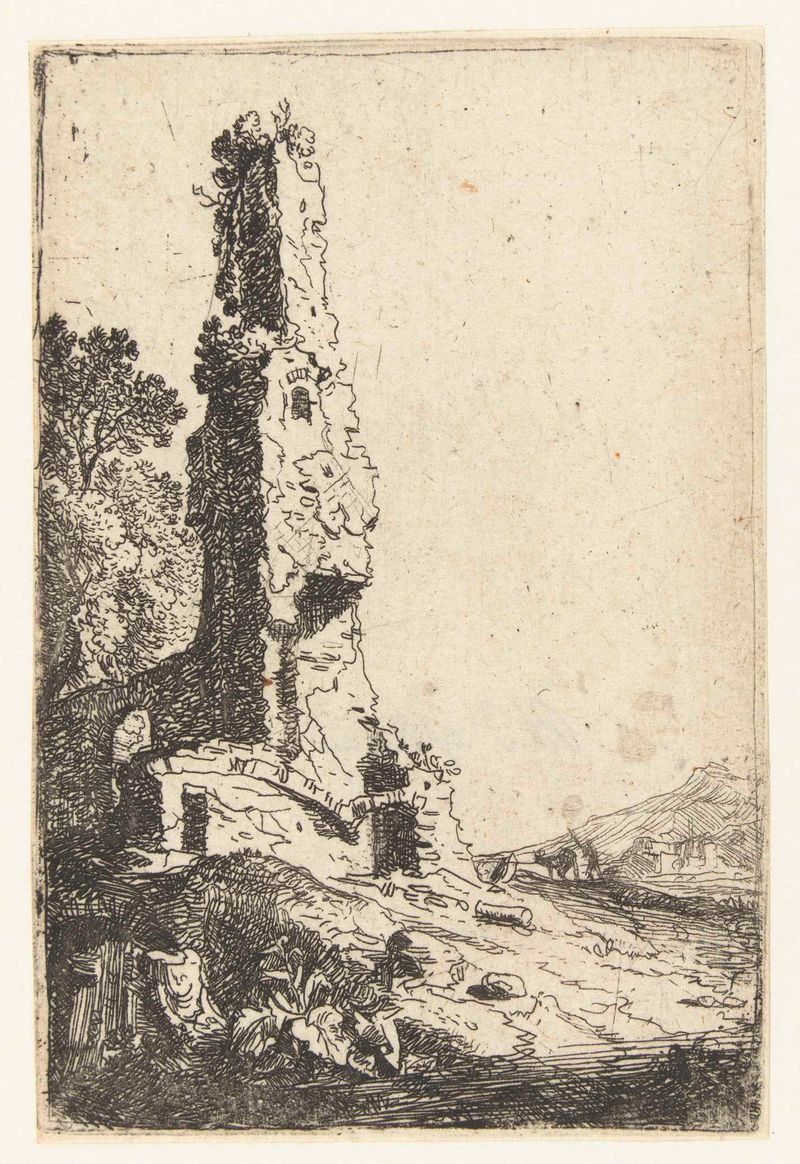
Ruïnes van de stadsmuren van Rome
Bartholomeus Breenbergh
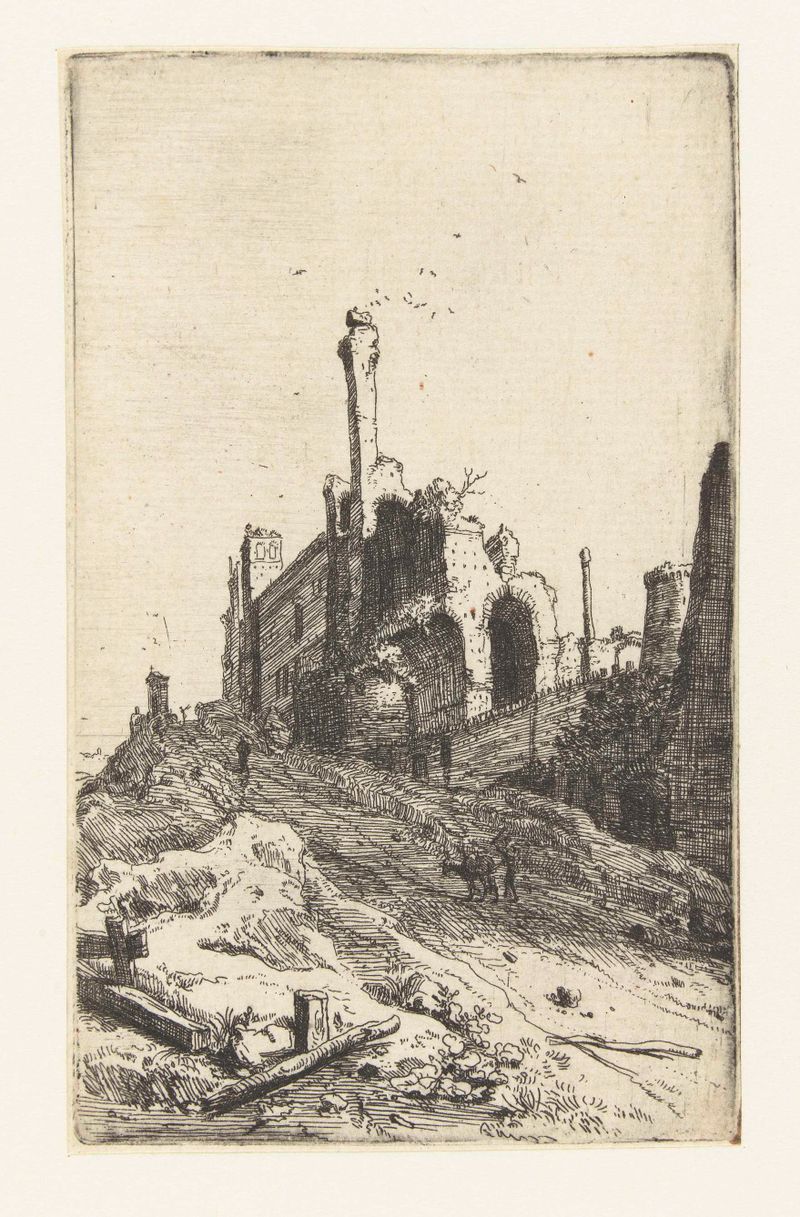
Ruïnes van een paleis te Tivoli
Bartholomeus Breenbergh

Figures Among Ruins By The Tiber
Bartholomeus Breenbergh

Italian Landscape with the Aurelian Wall
Bartholomeus Breenbergh
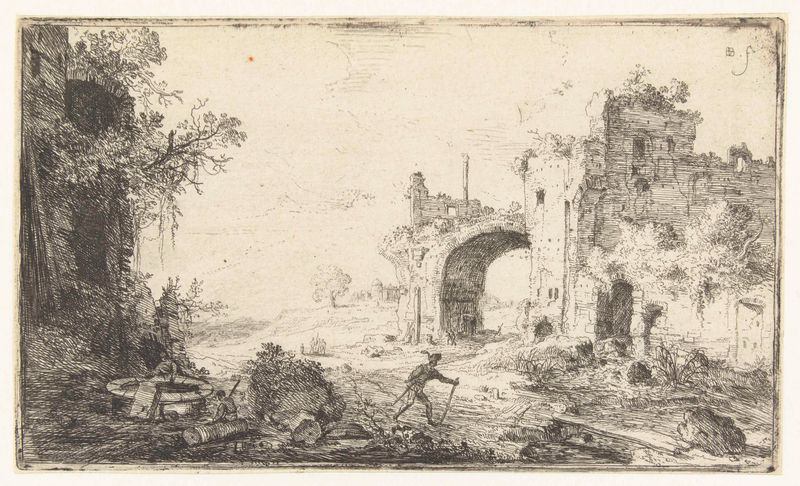
Ruïnes van de thermen van Caracalla
Bartholomeus Breenbergh
Interieur van een grot
Bartholomeus Breenbergh





