
Vue de la fenêtre, Tanger II — History & Facts
In Vue de la fenêtre, Tanger II, Henri Matisse presents a vibrant view of Tangier. The painting is filled with bright colors, primarily blues and greens, depicting the lush landscape outside a window. The scene is lively, with a focus on the interplay of light and shadow.
Matisse's brushwork creates a sense of movement and life in the foliage and sky. The painting is executed in oil on canvas, showcasing Matisse's signature style of bold color and simplified forms. The dimensions are approximately 73 x 92 cm, making it a substantial piece that captures the viewer's attention. The composition is balanced, with a clear foreground and background that invite exploration.
Matisse's technique emphasizes the emotional resonance of the scene rather than strict realism. Henri Matisse painted this work during his time in Tangier, where he was inspired by the vibrant colors and light of the region. This piece is part of a series that reflects his fascination with the landscapes of North Africa. Interestingly, Matisse often used this painting to explore the themes of perception and color theory.
Vue de la fenêtre, Tanger II exemplifies his transition towards a more modernist approach in art.
More Artworks by Henri Matisse
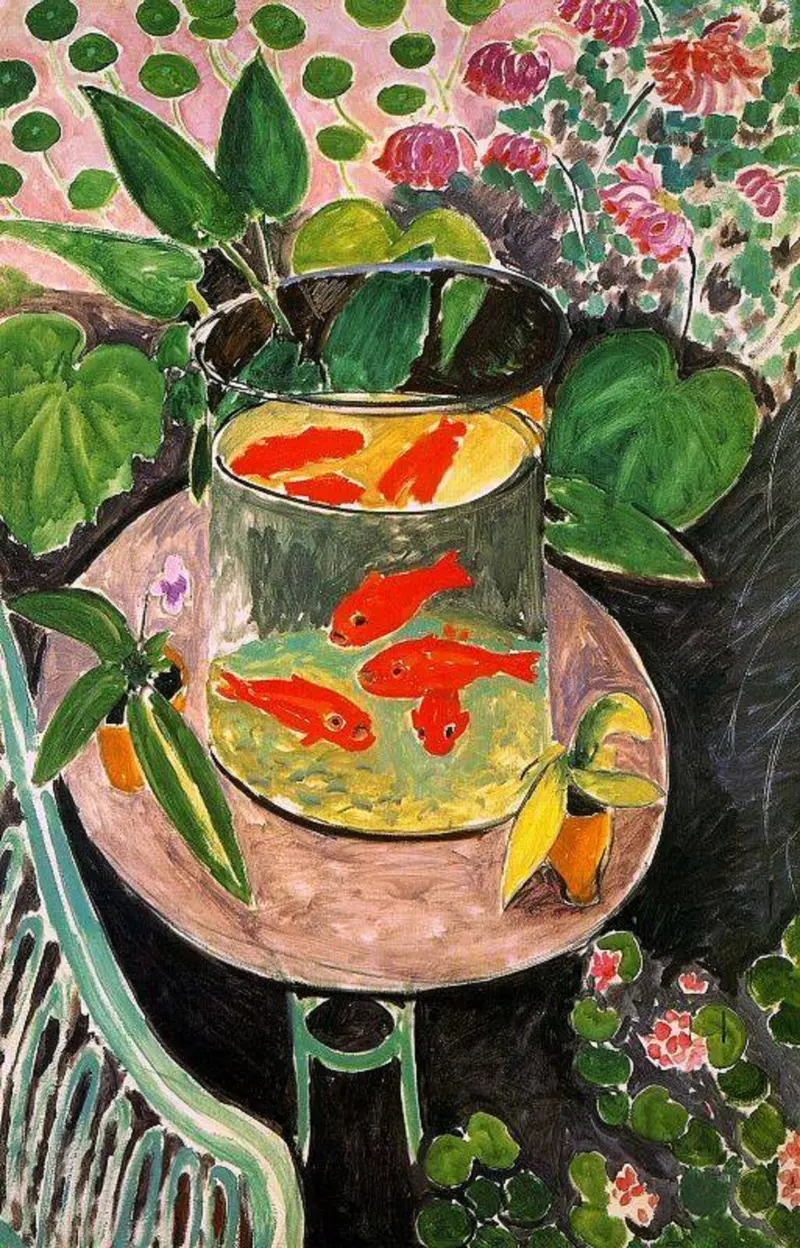
Goldfish
Henri Matisse

Femme au chapeau fleuri
Henri Matisse

Le Bonheur de vivre, also called The Joy of Life
Henri Matisse

Femme près de la fenêtre, Nice
Henri Matisse
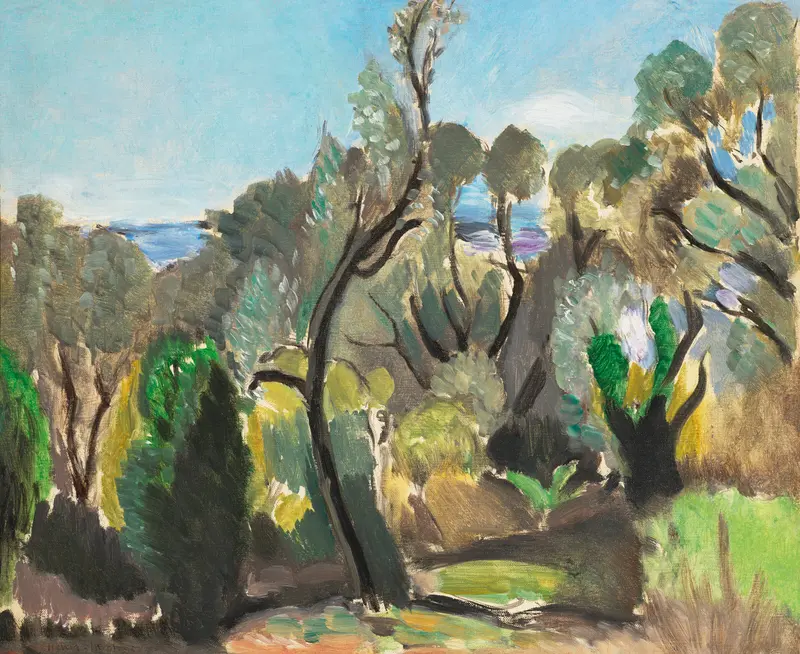
Paysage aux environs de Nice ou Les Oliviers ou Coin du Mont-Boron
Henri Matisse
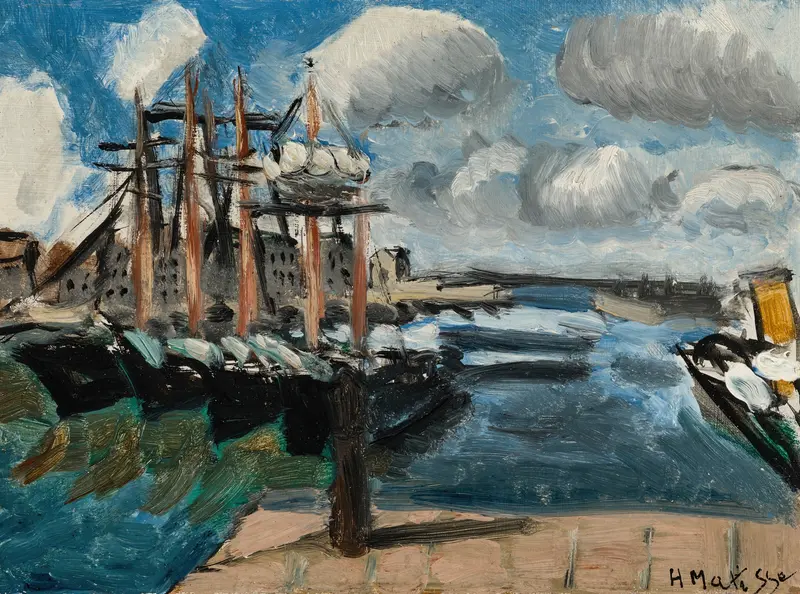
Port de Cherbourg
Henri Matisse

Paysage du Midi
Henri Matisse
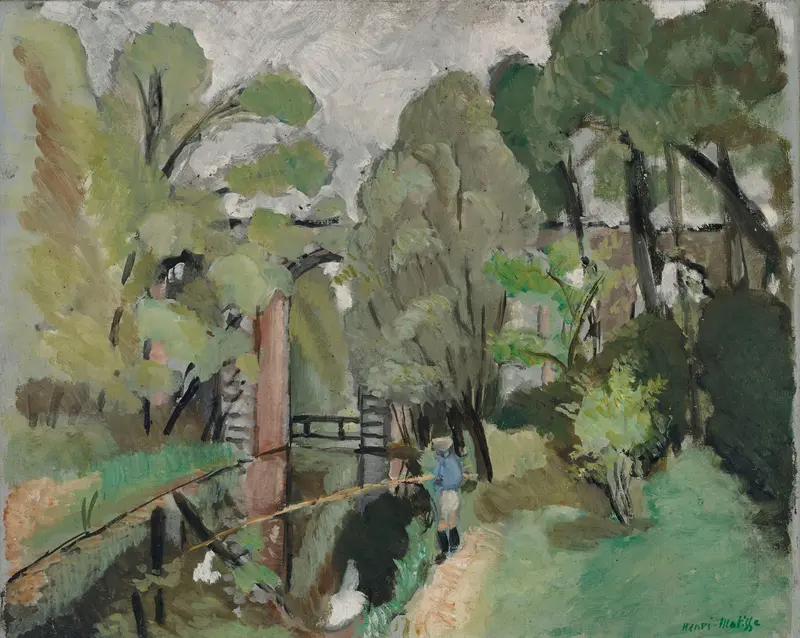
Le Petit pêcheur, Maintenon
Henri Matisse
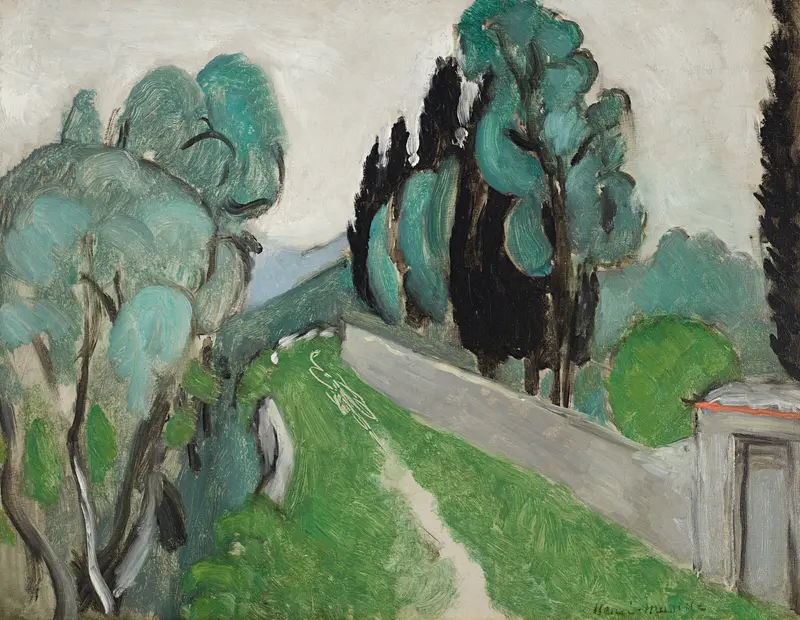
Paysage avec cyprès et oliviers aux environs de Nice
Henri Matisse
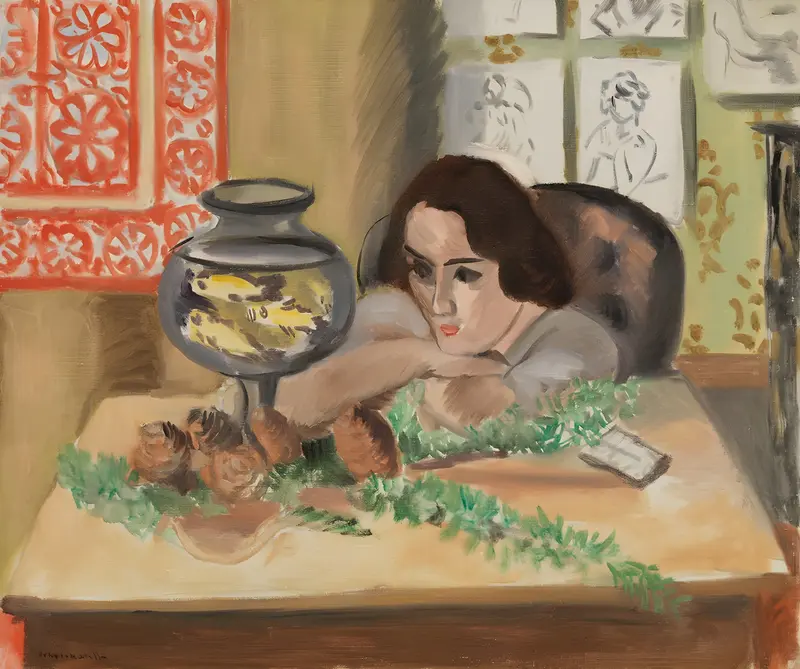
Woman before an Aquarium
Henri Matisse
More Landscape Art

Starry Night
Vincent van Gogh

View of Delft
Johannes Vermeer

Water Lilies
Claude Monet

The Grand Canal, Venice, looking north-west from the Ca' Corner to the Ca' Contarini degli Scrigni, with the campanile of Santa Maria della Carità
Canaletto

Windsor Castle
Canaletto

The Grand Canal looking North-East from the Palazzo Dolfin-Manin to the Rialto Bridge
Canaletto