Vulcanus met hamers en aambeeld — History & Facts
In the realm of creation, where raw power meets delicate skill, one can feel the gravity of existence and transformation. Focus your gaze on the vibrant red background, where the heat of creation pulses with life. The figures of Vulcan and his attendants, depicted with meticulous detail, command your attention as they engage in the sacred act of forging. Notice how the soft glow of the forge illuminates their bodies, casting dynamic shadows that reveal the tension of their labor.
The expressive lines of their muscles and the intensity of their concentration breathe vitality into the scene, drawing you into this moment of creation. Delve deeper into the intricacies; the hammer's arc conveys rhythm, echoing the relentless cycle of destruction and rebirth. Each figure's posture speaks volumes—Vulcan, both powerful and vulnerable, embodies the duality of creation and chaos. The anvil, a symbol of strength, stands resolute at the center, anchoring the emotional landscape.
This tension between the characters and their tools defines the work, inviting contemplation on the nature of artistry and labor. In 1530, Jacob Binck crafted this masterwork amidst the burgeoning Northern Renaissance, a time when artists sought to merge classical ideas with contemporary themes. Working in Antwerp, he was influenced by the burgeoning interest in mythology and humanism. This period marked a significant shift in artistic expression, as creators like him began to explore the profound implications of their subjects, transcending mere representation to touch on deeper truths about the human experience.
More Artworks by Jacob Binck
Browse all →
Portret van Christiaan II, koning van Denemarken
Jacob Binck

Christus en de Samaritaanse vrouw
Jacob Binck
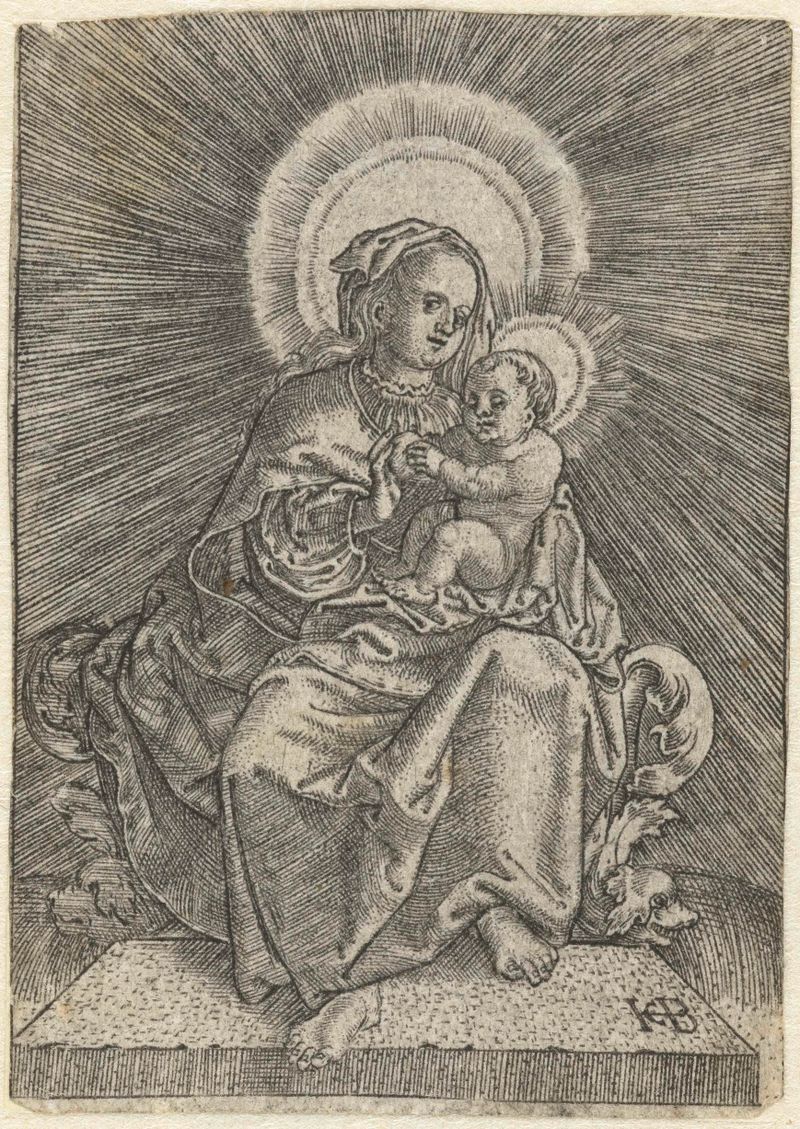
Tronende Maria met kind en appel in stralenkrans
Jacob Binck

Christus op de koude steen
Jacob Binck

Ornament met twee putti op dolfijnen onder een vaas
Jacob Binck
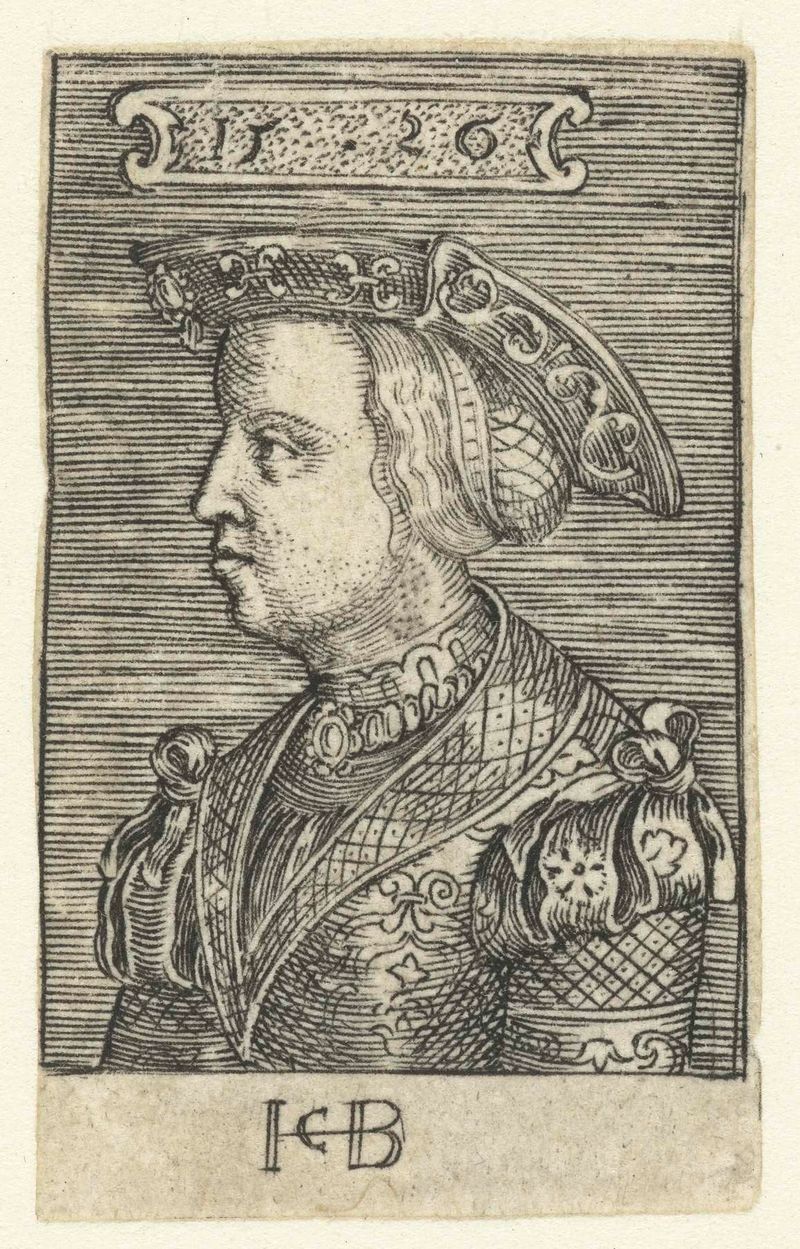
Portret van Claudia van Valois, echtgenote van Frans I
Jacob Binck

Ceres met kroon van korenaren, sikkel, brandende toorts en tweekoppige slang
Jacob Binck
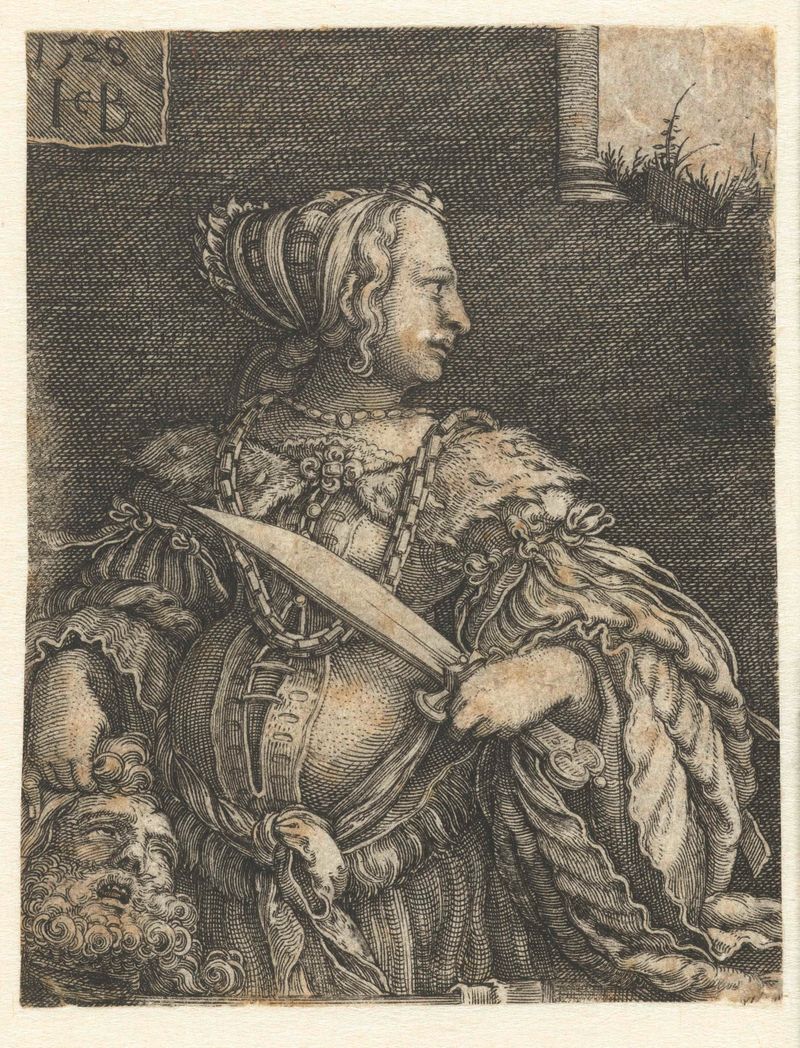
Judith met het hoofd van Holofernes
Jacob Binck
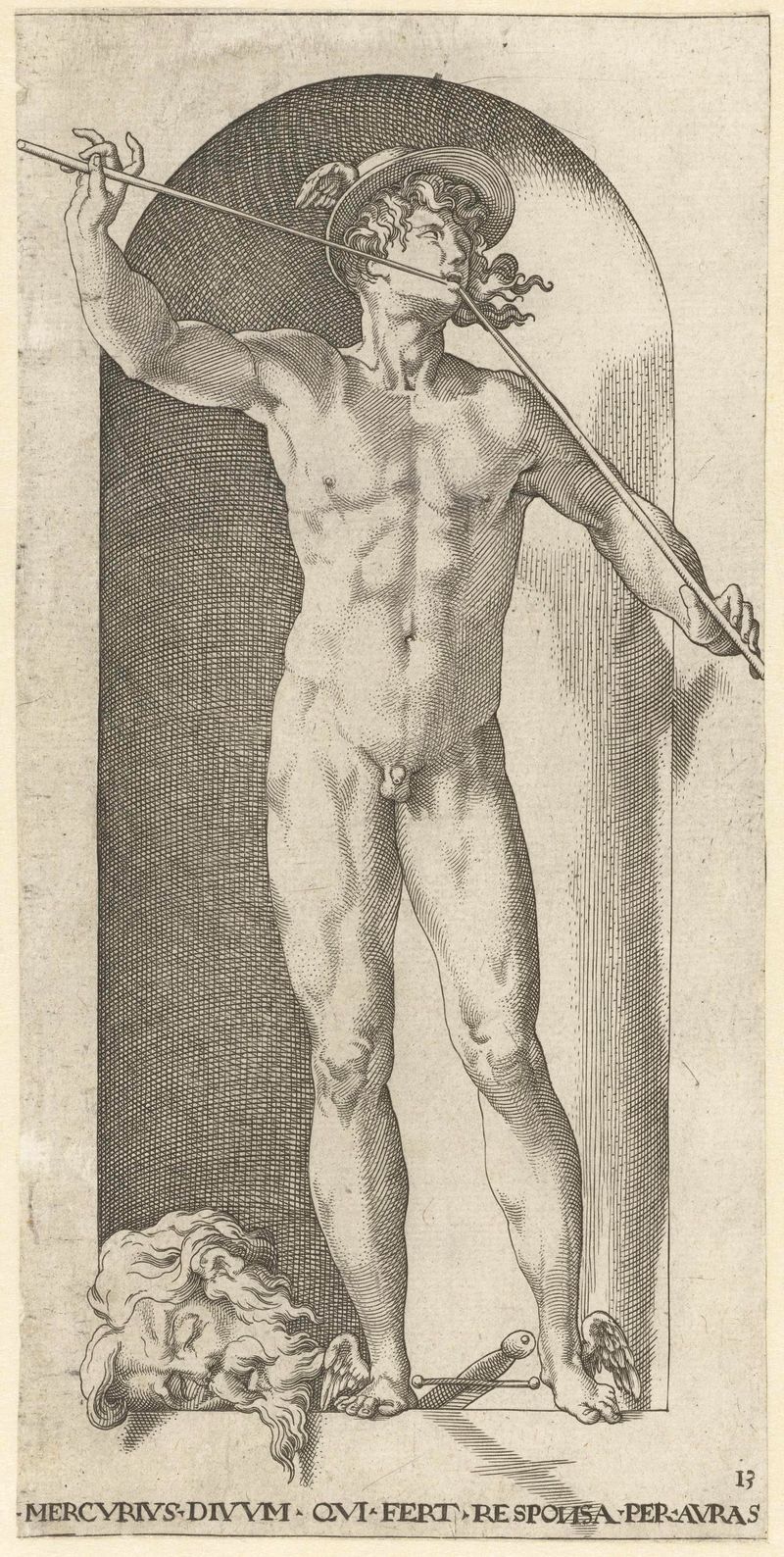
Mercurius met het hoofd van Argus
Jacob Binck

Minerva (Pallas Athena) met Medusahoofd op schild
Jacob Binck