Waldausschnitt — History & Analysis
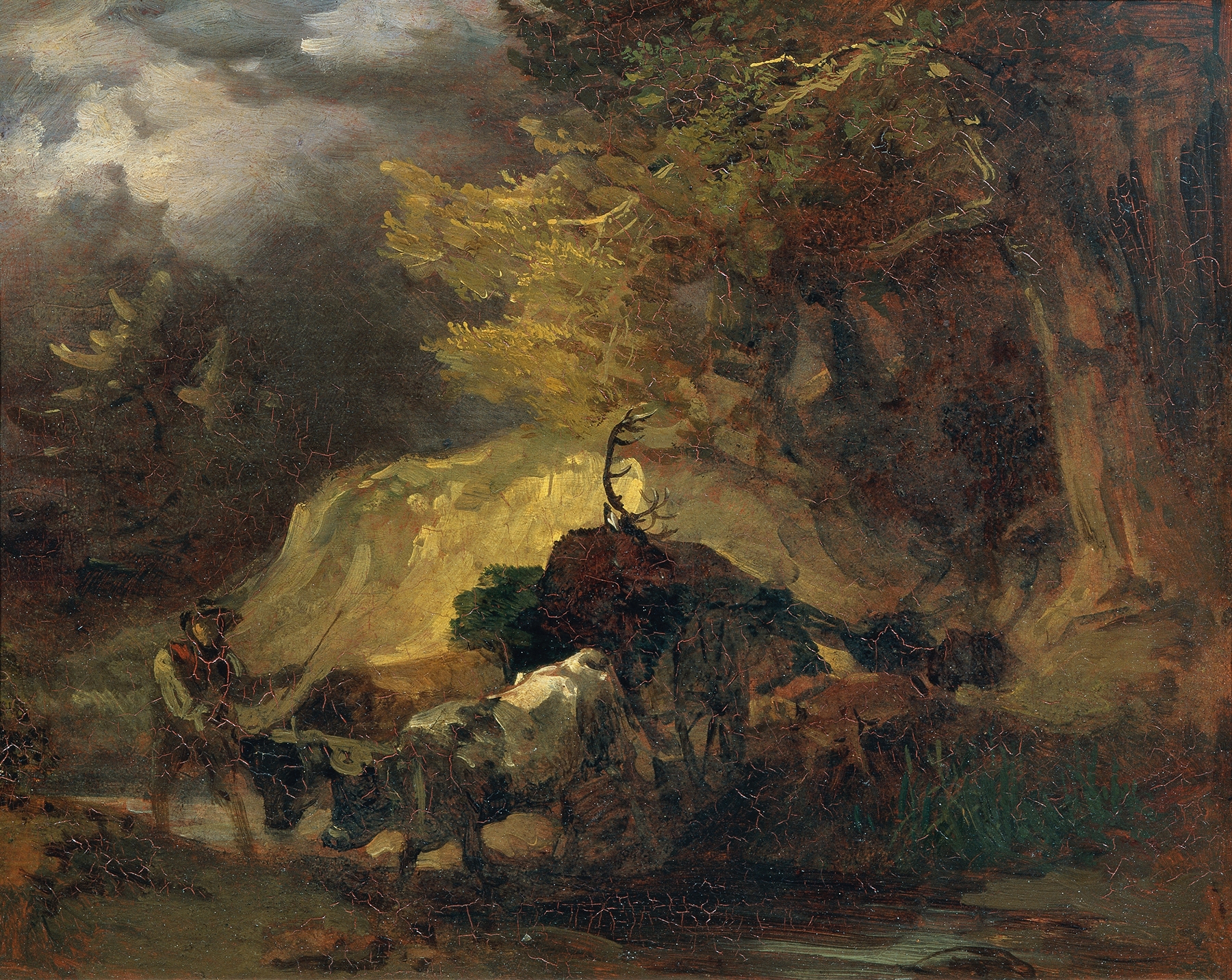
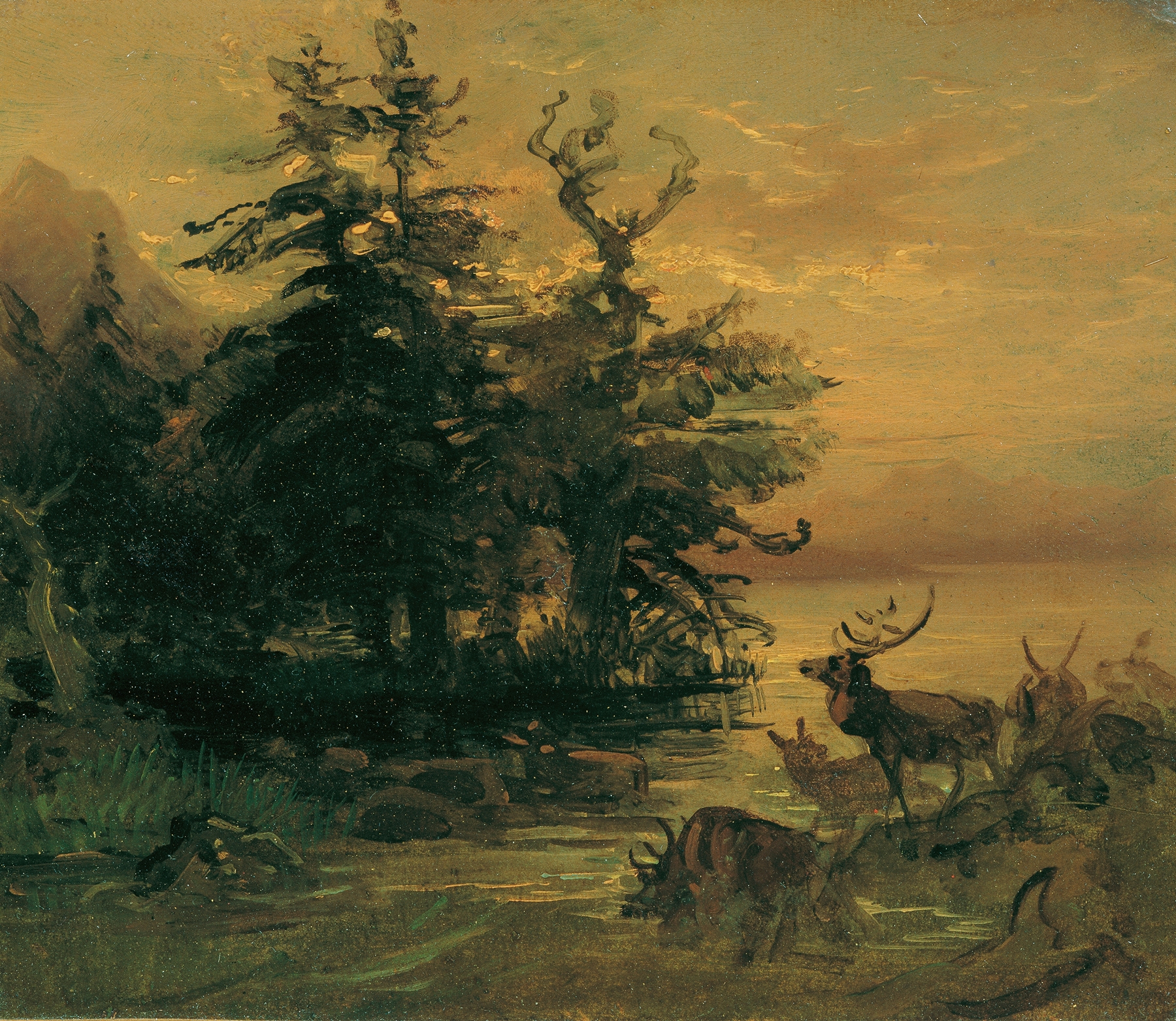
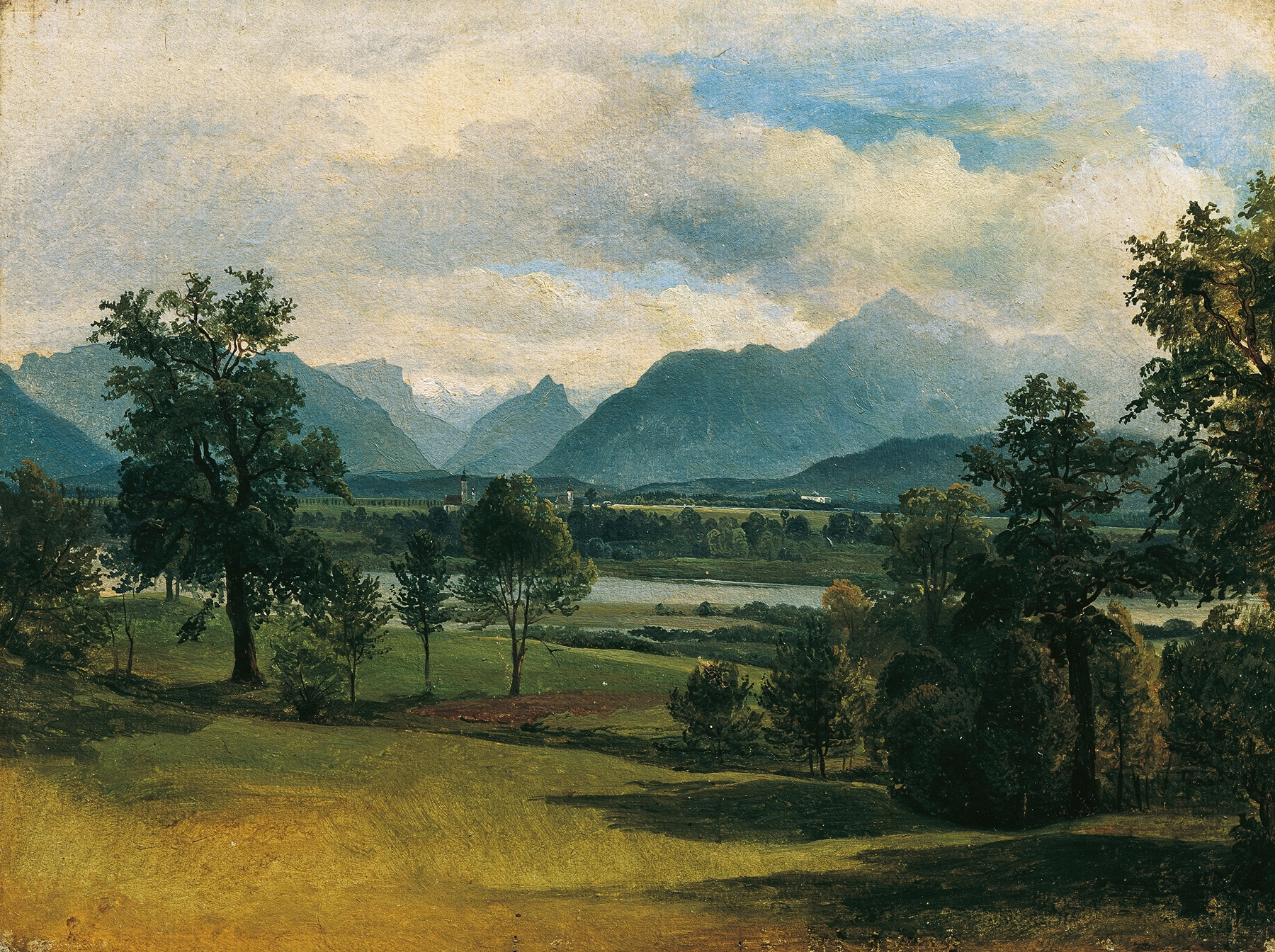
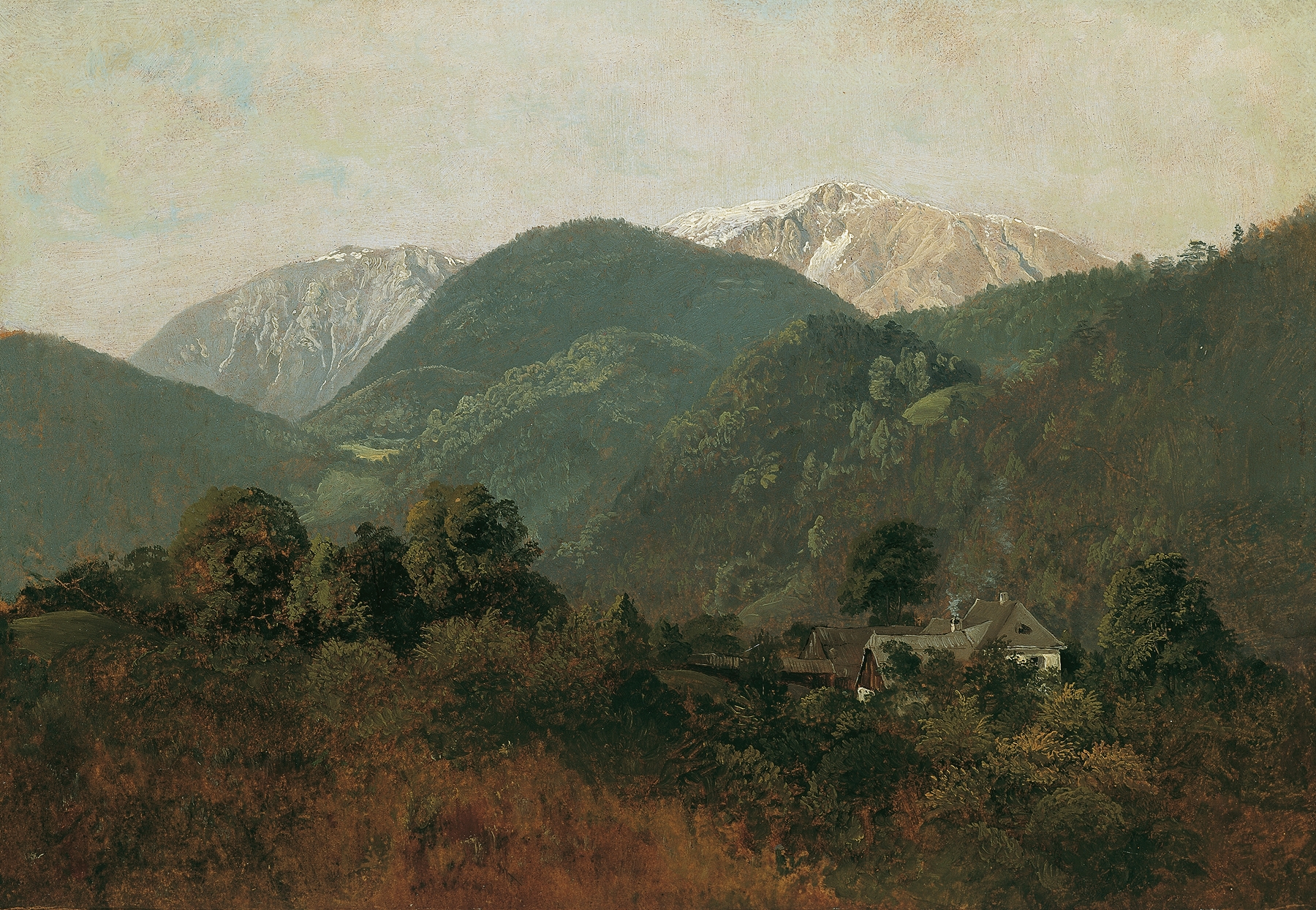
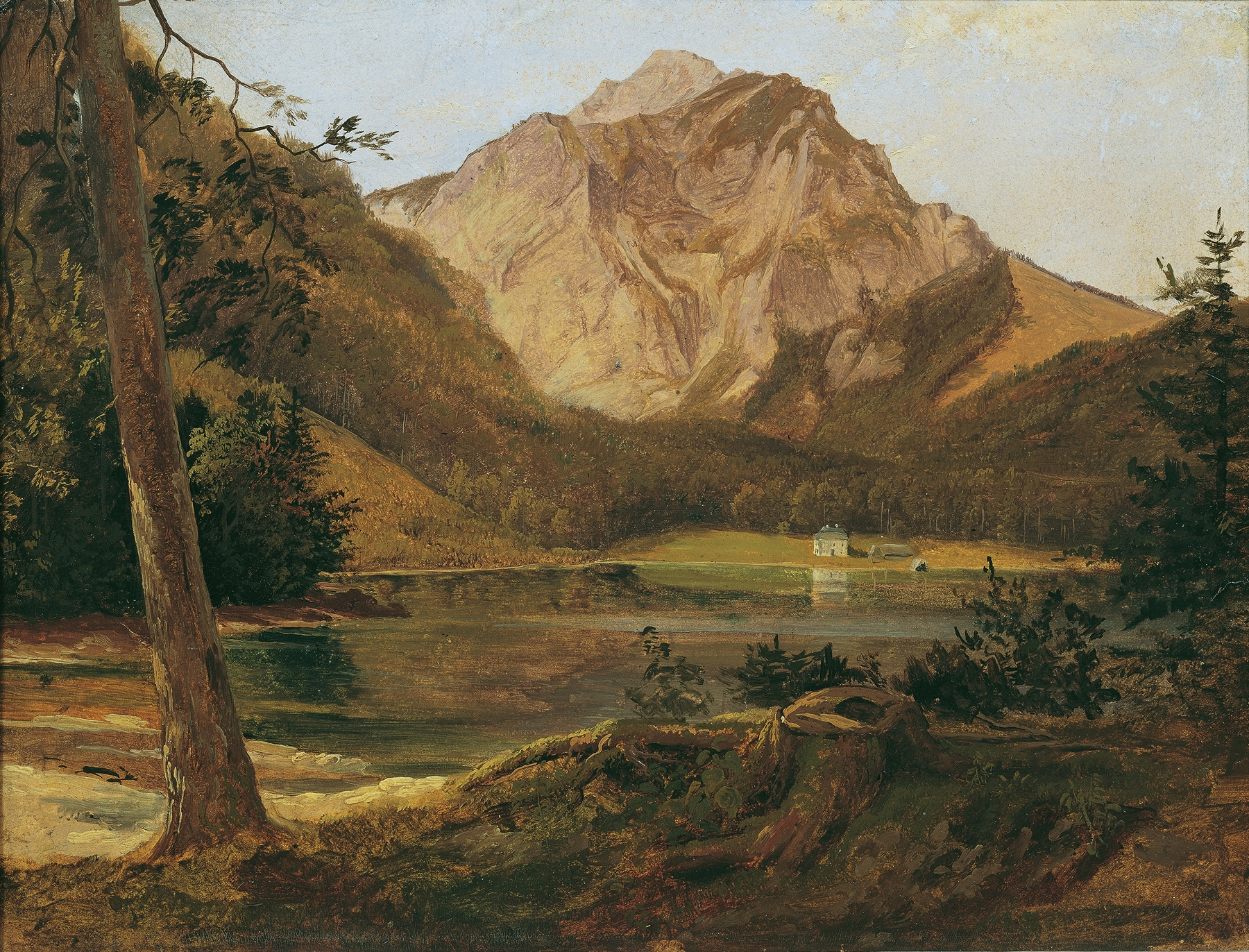
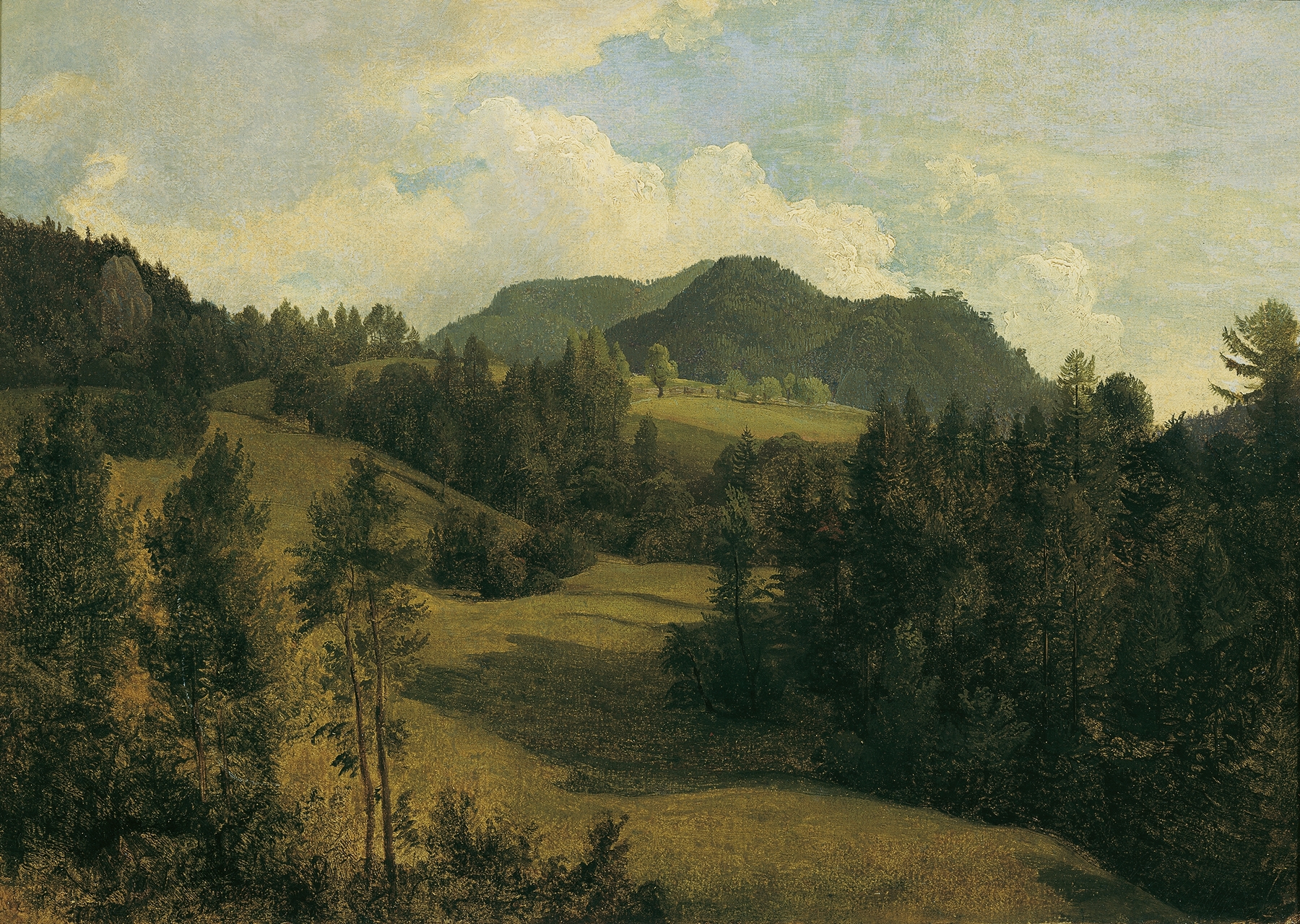
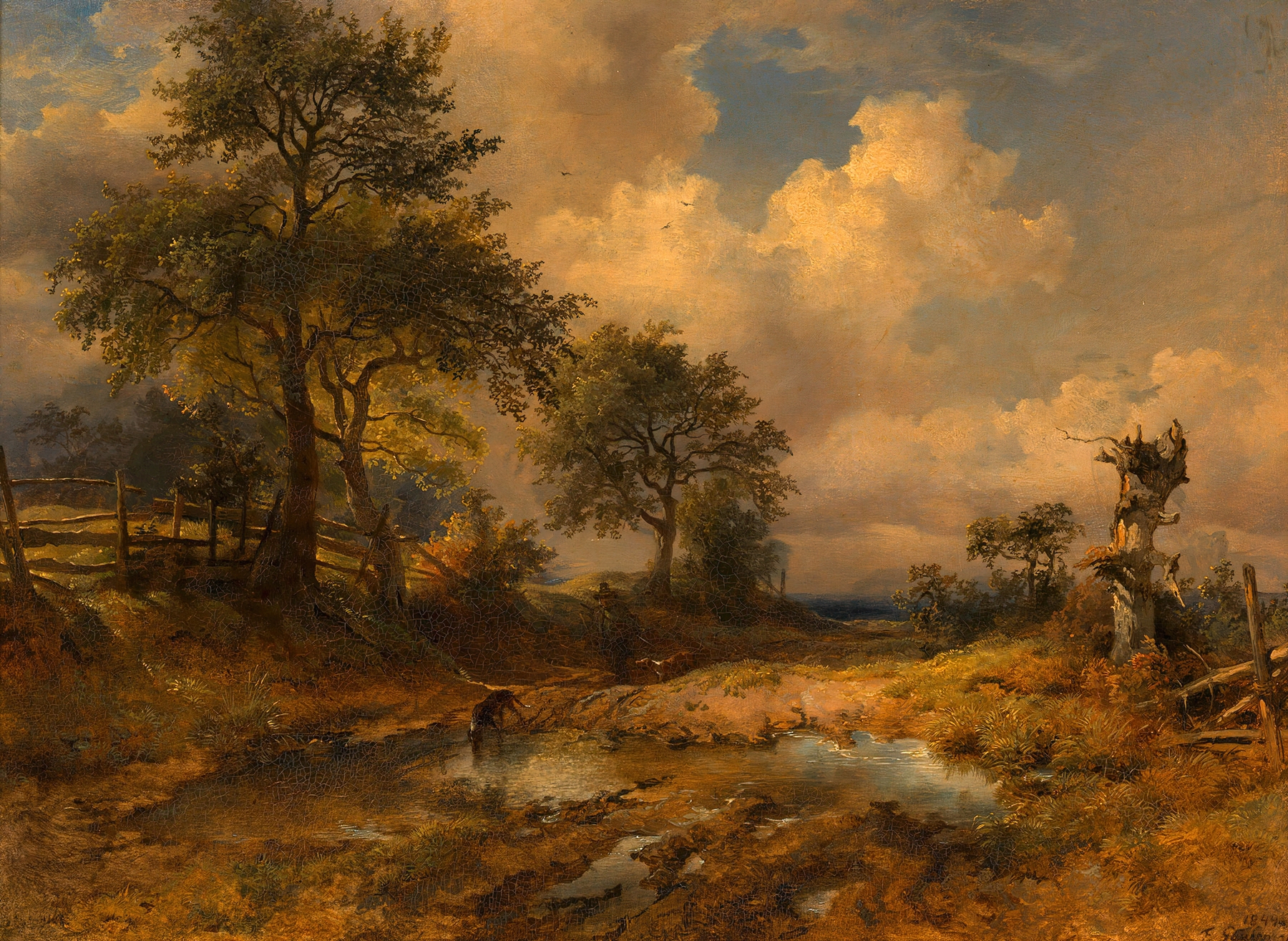
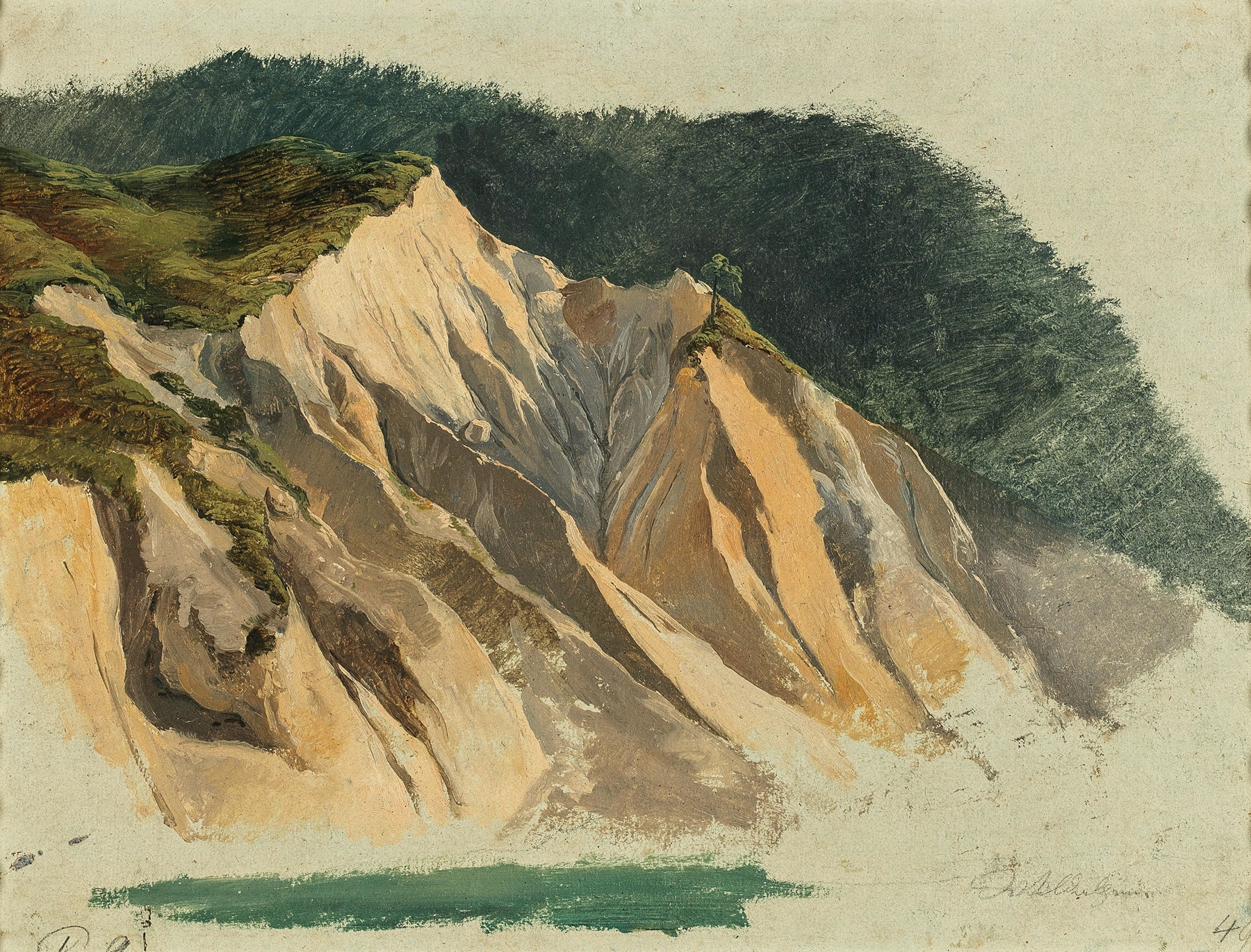
When did color learn to lie? The delicate interplay of hues in this artwork evokes questions of reality and artifice, capturing the viewer's heart with its fragile beauty. Focus on the center, where the soft greens and browns blend together, creating a serene woodland scene that seems to breathe. Notice how the sunlight filters through the leaves, casting intricate patterns on the forest floor. The artist’s skilled brushwork brings a sense of depth and movement, inviting an exploration of every shadow and glimmer.
The colors, though vibrant, exude a whispering gentleness, wrapping the viewer in a warm embrace. Beneath the surface, this tableau speaks of vulnerability and transience. The fragile leaves, caught in a moment of stillness, hint at the inevitable passage of time and the fleeting nature of life. The subtle contrast between the lively greens and the somber earth tones underscores a tension between vitality and decay.
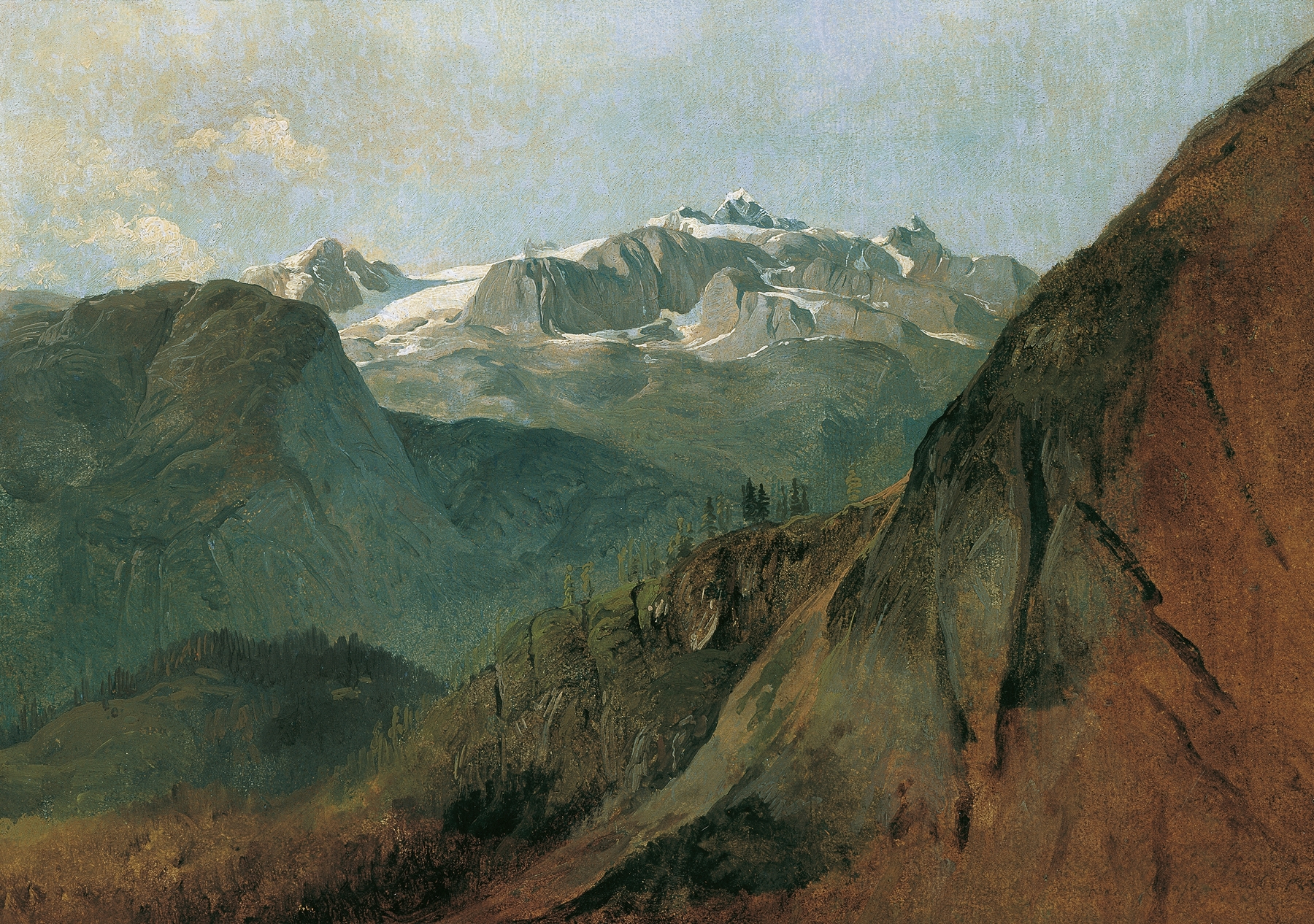
In this balance lies a poignant reflection on existence, urging contemplation of what is often overlooked in our hurried lives. Created in the mid-19th century, this piece emerged during a time of artistic transition in Europe, where the Romantic movement found a new language in the natural world. Gauermann, living in Vienna, was influenced by a growing appreciation for realism and the beauty of everyday scenes. His exploration of landscapes connected deeply to the Romantic ideals of emotion and nature, as he sought to capture not just what the eye sees, but what the heart feels.