
Wartensee — History & Facts
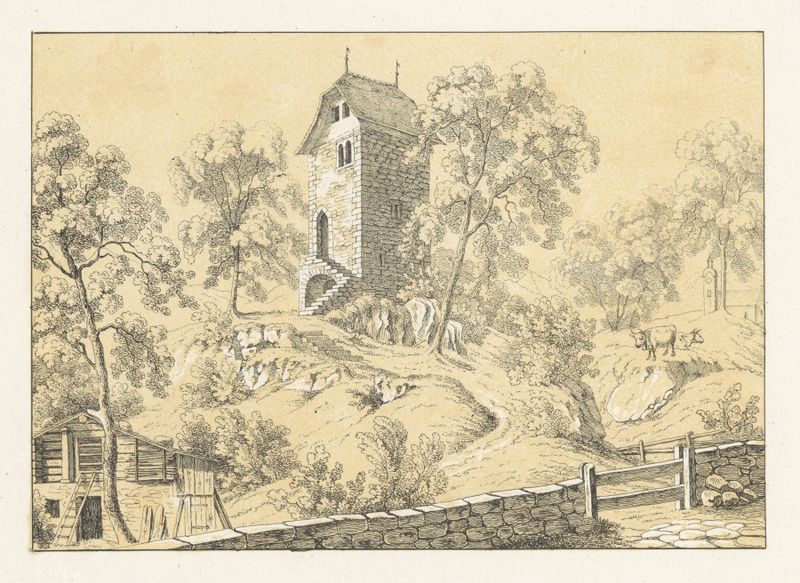
What secret hides in the quiet of the canvas? The stillness of Wartensee invites a deeper exploration of the unspoken, where illusion and reality intertwine seamlessly. Look to the foreground, where the placid waters of the lake mirror the serene landscape. The soft, muted palette of greens and blues creates a tranquil harmony, while the light dances lightly on the surface, evoking a sense of calm. Notice how the distant mountains, rendered in gentle strokes, blur into the horizon, suggesting an ethereal quality that draws the eye deeper into the scene.
The overall composition exudes balance, yet also hints at an ungraspable depth that feels both present and elusive. Within this serene setting lies a tension between the tangible and the ephemeral. The lacy patterns of clouds, scattered across the sky, hint at the transitory nature of life, while the stillness of the water captures a moment frozen in time. The juxtaposition of the vibrant, living landscape and the reflective surface invites contemplation on what lies beneath, suggesting that beauty often conceals hidden depths.
The delicate interplay of light and shadow adds layers of meaning, encouraging viewers to ponder the truths that remain just out of reach. During the years 1840 to 1844, the artist created Wartensee while living in Switzerland, a period marked by a growing interest in the Romantic movement. As artists sought to express the sublime qualities of nature, Wagner’s work emerged from a personal exploration of his surroundings, influenced by the lush landscapes of the Italian and Swiss vistas. This period in art history was a transformative time, where emotional expression began to reshape the landscape of visual representation, and Wagner’s piece serves as a quiet testament to this evolution.
More Artworks by Johann Friedrich Wagner
Browse all →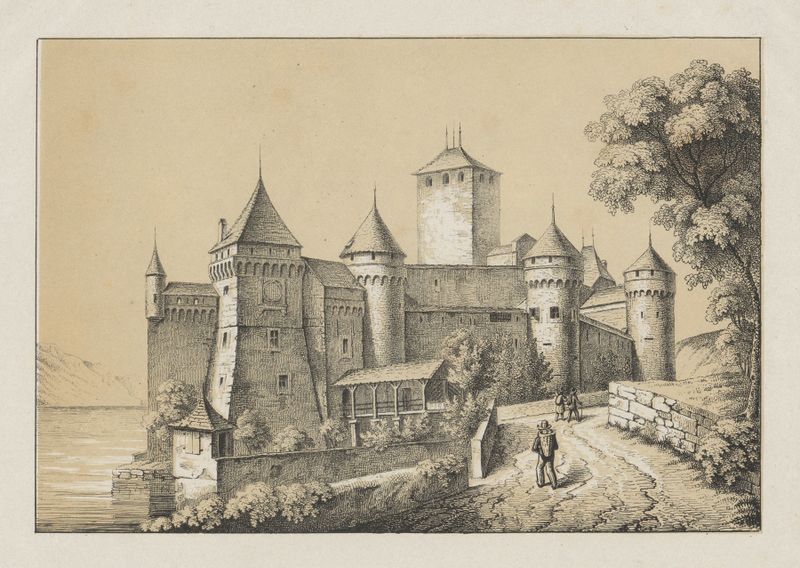
Chillon
Johann Friedrich Wagner

Valangin
Johann Friedrich Wagner
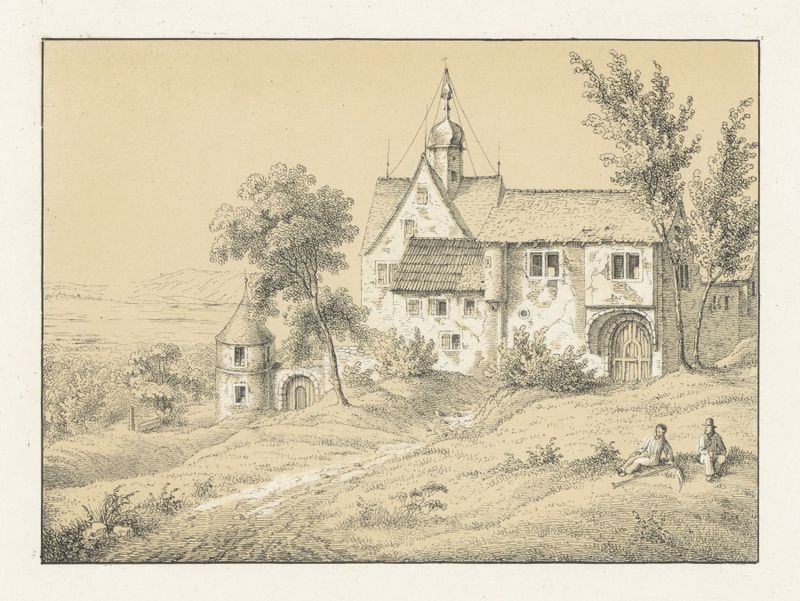
Greifenstein
Johann Friedrich Wagner

Vorburg
Johann Friedrich Wagner
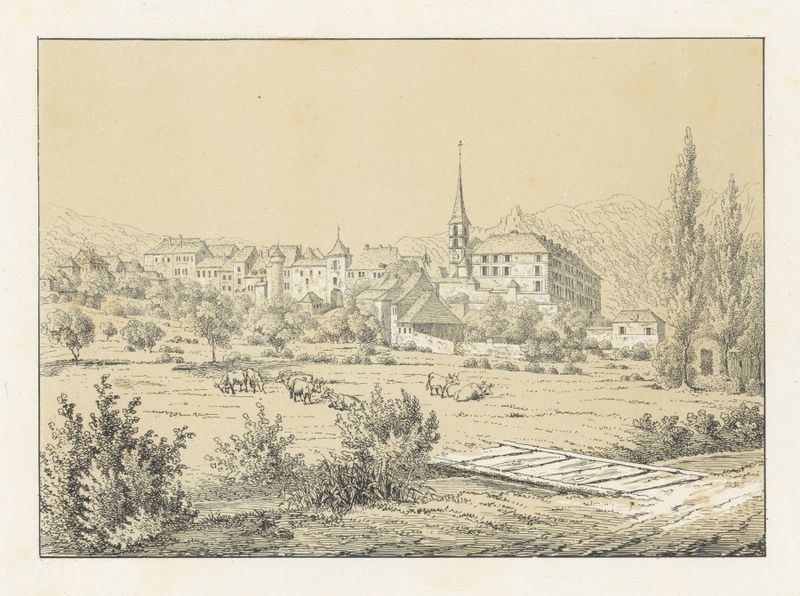
Delémont
Johann Friedrich Wagner

Pleujouse
Johann Friedrich Wagner

Challay
Johann Friedrich Wagner
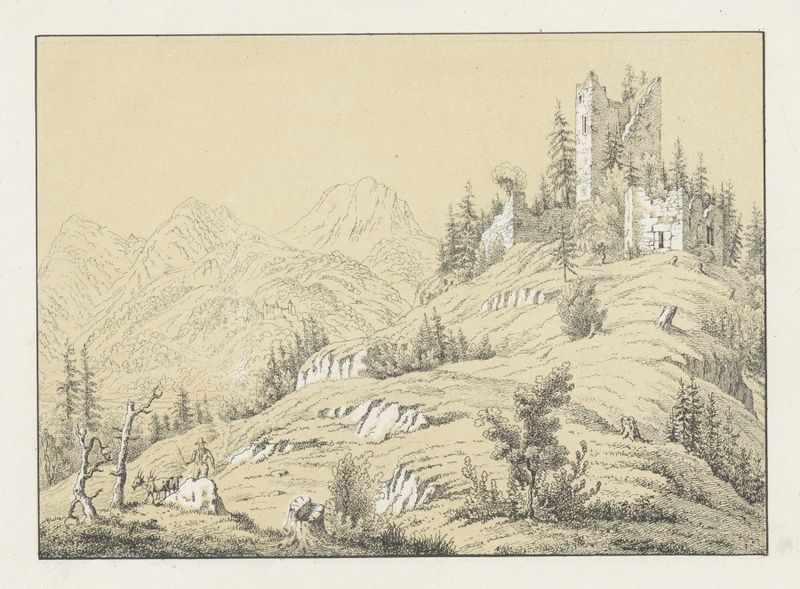
Mont Salvant
Johann Friedrich Wagner
Aha. Od. Untere Burg von Sarnen
Johann Friedrich Wagner
Lausanne
Johann Friedrich Wagner





