
Water mill in Prądnik — History & Facts
A hush seems to hang over the scene, broken only by the rush of water tumbling over the mill wheel. The first thing that draws the eye is the play of light on the falling water—an almost silvery cascade that stands out against the deep, enveloping browns of timber and shadow. The structure of the mill is rendered with a rough, almost tactile honesty: beams lean at odd angles, the wheel is half-swallowed by gloom, and a set of makeshift ladders and planks suggest a world built by hand, shaped by necessity rather than design.
High above, a solitary figure on the bridge is barely more than a silhouette, yet their presence hints at daily life continuing quietly in the background. The palette is earthy, subdued, as if the entire scene is steeped in the damp air and cool shade of the mill’s shelter. Works like Water mill in Prądnik, painted by Aleksander Kotsis between 1865 and 1870, belong to a moment when artists across Central and Eastern Europe turned their gaze to the rural and the everyday. Such paintings were rarely grand commissions; instead, they were often created for a growing middle class eager for images of the familiar countryside, or as studies by artists seeking to capture the fleeting effects of light and labor.
The Muzeum Śląskie, which now holds this work, preserves it as part of a wider record of the region’s changing landscape and ways of life. History has kept few traces of the individual mills and workers who inspired such scenes, but the painting’s quiet focus invites the viewer to linger, listening for the stories that might still echo in the shadows and water.
More Artworks by Aleksander Kotsis

Trip in the Tatra Mountains
Aleksander Kotsis

Fair in Nowy Targ
Aleksander Kotsis
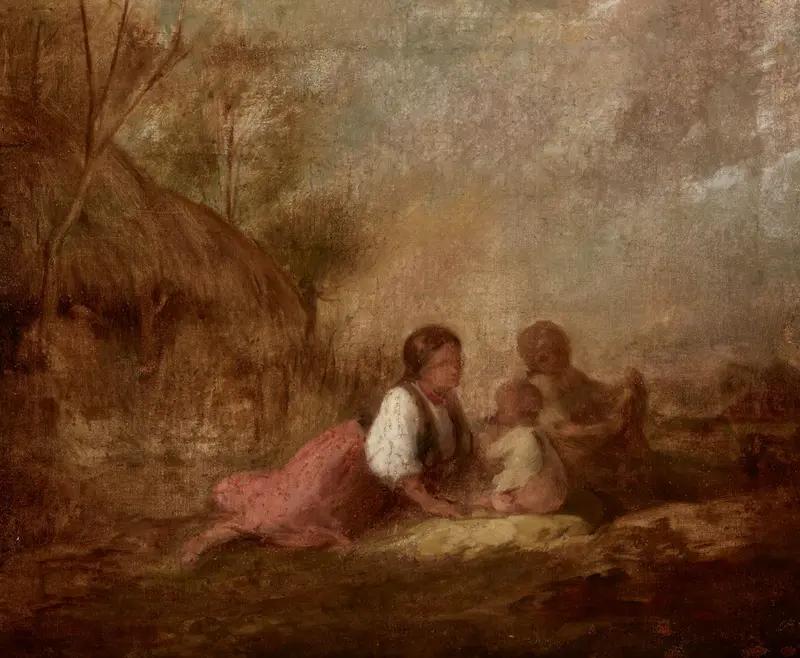
Pastoral Scene
Aleksander Kotsis
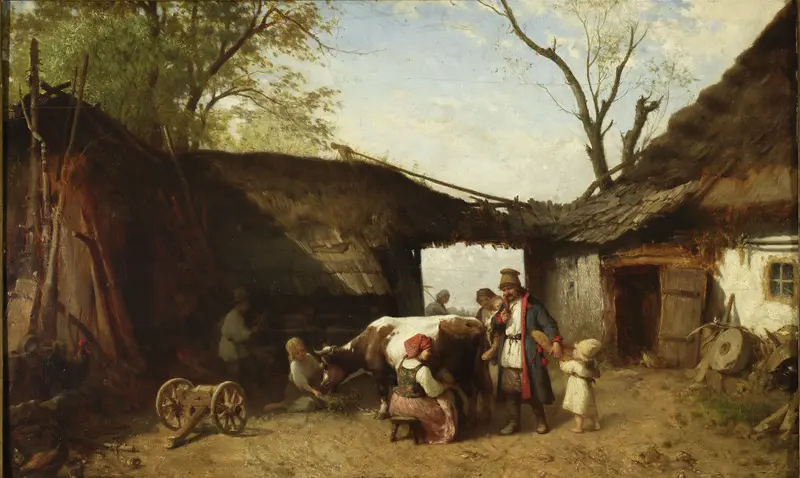
In the farmyard
Aleksander Kotsis
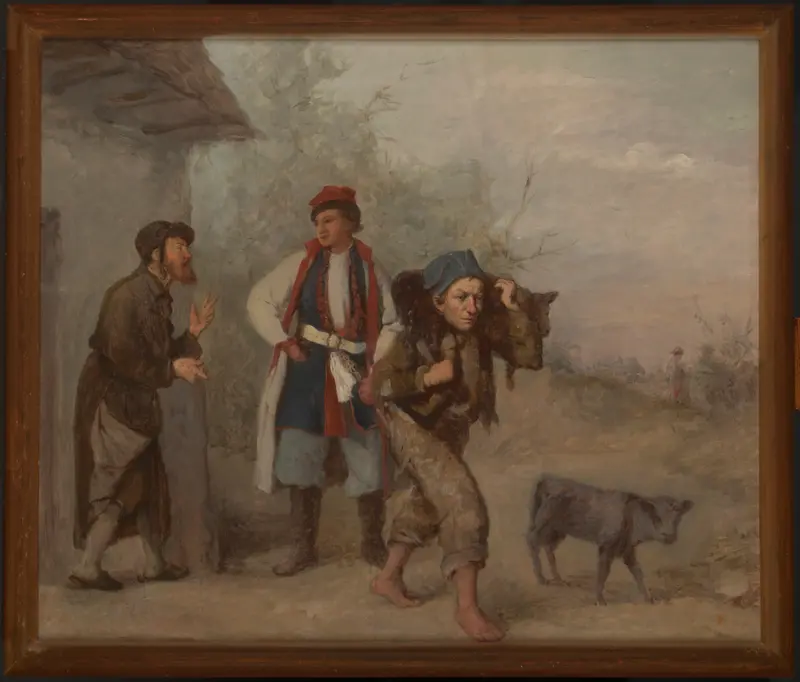
Haggling over a Calf
Aleksander Kotsis
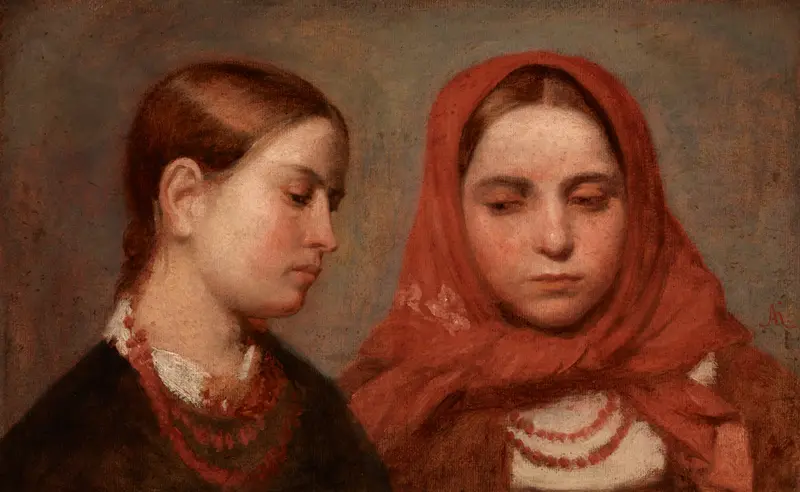
Heads of Two Young Girls
Aleksander Kotsis
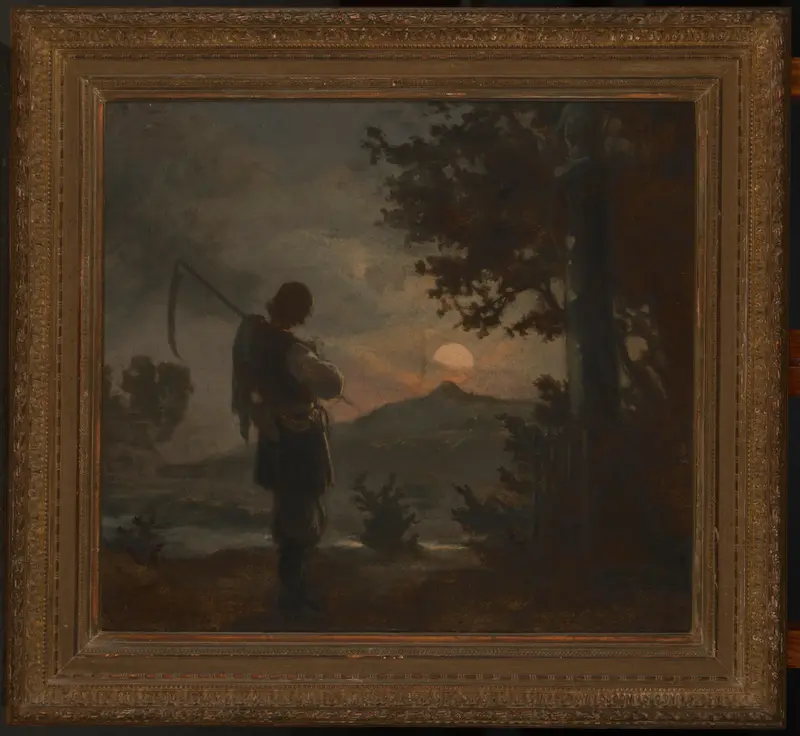
Haymaker
Aleksander Kotsis
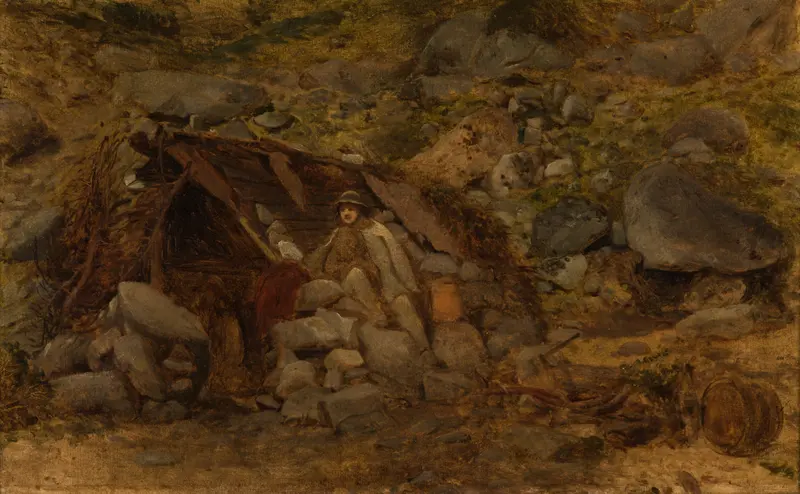
Highlander in Front of a Hut
Aleksander Kotsis
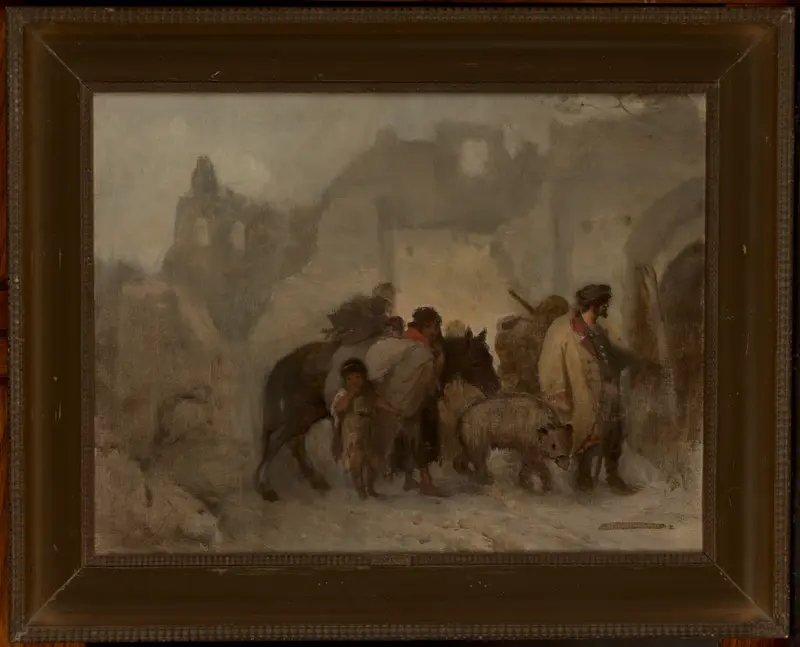
Gypsies
Aleksander Kotsis
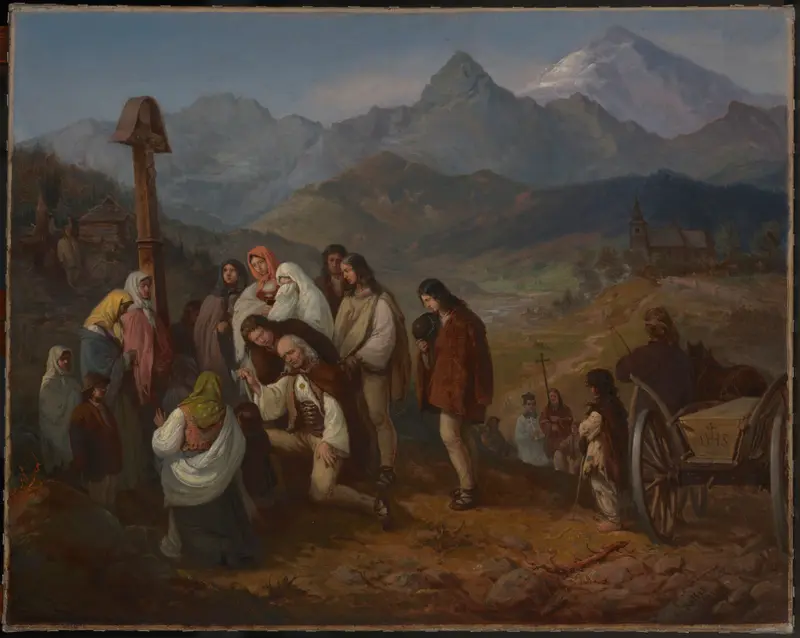
A Highlander's Funeral
Aleksander Kotsis
More Landscape Art

The Starry Night
Vincent van Gogh

View of Delft
Johannes Vermeer

Water Lilies
Claude Monet

The Grand Canal, Venice, looking north-west from the Ca' Corner to the Ca' Contarini degli Scrigni, with the campanile of Santa Maria della Carità
Canaletto

Windsor Castle
Canaletto

The Grand Canal looking North-East from the Palazzo Dolfin-Manin to the Rialto Bridge
Canaletto