
Weidendes Vieh in Holland — History & Facts
In the serene expanse of a pastoral landscape, tension simmers beneath the surface. A simple yet profound scene unfolds, revealing the unseen struggle between nature’s tranquility and the hidden violence that disrupts it. Each brushstroke whispers of conflict, while the pastoral stillness begs the question: what lies beneath this calm facade? Focus on the gentle curves of the grazing cattle, their shapes softened by the warm light that bathes the scene.
Notice how the sunlight filters through the trees, creating dappled patterns on the ground, drawing your eye to the harmonious interaction between animals and their surroundings. The muted greens and earthy tones of the landscape contrast with the starkness of the figures, evoking a poignant sense of vulnerability amid apparent peace. Yet lurking within this bucolic setting is a palpable tension. The grazing animals, while seemingly at ease, reflect the fragility of life in an ever-competitive world.
Their stillness speaks to a momentary pause before potential upheaval—a reminder of nature’s brutal cycles. The vast sky looms overhead, hinting at an approaching storm that threatens to disrupt the idyllic environment. This juxtaposition of calm and chaos reveals both the beauty and violence intertwined within the natural order. In 1875, the artist found himself in Vienna, surrounded by an art world in transition, as the Romantic ideals began to yield to realism.
Schindler's works from this period often reflect a deep engagement with the landscapes of his homeland, marrying romanticism with a more objective depiction of nature. The influences of contemporary movements can be felt in Weidendes Vieh in Holland, illustrating the artist’s exploration of pastoral life while grappling with the underlying complexities of existence.
More Artworks by Emil Jakob Schindler
Browse all →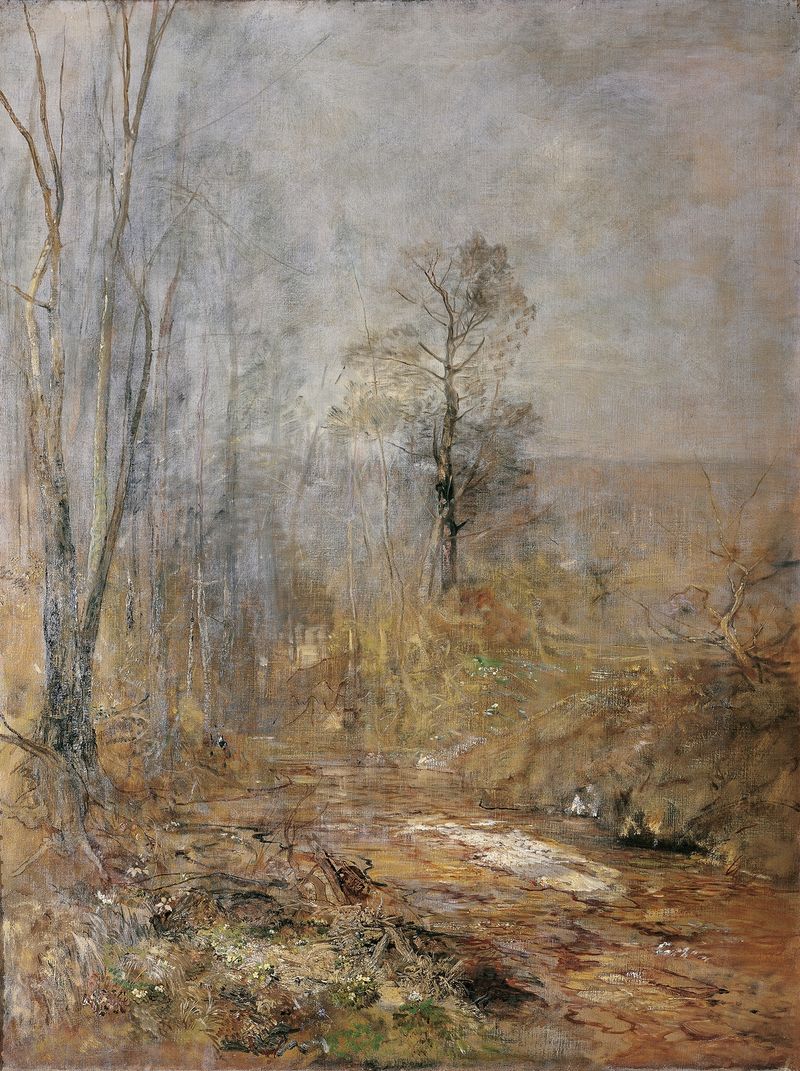
Märzstimmung – Vorfrühling im Wienerwald
Emil Jakob Schindler
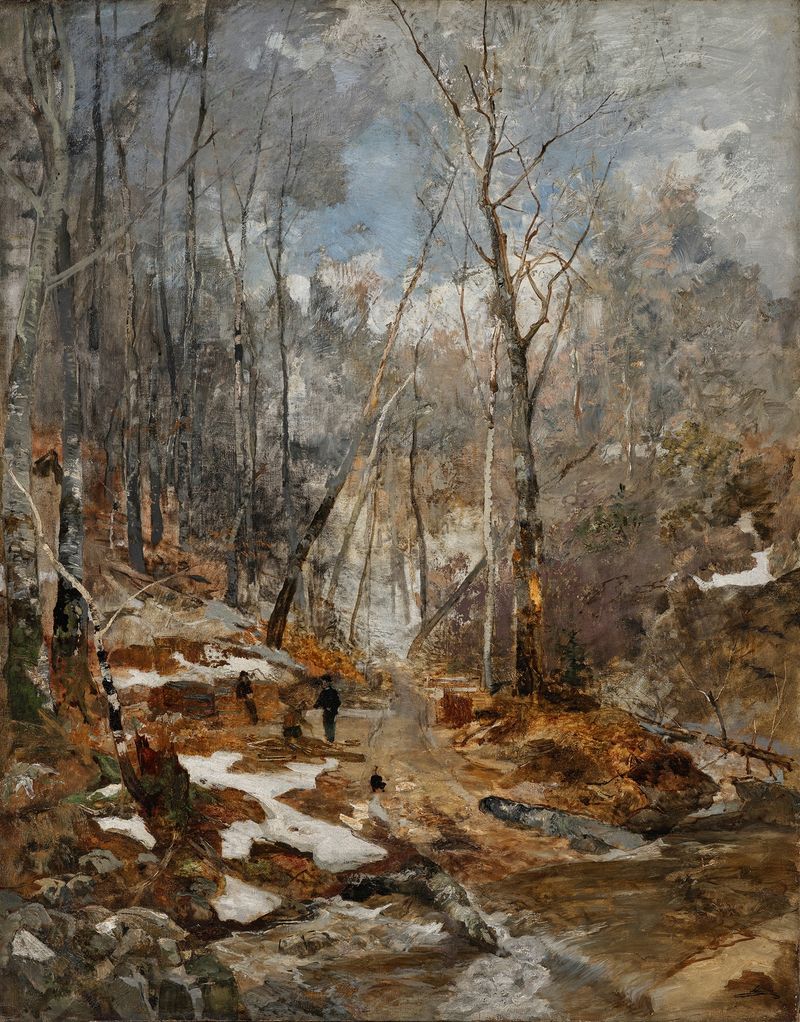
Februarstimmung – Vorfrühling im Wienerwald
Emil Jakob Schindler
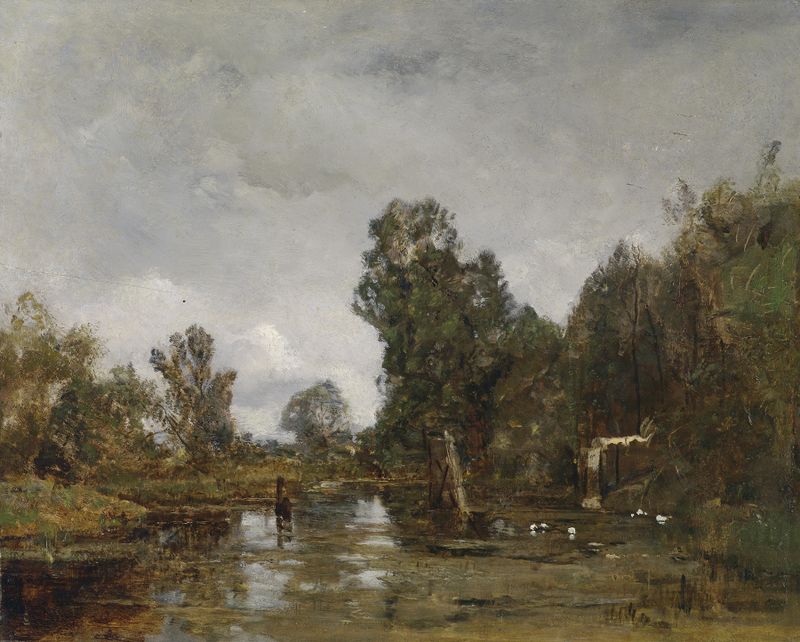
Motiv aus dem Wiener Prater (Krieau)
Emil Jakob Schindler
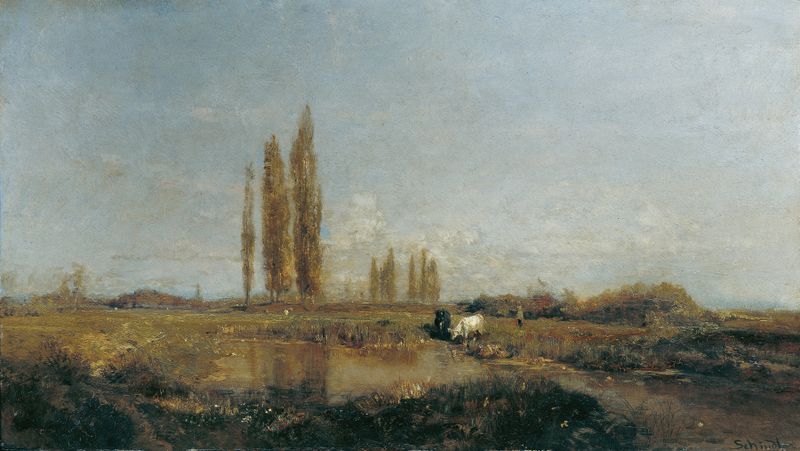
An der Thaya bei Lundenburg
Emil Jakob Schindler
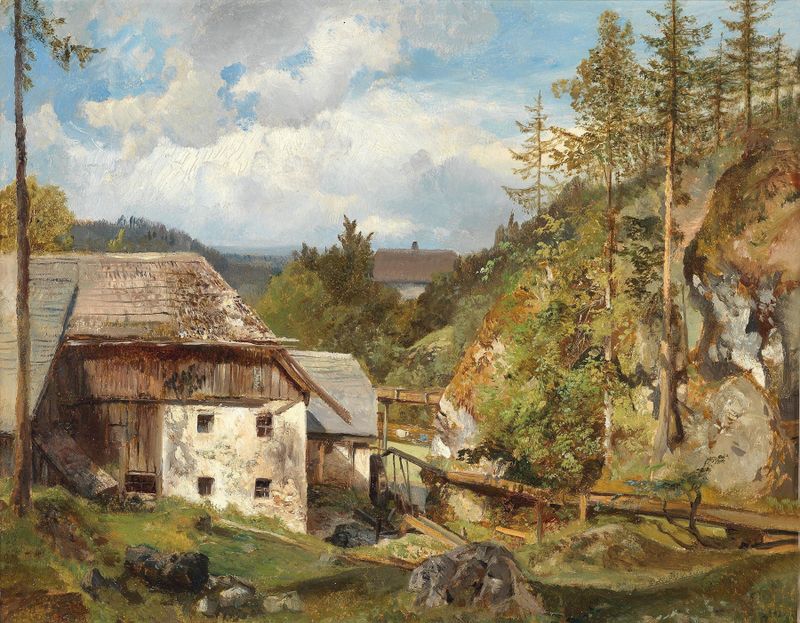
Die Mühle im Wald
Emil Jakob Schindler
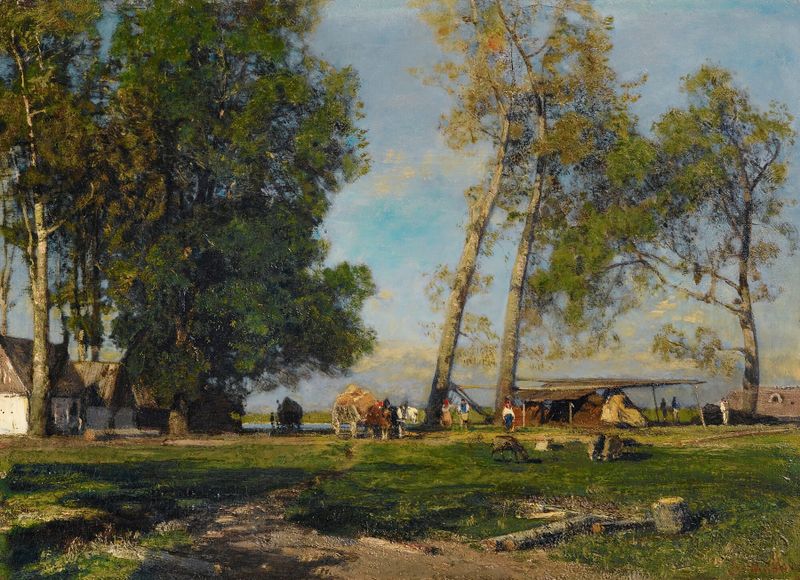
The Prater Gardens, Vienna
Emil Jakob Schindler
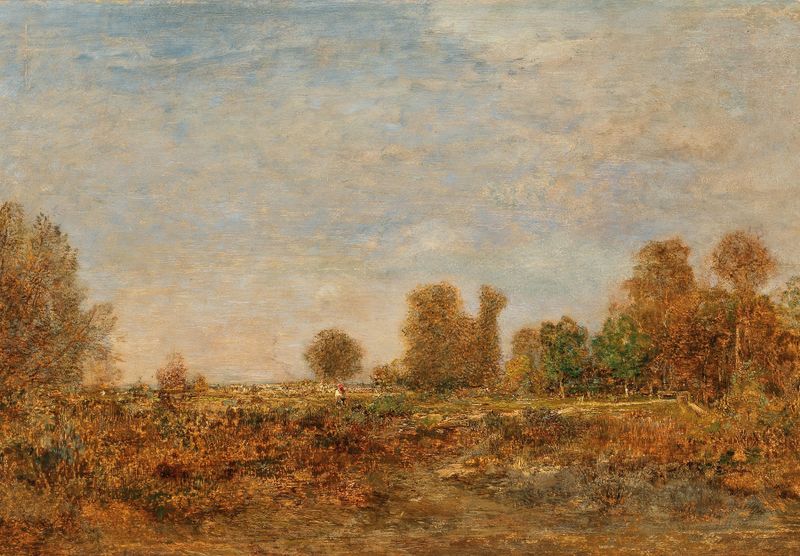
Landschaft, Lundenburg
Emil Jakob Schindler
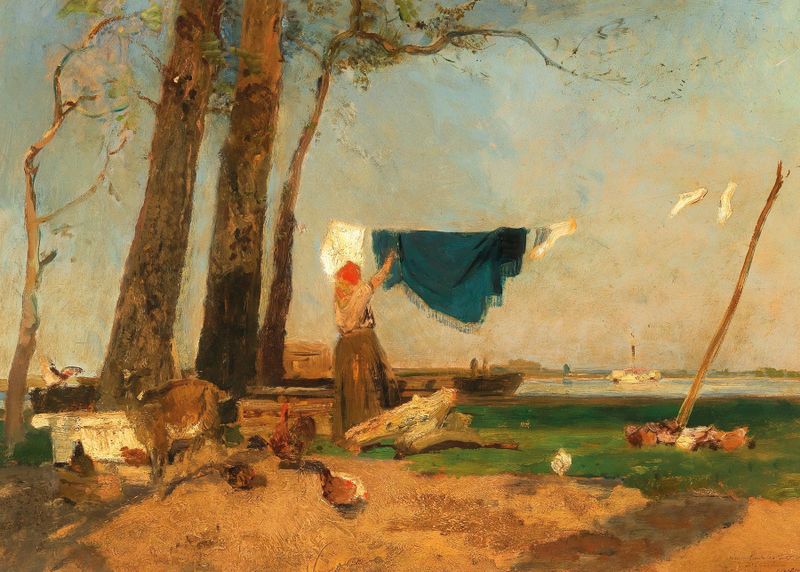
A washerwoman on the Danube bank, near the Praterspitz
Emil Jakob Schindler
Mühle in Plankenberg
Emil Jakob Schindler
Mondaufgang in der Praterau
Emil Jakob Schindler





